
Sauces & Condiments
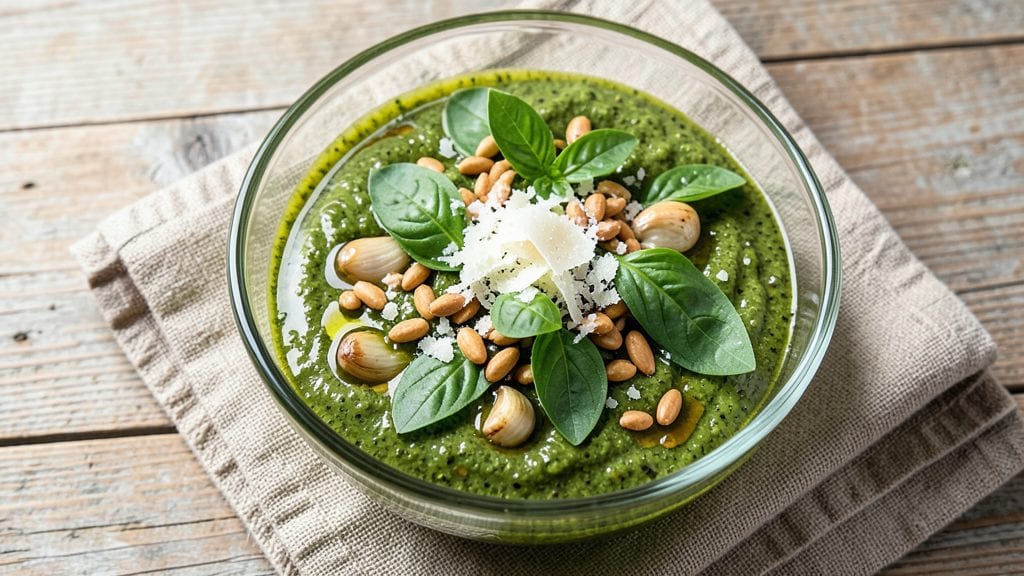
This freezer pesto sauce recipe transforms fresh basil into a versatile, long-lasting condiment that preserves every vibrant note—no waste, just flavor. The secret lies in freezing the sauce in small portions, ensuring you always have restaurant-quality pesto on hand without sacrificing freshness.
I developed this method after realizing how quickly homemade pesto turns bitter or slimy in the fridge, and it’s now my go-to for meal prep and gifting.
The beauty of this recipe is its adaptability—use it as a pasta sauce, marinade, or dip, all while keeping the bright, herby essence of fresh basil intact. The combination of garlic, nuts, and Parmesan creates a robust base that freezes beautifully, while the olive oil locks in moisture.
What you’ll end up with is a sauce that tastes like it was made yesterday, even after months in the freezer.
Perfect for busy cooks, meal preppers, or anyone who loves homemade pesto but hates food waste, this recipe scales effortlessly. Whether you’re prepping for the week or stocking your pantry, the key is proper portioning and freezing techniques. Let’s make pesto that lasts—and tastes—better than ever.
From reheating tips to creative uses, this sauce is designed to work seamlessly in any dish. The instructions will guide you through every step, ensuring professional results with minimal effort. Ready to revolutionize your pesto game?
Ingredients for freezer pesto sauce
Turn fresh basil into a freezer-friendly sauce that keeps its vibrant flavor for months.
| Ingredient | Amount | Notes |
|---|---|---|
| Fresh Basil Leaves 🌿 | 3 cups | Packed, stems removed, vibrant green |
| Pine Nuts 🥜 | ¾ cup | Toasted lightly for nutty depth |
| Garlic Cloves 🧄 | 4 cloves | Peeled, roughly chopped for bold flavor |
| Parmesan Cheese 🧀 | 1 cup | Freshly grated, high-quality block |
| Extra-Virgin Olive Oil 🫒 | 1 cup | High-quality, fruity, cold-pressed |
| Lemon Juice 🍋 | 1 ½ tbsp | Freshly squeezed, bright acidity |
| Sea Salt 🧂 | ¾ tsp | Fine grain, enhances all flavors |
| Freshly Ground Black Pepper 🌶️ | ½ tsp | Cracked peppercorns for intensity |
| Ice Cubes ❄️ | ½ cup | For food processor safety |
Basil is the star—farmers market or organic grocery store leaves pack the most flavor. Look for stems that snap easily (not woody) and leaves that smell fresh, not musty. Costco or Trader Joe's often have great bulk options if you're making multiple batches. Pine nuts can be pricey, but Costco's bulk section offers the best value. Toast them in a dry pan for 2 minutes until fragrant—this boosts their nutty depth. For Parmesan, Parmigiano-Reggiano from a deli counter is worth the splurge; pre-grated tastes like sawdust. The olive oil should be fruity and peppery—avoid the cheap supermarket bottles that taste like soap.
No pine nuts? Walnuts or raw cashews work beautifully (toast them first). Short on basil? Stretch it with fresh parsley (up to half the amount). Pecorino Romano can replace Parmesan for a sharper bite. The ice cubes aren't optional—they keep the food processor from overheating while blending. For extra richness, add 1 tbsp toasted breadcrumbs to the mix. If you're freezing in ice cube trays, use olive oil instead of water to prevent freezer burn. The lemon juice can be bottled if you're in a pinch, but fresh is always brighter.
Portion pesto into 1-tbsp ice cube trays before freezing—perfect for single servings. Transfer to a sealed container or freezer bag, squeezing out excess air. Labeled with the date, it keeps up to 6 months without losing flavor. Thaw in the fridge overnight or microwave for 20 seconds. For best texture, add a splash of extra-virgin olive oil when reheating. I always make a double batch—one for my freezer, one to gift in cute jars. The sauce reheats beautifully, making it ideal for meal prep.
Why You'll Love This Recipe
- No-Chop Basics: I swear by this—just pulse basil, garlic, and pine nuts in the food processor. No knife skills required, and the texture comes out perfectly smooth every time.
- Umami Bomb: That garlic and Parmesan combo? It’s like a flavor grenade. The pine nuts add a buttery crunch, but the basil’s freshness keeps it from feeling heavy—just rich, vibrant, and immediately satisfying.
- Pantry Hero: Freeze it in ice cube trays, then toss them straight into pasta, soups, or even scrambled eggs. Honestly, I’ve used it on pizza crusts, in omelets, and as a marinade—it’s my go-to for when I’m too tired to think.
- Budget-Friendly Luxury: Pesto from the store costs a fortune, but this? A handful of basil and a few cloves of garlic stretch into months of sauce. Plus, freezing it means no more sad, wilted jars of pesto in my fridge. Win.
Step-by-step instructions for freezer pesto sauce
Here's how to make a vibrant pesto that stays fresh for months without sacrificing flavor.
Prepare the Basil and Aromatics
Start by stacking the 3 cups fresh basil leaves and rolling them tightly like a cigar. Slice through the bundle with a sharp knife to create ¼-inch ribbons—this maximizes surface area for better flavor extraction. Transfer the ribbons to the bowl of a food processor fitted with the metal blade.
Add the 4 cloves garlic cloves and 0.75 cup pine nuts to the processor. Pulse these ingredients together for 5-7 seconds just until the pine nuts begin to break down but aren't fully ground. This ensures you capture the full nutty flavor without turning the mixture into a paste. The garlic should be finely chopped but still recognizable.
Process with Ice for Perfect Texture
Add the 0.5 cup ice cubes to the food processor. This crucial step prevents the pesto from overheating during processing, which can turn it into a greasy mess. Pulse the mixture again for 10-12 seconds until the ice melts and the basil, garlic, and pine nuts form a coarse, chunky texture. You're aiming for a rustic pesto with visible flecks of all ingredients—this is what gives freezer pesto its authentic character.
Stop the processor and scrape down the sides with a silicone spatula. This ensures even blending and prevents any ingredients from sticking to the sides. The mixture should look like a vibrant green, textured paste with visible pine nut pieces and garlic bits.
Incorporate Cheese and Acid
With the processor running, slowly drizzle in the 1 cup extra-virgin olive oil through the feed tube. This gradual addition prevents the oil from splattering and allows it to emulsify properly with the other ingredients. Process for 15-20 seconds until the oil is fully incorporated and the mixture becomes smooth but still retains some texture.
Add the 1 cup freshly grated Parmesan cheese, 1.5 tablespoons lemon juice, 0.75 teaspoon sea salt, and 0.5 teaspoon freshly ground black pepper. Pulse the mixture for 10-12 seconds until everything is evenly combined. Taste and adjust the seasoning if needed—you might want to add a pinch more salt or lemon juice to balance the flavors.
Package for Freezer Storage
Transfer the pesto to a freezer-safe container or silicone ice cube tray. For portion control, divide the pesto into ¼-cup servings in the ice cube tray and freeze until solid. Once frozen, transfer the pesto cubes to a ziplock freezer bag, squeezing out as much air as possible before sealing. Label the bag with the date and contents.
This pesto will keep in the freezer for up to 6 months while maintaining its vibrant color and fresh flavor. When ready to use, simply thaw in the refrigerator overnight or microwave for 10-15 seconds to soften. The texture will be slightly thicker after freezing, but it will return to its original consistency once you add it to pasta or other dishes.
Pro Tips For Making Freezer Pesto Sauce
- Toast Nuts First: Don’t skip toasting those pine nuts—just 2-3 minutes in a dry pan until golden and fragrant. I used to blend raw nuts into my pesto and wondered why it tasted dull. Toasted nuts add crunch and depth, and they freeze better without turning greasy.
- Blend Wet First: Pulse the garlic and olive oil together for 10 seconds before adding dry ingredients. This emulsifies the oil upfront, preventing that grainy, separated mess when you freeze it. Trust me, your future smooth pesto will thank you.
- Grate Parmesan Fine: Use a microplane or fine grater for the Parmesan—no big chunks allowed. Big chunks turn rubbery when thawed, and no one wants that texture in their pasta. I learned this the hard way after thawing a batch with sad, sad clumps.
- Freeze in Portions: Divide into 1-cup portions before freezing, using silicone molds or ice cube trays. Thawing just what you need later means no sad, half-used jars of pesto. Plus, it’s easier to toss a few cubes into pasta than a whole frozen mess.
Serving suggestions for this recipe
Pasta Pairings
This freezer pesto shines on al dente linguine or spaghetti—toss 2 tbsp thawed pesto per serving with 8 oz cooked pasta and a splash of pasta water to loosen the sauce.
For extra richness, finish with toasted pine nuts and shaved Parmesan. I also love it on farfalle or penne for a heartier bite. 🍝
Dipping Sauce
Thaw a ¼-cup cube and mix with 2 tbsp cream cheese and 1 tbsp sour cream for a creamy dip. Serve with warm crusty bread, baguette slices, or veggie sticks.
For a spicy twist, stir in ½ tsp red pepper flakes. This is my go-to for game day or cheese boards!
Marinade Magic
Use ¼ cup thawed pesto as a marinade for chicken breasts or shrimp. Combine with 2 tbsp olive oil and 1 tsp lemon zest, then marinate for 30-60 minutes.
Grill or pan-sear until cooked through—this adds incredible herby depth. I also brush it on grilled fish fillets in the last 5 minutes of cooking. 🍗
Garnish & Topping
Spread a thin layer of thawed pesto on flatbreads or focaccia before baking for a flavorful crust. Top grilled steaks or burgers with a dollop after cooking.
For a quick appetizer, spoon pesto onto toasted baguette slices, top with cherry tomatoes, and broil for 2-3 minutes until bubbly. 🧀
Soup & Salad Boost
Stir 2 tbsp pesto into creamy soups like butternut squash or tomato basil for instant freshness. Toss with arugula salads and pear slices for a sweet-savory contrast. I also blend ½ cup pesto into homemade vinaigrette for a vibrant dressing. 🥗
Breakfast Twist
Whip ¼ cup pesto into scrambled eggs or omelets for a herby morning surprise. Mix into pancake batter (about 2 tbsp per cup of batter) for a savory brunch. Top avocado toast with a spoonful and crumbled feta for a gourmet touch. 🍳
Nutrition facts
Frequently asked questions
Why does freezing pesto change its texture?
The ice cubes used during processing help preserve texture, but freezing can make pesto slightly thicker due to fat crystallization. When thawed, simply stir in 1 teaspoon of olive oil to restore its original consistency. This method keeps the pesto creamy and prevents it from becoming grainy or separating.
Can I freeze pesto without ice cubes?
Yes, but the texture may suffer—pesto made without ice can overheat in the processor, turning greasy. Instead, process in short bursts and let the mixture cool between pulses. For best results, always use ice cubes to maintain that fresh, vibrant texture after freezing.
How do I prevent freezer burn on pesto?
Freezer burn happens when air touches the pesto. To avoid it, portion the sauce into airtight containers or silicone molds, then seal them tightly. Use ziplock bags with all air squeezed out, or cover the surface with a thin layer of olive oil before freezing. Label each portion with the date for easy tracking.
What’s the best way to thaw frozen pesto?
Thaw overnight in the fridge for the gentlest method, or microwave in 10-second bursts until softened. For pasta dishes, you can even add frozen pesto cubes directly to hot water while cooking—it’ll thaw and blend seamlessly. Stirring in a splash of pasta water helps restore its smooth texture.
Can I make pesto without pine nuts?
Swap pine nuts for walnuts, cashews, or almonds, all toasted first for extra depth. If you’re avoiding nuts entirely, try blending in 1 tablespoon of olive oil with a pinch of salt to mimic the texture. The flavor will still shine, just with a different nutty (or oil-based) richness.