
Desserts
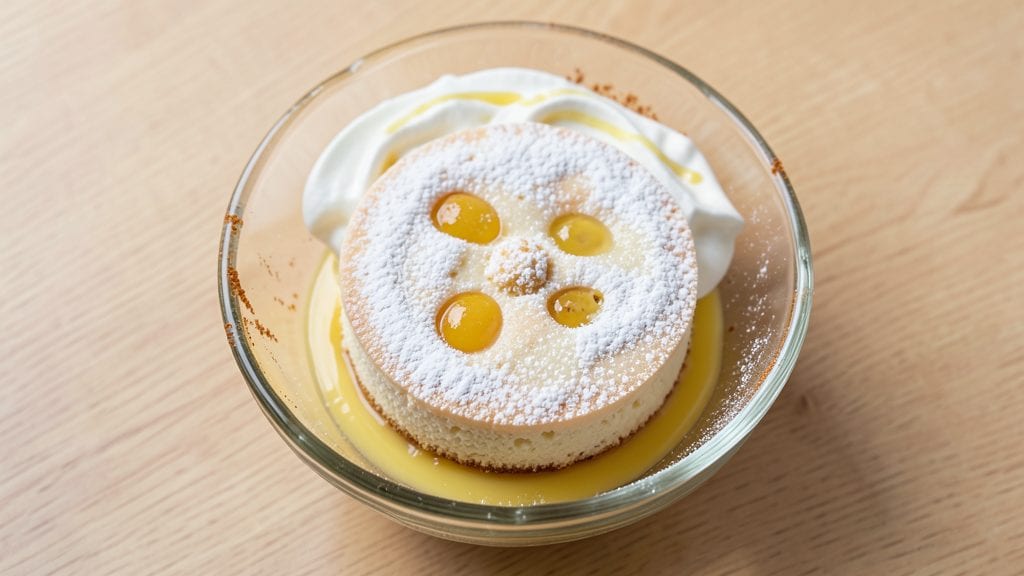
This French silk cake recipe delivers the ethereal texture and delicate vanilla flavor that makes it a Parisian café classic. The secret lies in folding whipped cream into a light batter, then steaming it to perfection—no heavy mixing or dense layers here.
I first tried this after watching a French pastry chef demonstrate the technique, and the results were so light they practically dissolved on the tongue.
The beauty of this recipe is its simplicity: just six ingredients and a 15-minute active prep time, yet it yields a cake so airy it feels like eating clouds. Traditional French methods—like using a water bath for even cooking—ensure that texture without requiring specialized equipment.
The cake stays moist for days, making it ideal for special occasions or last-minute dessert needs.
What you’ll end up with is a slice of pure elegance—golden, barely-there layers with a whisper of vanilla that lingers long after the first bite. The steam method creates those signature silky ribbons when cut, proving that French patisserie can be achieved in any kitchen.
Perfect for brunch, afternoon tea, or as a showstopper dessert.
Here’s the key: patience during the folding and precise steaming time are what transform this into something restaurant-worthy. Let’s make it together—no heavy mixing or dense layers required.
Ingredients for french silk cake
Six simple ingredients transform into a Parisian café classic with ethereal texture.
| Ingredient | Amount | Notes |
|---|---|---|
| All-Purpose Flour 🌾 | 1 ½ cups | Sifted for light texture |
| Granulated Sugar 🍚 | 1 ½ cups | Superfine preferred for smoothness |
| Large Eggs 🥚 | 4 whole | Room temperature for best whipping |
| Unsalted Butter 🧈 | ½ cup | Cold, cubed for folding |
| Heavy Whipping Cream 🥛 | 1 ½ cups | Cold, full-fat for stability |
| Pure Vanilla Extract 🌿 | 1 tbsp | Bottled or seedless preferred |
The flour and sugar form the delicate base of this cake. King Arthur or Gold Medal flour work best for their fine grind, but any all-purpose will do. For sugar, superfine granulated dissolves more smoothly, but regular granulated works if you pulse it in a food processor. The eggs are critical—use room temperature eggs (they whip better) and separate them carefully, keeping yolks and whites in separate bowls until needed. For butter, European-style brands like Plugrá have higher fat content, which helps stabilize the cake during steaming.
No vanilla extract? Vanilla bean paste works perfectly or scrape seeds from a vanilla bean. Substitute vanilla sugar at half the amount, but pure extract delivers the most authentic flavor. For dairy substitutions, heavy cream substitute like Cool Whip can work in a pinch, but the texture won't be as light. If you're avoiding butter, vegetable shortening at the same quantity maintains stability during steaming. Always measure flour by spooning it into the cup and leveling—never scooping—to avoid dense texture.
This cake keeps beautifully for 3-4 days in an airtight container at room temperature, though it's best enjoyed within 24 hours for peak texture. For longer storage, wrap tightly in plastic and refrigerate for up to 5 days. Reheat slices at 350°F for 5-7 minutes to restore moisture. The cake freezes well for up to 3 months—wrap individual slices in plastic wrap before freezing for easy single servings. Always bring to room temperature before serving.
Why You'll Love This Recipe
- No Mixer Needed: I swear by this trick—whisking the eggs and sugar by hand until they’re pale and tripled in volume. No stand mixer, no fuss, just elbow grease that pays off in that signature silky texture. (Yes, even my lazy Sundays work.)
- Buttery Dream Layers: That first bite? Pure indulgence. The buttercream filling—made from softened butter, sugar, and heavy cream—melts into the moist flour-based cake like it was meant to be there. Honestly, the contrast between the tender crumb and the rich frosting is what keeps me coming back.
- Party-Ready in Hours: Slice it for a brunch spread, stack it for a birthday cake, or serve it plain with tea—this cake handles any occasion without looking like you slaved over it. The best part? It travels well, so you can bake once and impress all week.
- Budget-Friendly Luxury: Here’s what sold me—this cake costs pennies per serving but tastes like a bakery showstopper. Flour, sugar, eggs, butter, and cream? That’s it. No fancy ingredients, no wasted leftovers (unless you’re like me and eat the whole pan). My wallet and my taste buds win.
Step-by-step instructions for French silk cake
Here's the method that delivers that signature airy texture and delicate vanilla flavor.
Separate Eggs and Whip Yolks with Sugar
Begin by separating the 4 whole large eggs, placing yolks in a heatproof mixing bowl and whites in a separate, perfectly clean bowl. Add the 1.5 cups granulated sugar to the yolks and place the bowl over a pot of simmering water (double boiler). Whisk constantly for 5-7 minutes until the mixture reaches 160°F and becomes pale and thick like ribbon candy.
This step is crucial—it creates the stable base for your cake. You'll know it's ready when the mixture coats the back of a spoon and leaves a clear path when you run your finger through it. Remove from heat immediately to prevent overcooking, which would make the cake dense.
Fold in Butter and Cream Mixture
Let the yolk mixture cool slightly to 110°F (about 2 minutes). In a separate bowl, whip the 1.5 cups cold heavy whipping cream to soft peaks. Add the ½ cup cold cubed unsalted butter and whip until fully incorporated and the mixture holds its shape. This creates a light, airy buttercream base.
Gently fold one-third of the buttercream mixture into the warm yolk mixture to lighten it. Then carefully fold in the remaining buttercream until fully combined. The goal is to maintain as much air as possible—avoid overmixing, which would deflate the batter. The final mixture should be smooth with no visible streaks of buttercream.
Incorporate Egg Whites and Vanilla
In the clean bowl, beat the egg whites to stiff peaks using an electric mixer. They should hold their shape when the beaters are lifted. With the mixer running on low speed, gradually add the 1 tbsp pure vanilla extract to the egg whites to stabilize them. Then, using a spatula, gently fold one-third of the egg whites into the yolk mixture to lighten it.
Now carefully fold in the remaining egg whites in two additions, using a gentle over-under motion. The batter should be thick but still pourable. Real talk: Don't overmix here—you're working with delicate air bubbles that can collapse if handled roughly. The final batter should have a smooth, glossy appearance with no visible streaks.
Fold in Flour and Bake Immediately
Sift the 1.5 cups all-purpose flour over the batter and gently fold it in using a spatula, working from the bottom up to maintain air incorporation. The batter will look thick and slightly lumpy—this is normal and actually desirable for the final texture. Transfer the batter to a 9-inch round cake pan lined with parchment paper.
Bake in a preheated 350°F oven for 12-15 minutes. The cake is done when the top springs back when gently pressed and a toothpick inserted comes out clean. Don't overbake—this delicate cake dries out quickly once removed from the oven. Rotate the pan halfway through baking for even cooking.
Cool and Serve
Immediately after removing from the oven, invert the cake onto a wire rack to cool completely. This helps maintain the airy texture by preventing condensation from forming on the bottom. Once fully cooled, slice into 6 equal portions—each piece should be light as air with a tender crumb and delicate vanilla flavor.
Serve at room temperature for the best texture. The cake keeps well in an airtight container for 2 days—though I doubt it will last that long. For extra decadence, dust with powdered sugar just before serving. The contrast between the cake's lightness and the sweet dusting creates the perfect finishing touch.
Pro Tips For Making French Silk Cake
- Whip Eggs to Room Temp: Cold eggs won’t emulsify right—pop them out of the fridge 30 minutes before starting. I learned this the hard way when my first batch split like a sad soufflé. The buttercream layer depends on this step.
- Sift the Flour Twice: Don’t skimp—sift that flour before mixing it with the sugar. The first time I skipped it, my cake had weird pockets of dryness. It’s tedious, but it guarantees a smoother batter and lighter texture.
- Avoid Overmixing the Batter: Once the flour is incorporated, stop stirring after 10 seconds. I used to blend it like I was making pancakes, and the result? A dense, chewy mess. This cake relies on gentle folding—less is more.
- Chill the Cake Before Slicing: Wait at least 4 hours, preferably overnight, before cutting. I know, I know—impatient much? But rushing it turns the layers into a greasy, crumbly disappointment. Patience here makes all the difference.
Best sauces and condiments for this french silk cake
Classic Vanilla Pastry Cream
This velvety French pastry cream elevates your silk cake to café-quality decadence. Whisk 1 cup whole milk and 1 cup heavy cream with ½ cup granulated sugar until dissolved, then add 3 tbsp cornstarch mixed with 2 egg yolks.
Cook over medium heat until thickened, then stir in 1 tbsp vanilla bean paste and 1 tbsp butter. Chill completely before spreading between cake layers or drizzling over slices. 🥄
Lemon Curd Drizzle
Bright citrus cuts through the richness beautifully. Simmer 1 cup lemon juice, ½ cup sugar, and 3 egg yolks until thickened, then whisk in ¼ cup butter until smooth. Strain through a fine sieve for silky texture.
Drizzle over cake slices just before serving—I use a star tip for decorative patterns. Store leftovers in the fridge for up to 5 days.
Chocolate Ganache
For chocolate lovers, melt ½ cup dark chocolate chips with ¼ cup heavy cream over a double boiler. Let cool slightly until pourable, then drizzle over cake slices.
I recommend Ghirardelli 60% dark chocolate for that perfect balance of richness and bitterness. For extra flair, sprinkle with flaky sea salt before the ganache sets.
Caramel Sauce
This simple sauce adds luxurious sweetness. Melt 1 cup granulated sugar in a saucepan over medium heat until amber-colored, then carefully whisk in ¼ cup heavy cream.
Let cool slightly before drizzling over cake slices. For a smoky twist, add ½ tsp smoked sea salt to the caramel before pouring the cream. 🔥
Fruit Compote Pairings
Fresh berry compotes add vibrant color and acidity. Simmer 1 cup mixed berries with 2 tbsp sugar and 1 tsp lemon juice until thickened. I love using frozen berries in a pinch—they work just as well.
Serve warm or chilled over cake slices for a restaurant-worthy presentation. For a tropical twist, try mango or passionfruit instead.
Coffee Syrup Glaze
Perfect for morning servings, this glaze adds depth without overpowering. Simmer ½ cup water, ½ cup sugar, and 2 tbsp instant espresso powder until dissolved, then brush over cooled cake slices.
Let sit for 10 minutes before serving to let the flavors meld. I keep a jar of this syrup in my fridge for quick dessert upgrades—it's my secret weapon for café-style treats. ☕
Nutrition facts
Frequently asked questions
Why does this French silk cake recipe require separating egg yolks and whites?
The separation creates the signature light, airy texture. Yolks blended with sugar create a thick, stable base, while whipped egg whites add volume and fluffiness. This technique ensures the cake stays moist and tender without becoming dense. The delicate balance between the two gives that signature "silk" quality!
Can I skip the water bath step if I don't have a double boiler?
Not exactly—but you can adapt! Line your cake pan with parchment paper and place it on a baking sheet. Pour ½ inch of hot water into another pan, then nestle your cake pan inside to create a makeshift water bath. This mimics the steaming effect that keeps the cake moist and tender.
How do I know when the cake is done without cutting into it?
Look for these signs: the top should spring back when gently pressed, and a toothpick inserted in the center should come out clean or with just a few moist crumbs. Overbaking is the enemy here—remove it from the oven when it reaches 12-15 minutes, even if it looks slightly underdone. The cake will firm up as it cools.
Can I make this cake ahead of time?
Bake it 1 day ahead and store it wrapped tightly in plastic at room temperature. The texture stays perfect for 2-3 days. For longer storage, freeze individual slices for up to 3 months. Just let them thaw at room temperature before serving.