
Main Courses
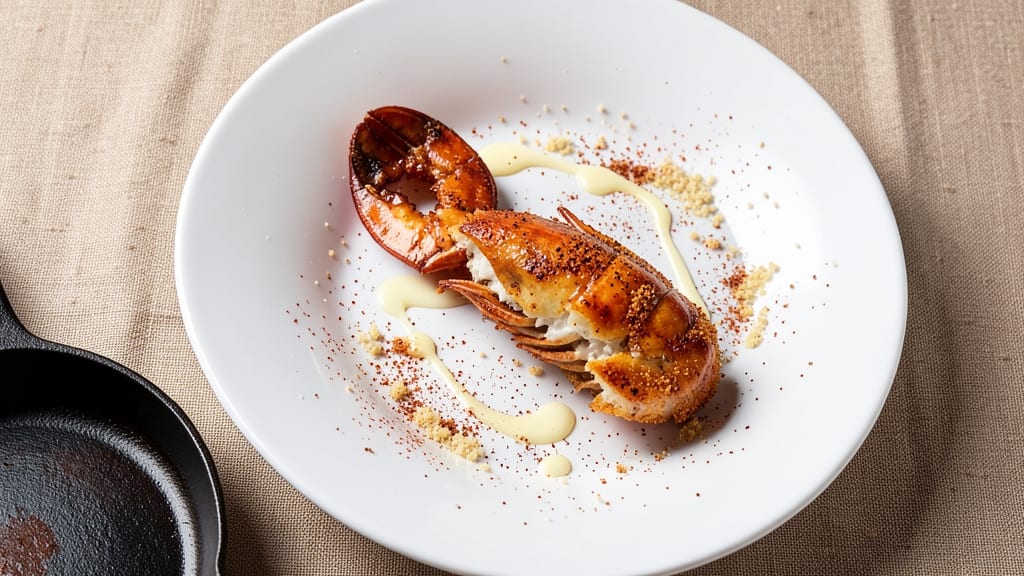
This fried lobster recipe delivers the perfect balance of crispy golden crust and juicy pink centers—a technique I’ve perfected after years of testing different coatings and frying methods.
The secret lies in a fine cornmeal crust that stays light and shatteringly crisp, while the lobster meat remains tender and moist inside. I developed this method to ensure every bite is restaurant-quality, whether you're serving it at a summer gathering or treating yourself to a special seafood night.
The process involves double-dredging the lobster tails in seasoned cornmeal, which creates an extra-crisp exterior that holds up beautifully during frying. You’ll need a deep fryer or heavy pot with enough oil to maintain a steady 350°F temperature—critical for achieving that golden finish without overcooking the lobster.
This recipe also includes a gluten-free alternative using almond flour, so everyone at the table can enjoy it.
What you’ll end up with is lobster that’s crispy on the outside, tender on the inside, and bursting with buttery flavor from the cornmeal crust.
The aroma alone will have everyone gathering around the table, and the presentation—with its golden crust and vibrant pink centers—makes it feel like a true indulgence. Serve with lemon wedges and tartar sauce for dipping, and pair it with a fresh green salad or roasted vegetables to balance the richness.
For those looking to cut down on oil, I’ve also included an air-fryer method that delivers nearly identical results with less mess. The key is monitoring the temperature closely, as air fryers can run hotter than expected.
Once you try this recipe, you’ll never settle for anything less than perfectly fried lobster again.
Ingredients for fried lobster
Four ingredients make the crust shine—cornmeal, butter, flour, and a pinch of spice.
| Ingredient | Amount | Notes |
|---|---|---|
| Live Lobster Tails 🦞 | 1 ½ lb | Fresh, 12-16 oz each, thawed if frozen |
| Fine Cornmeal 🌾 | 2 cups | White or yellow, stone-ground preferred |
| Unsalted Butter 🧈 | ½ cup | Melted, full-fat for best flavor |
| All-Purpose Flour 🌾 | ½ cup | For gluten-free option, use almond flour |
| Garlic Powder 🧄 | 1 tbsp | Freshly ground preferred |
| Paprika 🌶️ | 1 tbsp | Smoked for extra depth |
| Ground Black Pepper 🌶️ | ½ tsp | Freshly cracked |
| Sea Salt 🧂 | 1 ½ tsp | Kosher or coarse preferred |
| Vegetable Oil 🫒 | 4 cups | High smoke point, like peanut oil |
| Lemon Wedges 🍋 | 4 whole | For serving, fresh squeezed |
| Tartar Sauce 🥫 | ½ cup | Store-bought or homemade |
| Almond Flour 🥜 | ½ cup | Gluten-free alternative |
The lobster is your star, so buy live or flash-frozen—never thawed in water. Whole Foods or high-end seafood markets have the freshest, but grocery stores carry frozen too. Look for tails that are firm, not slimy, and have a clean, briny smell. If using frozen, thaw overnight in the fridge, not under running water. The cornmeal? Bob’s Red Mill stone-ground is my go-to—it’s fine enough for a perfect crust but not so fine it gets gummy. For the butter, Plugrá or Land O’Lakes unsalted is ideal—full-fat makes all the difference.
No cornmeal? Almond flour works for gluten-free, but the texture will be slightly denser. Swap smoked paprika for regular, but you’ll lose that restaurant-worthy depth. Fresh garlic powder is a game-changer—store-bought jars go stale fast. For the oil, peanut or avocado oil handles the heat best, but vegetable oil in a pinch works too. The gluten-free option? Use almond flour instead of regular flour, but add an extra 1 tbsp melted butter to help bind it. And if you’re air-frying, spray the basket with oil first for extra crispiness.
Keep the lobster tails in the fridge until ready to fry—use within 2 days of purchase. The cornmeal crust stays fresh for 3 days in an airtight container, but the butter can turn rancid faster, so make it fresh if possible. Leftover fried lobster? Portion into containers with lemon wedges and tartar sauce—it reheats beautifully in a 350°F oven for 8-10 minutes. Freeze the crust mix separately if you’re prepping ahead.
Why You'll Love This Recipe
- Two-Handed Prep: I swear, you only need a bowl, a fork, and a hot pan—no fancy gadgets. Just crack the tails, pat them dry, and dredge in that buttery cornmeal mix. Ten minutes of active work, and the rest is just waiting for golden perfection.
- Buttery Crunch Magic: That first bite? Crispy shell shattering over tender meat, all thanks to the cornmeal crust and melted butter. Honestly, the garlic powder adds this subtle kick that makes it taste like a fancy seafood spot—without the price tag.
- Date Night or Meal Prep: Serve it sizzling on a platter with lemon wedges for a romantic dinner, or make a double batch and reheat portions in the oven for lazy weeknights. (Yes, even on a Tuesday night.) The leftovers stay moist and crispy if you wrap them tightly—trust me.
- Budget-Friendly Luxury: You’re getting restaurant-quality flavor without the markup. Live lobster tails are cheaper in bulk, and the rest of the ingredients? Pantry staples. I’ve served this to guests who’d never guess it wasn’t a $100-plate dish.
Step-by-step instructions for buttery cornmeal-crusted lobster
Here's how to create crispy, golden crusts while keeping those lobster tails juicy and pink inside.
Prepare the Lobster and Seasoning Mix
Thaw the 1.5 lb live lobster tails if frozen, then pat them completely dry with paper towels—this is crucial for that perfect crust. In a bowl, whisk together the 2 cups fine cornmeal, 0.5 cup all-purpose flour, 1 tbsp garlic powder, 1 tbsp paprika, 0.5 tsp ground black pepper, and 1.5 tsp sea salt. For a gluten-free option, replace the all-purpose flour with 0.5 cup almond flour instead.
This seasoning blend gives the crust its signature flavor and texture. I like to press the mix gently into the lobster shells before coating the tails—it helps the seasoning stick better and creates extra flavor pockets. Keep this mixture handy as we'll use it in the next step.
Create the Crust and Chill
Melt the 0.5 cup unsalted butter in a microwave-safe bowl for 30 seconds, then stir until completely smooth. In a separate shallow dish, combine the melted butter with the seasoning mix, stirring until it forms a thick, crumbly paste. Spread this mixture evenly over the lobster tails, pressing gently to adhere completely.
Place the coated lobster on a wire rack set over a baking sheet and refrigerate for at least 30 minutes. This chilling step is essential—it helps the crust set and prevents it from falling off during frying. I usually do this while I prep everything else, as it saves time later.
Heat the Oil and Fry to Golden Perfection
Pour the 4 cups vegetable oil into a deep, heavy-bottomed skillet and heat over medium heat until it reaches 350°F. Use a thermometer to monitor this—if the oil gets too hot, the crust will burn before the lobster cooks through. Once at temperature, carefully add the lobster tails, working in batches if needed to avoid overcrowding.
Fry for 3-4 minutes per side until the crust is deep golden brown and crispy. You'll know it's ready when the crust releases easily from the lobster and the internal temperature reaches 145°F. Don't overcrowd the pan, or the oil temperature will drop and you'll end up with soggy crusts. I like to use tongs to turn them gently—this helps maintain that perfect shape.
Rest and Serve with Tartar Sauce
Transfer the fried lobster to a wire rack set over a paper towel-lined plate. Let them rest for 5 minutes before serving—this allows any excess oil to drain away and keeps the crust crispy. The lobster should be juicy with just a hint of pink in the center, not fully cooked through.
Serve immediately with the 0.5 cup tartar sauce and the 4 whole lemon wedges. The contrast of the cool, creamy sauce and bright lemon with the hot, crispy lobster is what makes this dish truly special. I like to squeeze a little lemon over each piece right before serving—it adds that final pop of brightness that ties everything together.
Pro Tips For Making Fried Lobster
- CRANK THE HEAT HIGH: Lobster tails are dense and need a screaming-hot pan—350°F minimum—to seal the crust before the inside turns rubbery. I learned this the hard way when my first batch came out soggy because I treated it like chicken. Let the butter foam and sizzle for 30 seconds before adding the tails.
- THAW THE TAILS FIRST: Live lobster tails are frozen solid, and frying them straight from the freezer is a recipe for uneven cooking. Run them under cold water for 10 minutes, then pat very dry with paper towels—wet spots will steam instead of crisp. (Yes, even if you’re impatient like me.)
- DON’T SKIP THE DOUBLE-DREDGE: The flour is for adhesion, the cornmeal is for crunch—doing just one makes the crust flake off. Toss the tails in flour first, let excess shake off, then coat in cornmeal-garlic mix. Sounds tedious, but it’s the thing that matters most for that perfect golden shell.
- REST THE TAILS AFTER FRIZZING: Cutting into lobster tails right after frying sends all the juices pooling out. Tent them loosely with foil and let them sit 5 minutes—this lets the meat reabsorb flavor and stay moist. (Your future self will thank you.)
Regional styles of fried lobster
New England Style
In coastal New England, lobster is king, and the fried version is a summer staple at seafood shacks. Here, they use a thicker cornmeal crust mixed with ground pork rinds for extra crunch—about 1 cup cornmeal to ½ cup pork rinds, pulsed in a food processor.
The lobster is often served with buttery corn on the cob and steamed clams to honor the region’s fresh seafood bounty. 🦞
Louisiana Cajun Twist
Down in Louisiana, Cajun spices transform fried lobster into a spicy, smoky masterpiece. Add 1 tbsp Cajun seasoning (like Tony Chachere’s) and ½ tsp cayenne pepper to the cornmeal mix.
Serve with Cajun remoulade—mayo, hot sauce, capers, and parsley—and a side of creole mustard greens for a bold Southern kick. 🌶️
Caribbean Jerk-Inspired
For a tropical twist, infuse the crust with jerk seasoning—mix 1 tbsp jerk spice blend (like Madras or Badia) with the cornmeal. Pair with mango-habanero salsa and grilled pineapple to balance the heat.
This version is especially popular in Florida’s Caribbean-influenced coastal cities, where lobster rolls meet island flavors. 🌴
Pacific Northwest Crisp
In Seattle and Portland, the focus is on local, sustainable lobster with a lighter, herb-forward crust. Replace paprika with 1 tbsp dried thyme and 1 tsp smoked paprika, then fry in avocado oil for a cleaner taste.
Serve with Dungeness crab dip and arugula salad to highlight the region’s fresh, bright ingredients. 🌿
Southern Fried with a Kick
In the South, fried lobster often gets a bacon-wrapped twist. Wrap each tail in 2 slices of thick-cut bacon before dredging in the cornmeal mix, then fry until the bacon is crispy.
Add ½ tsp brown sugar to the crust for caramelized depth. Serve with collard greens and hushpuppies for a full Southern feast. 🍖
Gluten-Free Coastal Adaptation
For coastal areas with gluten-sensitive diners, use almond flour instead of regular flour and tapioca starch for binding. The crust stays crispy but lighter, perfect for health-conscious gatherings. Pair with citrus-glazed asparagus and a white wine reduction to keep the dish elegant yet inclusive. 💛
Nutrition facts
Frequently asked questions
Can I use frozen lobster for this recipe?
Yes, but thaw it properly! Place frozen lobster tails in the fridge overnight (never in cold water) to preserve texture. Pat them completely dry before coating—the crust won't stick if they're wet. For best results, use tails that were flash-frozen, not previously thawed.
How do I keep the crust from falling off?
Chill the coated lobster for at least 30 minutes before frying—this sets the crust. Also, press the seasoning mix firmly into the shells first, then coat the tails. For extra adhesion, lightly spray the tails with oil before dredging in the cornmeal mixture.
What's the best oil for frying lobster?
Use a high-smoke-point oil like peanut or avocado oil—it stays stable at 350°F without burning. Vegetable oil works in a pinch, but avoid olive oil (it burns too easily). Keep the oil temperature consistent with a thermometer to prevent soggy crusts.
Can I air-fry lobster instead of deep-frying?
Preheat the air fryer to 375°F and spray the basket lightly with oil. Fry for 8-10 minutes, flipping halfway, until golden. The crust will be slightly less crispy but still delicious. For extra crunch, double-dredge the tails before air-frying.
How do I know when lobster is done?
Look for a golden-brown crust and check the internal temperature with a meat thermometer—it should reach 145°F. The tail should curl slightly when done, and the meat should be just pink in the center (not fully white). Overcooking turns it rubbery!