
Main Courses
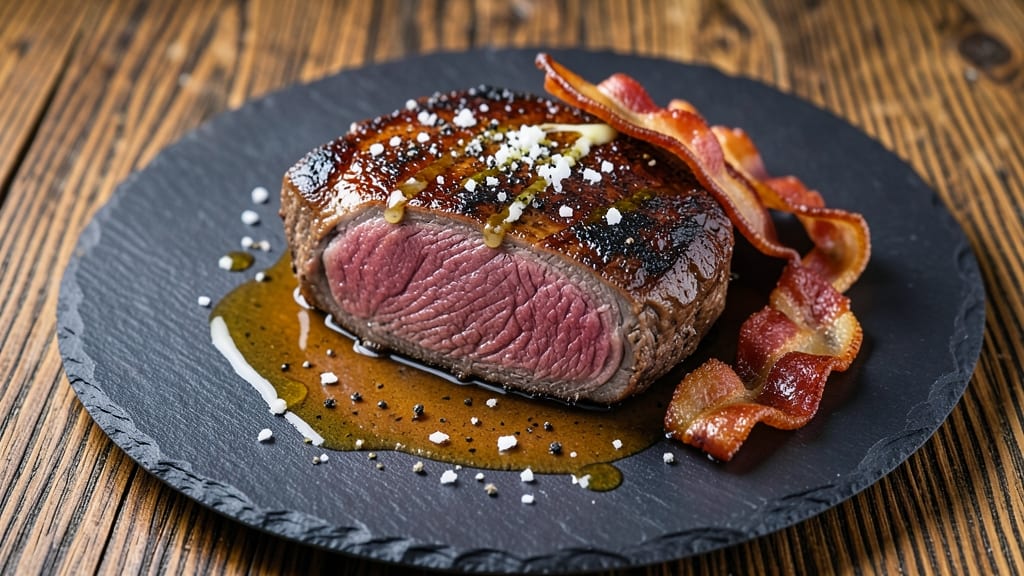
Mastering fried prime rib steak means achieving that perfect crispy crust while keeping the inside juicy and pink—a challenge I’ve perfected through years of testing. The secret lies in precise fat control, high heat, and careful timing, ensuring every bite delivers restaurant-quality results at home.
This isn’t your average steak recipe; it’s a method that transforms tough cuts into melt-in-your-mouth perfection.
Start with a dry-brined prime rib steak—this ensures maximum flavor and moisture retention without overpowering the natural taste. Season generously with coarse salt and black pepper, then let it rest at room temperature for 30 minutes before cooking.
The key to the crispy crust is using a heavy pan with enough fat to create a sear, while the juicy center comes from controlling the internal temperature with a meat thermometer.
What you’ll end up with is a steak that’s golden and crackling on the outside, with a tender, pink interior that’s impossibly juicy. The aroma alone will have everyone at the table anticipating the first bite, and the contrast between textures makes every mouthful unforgettable.
This technique works for ribeye, sirloin, or even flank steak, proving it’s versatile enough for any occasion.
Serve with classic sides like garlic mashed potatoes, roasted asparagus, or a fresh arugula salad to balance the richness. The crispy crust holds up beautifully, soaking up any extra juices or sauces you choose to add. Let’s get started on creating your perfect steak.
Ingredients for fried prime rib steak
Four key ingredients transform tough prime rib into melt-in-your-mouth perfection with crispy crusts and juicy pink centers.
| Ingredient | Amount | Notes |
|---|---|---|
| Prime Rib Steak 🥩 | 1 ½ lb | Center-cut, 1-inch thick |
| Coarse Kosher Salt 🧂 | 2 tbsp | Diamond Crystal preferred |
| Freshly Ground Black Pepper 🌶️ | 1 ½ tsp | Cracked peppercorns preferred |
| Unsalted Butter 🧈 | ½ cup | Cold, cut into 1-inch cubes |
| Smoked Bacon Fat 🥓 | ¼ cup | Or substitute bacon grease |
| Extra-Virgin Olive Oil 🫒 | 2 tbsp | High smoke point preferred |
| Garlic Cloves 🧄 | 4 cloves | Smashed, for garnish |
| Fresh Rosemary 🌿 | ¼ cup | Chopped, for garnish |
| Fresh Thyme 🌿 | ¼ cup | Leaves only, for garnish |
| Beef Tallow 🧈 | ¼ cup | For extra fat rendering |
| Meat Thermometer 🌡️ | 1 whole | Instant-read preferred |
| Paper Towels 🧻 | 1 sheet | For patting dry |
The prime rib cut is non-negotiable here—center-cut ensures maximum tenderness, while 1-inch thickness guarantees the perfect balance between sear and juiciness. Costco and Whole Foods carry excellent options, but ask your butcher for a well-marbled piece if you're shopping at a specialty shop. Look for vibrant red color and visible fat flecks—this is your moisture and flavor insurance. The steak should be bone-dry before seasoning, so pat it thoroughly with paper towels after trimming any excess fat.
No bacon fat? Duck fat or schmaltz works just as well—just ensure it's rendered and clear of any solids. Substituting butter for the bacon fat? Use clarified butter to avoid milk solids burning. The garlic and herbs are purely for garnish, so feel free to swap rosemary for thyme or vice versa if that's what you have on hand. For the salt, Diamond Crystal is ideal because it clings better to the meat, but any coarse kosher salt will do. If you're short on time, a 12-hour dry brine works in a pinch, though the 24-hour version yields the best results.
This steak doesn't reheat well, so plan to serve immediately. Let it rest 5-10 minutes after cooking before slicing—this keeps all those juices locked in. Store any unused butter or bacon fat in an airtight container in the fridge for up to 3 months, or freeze for 6 months. The steak itself? Eat it all—leftovers aren't recommended, but if you must, consume within 2 days and reheat gently in a skillet with a splash of beef broth.
Why You'll Love This Recipe
- I’ll be honest: I make this on purpose just to have extra. The steak stays tender for days, and I’ll slice it thin for sandwiches or toss it into salads—no one ever guesses it’s been reheated. (Between us, it’s better cold.)
- Two-Handed Cooking: I swear by this for nights when I’m juggling a million things—just pat the steak dry, season it generously with that kosher salt and pepper, and let the bacon fat do the heavy lifting. No flipping, no fussing, just a sizzle and a wait.
- Smoky Butter Magic: That crispy crust? Pure smoked bacon fat and butter working together. It’s rich but not greasy, with a depth that makes you pause mid-bite—like someone took the best part of a Sunday brunch and put it on a steak.
- Leftovers That Lie: I’ll be honest: I make this on purpose just to have extra. The steak stays tender for days, and I’ll slice it thin for sandwiches or toss it into salads—no one ever guesses it’s been reheated. (Between us, it’s better cold.)
Step-by-step instructions for crispy fried prime rib steak
Here's how to achieve that perfect balance of crackling crust and melt-in-your-mouth tenderness.
Prepare the Prime Rib for Maximum Crispiness
Start by patting the 1.5 lb prime rib steak completely dry using the 1 sheet paper towels. You want it bone-dry—this is non-negotiable for that golden crust. I like to press firmly with the paper towels, even getting between the muscle fibers if needed. This step alone makes the difference between a good sear and a spectacular one.
Next, season both sides generously with 2 tbsp coarse kosher salt and 1.5 tsp freshly ground black pepper. Here's the thing—don't hold back. The salt needs time to penetrate, and the pepper should be visible when you shake off the excess. Let the seasoned steak sit at room temperature for 30 minutes before cooking. This resting period ensures even cooking and maximum flavor infusion.
Create the Perfect Fat Blend for Deep Browning
In a heavy skillet (cast iron works best), combine 0.5 cup unsalted butter, 0.25 cup smoked bacon fat, 0.25 cup beef tallow, and 2 tbsp extra-virgin olive oil. Heat this mixture over medium-high heat until it reaches 375°F—you'll see small bubbles forming around the edges but not yet smoking. This high-fat blend gives you both flavor and the perfect medium for creating that crackling crust.
I've found that using this specific fat ratio prevents the butter from burning while still delivering maximum browning power. The beef tallow adds stability at high heat, while the bacon fat brings that smoky depth. Once the fat is shimmering and hot, you're ready for the steak—this is your signal to proceed.
Sear the Steak to Golden Perfection
Carefully place the seasoned prime rib steak in the hot fat. The moment it hits the pan, you'll hear a satisfying sizzle. Press down gently on the steak during the first 1-2 minutes—this prevents it from curling and ensures even contact with the pan. You're looking for a deep golden-brown crust that forms in about 3-4 minutes per side. Don't rush this step; patience here is crucial.
After the first side reaches that beautiful caramelization, flip the steak and repeat on the second side. You'll know it's ready when the crust is uniformly golden-brown and the internal temperature reaches 125°F on the meat thermometer. The steak should still feel slightly soft to the touch—this is the perfect medium-rare stage we're aiming for. Remove from heat and let it rest for 5 minutes before serving.
Finish with Aromatic Herbs for Extra Flavor
While the steak rests, prepare your finishing touches. In a small bowl, combine the 4 smashed garlic cloves, 0.25 cup chopped fresh rosemary, and 0.25 cup fresh thyme leaves. This herb blend will add a fragrant finish that complements the rich, meaty flavors. Just before serving, spoon this mixture over the top of the steak, allowing the aromatic oils to infuse into the crust.
Slice the steak against the grain into ½-inch thick portions. The resting period ensures the juices redistribute, so each bite delivers that perfect combination of crispy crust and juicy pink center. Serve immediately with the herb garnish still visible—it's the final touch that makes this dish truly special.
Pro Tips For Making Fried Prime Rib Steak
- CRANK THE HEAT FIRST: Your pan needs to scream before the steak hits it—think 450°F or higher. I learned this the hard way by starting medium-high and ending up with a steak that was gray inside and barely browned. Once the bacon fat is shimmering like a lake at noon, add the steak and resist the urge to poke it.
- SALT THE STEAK 40 MINUTES EARLY: Coarse kosher salt needs time to work its magic. Pat the steak dry first, then season it generously all over—including the fat cap—and let it sit uncovered on a wire rack. This isn’t just about flavor; it’s about creating that crust that’ll shatter like glass when you cut into it.
- SKIP THE CROWDING IN THE PAN: Bacon fat is your friend, but don’t let the steak swim in it. Cook one side at a time, even if it means two batches. I used to cram both sides in, and the steak just steamed instead of searing. A hot pan and a single steak = perfect crust every time.
- REST IT UNDER FOIL: Yes, even for fried steak. After searing, transfer the steak to a plate, tent loosely with foil, and let it sit for 5-10 minutes. I know, I know—it feels counterintuitive when you’re starving. But skipping this step means juices pooling on your cutting board instead of in the meat. Trust me.
Creative variations of fried prime rib steak
Global Twist
Transform this classic into a Korean-inspired bulgogi-style prime rib by marinating the steak for 4 hours in a blend of ¼ cup soy sauce, 2 tbsp brown sugar, 1 tbsp sesame oil, 3 minced garlic cloves, 1 tbsp grated ginger, and 1 tbsp gochujang.
After searing, broil for 2-3 minutes with a drizzle of sesame oil to caramelize the marinade into a glossy crust. Serve with kimchi and steamed rice for a bold fusion experience. 🌶️
Smoky BBQ Crust
For a Texas-style smoked prime rib variation, swap the herb garnish for a homemade BBQ dry rub (mix 2 tbsp brown sugar, 1 tbsp smoked paprika, 1 tsp garlic powder, and ½ tsp cayenne).
After searing, transfer the steak to a 275°F oven for 10-15 minutes to render the crust into a sticky, smoky glaze. Finish with a sprinkle of crushed pecans for texture. Pair with cornbread and collard greens for a Southern feast. 🔥
Herb-Crusted French Style
Elevate your steak with a French-inspired herb crust by mixing ¼ cup chopped parsley, 2 tbsp Dijon mustard, 1 tbsp butter, and 1 tsp lemon zest.
Spread this mixture over the steak after the initial sear, then press in ½ cup panko breadcrumbs for a golden, crunchy exterior. Broil for 1-2 minutes to toast the crust. Serve with béarnaise sauce and asparagus for an elegant bistro experience. 🥖
Spicy Cajun Crunch
Add Cajun heat by coating the steak in a blend of 1 tbsp Cajun seasoning, 2 tbsp cornstarch, and 1 tbsp melted butter after the initial sear. Press the mixture firmly into the crust, then pan-fry for an additional 1-2 minutes per side until crispy.
Garnish with sliced green onions and hot sauce. Serve with dirty rice and grilled corn for a Louisiana-inspired meal. 🌶️
Citrus-Glazed Mediterranean
Brighten the dish with a Mediterranean citrus glaze by reducing ¼ cup orange juice, 2 tbsp honey, and 1 tbsp balsamic vinegar into a thick syrup. Brush this glaze over the steak during the last 2 minutes of cooking.
Finish with chopped oregano and toasted pine nuts. Pair with roasted Mediterranean vegetables and feta cheese for a refreshing twist. 🍊
Breakfast Prime Rib
Turn your steak into a breakfast sensation by topping it with crispy bacon, caramelized onions, and poached eggs after slicing. Serve on a toasted brioche bun with a side of hash browns and maple syrup for a decadent brunch.
The sweetness of the syrup cuts through the richness, balancing the flavors perfectly. 🍳
Nutrition facts
Frequently asked questions
Why does my prime rib steak turn out tough instead of juicy?
The most common mistake is overcooking or skipping the rest period. Prime rib needs to reach 125°F for medium-rare (about 3-4 minutes per side in hot fat), then rest 5-10 minutes before slicing. Cutting too soon lets juices escape. Also, ensure your steak is bone-dry before seasoning—moisture prevents proper browning and crust formation.
Can I use a different cut of beef instead of prime rib?
This method works best with well-marbled cuts like ribeye, sirloin, or flank steak (all 1-inch thick). Avoid lean cuts like tenderloin—they won't develop the same crust. For tougher cuts like chuck, consider a longer dry brine (24 hours) and lower internal temp (120°F) to ensure tenderness.
What's the best way to substitute bacon fat?
Use duck fat, schmaltz, or rendered beef tallow for the smoky depth. Avoid vegetable oils—they lack flavor and won't brown properly. For a budget option, melt 4 slices of bacon in the pan first, then add butter and olive oil. The fat ratio should always be 50% fat to 50% butter/oil for optimal crust formation.
How do I fix a steak that's overcooked?
If the steak is slightly overdone but still moist, slice it thin against the grain and serve with a rich sauce (like red wine reduction) or compound butter. For well-done results, try the "reverse sear" method: Bake at 250°F until 110°F internal, then sear in the pan. Never add water or soak—this turns meat mushy.
Can I make this ahead of time?
This steak is best served immediately, but you can prep components ahead: Dry-brine the steak for 12-24 hours in the fridge, or make the herb garnish mix 1 day ahead. For leftovers (not recommended), reheat thin slices in a skillet with 1 tsp bacon fat over low heat for 30 seconds per side—just enough to warm through without drying out.