
Desserts
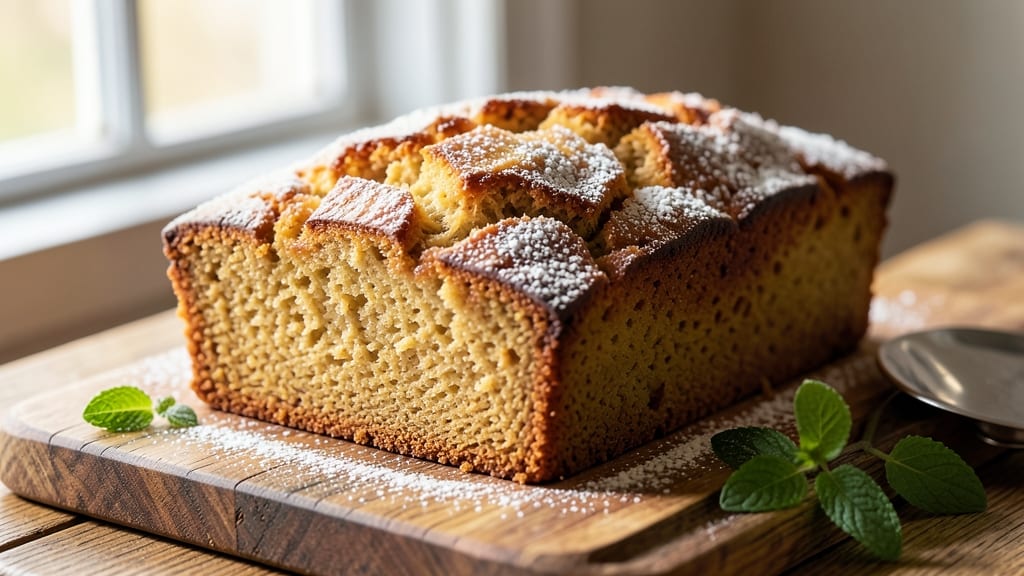
This German pound cake recipe delivers the signature buttery layers and warm vanilla-spiced richness that make it a classic dessert. The secret lies in precise measurements and gentle folding to create tender, moist crumbs with just the right crumbly texture.
After years of perfecting this recipe, I've found the key is using cold butter and folding the dry ingredients into the wet just until combined—no overmixing here.
The result is a cake that's rich yet not overly sweet, with a delicate vanilla flavor that lets the butter shine. German pound cake traditionally uses a pound of butter, flour, sugar, and eggs, creating a perfectly balanced texture that's neither too dense nor too light.
This version stays true to those classic proportions while adding a touch of modern convenience for home bakers.
What makes this recipe truly special is how it bakes up with those signature buttery layers and a subtle vanilla aroma that fills your kitchen. The cake stays moist for days, making it perfect for slicing thin or serving with fresh berries.
Whether you're baking for a special occasion or just treating yourself, this pound cake delivers professional-quality results with simple techniques.
For an extra touch, consider adding a light citrus glaze or dusting with powdered sugar. The cake also freezes beautifully, so you can bake one batch and enjoy it all month long. Let's get started on creating your perfect German pound cake.
Ingredients for german pound cake
Four simple ingredients make this classic German pound cake legendary—just butter, sugar, eggs, and flour.
| Ingredient | Amount | Notes |
|---|---|---|
| Unsalted Butter 🧈 | 1 lb | Cold, cubed for proper folding |
| Granulated Sugar 🍚 | 1 lb | Superfine if available for smoother texture |
| Large Eggs 🥚 | 4 whole | Room temperature for even mixing |
| All-Purpose Flour 🌾 | 1 lb | Sifted, no substitutions |
| Pure Vanilla Extract 🌿 | 1 tbsp | Bottled or seedless preferred |
| Baking Powder 🧂 | 1 tsp | Aluminum-free for best results |
| Salt 🧂 | ½ tsp | Fine sea salt preferred |
| Whole Milk 🥛 | ½ cup | Room temperature for smooth batter |
| Lemon Zest 🍋 | 1 tbsp | Fresh, finely grated |
| Powdered Sugar 🍚 | ¼ cup | For dusting, optional |
The butter is non-negotiable here. Plugrá or Land O'Lakes work perfectly, but grab the unsalted kind—salted throws off the delicate balance. Keep it cold until you're ready to cream it with the sugar. King Arthur Flour is my go-to for baking, but any all-purpose will do. The vanilla? Bottled extract is fine, but if you've got vanilla beans, scrape those seeds in for depth. For the sugar, superfine makes mixing easier, but regular granulated works too—just pulse it in a food processor first. The eggs should be at room temperature, so take them out 30 minutes before you start.
No vanilla extract? Almond extract at half the amount gives a similar warmth, though it's more potent. Running short on butter? Coconut oil works in a pinch, but the texture will be slightly denser. The lemon zest adds brightness—if you're not a fan, swap for orange zest. For the milk, whole is best, but 2% or even almond milk can work if you prefer. The baking powder is crucial here—don't skip it. If you've got Diamond Crystal (not the double-acting kind), use 1/4 tsp less since it's stronger. And for the love of cake, don't overmix the batter once the flour goes in—just fold until combined.
This cake keeps beautifully. Wrap it tightly in plastic wrap and store at room temperature for up to 5 days. For longer storage, freeze slices wrapped individually—they'll stay fresh for 3 months. Reheat slices in the oven at 300°F for 5 minutes to restore that buttery aroma. The layers develop more as it sits, so if you can wait, let it cool completely before slicing. And trust me, the first slice is always the best—save a tiny piece for later.
Why You'll Love This Recipe
- No Fuss Mixing: I swear by this recipe’s simplicity—just cream butter and sugar, crack eggs, fold in flour, and a splash of vanilla. No sifting, no weird ratios, just a few minutes of stirring until it’s done.
- Buttery Vanilla Bliss: That rich, creamy texture from the butter and eggs? It’s like biting into a cloud, but with a vanilla kiss that lingers. Honestly, the first slice makes me forget about store-bought cakes entirely.
- Slice It Any Way: Bake it for breakfast, serve it with coffee, or save half for dessert. It’s the ultimate crowd-pleaser—whether you’re feeding a family or just craving something sweet after dinner.
- Budget-Friendly Staples: Five ingredients, all pantry basics. No specialty items, no wasted leftovers (it stays moist for days), and you’ll use up that butter before it goes bad. Smart, simple, and satisfying.
Instructions for German pound cake: buttery layers and vanilla-spiced richness
Here's how to create a perfectly layered, moist pound cake with that signature German richness.
Cream the Butter and Sugar Together
In a stand mixer fitted with the paddle attachment, beat the 1 lb unsalted butter and 1 lb granulated sugar on medium speed for 5-7 minutes. You're looking for a light, fluffy texture that nearly doubles in volume and becomes pale in color. This step is crucial—it incorporates air into the batter, which creates that signature tender crumb.
I like to scrape down the sides of the bowl every couple of minutes to ensure everything gets evenly mixed. The butter should be completely smooth with no lumps remaining. If you're using superfine sugar, the mixture will blend even more smoothly, but regular granulated sugar works perfectly fine too.
Add Eggs and Vanilla Gradually
Add the 4 whole large eggs, one at a time, mixing on low speed after each addition until fully incorporated. After the last egg, add the 1 tbsp pure vanilla extract and mix for another 30 seconds. The mixture will look slightly curdled at first, but don't worry—it will come together beautifully when we add the dry ingredients.
I always use room temperature eggs for this recipe. They mix more smoothly and create a lighter batter. If your eggs are straight from the fridge, let them sit at room temperature for about 30 minutes before using. This small step makes a noticeable difference in the final texture.
Combine Dry Ingredients and Alternate with Milk
In a separate bowl, whisk together the 1 lb all-purpose flour, 1 tsp baking powder, and 0.5 tsp salt. Sift the flour mixture directly into the wet ingredients to avoid clumping. With the mixer on low speed, add one-third of the flour mixture, then one-third of the 0.5 cup whole milk, mixing just until combined.
Repeat this process, alternating between the remaining flour mixture and milk, ending with the last addition of flour. This gradual incorporation creates a smooth batter without developing too much gluten, which would make the cake tough. After the final addition, mix just until the flour is completely incorporated—you should still see some streaks of flour, which is perfect.
Fold in Lemon Zest and Prepare the Cake Pans
Remove the bowl from the mixer and gently fold in the 1 tbsp lemon zest using a silicone spatula. This adds a bright, citrusy note that balances the richness of the butter and sugar. Be careful not to overmix—just enough to distribute the zest evenly throughout the batter.
Divide the batter evenly between two 9-inch round cake pans (or one 9x13-inch pan if preferred). Line the pans with parchment paper circles cut to fit the bottom, then grease the sides lightly with butter. Pour the batter into the prepared pans and smooth the tops with a spatula. The batter should fill the pans about 2/3 full—don't overfill, or the cakes will spill over during baking.
Bake to Golden Perfection
Preheat your oven to 350°F and place the cake pans on the middle rack. Bake for 30-35 minutes, or until a toothpick inserted into the center comes out clean. The cakes are done when the tops are golden brown and spring back when gently pressed in the center.
I always check for doneness at the 25-minute mark—every oven runs slightly differently, so it's better to err on the side of slightly underbaking. Once the cakes are done, transfer them to a wire rack to cool completely before removing from the pans. This prevents them from sticking and ensures clean slices. For the best results, let them cool for at least 1 hour before serving or layering.
Pro Tips For Making German Pound Cake
- Cream Butter Slowly: German pound cake thrives on a light, airy crumb, and that starts with the butter. Use a stand mixer or hand mixer to beat the butter and sugar together for at least 3-4 minutes until it’s pale and fluffy—not just pale yellow. I learned this the hard way when my cake turned dense; the extra time incorporates air, which keeps the texture tender.
- Room-Temp Eggs Matter: Cold eggs won’t blend smoothly and can cause streaks in the batter. Take your eggs out of the fridge at least 30 minutes before mixing—ideally, let them sit in warm water for 5 minutes to speed it up. Trust me, your cake’s even texture depends on this small step.
- Sift That Flour: German pound cake relies on a fine, even crumb, and unsifted flour throws that off with lumps. Sift the flour directly into the bowl after creaming the butter and sugar, then gently fold it in with a spatula. No sifting? At least whisk the flour vigorously to break up clumps—your cake’s moisture distribution depends on it.
- Bake Until 200°F: The cake’s done when the internal temperature hits 200°F (93°C), not when the top looks golden. Ovens run hot, and pulling it too soon leaves it gummy. I used to rely on the toothpick test, but a thermometer never lies—wait for that temp, then let it cool 10 minutes before slicing.
Dietary considerations for this german pound cake
Gluten-Free Adaptation
For a gluten-free version, replace the all-purpose flour with a 1:1 gluten-free baking flour blend like King Arthur Measure for Measure or Bob's Red Mill 1-to-1. Use the same amount (1 lb) and add 1 tsp xanthan gum to mimic gluten's structure.
I've found that gluten-free pound cake benefits from an extra 5 minutes of creaming time to compensate for the denser texture. 🌱
Dairy-Free Options
Swap the butter for 1 lb dairy-free butter (I recommend Miyoko's or Earth Balance) and replace the milk with ½ cup unsweetened almond milk or oat milk. The cake will still be rich but with a slightly lighter texture.
For extra moisture, add 1 tbsp applesauce to the batter. The flavor stays true to the original, just with a neutral dairy-free base.
Lower-Sugar Version
Reduce the sugar to ¾ lb and replace the remaining ¼ lb with ¼ cup honey or maple syrup for natural sweetness. This cuts 25% of the sugar while keeping the cake moist.
I also add 1 tsp cinnamon to enhance the vanilla flavor. The texture remains tender, but the cake will have a slightly denser crumb. 🍯
Egg-Free Substitution
Replace the eggs with ½ cup unsweetened applesauce or ½ cup aquafaba (chickpea brine) for a vegan adaptation. For binding power, add 1 tbsp ground flaxseed mixed with 3 tbsp water (let it sit for 5 minutes to thicken).
The cake will be slightly less fluffy but still rich and moist. I recommend baking in a 9x13-inch pan for even cooking.
Nut-Free Considerations
This recipe is naturally nut-free, but always check your ingredients for cross-contamination. Use a dedicated mixer and clean all tools thoroughly if you're in a shared kitchen.
The vanilla extract and baking powder are the most common culprits for hidden nut traces, so opt for certified nut-free brands like McCormick for baking powder and Bottled Vanilla Extract for safety. 🌟
Nutrition facts
Frequently asked questions
Why does German pound cake have such a distinct texture?
The signature crumbly yet tender texture comes from the 1:1:1:1 ratio of butter, sugar, eggs, and flour—plus the technique of gently folding dry ingredients. The cold butter creates tiny pockets of air when creamed properly, while the minimal mixing prevents gluten development. This balance makes it neither dense nor cakey, but perfectly moist with layers.
Can I make this cake in a single 9x13-inch pan instead of two round pans?
Simply pour the entire batter into one 9x13-inch pan lined with parchment paper. Bake at 350°F for 40-45 minutes until a toothpick comes out clean. The cake will be slightly denser but still rich and delicious. This method works especially well for layering with fruit fillings or glaze.
What's the secret to keeping German pound cake moist for days?
The key is storing it properly: wrap tightly in plastic wrap and place in an airtight container. The butter content naturally preserves moisture, but adding 1 tbsp lemon juice to the batter enhances this effect. For extra insurance, brush warm slices with a simple syrup (equal parts sugar and water) before serving. It stays fresh for 5 days at room temperature or 3 months frozen.
Why did my cake turn out dense instead of light and fluffy?
Overmixing the batter or using warm butter are the most common culprits. Always use cold butter and mix just until combined after adding flour. Another tip: don't overfill the pans—batter should reach only 2/3 full. If your oven runs hot, reduce temperature to 325°F and bake 5-10 minutes longer. The cake should spring back when pressed gently.
How can I add fruit to this pound cake?
For a classic German-style cake, fold 1 cup chopped fresh berries (like raspberries or blackberries) into the batter after mixing. For a layered effect, bake two thin layers and fill with ½ cup apricot jam or whipped cream. Let the filling set for 10 minutes before slicing. The fruit adds brightness that perfectly balances the rich butter flavor.