
Main Courses
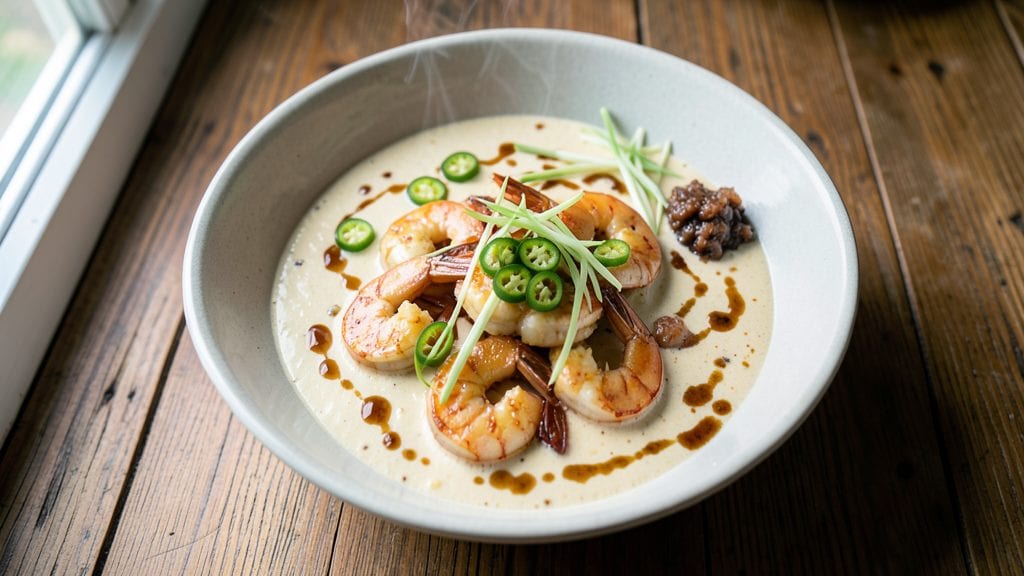
Filipino cuisine delivers one of its most comforting dishes in ginataang shrimp, where tender shrimp swim in a velvety coconut milk sauce infused with aromatic spices. This recipe captures the rich, slightly sweet-savory balance that makes it a Filipino home staple and restaurant favorite alike.
The key lies in simmering the shrimp gently in coconut milk until they absorb the fragrant flavors without overcooking.
The process begins with sautéing garlic, ginger, and shrimp paste to build depth, then blending it with coconut milk and a touch of fish sauce for umami. Simmering at 300°F ensures the shrimp stay perfectly tender while the sauce thickens into a luscious, caramelized consistency.
This method transforms simple ingredients into a dish that feels both rustic and refined.
What you’ll achieve is a dish where every bite delivers tender shrimp enveloped in a sauce that’s rich, slightly sweet, and perfectly balanced with saltiness. The coconut milk creates a velvety texture that coats the shrimp, while the aromatics infuse every spoonful with warmth.
This recipe is a masterclass in how coconut milk can elevate a simple protein into something extraordinary.
Serve this ginataang shrimp over steamed white rice to soak up the sauce, or pair it with a simple side salad for contrast. The dish’s versatility makes it ideal for weeknight dinners or special occasions—just be prepared for leftovers that disappear just as quickly as the first helping.
Ingredients for ginataang shrimp
Coconut milk, shrimp, and aromatic spices create this velvety Filipino comfort dish.
| Ingredient | Amount | Notes |
|---|---|---|
| Large Shrimp (Peeled & Deveined) 🦐 | 1 ½ lb | Frozen or fresh, tails on/off |
| Coconut Milk (Full-Fat, Canned) 🥥 | 2 cans | 13.5 oz cans preferred |
| Garlic Cloves 🧄 | 6 cloves | Freshly minced, aromatic |
| Fresh Ginger 🌿 | 2 tbsp | Finely grated, pungent |
| Bagoong (Shrimp Paste) 🦐 | 2 tbsp | Filipino brand preferred |
| Fish Sauce 🍶 | 2 tbsp | High-quality, umami-rich |
| White Sugar 🍚 | 2 tbsp | Granulated, caramelizes sauce |
| White Pepper 🌶️ | ½ tsp | Freshly ground preferred |
| Bay Leaves 🌿 | 2 whole | For aromatic depth |
| Long-Grain White Rice 🍚 | 1 ½ cups | Uncooked, absorbs sauce |
| Vegetable Oil 🫒 | 2 tbsp | For sautéing aromatics |
| Salt 🧂 | ½ tsp | Fine sea salt preferred |
| Lime Juice 🍋 | 1 tbsp | Freshly squeezed, brightens |
The shrimp quality determines success—opt for frozen wild-caught if fresh isn't available, as it maintains tenderness better. Bagoong is non-negotiable for authentic umami; Sasa brand is widely trusted. For coconut milk, Thai Kitchen or Chaokoh brands provide the richest texture. Ginger should be vibrant green, not dried—grate it fresh for maximum potency. The garlic cloves should be plump and free of sprouts, as they form the aromatic base.
No bagoong? Fish sauce blended with a pinch of sugar mimics its depth. Substitute dried shrimp paste at half the amount. White pepper can be replaced with black pepper at one-third the quantity. For sugar, coconut sugar adds caramel notes but regular white sugar works fine. If lime isn't available, lemon juice at half the amount provides similar brightness. The bay leaves can be omitted entirely without sacrificing flavor, though they add subtle earthiness.
Store cooked shrimp in the sauce for up to 4 days in the refrigerator, or freeze portions for 3 months. The rice should be cooked separately and served alongside. For best results, reheat gently on the stove with a splash of water to restore the sauce's velvety texture. The coconut milk can be pre-blended with aromatics for 1 hour ahead to deepen flavors, but don't let it sit too long or it will separate.
Why You'll Love This Recipe
- One-Pot Magic: Honestly, this dish is that kind of recipe—you toss everything in one pot, and suddenly dinner is done. The shrimp cook in under 15 minutes while the coconut milk simmers into that rich, velvety sauce. No fussing with multiple pans or endless prep.
- Umami Bomb: That bagoong? Game-changer. A tiny pinch at the end packs a salty, funky punch that makes the shrimp taste like they’ve been marinating for hours. The ginger and garlic just tie it all together—creamy, spicy, and just enough kick to make your taste buds dance.
- Budget Shrimp Win: Fresh shrimp can feel pricey, but this recipe makes every piece count. A can of coconut milk and a small bag of bagoong stretch far, and you’re left with a meal that’s ridiculously satisfying for the cost. My wallet—and my stomach—thanks me every time.
Step-by-step instructions for coconut curry shrimp
Here's the method for achieving perfectly tender shrimp in a velvety coconut curry sauce.
Prepare the Shrimp and Aromatics
Rinse the 1.5 lb large shrimp under cold water and pat them completely dry with paper towels. This ensures they'll sear properly rather than steam in the sauce. In a small bowl, combine the 6 cloves garlic cloves and the 2 tbsp fresh ginger. Use a knife to finely mince them - you want them almost pasty in texture for maximum flavor infusion.
In a separate bowl, create a paste using the 2 tbsp bagoong (shrimp paste) and 1 tbsp of the 2 cans coconut milk (full-fat, canned). This paste forms the flavor foundation of your curry. The shrimp paste will develop its distinctive aroma as it mixes - this is normal and essential for authentic flavor.
Build the Curry Base
Heat the 2 tbsp vegetable oil in a large pot over medium heat. Add the garlic-ginger mixture and sauté for 2-3 minutes until fragrant - you should smell that pungent garlic aroma wafting through your kitchen. Be careful not to let it brown, as this can make the flavors bitter.
Add the bagoong paste to the pot and stir continuously for 1 minute until it darkens slightly. This is where the magic happens - the shrimp paste releases its complex umami flavors. Immediately pour in the remaining 1 can coconut milk (full-fat, canned) and stir to combine. Add the 2 whole bay leaves and let the mixture simmer gently for 5 minutes to allow the flavors to meld.
Season and Simmer the Sauce
Add the 2 tbsp fish sauce, 2 tbsp white sugar, and 0.5 tsp salt to the pot. Stir well to distribute these seasonings evenly throughout the sauce. The sugar will help caramelize the flavors while balancing the saltiness of the fish sauce. Let the mixture simmer for 5 minutes to develop its rich, aromatic profile.
Taste the sauce at this point - it should be flavorful but not overly salty. If needed, adjust with additional fish sauce or sugar. Here's the thing - the shrimp will absorb some of these flavors as they cook, so balance is crucial. The sauce should be slightly thick but still pourable at this stage.
Cook the Shrimp to Tender Perfection
Add the 1.5 lb large shrimp to the pot in a single layer. Gently stir them to coat evenly with the sauce. Increase the heat to medium-high and bring the mixture to a gentle boil. Cook for 3-4 minutes until the shrimp turn opaque and curl slightly - this indicates they're cooked through but still tender.
Reduce the heat to low and let the shrimp simmer in the sauce for an additional 2 minutes. This final step ensures they absorb the coconut milk's richness without becoming rubbery. The shrimp should be plump and tender with a slight bounce when pressed - this is your perfect texture checkpoint.
Finish and Serve
Remove the pot from heat and stir in the 1 tbsp lime juice. This brightens the rich coconut flavors and adds a refreshing contrast. Taste and adjust seasoning if needed - you might want to add a pinch more salt or a splash of fish sauce to enhance the umami.
Serve the shrimp immediately over the 1.5 cups cooked long-grain white rice, spooning generous amounts of the coconut sauce over each serving. The shrimp should be tender with just a slight resistance when pierced, and the sauce should coat the back of a spoon with a velvety consistency. Each bite should deliver a perfect balance of coconut richness, shrimp sweetness, and aromatic depth.
Pro Tips For Making Ginataang Shrimp
- Sauté the Aromatics First: Don’t just dump garlic and ginger into the coconut milk—first, sear them in a little oil until they’re golden and fragrant. This builds depth instead of just dissolving into the broth. I used to skip this and wondered why my shrimp always tasted like coconut but not complex coconut.
- Use Low Heat After Adding Coconut Milk: Once you pour in the coconut milk, turn the heat to medium-low and let it simmer gently. High heat curdles the fat, leaving a greasy mess instead of a silky sauce. Trust me, I burned through three batches before realizing this.
- Toss Shrimp in Bagoong Before Cooking: Mix the shrimp with a spoonful of bagoong (or even just a pinch of salt) before adding them to the pot. This prevents them from sticking together and ensures they absorb the umami flavor evenly. No more clumps of shrimp hiding in the back of the pot.
- Finish with a Splash of Water: Right before serving, add ¼ cup of water to the pot and stir—this helps loosen any stuck-on bits and brightens the sauce. I’ve seen recipes skip this, but it’s the difference between a dish that feels finished and one that feels done.
Perfect pairings for ginataang shrimp
Filipino Rice Pairings
Serve this ginataang shrimp over steamed jasmine rice—the slightly sticky texture soaks up the coconut sauce beautifully. I always cook 1.5 cups uncooked long-grain white rice (about 3 cups cooked) to match the recipe's serving size.
For extra authenticity, try garlic rice—sauté 2 minced garlic cloves in butter before adding the rice to the pot. The nutty aroma complements the shrimp's sweetness perfectly. 🍚
Crunchy Vegetable Sides
Add fresh, crisp vegetables to balance the richness.
I recommend sliced cucumbers tossed with 1 tbsp rice vinegar, ½ tsp sugar, and a pinch of salt—the cool, refreshing bite cuts through the coconut sauce. Steamed bok choy with a sprinkle of toasted sesame seeds adds another layer of texture and earthy flavor.
For a tropical twist, serve mango slices on the side—their natural sweetness enhances the dish's overall harmony. 🥬
Spicy Dipping Sauces
No Filipino meal is complete without a dipping sauce! Prepare atchara (Filipino pickled vegetables) by mixing ½ cup shredded carrots, ½ cup cabbage, 1 tbsp vinegar, and 1 tsp sugar.
For heat lovers, blend 1 tbsp sriracha, 1 tbsp lime juice, and 1 tsp fish sauce into a quick spicy dipping sauce.
I also love a simple soy-vinegar dip—mix 2 tbsp soy sauce, 1 tbsp vinegar, and 1 tsp sugar for a salty-sweet contrast. 🌶️
Beverage Pairings
Cool drinks balance the richness of this dish. I love serving calamansi juice—this Filipino citrus blend is tart and refreshing, cutting through the coconut's creaminess. For a non-alcoholic option, try barley tea (tsokolate) or hibiscus tea (sampaguita).
If you prefer beer, a light Filipino lager like San Miguel or Red Horse complements the dish without overpowering it. For cocktails, a ginataang-inspired cocktail with coconut rum, lime, and a splash of ginger ale adds a fun twist. 🍹
Garnish for Presentation
Elevate your dish with simple garnishes. Fresh cilantro leaves or green onions add a pop of color and brightness. Toasted garlic chips (crisp fried garlic cloves) bring a savory crunch. For a luxurious touch, drizzle toasted coconut flakes over the top—this enhances the coconut flavors and adds visual appeal.
A squeeze of lime wedge on the side completes the presentation with a zesty finish. ✨
Nutrition facts
Frequently asked questions
Can I use frozen shrimp for this coconut curry?
Thaw the shrimp completely in the refrigerator overnight for best results. Pat them very dry before cooking to ensure they sear properly in the sauce. Frozen shrimp works perfectly in this dish—just avoid using pre-cooked or shelled shrimp, as they won't absorb the coconut flavors as well.
What makes this sauce different from other coconut-based dishes?
The key lies in the bagoong (shrimp paste) and the balance of sweet-savory flavors. Unlike Thai curries, this sauce uses fish sauce for umami and just a touch of sugar to caramelize naturally. The slow simmer at medium heat creates that signature velvety texture without curdling.
How do I prevent the sauce from splitting?
Never boil the coconut milk vigorously—keep heat at medium-low once the sauce thickens. Add the shrimp gently and cook them separately before combining. If it starts to separate, whisk in 1 tbsp cornstarch mixed with 2 tbsp water and simmer for 1 minute until smooth again.
Can I make this dish ahead of time?
Yes! The sauce actually improves overnight. Cook the shrimp and sauce completely, then refrigerate for up to 3 days. Reheat gently on the stove with a splash of water to restore creaminess. For best texture, serve with freshly steamed rice.
What if I don't have bagoong?
Blend 1 tbsp fish sauce with ½ tsp sugar and 1 tsp soy sauce as a substitute. For deeper flavor, add ½ tsp shrimp powder if available. The dish will still be delicious but won't have the same authentic umami depth.