
Salads
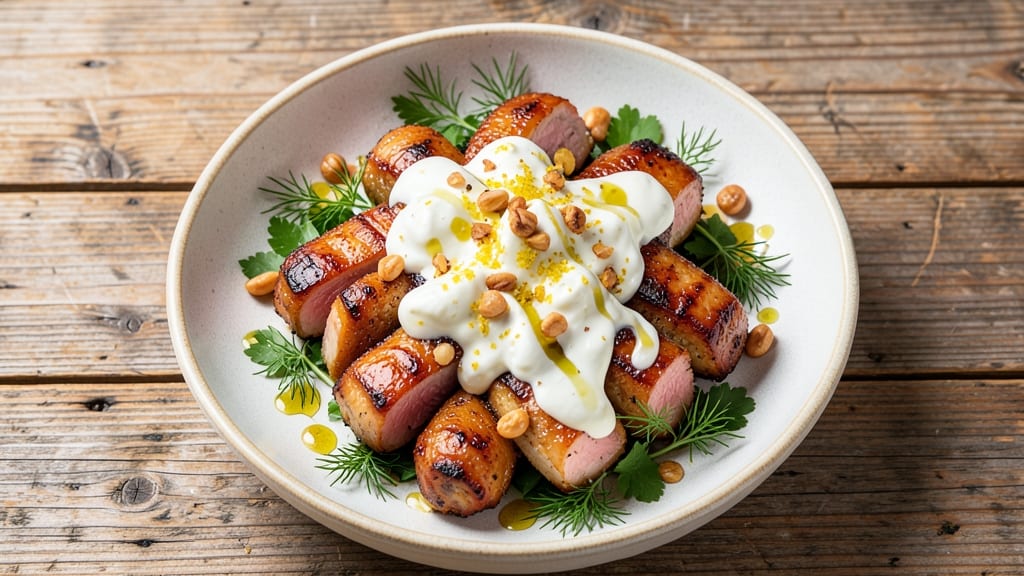
This gizzard salad recipe transforms humble poultry into a sophisticated dish that balances tender protein with bright, creamy elements—perfect for elevating weeknight suppers. My grandmother used to prepare something similar, though her method relied more on intuition than precise measurements, a lesson I’ve since refined into a reliable technique.
The key lies in properly preparing the gizzards—whether poached or grilled—to ensure they’re tender yet still hold their shape when sliced.
The salad itself is a study in contrast: tender gizzard bites paired with crisp vegetables, fresh herbs, and a cool yogurt dressing that adds a tangy zing.
Unlike traditional gizzard dishes that can feel heavy, this version stays light and refreshing, making it ideal for warm weather or as a hearty side. The dressing, a blend of yogurt, lemon, and herbs, cuts through the richness of the gizzards while keeping everything cohesive.
What you’ll end up with is a dish that’s equal parts comforting and elegant—golden-brown gizzard slices arranged over a bed of greens, drizzled with the creamy dressing and finished with a sprinkle of fresh herbs.
It’s the kind of meal that feels special without requiring hours in the kitchen, and the flavors only deepen as it sits, allowing the dressing to meld with the gizzards. Ready to bring this dish to your table?
This recipe works equally well as a main course or a side, and the components can be prepped ahead, making it a practical choice for meal planning. Whether you’re serving it at a family gathering or enjoying it solo, the combination of textures and flavors ensures every bite is satisfying.
Let’s get started on creating this dish step by step.
Ingredients for gizzard salad
Tender gizzards meet bright herbs and creamy yogurt for a dish that feels elegant yet effortless.
| Ingredient | Amount | Notes |
|---|---|---|
| Chicken Gizzards 🍗 | 1 ½ lb | Fresh, cleaned, trimmed of fat |
| Plain Greek Yogurt 🥛 | 1 cup | Full-fat for creaminess |
| Lemon Juice 🍋 | ¼ cup | Freshly squeezed |
| Fresh Dill 🌿 | ¼ cup | Chopped, stems removed |
| Fresh Parsley 🌿 | ¼ cup | Chopped, stems removed |
| Garlic Cloves 🧄 | 4 cloves | Minced, fresh preferred |
| Extra-Virgin Olive Oil 🫒 | ½ cup | For cooking gizzards |
| Red Wine Vinegar 🍷 | 2 tbsp | For poaching liquid |
| Arugula 🌱 | 4 cups | Baby leaves preferred |
| Cherry Tomatoes 🍅 | 1 cup | Halved, seedless |
| Red Onion 🧅 | ½ whole | Thinly sliced |
| Salt 🧂 | 1 ½ tsp | Kosher or sea salt |
| Black Pepper 🌶️ | ½ tsp | Freshly ground |
| Honey 🍯 | 1 tbsp | For glaze (optional) |
The gizzards are the heart of this dish, so freshness and proper preparation are key. Look for gizzards that are plump and firm, with a pale pink color—avoid any that feel slimy or have an off odor. Local butchers or specialty poultry counters often carry the freshest cuts. If you can't find them fresh, frozen gizzards work fine, but thaw them thoroughly in the fridge before using. The extra-virgin olive oil should have a peppery finish, not a bland taste—California olive oils tend to have this profile. For the yogurt, Fage or Chobani full-fat are reliable choices that won't curdle when mixed with lemon.
No fresh dill or parsley? Dried herbs at half the amount will work in a pinch, though the flavor won't be as vibrant. Substituting red wine vinegar? Apple cider vinegar works well, though it'll have a slightly sweeter note. The arugula can be swapped for baby spinach or mixed greens if that's what you have on hand. For the gizzards, if you're short on time, quick-poaching in broth instead of wine still yields tender results. The honey glaze is optional but adds a beautiful finish—local raw honey has the most complex flavor.
Prep the gizzards a day ahead if possible—they taste even better after resting. Store the raw gizzards in the coldest part of your fridge until ready to use, and keep the yogurt dressing in an airtight container for up to 3 days. The cooked gizzard slices can be refrigerated for 2 days before serving. For meal prep, assemble the salad just before serving to keep the greens crisp. The dressing keeps well, so you can make extra for other dishes.
Why You'll Love This Recipe
- No-Fuss Protein Pack: I swear by this when I’m too tired to fuss—just boil the gizzards, slice them up, and toss with the yogurt. The lemon brightens everything up while I’m still scrolling through my phone, and the herbs add zero effort but maximum flavor.
- Tangy-Creamy Magic: That Greek yogurt dressing? It’s the star. The lemon cuts through the richness of the gizzards while the dill and parsley give it this fresh, herby punch—like a lighter, brighter take on tzatziki. Honestly, the first bite makes me want to eat it straight from the bowl.
- Lunchbox Legend: Between us, this is my go-to for packed lunches or potlucks. It holds up for days in the fridge (yes, even the gizzards stay tender), and I’ve served it at picnics, office parties, and lazy Sundays. Add some crusty bread, and suddenly you’ve got a meal that feels fancy but costs next to nothing.
- Budget Meal Hero: Gizzards are cheap, and this recipe stretches them far. A single bag feeds my family for three lunches, and the yogurt-lemon dressing uses pantry staples. I’ll be real: it’s not the prettiest dish, but it’s the kind of thing that makes me proud I’m feeding my family well without breaking the bank.
Step-by-step instructions for herb-kissed gizzard salad
Transform tender gizzards into a creamy, herb-infused salad with this straightforward method.
Prepare and Cook the Chicken Gizzards
Begin by thoroughly cleaning the 1.5 lb chicken gizzards under cold water, then pat them completely dry with paper towels. Trim any excess fat or connective tissue, as this ensures tender bites. In a large skillet, heat 0.5 cup extra-virgin olive oil over medium-high heat until shimmering. Add the gizzards in a single layer and cook for 8-10 minutes per side, until they develop a golden-brown crust and register 165°F internally. I press down gently on the gizzards during the first minute—this prevents them from curling and ensures even contact with the pan.
Once cooked, transfer the gizzards to a cutting board and let them rest for 5 minutes. This resting period allows the juices to redistribute, keeping the meat moist when sliced. Using a sharp knife, cut the gizzards into ½-inch thick bite-sized pieces. Set aside for the next step.
Create the Creamy Yogurt Dressing
In a medium bowl, combine 1 cup plain Greek yogurt, 0.25 cup lemon juice, 0.25 cup chopped fresh dill, and 0.25 cup chopped fresh parsley. Add 4 minced garlic cloves, 1.5 tsp salt, and 0.5 tsp black pepper, then whisk until fully integrated. The mixture should be smooth and slightly thick—this is your base for the creamy dressing. If the consistency feels too thick, add 1-2 tablespoons of water to reach a pourable but still rich texture.
Next, stir in 2 tbsp red wine vinegar and 1 tbsp honey for a touch of brightness and subtle sweetness. Taste and adjust seasoning if needed—this dressing should balance tangy, herby, and slightly sweet notes. Cover the bowl and refrigerate while you prepare the remaining salad components. The flavors will meld beautifully during this time.
Assemble the Salad Base
In a large mixing bowl, combine 4 cups arugula, 1 cup halved cherry tomatoes, and 0.5 thinly sliced red onion. Gently toss the greens with 2 tbsp extra-virgin olive oil to lightly coat the leaves. The arugula should look vibrant and slightly glossy—this indicates even distribution of the oil. Avoid over-tossing, as arugula wilts quickly and loses its crisp texture.
Add the cooked gizzard pieces to the bowl and toss again, ensuring each bite is evenly distributed among the greens. The gizzards should feel warm to the touch, which helps infuse their savory flavors into the fresh salad base. Sprinkle the reserved dressing over the salad and toss gently to combine. The creamy yogurt will begin to coat the gizzards and greens, creating a luscious texture.
Serve Immediately for Maximum Freshness
Divide the salad into 4 serving bowls, ensuring each portion contains an equal distribution of gizzards, greens, and dressing. Garnish each serving with an additional sprinkle of chopped fresh dill and parsley for a pop of color and freshness. Serve immediately while the gizzards are still warm, as this enhances their tenderness and allows the creamy dressing to cling beautifully to each bite.
For an extra touch, drizzle a light stream of extra-virgin olive oil over the top just before serving. This adds a final layer of richness and ensures the salad remains vibrant and appetizing. Enjoy the contrast of creamy, herby dressing with the tender, savory gizzards and crisp greens—this dish delivers a satisfying balance of textures and flavors.
Pro Tips For Making Gizzard Salad
- Trim the Gizzards: Scrape off the membrane and fat before cooking—it’s the only way to get that clean, bright flavor. I learned this the hard way when a batch tasted bitter and gamey; now I spend 10 minutes prepping instead of regretting it later.
- Boil Until Fork-Tender: Don’t rush the cooking—simmer the gizzards in salted water for 25-30 minutes until they’re so tender they fall apart. Overcooking turns them rubbery, and undercooking leaves you chewing for minutes.
- Strain the Yogurt: Thick Greek yogurt can make the dressing clumpy—strain it through a fine-mesh sieve before mixing. It’s a 30-second fix that keeps the salad silky, not lumpy.
- Pulse the Herbs: Finely chop the dill and parsley, then pulse them briefly in a food processor for a brighter, more even distribution. Hand-chopping works, but this saves time and ensures every bite has freshness.
Essential equipment for great gizzard salad
Skillet Essentials
Start with a 12-inch cast-iron skillet—it’s my go-to for gizzards because it retains heat beautifully and creates that perfect crust. I use my Lodge Pre-Seasoned Cast Iron (it’s a kitchen staple that lasts forever).
Heat it over medium-high heat until shimmering hot, then add the gizzards in a single layer. If you don’t have cast iron, a stainless steel skillet works too, but watch the heat—it conducts differently. 🔥
Knife Prep Tools
A sharp chef’s knife (I love the Victorinox 8-inch) is non-negotiable for slicing gizzards into even pieces. The key is to cut against the grain for tender bites. For mincing garlic and herbs, a microplane or garlic press saves time—no need to chop every clove individually.
I keep a small cutting board (like the OXO Good Grips) nearby to avoid clutter while prepping.
Mixing Bowls
Use a large mixing bowl (at least 8-inch diameter) for tossing the salad base—it gives you room to combine greens, gizzards, and dressing without overcrowding. I prefer glass bowls (like Pyrex) because they’re easy to clean and don’t absorb odors.
For the yogurt dressing, a medium bowl (about 6-inch diameter) is perfect for whisking ingredients smoothly. A whisk (like the OXO Good Grips) ensures no lumps in the dressing.
Measuring Tools
Precision matters with dressings! A liquid measuring cup (for yogurt and vinegar) and a small kitchen scale (like the OXO Good Grips) help nail exact measurements. For herbs, a pair of kitchen shears trims stems faster than a knife.
I also keep a small spoon (like the spork from my grandmother’s set) for tasting the dressing as I go—it’s the only way to adjust seasoning perfectly. ✨
Optional Extras
For the honey glaze, a small saucepan (to warm the honey) and a pastry brush (for even application) add a restaurant-worthy finish. If you’re serving this at a gathering, individual salad bowls (like stoneware from Le Creuset) make plating effortless.
And don’t skip the tongs—they’re perfect for tossing the salad without crushing the greens. 💫
Nutrition facts
Frequently asked questions
What's the secret to making gizzards tender?
Never skip the resting time after cooking! Let gizzards rest for 5 minutes before slicing to redistribute juices. Also, cook them over medium-high heat until golden brown (165°F internally) and avoid overcrowding the pan—this ensures even cooking. Pressing them gently with a spatula during the first minute prevents curling.
Can I use frozen gizzards instead of fresh?
Thaw frozen gizzards in the fridge overnight for best results. Pat them completely dry before cooking to get that perfect crust. Just avoid thawing at room temperature—it promotes bacterial growth. The texture will be just as tender when cooked properly.
How do I adjust the dressing for spicier or milder flavors?
For extra heat, add ½ tsp cayenne pepper or 1 tsp hot sauce to the yogurt mixture. For milder flavor, reduce the garlic to 2 cloves and omit the red wine vinegar. Always taste before serving—this dressing is highly customizable! The key is balancing the yogurt's creaminess with the acidity.
What greens work best with this salad?
Arugula is ideal for its peppery bite, but baby spinach, mixed greens, or romaine all work well. For a heartier version, add ½ cup cooked quinoa or toasted walnuts. Just avoid iceberg—it lacks flavor and texture contrast. The greens should complement, not overpower, the gizzards.
Can I make this ahead of time?
Prep the dressing and chop all veggies the night before, but wait to cook the gizzards until serving. Assemble the salad just before eating to keep the greens crisp. The gizzards stay tender for 2 days refrigerated if stored separately. The dressing keeps for 3 days in an airtight container.