
Side Dishes
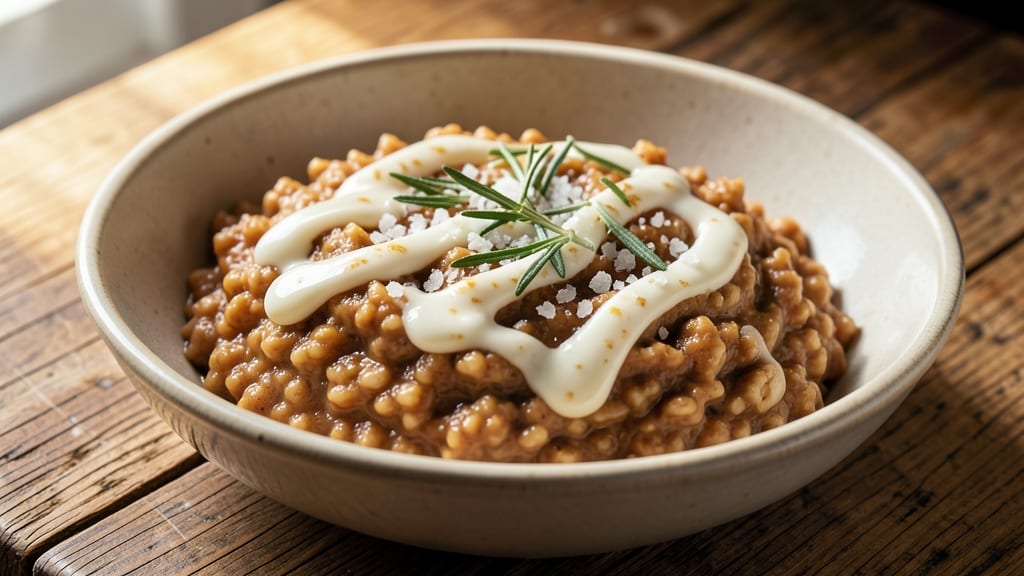
This goat cheese grits recipe transforms a classic Southern staple into something unexpectedly sophisticated—where velvety stone-ground grits meet the bright tang of creamy goat cheese for a dish that's both comforting and refined.
The secret lies in slow-cooking the grits to achieve that signature creamy texture while incorporating the cheese at just the right moment to preserve its delicate flavor without curdling.
I developed this version after years of experimenting with ways to elevate grits beyond the basic butter-and-cheddar routine, and the goat cheese makes all the difference.
The process is straightforward but requires patience—15 minutes of active cooking followed by a 10-minute rest to let the grits thicken properly. You'll need just 6 simple ingredients (plus optional garnishes) to create a dish that's rich, tangy, and perfectly balanced.
The goat cheese adds a subtle acidity that cuts through the richness, while a touch of cream ensures the texture remains silky smooth. This isn't just a side dish; it's a restaurant-quality experience you can serve alongside grilled meats, roasted vegetables, or even as a hearty breakfast.
What you'll end up with is a bowl of golden, creamy grits topped with a swirl of melted goat cheese, its surface dotted with crispy bacon bits or fresh herbs for contrast. The aroma alone—warm, buttery, with that unmistakable tang—will have everyone reaching for seconds.
It's the kind of dish that feels indulgent yet remains light enough to enjoy as a main course when paired with a simple salad. The best part? It's foolproof once you master the timing, and the leftovers reheat beautifully for lazy weeknight dinners.
For extra depth, consider adding a pinch of chili flakes or smoked paprika to the cheese mixture, or stir in a spoonful of caramelized onions for sweetness. Serve with a drizzle of honey or a sprinkle of toasted nuts for crunch.
Whether you're hosting a dinner party or simply craving something comforting, this recipe delivers Southern hospitality with a gourmet twist. Let's get started on creating your perfect bowl.
Ingredients for goat cheese grits
Six core ingredients plus optional garnishes transform grits into a gourmet Southern masterpiece.
| Ingredient | Amount | Notes |
|---|---|---|
| Stone-Ground Grits 🍚 | 1 cup | Dry, coarse grind preferred |
| Whole Milk 🥛 | 4 cups | Full-fat for creaminess |
| Unsalted Butter 🧈 | 4 tbsp | Cold, cut into small cubes |
| Goat Cheese 🧀 | 8 oz | Soft, creamy variety (like Chavroux) |
| Heavy Cream 🥛 | ½ cup | Full-fat for richness |
| Diamond Crystal Kosher Salt 🧂 | 1 ½ tsp | Adjust to taste |
| Freshly Ground Black Pepper 🌶️ | ½ tsp | Freshly cracked preferred |
| Fresh Chives 🌿 | 2 tbsp | Chopped, for garnish (optional) |
| Crispy Bacon Bits 🥓 | ¼ cup | Store-bought or homemade (optional) |
The grits are the foundation—stone-ground makes all the difference for that signature creamy texture. Bob's Red Mill or Whole Foods carry the best quality, but any stone-ground grits will work. Goat cheese should be soft and spreadable (think Chavroux or La Tourangelle—avoid the crumbly kind). Freshly cracked black pepper adds depth, while the heavy cream ensures that silky finish. If you're using store-bought bacon bits, check the label—some brands add sugar or preservatives that can overpower the delicate goat cheese flavor.
No heavy cream? Half-and-half works in a pinch, but the texture won't be quite as luxurious. Substitute goat cheese with creamy ricotta at half the amount if needed, though the tang will be milder. For extra richness, stir in 1 tbsp sour cream at the end. The grits can be made ahead and reheated with a splash of milk—just don't skip the butter when reheating. And if you're feeling fancy, swap the chives for fresh dill or microgreens for a pop of color.
This reheats beautifully—just add a splash of milk and a pat of butter to restore creaminess. Keeps 4-5 days in the fridge, though I recommend making it fresh for the best texture. For meal prep, portion into containers and store the bacon bits separately to keep them crispy. The grits can also be frozen for up to 3 months, though the texture may be slightly grainier after thawing. Always let them sit covered for 10 minutes after cooking to thicken properly—don't rush this step!
Why You'll Love This Recipe
- Five-Ingredient Magic: I swear, the pantry staples here—stone-ground grits, whole milk, butter—are all you really need. The goat cheese and heavy cream just take it from "okay breakfast" to "why haven’t I been doing this every weekend?"
- Creamy Tang Perfection: That first bite of grits, rich and velvety, with the bright tang of goat cheese cutting through? It’s like a hug for your taste buds. Honestly, the butter and cream make it feel indulgent, but the goat cheese keeps it light—no heavy aftertaste.
- Weeknight to Weekend: Make a big batch on Sunday, and you’ve got breakfast, brunch, or even a fancy dinner side covered. My kids ask for it after school snacks, and my partner sneaks seconds when I’m not looking. (Yes, even on a Tuesday night.)
- Leftovers That Beg: This stuff reheats like a dream—just a splash of milk to loosen it up, and it’s just as good the next day. Between us, I’ve microwaved cold leftovers straight from the fridge, and no one’s ever complained. That’s a win.
Step-by-step instructions for goat cheese grits
This rich, velvety grits recipe delivers that perfect Southern comfort with a tangy goat cheese twist.
Toast the Stone-Ground Grits for Depth of Flavor
In a heavy-bottomed pot, melt 2 tablespoons of the unsalted butter over medium heat. Add the 1 cup stone-ground grits and stir constantly for 2-3 minutes until the grits turn a pale golden color and release a nutty aroma. This toasting step develops those toasty notes that form the grits' flavor foundation.
Here's the thing—don't walk away. The grits burn easily, and once they darken, that flavor turns bitter. You'll know you've done it right when the grits look like fine cornmeal and smell toasty, almost like popcorn. Keep a close eye on them during this critical stage.
Slowly Incorporate the Whole Milk for Creamy Texture
Gradually whisk in the 4 cups whole milk one ladle at a time, stirring vigorously after each addition to prevent lumps from forming. Return the heat to medium-low and bring the mixture to a gentle simmer. This gradual incorporation creates a silky texture that separates grits from porridge-like consistency.
Real talk: I've found that using full-fat milk is crucial for that authentic Southern creaminess. As the grits cook, stir occasionally with a wooden spoon, breaking up any clumps that form. You're aiming for a thick, velvety consistency that coats the back of a spoon—this should take about 15-18 minutes of gentle simmering.
Finish with Butter, Cream and Seasonings
When the grits reach a thick, creamy texture and pull away slightly from the sides of the pot, remove from heat. Stir in the remaining 2 tablespoons unsalted butter and the 0.5 cup heavy cream. This addition elevates the dish from comforting to luxurious, creating that signature rich mouthfeel.
Now for the seasonings: Add the 1.5 teaspoons diamond crystal kosher salt and 0.5 teaspoon freshly ground black pepper. Give it one final stir, then taste and adjust the seasoning if needed. The goat cheese will add its own tangy depth, but you want to make sure the grits have a solid flavor foundation before adding it.
Fold in the Goat Cheese for Tangy Richness
Reduce heat to low and gently fold in the 8 oz goat cheese using a rubber spatula. Work quickly but carefully to maintain that creamy texture while incorporating the cheese completely. The goat cheese should melt smoothly into the grits, creating pockets of tangy richness throughout.
I like to press the goat cheese against the sides of the pot with the spatula to ensure it melts evenly. This is where the grits transform from simple comfort food to something truly special. The cheese should be fully incorporated and the mixture should be smooth and velvety—no visible cheese chunks should remain.
Garnish and Serve Immediately
Transfer the grits to serving bowls and immediately top with the 0.25 cup crispy bacon bits and 2 tablespoons chopped fresh chives. The bacon adds a smoky crunch that contrasts beautifully with the creamy grits, while the chives bring a fresh, bright note that cuts through the richness.
Serve while the grits are hot—this dish doesn't wait. The combination of creamy grits, tangy goat cheese, smoky bacon, and fresh chives creates a perfect balance of textures and flavors that will have everyone asking for seconds. The crispy bacon bits should be scattered generously on top, and the chives should be sprinkled evenly for both visual appeal and flavor distribution.
Pro Tips For Making Goat Cheese Grits
- Boil First, Simmer Second: Stone-ground grits need a fast, rolling boil for the first 3 minutes to break them down—after that, drop to a low simmer. I used to let them simmer too long from the start, and they’d turn gummy instead of creamy. Keep an eye on it; the milk should barely bubble, not roar.
- Crumble the Goat Cheese: Skip the fancy crumbles—just tear the goat cheese into rough chunks before folding it in. The texture stays rustic, and it melts more evenly than pre-shredded cheese, which can clump. (Yes, even if you’re impatient like me.)
- Salt the Milk: Add a pinch of salt to the warm milk before mixing it with the grits—it seasons the whole dish better than tossing salt in at the end. Trust me, the grits absorb flavor like a sponge, and you’ll taste the difference.
- Finish with Cold Butter: Stir in the unsalted butter off the heat for the last 30 seconds—it coats the grits without breaking them down further. I learned this the hard way after making them gloppy by adding butter too early. Let it sit for 2 minutes before serving.
Essential equipment for great goat cheese grits
Heavy-Bottomed Pot
Your grits need a pot with substance—a 5-quart enameled cast iron Dutch oven or stainless steel saucepan with thick walls is ideal. I swear by my All-Clad stainless steel pot because it distributes heat evenly and prevents scorching.
Avoid thin aluminum pots—they heat unevenly and can cause grits to burn at the edges while staying raw in the center. If you're on a budget, a Lodge enameled cast iron works perfectly for its durability and heat retention. 🍳
Wooden Spoon
A long-handled wooden spoon is non-negotiable for stirring grits—it prevents scorching and helps break up lumps as you cook. I prefer olive wood or maple because they're gentle on the pot and resistant to heat.
Avoid metal spoons, which can scratch the enameled coating on Dutch ovens or react with acidic ingredients. For extra comfort, look for a spoon with a sturdy, ergonomic handle like the OXO Good Grips line. The right spoon makes all the difference in achieving that silky texture.
Fine-Mesh Strainer
If you're making grits ahead of time or reheating leftovers, a fine-mesh strainer helps drain excess liquid for a thicker consistency. I use a stainless steel mesh strainer (like the OXO Good Grips) to rinse cooked grits before reheating—this removes any excess starch that can make them gummy.
For extra insurance, place a clean kitchen towel underneath to catch any drips. This step is especially useful if you're prepping grits for meal prep or freezing.
Rubber Spatula
When it comes time to fold in the goat cheese, a heat-resistant silicone spatula is your best friend. I reach for a OXO Good Grips silicone spatula because it won’t melt or warp, and its flexible edge helps scrape every last bit of cheese from the pot.
The rubberized surface also prevents the cheese from sticking, ensuring a smooth, lump-free finish. Avoid metal spatulas—they can overheat and cause the cheese to separate or curdle.
Kitchen Scale
For precise measurements, especially with the goat cheese, a digital kitchen scale (like the OXO Good Grips) takes the guesswork out of portioning. Goat cheese varies in density, so weighing it ensures you get the exact 8 oz needed for the perfect tangy richness.
If you don’t have a scale, use a small ramekin as a reference—most 8-oz portions fit neatly into a standard 6-oz ramekin with a little room to spare. Accuracy here makes all the difference in balancing flavors.
Optional: Immersion Blender
For an ultra-smooth texture, an immersion blender (like the Ninja Foodi) can help break up any stubborn grits lumps after cooking. Pulse briefly at the end for a velvety finish, but use it sparingly—over-blending can turn grits into a gluey mess.
I only use this if I notice a few thick spots after stirring. It’s a great tool for large batches or when serving to a crowd where texture consistency matters. 💡
Nutrition facts
Frequently asked questions
Why does goat cheese work so well with grits?
The tangy, creamy texture of goat cheese perfectly balances the rich, buttery flavor of grits. The acidity cuts through the heaviness, while its meltability creates pockets of flavor throughout. This combo transforms simple grits into a sophisticated dish that feels luxurious yet comforting—ideal for breakfast or a light dinner.
Can I make these grits ahead of time?
Yes! Cooked grits reheat beautifully—just add a splash of milk and a pat of butter to restore creaminess. Store them covered in the fridge for up to 5 days, or freeze for 3 months. For best results, let them rest 10 minutes after cooking to thicken properly before storing.
What if my grits turn out too thick or too thin?
Too thick? Add 2-3 tablespoons warm milk while stirring. Too thin? Simmer uncovered for 2-3 minutes longer to evaporate excess liquid. Always taste and adjust—grits should coat the back of a spoon but still be smooth, not gluey.
Can I substitute goat cheese with another cheese?
You can! For a milder tang, use creamy ricotta (halve the amount) or feta cheese (drained well). Avoid hard cheeses like cheddar—they won’t melt smoothly. The goat cheese’s acidity is key to balancing the richness, so stick close to it if possible.
What’s the best way to serve goat cheese grits?
These grits shine as a hearty breakfast or light dinner. Pair them with grilled chicken, smoked sausage, or roasted vegetables for a balanced meal. Top with crispy bacon, fresh herbs, or a drizzle of honey for extra flavor. They’re also perfect with a crisp white wine or iced tea.