
Main Courses
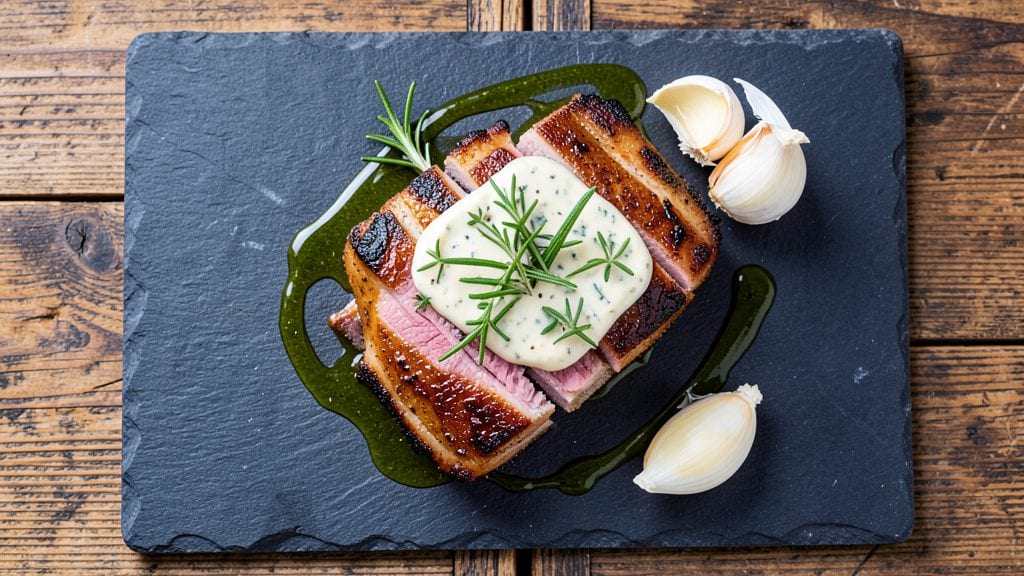
This goat tenderloin recipe delivers melt-in-your-mouth tenderness with a crisp herb crust—perfect for special occasions or weeknight dinners when you want restaurant-quality results at home.
After years of experimenting with different cuts and techniques, I’ve perfected a method that ensures juicy pink hearts every time, thanks to precise timing and a flavorful crust that seals in moisture.
The secret lies in letting the meat rest before cooking, which prevents overcrowding the pan and guarantees that perfect balance of sear and tenderness.
What sets this recipe apart is the simple yet effective herb crust, made with just a few fresh ingredients that transform ordinary goat into something extraordinary.
Unlike other recipes that rely on lengthy marinades or complicated techniques, this method focuses on high-heat searing and proper resting—both critical for achieving that tender, juicy texture without drying out the meat.
The crust adds an aromatic layer of flavor that complements the natural richness of the goat, making it a standout centerpiece for any table.
By the time you serve this dish, your guests will be impressed by the perfectly seared exterior and the succulent pink center—a testament to the care taken in preparation.
The recipe is designed to be approachable yet professional, ensuring even home cooks can achieve results that rival those of high-end restaurants. Whether you’re grilling, pan-searing, or roasting, the key steps remain the same: patience, precision, and a little love for the details.
Pair this goat tenderloin with roasted root vegetables, a bright citrus salad, or a simple pilaf to round out the meal. The versatility of this dish makes it ideal for everything from intimate dinners to larger gatherings, where the rich, savory flavor will be the star.
Ready to elevate your cooking game? Let’s get started with this foolproof technique.
Ingredients for goat tenderloin
This goat tenderloin recipe transforms simple ingredients into restaurant-quality perfection with a crisp herb crust and juicy pink center.
| Ingredient | Amount | Notes |
|---|---|---|
| Goat Tenderloin 🐐 | 1 ½ lb | Trimmed of excess fat, rested at room temperature |
| Fresh Rosemary 🌿 | ¼ cup | Chopped finely, stems removed |
| Fresh Thyme 🌿 | ¼ cup | Leaves only, stems discarded |
| Garlic Cloves 🧄 | 6 cloves | Peeled and finely minced |
| Extra-Virgin Olive Oil 🫒 | ¼ cup | High-quality, fruity variety |
| Diamond Crystal Kosher Salt 🧂 | 1 ½ tsp | For seasoning and crust |
| Freshly Ground Black Pepper 🌶️ | 1 tsp | Coarsely ground for texture |
| Unsalted Butter 🧈 | 2 tbsp | Cold, cubed for crust |
| Red Wine Vinegar 🍷 | 1 tbsp | For deglazing pan |
| Fresh Lemon Juice 🍋 | 1 tbsp | Brightens the herb crust |
| Fresh Parsley 🌿 | ⅛ cup | Chopped for garnish |
The goat tenderloin is the star, so prioritize quality—look for cuts with even marbling and a vibrant pink hue at Whole Foods Market or specialty butchers. The herb crust relies on freshness, so source rosemary and thyme from the produce section (avoid wilting stems) or grow your own for maximum aroma. Garlic should be firm and odorless, with no sprouting cloves. For the olive oil, California avocado oil works equally well if you prefer a neutral base. The butter must be cold for the crust to adhere properly—remove it from the fridge only when ready to coat the meat.
No fresh rosemary? Dried rosemary at one-third the amount works in a pinch, though fresh delivers superior texture and fragrance. Substitute thyme with fresh oregano if needed, but reduce to half the quantity. For vinegar, balsamic vinegar adds depth, though red wine vinegar remains the classic choice. The butter can be swapped for unsalted ghee if you prefer a dairy-free option. If your goat tenderloin is particularly lean, add an extra tablespoon of olive oil to the crust for moisture. Always season the meat generously before searing—Diamond Crystal kosher salt dissolves cleanly for even flavor distribution.
Store the goat tenderloin in its original packaging in the coldest part of your fridge until ready to use, ideally within 2 days of purchase. Fresh herbs should be wrapped in damp paper towels and sealed in a plastic bag for up to 5 days. The herb crust mixture can be prepped 1 hour ahead and refrigerated, though the butter should remain cold. Leftover cooked goat tenderloin reheats beautifully in a 350°F oven for 10-12 minutes, covered with foil to retain moisture. For optimal presentation, slice against the grain into 1/2-inch thick medallions before serving.
Why You'll Love This Recipe
- Two-Ingredient Magic: I swear by this combo—just olive oil, garlic, and those fresh herbs. No fancy marinades or last-minute shopping. The rosemary and thyme cling to the meat like a hug, and honestly? That’s all you need for something that tastes like you spent hours.
- Crispy-Creamy Payoff: The outside gets that golden, caramelized crust while the inside stays tender enough to melt. Between us, that’s the holy grail of grilled meats—no more dry, overcooked goat. The garlic’s bite cuts through the richness, and the herbs? They make it sing.
- Weeknight to Dinner Party: Same recipe, different vibes. Toss it on the grill for a lazy summer night or dress it up with a red wine reduction for guests. My daughter’s friends have no idea it’s not a fancy restaurant dish—she just calls it “that fancy meat” and steals seconds.
- Leftovers That Don’t Suck: Most proteins turn sad after reheating, but not this. Slice the cooked tenderloin thin, toss it in a salad the next day, or pack it for lunch—still juicy, still packed with flavor. I’ve even thrown it into a grain bowl with roasted veggies, and no one bats an eye.
Step-by-step instructions for herb-crusted goat tenderloin
Master this technique and you'll achieve perfectly tender, juicy goat tenderloin with a fragrant herb crust every time.
Prepare the Herb Crust Mixture
In a small mixing bowl, combine the finely chopped fresh rosemary and fresh thyme leaves. Add the minced garlic cloves and mix until fully incorporated. In a separate shallow dish, create a well by placing the cold cubed unsalted butter in the center. Pour the extra-virgin olive oil around the butter to create a loose paste.
This herb butter mixture forms the foundation of our crust. The butter will render during searing, creating a flavorful crust while the herbs infuse their aromatic oils. I like to use cold butter because it melts gradually during cooking, ensuring even distribution of flavors without burning. Keep this mixture at room temperature until ready to use.
Season and Coat the Goat Tenderloin
Pat the goat tenderloin dry with paper towels—this is critical for achieving a good sear. Season all sides generously with the diamond crystal kosher salt and freshly ground black pepper. Using your hands, gently press the herb butter mixture onto all sides of the tenderloin, ensuring complete coverage.
The salt will draw out surface moisture, allowing for better crust formation. Don't be shy with the seasoning—goat meat benefits from aggressive salting to develop its natural flavors. The herb butter will adhere better if the meat is slightly tacky from the salt. Let the seasoned tenderloin rest at room temperature for 15 minutes before cooking to ensure even cooking throughout.
Sear the Tenderloin to Perfect Doneness
Heat a heavy skillet over medium-high heat until it's just smoking hot. Add the seasoned goat tenderloin and sear on all sides for 2-3 minutes per side, pressing down gently with a meat mallet or spatula during the first minute to ensure even contact. The goal is to achieve a deep golden brown crust while maintaining the tender interior.
You'll know it's ready when the crust is deeply caramelized and the internal temperature reaches 130°F on a meat thermometer. Goat tenderloin cooks quickly and should never be overcooked. For medium-rare doneness, this temperature ensures perfect results. Remove the tenderloin from the skillet and let it rest on a cutting board for 5 minutes before slicing.
Deglaze and Finish the Herb Crust
Immediately after removing the goat tenderloin, reduce the heat to medium and add the red wine vinegar to the hot skillet. Scrape up all the browned bits from the bottom with a wooden spoon, deglazing the pan completely. This step captures all the concentrated flavors that would otherwise be lost.
Add the fresh lemon juice and let it simmer for 1 minute until slightly reduced. The acidity brightens the herb flavors and adds a pleasant tang to the finished dish. Return the goat tenderloin to the skillet and spoon the deglazed sauce evenly over the top, allowing it to baste for 30 seconds. This final step ensures maximum moisture retention and flavor infusion.
Rest and Serve with Fresh Parsley
Transfer the goat tenderloin to a warm serving platter and let it rest for an additional 5 minutes. This resting period is crucial for allowing the juices to redistribute throughout the meat, preventing them from pooling on the cutting board. Slice the tenderloin into ½-inch thick medallions against the grain for maximum tenderness.
Garnish each serving with the chopped fresh parsley just before serving. The parsley adds a fresh contrast to the rich herb crust and brightens the presentation. Serve immediately with your choice of sides—roasted vegetables or a simple green salad work beautifully to complement the delicate flavors of the goat.
Pro Tips For Making Goat Tenderloin
- Trim the Fat First: Goat tenderloin is leaner than lamb, so don’t skip trimming the thin white fat cap—it’s the only insulation against drying out. Use kitchen scissors for precision, and leave a whisper-thin layer (1/8-inch max) if you’re nervous about overdoing it.
- Sear in Batches: I learned this the hard way—crowding the pan lowers the temp and turns your crust into sad, steamed meat. Sear 2-3 minutes per side on high heat, then pull the first batch out before adding the next. A 12-inch cast-iron pan is your best friend here.
- Smash the Garlic: Whole garlic cloves? Too polite. Crush them into a paste with the flat side of your knife—this releases more flavor and blends into the oil faster. Skip the mincer unless you’re feeling fancy; a few good whacks do the job.
- Rest Under Foil: Cutting into goat tenderloin too soon is like asking a fresh loaf of bread to hold its shape—it won’t. Tent loosely with foil and let it rest 5-10 minutes off the cutting board. The juices redistribute, and you’ll get slices that don’t turn to mush. (Yes, even if you’re impatient like me.)
Troubleshooting great goat tenderloin
Overcooked Exterior
If your goat tenderloin develops a burnt crust while the inside remains cold, you're likely cooking it too slowly over low heat. Goat tenderloin cooks faster than beef—aim for medium-high heat and sear for only 2-3 minutes per side.
Use a cast-iron skillet (like Lodge) for even heat distribution. I've ruined this dish by underestimating goat's delicate nature—once, I walked away for just 2 minutes, and came back to charred disaster. 🔥
Dry, Tough Meat
Goat tenderloin dries out when overcooked or sliced too soon. Always check internal temperature with a meat thermometer—130°F for medium-rare is perfect. Let it rest for 10 minutes before slicing (I know it's hard to wait, but trust me!).
Slice against the grain into ½-inch medallions to maximize tenderness. If your piece feels dry, try brining it for 30 minutes in ¼ cup salt + 4 cups water before cooking.
Uneven Cooking
Thick and thin sections cook at different rates, leading to some parts overdone while others remain cold. Trim any uneven areas before cooking, and use a meat mallet to gently flatten thicker portions by ¼ inch.
For extra insurance, start with a 145°F internal temperature, then let it carry over to 150°F while resting. I learned this the hard way when my first attempt had a cold center and charred edges—now I always check both sides of the thermometer probe!
Herb Crust Falling Off
The herb butter crust won't stick if the meat isn't properly dried or seasoned. Pat the tenderloin very dry with paper towels, then season aggressively with kosher salt. Press the herb butter mixture firmly onto all sides—don't be shy!
For extra adhesion, chill the coated meat in the fridge for 15 minutes before cooking. I once had the crust slide off because I rushed this step—now I make sure everything's properly prepped before hitting the heat.
Pale, Bland Flavor
Goat meat lacks the fat marbling of beef, so flavor development is critical. Always use fresh herbs (not dried) and let them sit with the meat for 15 minutes before cooking. Deglaze the pan with red wine vinegar to capture fond flavors—this step makes a huge difference.
For extra depth, add 1 tsp smoked paprika to the herb mixture. I've had disappointing results when skipping the deglazing step—always take those 2 minutes to scrape up those browned bits!
Skillet Not Hot Enough
A skillet that isn't properly heated won't create that beautiful crust. Test your heat by flicking a drop of water onto the pan—it should sizzle and evaporate instantly. If it dances around, your pan isn't hot enough.
For best results, preheat your skillet for 3-5 minutes on medium-high before adding the meat. I keep a thermometer probe in my skillet now to monitor temperature—aim for 400-450°F for perfect searing. 💡
Nutrition facts
Frequently asked questions
How do I choose the best goat tenderloin at the market?
Look for cuts with a vibrant pink color and even marbling—not too lean, but not overly fatty. The meat should feel firm to the touch and smell fresh, like clean grass. Ask your butcher for the most tender portion of the tenderloin, as this will give you the juiciest results. Avoid pieces with yellowing fat or an ammonia-like odor.
Can I substitute other herbs in the crust?
Swap thyme for fresh oregano or marjoram (use half the amount), or add 1 tsp smoked paprika for depth. For a Mediterranean twist, try fresh mint and dill together. Just ensure your herbs are fresh—dried versions won't provide the same aromatic punch.
What’s the best way to reheat leftover goat tenderloin?
Reheat in a 350°F oven for 10-12 minutes, wrapped in foil to retain moisture. Avoid microwaving—it dries out the meat. If you prefer stovetop, use low heat with a splash of broth or water to keep it tender. Slice before reheating for even warming.
Why does my goat tenderloin turn out tough?
Overcooking is the #1 culprit—goat tenderloin cooks faster than beef. Use a meat thermometer and aim for 130°F (medium-rare). Let it rest 10 minutes before slicing, and always cut against the grain. Brining for 30 minutes in ¼ cup salt + 4 cups water can also help tenderize lean cuts.
What sides pair best with this dish?
Roasted root vegetables (carrots, parsnips, or sweet potatoes) balance the richness, while a bright citrus salad or herbed couscous adds freshness. For heartier meals, serve with wild rice pilaf or crusty bread to soak up the herb crust flavors.