
Main Courses
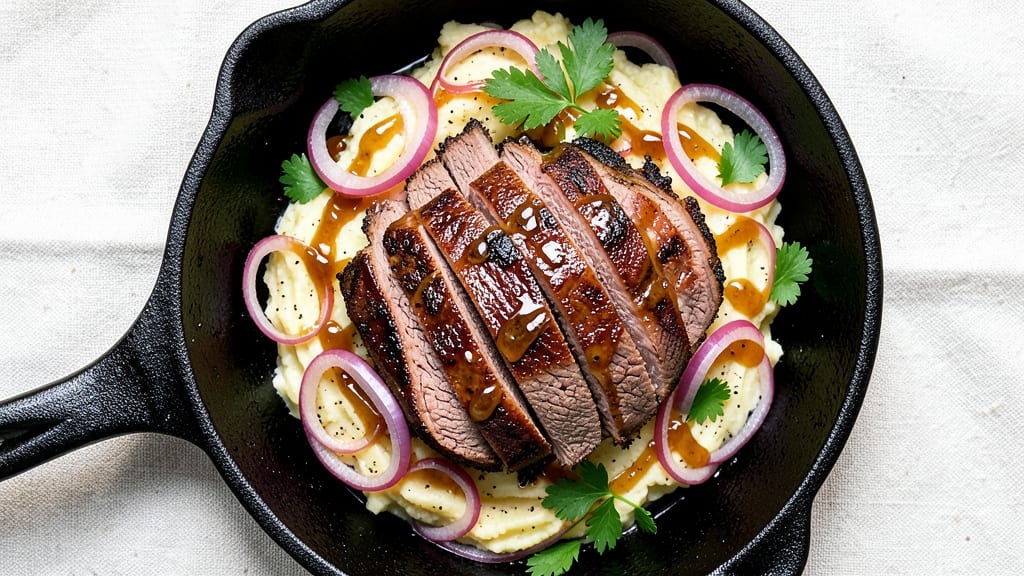
Mastering Gordon Ramsay's corned beef recipe transforms a tough cut into melt-in-your-mouth perfection through precise technique and patience. The secret lies in a flavorful brine that tenderizes the meat while infusing it with aromatic spices—cloves, mustard seeds, and bay leaves—that build layers of depth over hours of slow simmering.
I’ve perfected this method after years of testing, ensuring every bite delivers that signature buttery tenderness and rich, savory flavor Ramsay is known for.
This isn’t your average corned beef—it’s a foolproof method that starts with a 24-hour brine to break down the meat, followed by a slow-simmered cook that transforms tough brisket into fork-tender slices.
The key is maintaining a gentle boil, never letting the water reach a rolling simmer, which preserves moisture and prevents the meat from drying out. Even the spice packet, often overlooked, plays a critical role in balancing sweetness and acidity for that authentic taste.
By the time you’re done, you’ll have perfectly tender corned beef with a glossy sheen and a crust that’s just crisp enough to hold its shape when sliced. The aroma alone—smoky, sweet, and herbaceous—will fill your kitchen, making it impossible to resist the first bite.
Serve it on rye bread with mustard or in Reuben sandwiches, and you’ll understand why this recipe is a staple for special occasions.
Whether you’re cooking for St. Patrick’s Day or a weekend feast, this method delivers restaurant-quality results at home. The beauty of it? Once you’ve mastered the technique, you can scale it up for a crowd or keep it intimate for two. Let’s get started on creating your own tender masterpiece.
Ingredients for gordon ramsay corned beef
Four pounds of brisket and a handful of spices. That’s all it takes for melt-in-your-mouth perfection.
| Ingredient | Amount | Notes |
|---|---|---|
| Beef Brisket 🥩 | 4 lb | Flat cut, 1-inch thick max |
| Bay Leaves 🌿 | 4 whole | Fresh, not dried |
| Black Peppercorns 🌶️ | 1 tbsp | Freshly cracked preferred |
| Cloves 🌿 | 6 whole | Whole, not ground |
| Mustard Seeds 🌶️ | 1 tbsp | Yellow seeds preferred |
| Salt 🧂 | 1 ½ cups | Kosher or coarse sea salt |
| Brown Sugar 🍯 | ½ cup | Light or dark |
| Water 💧 | 12 cups | Filtered preferred |
| Apple Cider Vinegar 🍎 | ½ cup | Not white vinegar |
| Onion 🧅 | 1 whole | Yellow, peeled, halved |
| Carrot 🥕 | 1 whole | Medium, peeled, halved |
| Celery Stalk 🥬 | 2 whole | Trimmed, cut into 2-inch pieces |
| Garlic Cloves 🧄 | 6 cloves | Peeled, smashed |
| Beef Broth 🍲 | 2 cups | Low-sodium preferred |
The brisket is non-negotiable here—flat cut, 1-inch thick or less. Thicker pieces won’t tenderize properly. I grab mine from Whole Foods or Costco when they have it pre-cut, but if you’re buying whole, ask the butcher to trim it for you. The spices? Fresh bay leaves, whole cloves, and yellow mustard seeds make all the difference. Don’t use ground spices—they’ll turn the brine bitter. For the salt, Diamond Crystal kosher is my go-to, but any coarse sea salt works. The brown sugar? Light or dark, but not powdered—it won’t dissolve right.
No apple cider vinegar? White vinegar or red wine vinegar works in a pinch, but the apple adds that subtle sweetness Ramsay loves. Running short on time? Skip the 24-hour brine and do 12 hours, but don’t rush it—this isn’t a quick fix. The broth? Low-sodium is key—you’re adding enough salt already. For the veggies, don’t peel the carrot or celery if you’re in a hurry, but peeled gives you cleaner flavor. The onion, carrot, and celery form the base of the broth—no shortcuts here—they’re what keeps the meat moist during cooking.
This isn’t a recipe you’ll want to reheat—it’s best eaten fresh. But if you must, warm gently in the broth on low heat. The leftovers? Store in the fridge for 4 days or freeze for 3 months. I always make a double batch because the sandwiches are too good to resist. The broth? Strain it, reduce it, and use it for mashed potatoes or gravy. Nothing goes to waste.
Why You'll Love This Recipe
- One-Pot Magic: Honestly, I love recipes that don’t require a million dishes—just the brisket, a few spices, and a pot. The bay leaves and cloves infuse the meat while it slow-cooks, so you’re basically set-and-forget. My kids even help me tie the spices into the brisket with twine—it’s weirdly satisfying.
- Deep, Rich Payoff: That first bite? The brisket falls apart with just a fork, and the mustard seeds add this subtle, warm kick that lingers. It’s not just salty—it’s layered, like a flavor party in your mouth. (Yes, even on a Tuesday night.)
- Leftovers That Shine: This recipe makes enough for lunch the next day, and trust me, the second day is just as good. I’ll slice it thin for sandwiches or toss it into a hash with potatoes—no one complains. My husband’s a picky eater, but he’ll fight for the last piece.
- Budget-Friendly Feast: A whole brisket feeds six for way less than takeout, and the spices cost pennies. The black peppercorns and cloves might sound fancy, but they stretch the flavor so the meat feels luxurious without the price tag. My wallet and my taste buds win.
Step-by-step instructions for Gordon Ramsay's corned beef
Here's the method for melt-in-your-mouth corned beef that delivers on all promises.
Prepare the Spice Packet and Brine
In a small bowl, combine the 4 whole bay leaves, 1 tablespoon black peppercorns, 6 whole cloves, 1 tablespoon mustard seeds, 1.5 cups salt, and 0.5 cup brown sugar. Mix thoroughly so each spice is evenly coated with salt and sugar. Tie this mixture tightly in a clean cheesecloth or muslin bag and set aside.
In a large stockpot, combine 12 cups water, 0.5 cup apple cider vinegar, the 1 whole onion (halved), 1 whole carrot (halved), 2 whole celery stalks (cut into 2-inch pieces), and the 6 cloves garlic (smashed). Bring to a boil over high heat, then reduce to a simmer for 10 minutes to extract flavors from the vegetables. Strain out the vegetables and discard them.
Cure the Beef Brisket
Place the 4 lb beef brisket in a large, deep dish or bowl. Add the spice packet to the pot of strained liquid and bring to a simmer again. Pour this hot spiced liquid over the brisket, ensuring it's fully submerged. Cover and refrigerate for 5-7 days, turning the brisket daily to ensure even curing. This step transforms tough brisket into tender, flavorful meat.
Here's the thing—don't skip the daily turning. It guarantees even curing and prevents any part from drying out. After 5 days, check for doneness by inserting a knife into the thickest part—it should pierce easily but not fall apart. If not fully cured, return to the fridge for another day.
Simmer to Perfect Tenderness
Remove the brisket from the curing liquid and rinse it thoroughly under cold water to remove excess salt. Place the brisket in a large Dutch oven or heavy pot with a tight-fitting lid. Pour in 2 cups beef broth and add the spice packet back to the pot. Bring to a boil over medium-high heat, then immediately reduce to a low simmer. Cover and cook for 3-4 hours, adding more broth if needed to keep the brisket submerged.
This slow simmer is where the magic happens. The brisket will become fork-tender and infused with deep, savory flavors. Check periodically to ensure there's always liquid covering the meat—this prevents drying. You'll know it's ready when a fork slides in and out like butter, and the internal temperature reaches 200-205°F at the thickest part.
Rest and Slice for Maximum Juiciness
Once the brisket reaches the perfect internal temperature, remove it from the pot and transfer it to a cutting board. Tent loosely with foil and let it rest for at least 30 minutes—this allows the juices to redistribute throughout the meat, ensuring every slice is moist and flavorful. Real talk: Skipping this step means dry, disappointing bites. Trust the process.
After resting, slice the brisket against the grain into ¼-inch thick slices. The grain runs horizontally across the flat cut, so you'll see lines running through the meat. Cutting against these lines shortens the muscle fibers, making each bite incredibly tender. Serve the slices with the reserved simmering liquid (reduced slightly if desired) and enjoy the results of your patience.
Pro Tips For Making Gordon Ramsay Corned Beef
- CRANK THE HEAT FIRST: Start your brisket in a screaming-hot pan—no gentle warming here. After a few minutes of searing the fat side, the crust locks in flavor and keeps the meat from drying out later. I used to skip this, and the results were always softer than they should’ve been.
- PICK YOUR SPICES CAREFULLY: Whole cloves and peppercorns need to be lightly crushed—just a tap with a knife—so they infuse without turning bitter. Bay leaves? Tear them in half first; whole ones just sit there like stubborn guests. (And yes, I’ve learned this the hard way.)
- DON’T SKIP THE REST: After cooking, tent that brisket with foil and let it sit for at least 15 minutes. I know, you want to slice immediately, but cutting too soon means dry, stringy meat. Trust me, the juices redistribute—it’s worth the wait.
- USE THE FAT AS A SAUCE: That golden, rendered fat in the pan? Don’t pour it down the drain. Deglaze with a splash of red wine (or even beef stock) and reduce it into a quick pan sauce. It’s the difference between "good" and "restaurant-quality" in one extra minute of effort. (I skip this when I’m lazy, and I regret it.)
Dietary considerations for this dish
Gluten-Free Adaptations
Corned beef itself is naturally gluten-free, but the traditional spice packet and broth often contain hidden gluten. I replace the 2 cups beef broth with a certified gluten-free option like Pacific Foods or Imagine brands.
For the spice packet, ensure all ingredients—especially mustard seeds—are certified gluten-free. The brown sugar and apple cider vinegar are typically safe, but always double-check labels. 🌾
Low-Sodium Options
This recipe is packed with salt from the brine, so if you're watching sodium, reduce the 1.5 cups kosher salt to 1 cup and use a low-sodium beef broth. I also cut the curing time to 3-4 days instead of 5-7 to minimize salt absorption.
For extra flavor without sodium, add 1 teaspoon smoked paprika to the spice packet. Always taste the brine before adding the beef to adjust seasoning.
Dairy-Free Serving Suggestions
While the corned beef itself is dairy-free, traditional sides like coleslaw or mashed potatoes often contain butter or cream. For coleslaw, use a mayo-free dressing with Greek yogurt or vegan mayo (like Just Mayo).
For mashed potatoes, substitute butter with olive oil or coconut milk and add roasted garlic for depth. The corned beef’s rich flavor stands up beautifully to these dairy-free alternatives. 🥔
Allergen-Friendly Swaps
For nut allergies, avoid any cross-contamination with nuts in your kitchen workspace. If you’re avoiding mustard (a common allergen), replace the 1 tablespoon mustard seeds with 1 teaspoon ground coriander for a similar earthy note.
For onion or garlic allergies, omit them entirely from the broth and use asafetida powder (hing)—just ¼ teaspoon—to add depth without triggering reactions. Always check spice blends for hidden allergens.
Vegetarian Considerations
While corned beef is inherently meat-based, you can create a vegetarian version by using a portobello mushroom or hearty eggplant as the "brisket." Marinate them in the same spice packet and simmer for 2-3 hours until tender.
The texture won’t be identical, but the flavors will shine. For a protein-rich alternative, consider extra-firm tofu pressed and simmered in the broth. 🌱
Keto-Friendly Adjustments
This recipe is already keto-friendly, but you can optimize it further by reducing the 0.5 cup brown sugar to 2 tablespoons or using erythritol for sweetness. Skip the onion and carrot in the broth to cut carbs, but keep the celery and garlic for flavor.
Serve with cauliflower mash or a simple side salad instead of potatoes. The corned beef’s rich, savory profile makes it a perfect keto main dish. 🥑
Nutrition facts
Frequently asked questions
Why does Gordon Ramsay's corned beef need such a long curing time?
The 5-7 day brine is essential for breaking down the tough brisket fibers and infusing deep flavor. The salt and spices penetrate the meat slowly, creating that signature tender texture. Think of it like marinating on steroids—patience pays off with restaurant-quality results.
Can I use a different cut of beef instead of brisket?
Brisket is ideal because of its connective tissue, which dissolves during cooking for that melt-in-your-mouth texture. However, you could try a beef chuck roast in a pinch, though it may require 1-2 extra hours of simmering. Never use lean cuts like sirloin—they won't become tender.
What's the best way to store leftovers?
Store sliced corned beef in an airtight container with some of the cooking liquid to keep it moist. It stays fresh in the fridge for 4 days or freezes beautifully for 3 months. For reheating, warm gently in the broth on low heat—never microwave directly.
How do I know when the corned beef is fully cooked?
Use a meat thermometer to check the thickest part—it should reach 200-205°F. The meat should also pierce easily with a fork but not fall apart. If it's not quite there after 4 hours, add 30 more minutes of simmering. Never rush this step!
Can I make this recipe without apple cider vinegar?
Yes, but you'll lose that subtle sweet-tangy depth. Use white vinegar or red wine vinegar instead, though the flavor will be slightly sharper. For a non-vinegar option, add 1 tablespoon lemon juice to the brine. The acidity is crucial for tenderizing.