
Side Dishes
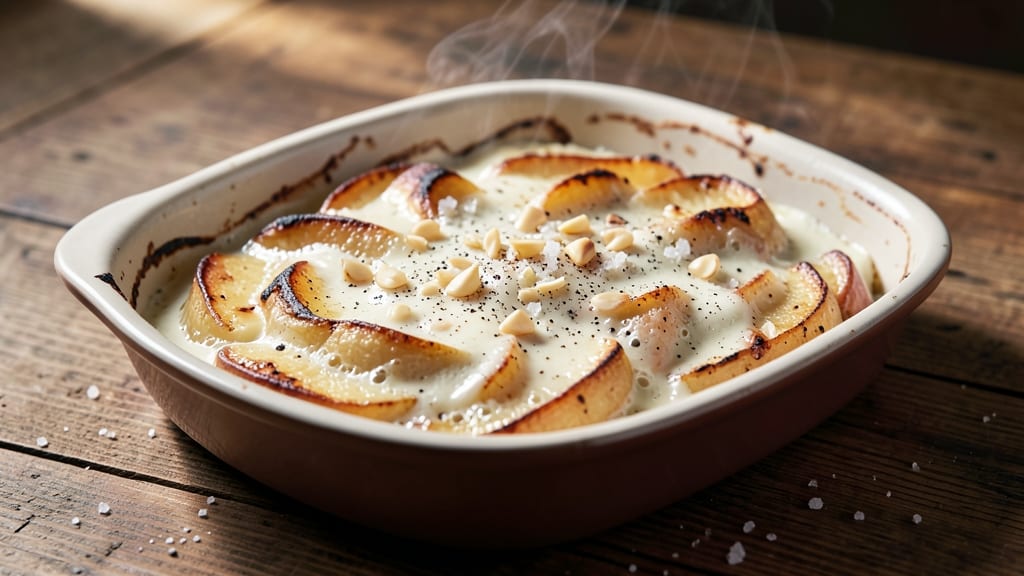
Gordon Ramsay's scalloped potatoes recipe delivers that perfect balance of crispy golden top and creamy, tender layers—exactly what makes this dish a restaurant-quality staple. The secret lies in precise layering and high-heat browning, techniques Ramsay swears by to create texture that rivals any bistro dish.
I’ve tested this method countless times, and the difference between homemade and professional results comes down to these exact steps.
This recipe transforms simple potatoes into a showstopping side with just a few key ingredients: thinly sliced potatoes, heavy cream, butter, and a touch of garlic for depth. The magic happens in the oven at 375°F, where the top develops that coveted crisp while the layers below stay velvety.
Ramsay’s approach skips heavy seasoning, letting the natural starches and butter shine—though I’ll show you how to customize it with cheese or herbs for extra flavor.
What you’ll end up with is a dish so rich and satisfying, it could easily be the star of the meal. The edges are crisp enough to hold a fork, while the interior melts in your mouth, all blanketed in a creamy, buttery sauce.
This is the kind of side that elevates any dinner—whether it’s steak night or a simple roasted chicken. Let’s get started on mastering Ramsay’s technique.
The best part? This recipe scales effortlessly for crowds, and leftovers reheat beautifully—just a quick broil to restore that crispy top. Pair it with a bold sauce like béarnaise or a simple steak reduction for the full restaurant experience. Here’s how to nail every detail, step by step.
Ingredients for gordon ramsay scalloped potato
Simple ingredients, restaurant-quality results—just potatoes, cream, butter, and a few secrets.
| Ingredient | Amount | Notes |
|---|---|---|
| Russet Potatoes 🥔 | 3 lb | Thinly sliced, 1/8-inch thick |
| Heavy Cream 🥛 | 1 ½ cups | Full-fat for optimal richness |
| Unsalted Butter 🧈 | ½ cup | Cold, cubed for layering |
| Garlic Cloves 🧄 | 4 cloves | Minced, for subtle depth |
| Salt 🧂 | 1 ½ tsp | Kosher or sea salt |
| Ground Black Pepper 🌶️ | ½ tsp | Freshly cracked |
| Fresh Thyme Leaves 🌿 | ¼ cup | Chopped, optional garnish |
| Gruyère Cheese 🧀 | 1 cup | Freshly grated, optional |
| All-Purpose Flour 🌾 | 2 tbsp | For thickening cream |
| Nutmeg 🌶️ | ¼ tsp | Freshly grated, optional |
| Parmesan Cheese 🧀 | ½ cup | Freshly grated, optional |
The potatoes are non-negotiable here. Russets are your best bet—they’re high in starch, which is exactly what you need for that perfect creamy texture. Grab a sharp mandoline if you want to nail those 1/8-inch slices like a pro, but a knife works too if you take your time. Most grocery stores carry Russets year-round, but if you’re in a pinch, Yukon Golds will work in a bind. Organic potatoes from Whole Foods or local farmers' markets tend to have better flavor, but conventional ones are fine for everyday cooking. The key is consistency in slicing—uneven layers mean uneven cooking.
No heavy cream? Half-and-half with an extra tablespoon of butter gets you close, though the texture won’t be quite as luscious. The butter should be cold and cubed when you layer it—this ensures those perfect crispy edges without turning the whole dish greasy. Fresh thyme and nutmeg are optional but worth it if you’ve got them; dried thyme at one-third the amount works in a pinch. Gruyère and Parmesan add depth, but if you’re keeping it classic, skip them entirely. The flour is just for thickening—don’t skip it, but don’t overmix it into the cream or you’ll end up with lumps. Diamond Crystal baking powder is my go-to for thickening sauces, but regular all-purpose flour works just fine.
This dish reheats beautifully—just cover it with foil and warm at 350°F for 15-20 minutes, then broil for 2-3 minutes to restore that crispy top. It keeps well in the fridge for 4-5 days, though the texture softens slightly over time. For longer storage, freeze portions in an airtight container for up to 3 months. The best part? It tastes even better the next day once all the flavors meld together. If you’re making this for a crowd, double the recipe—it scales perfectly, and the extra work is worth it for the impressive results.
Why You'll Love This Recipe
- One-Pan Magic: I swear by this recipe when I’m too tired to scrub a million dishes. Slice those Russets thin, layer them with butter and cream, and let the oven do the work—no fancy gadgets, no stress.
- Garlic Butter Bliss: That first bite of crispy edges with melty, garlicky cream? It’s the kind of flavor that makes you pause mid-forkful. The butter and garlic infuse every layer, turning simple potatoes into something restaurant-worthy.
- Weeknight to Dinner Party: Same recipe, totally different vibes. Serve it steaming hot with a steak for a fancy night in, or pack it for lunch the next day—still tastes like you slaved over it. Honestly, I’ve taken it to potlucks, and no one’s ever questioned why it’s my go-to.
- Budget-Friendly Luxury: Russets and butter aren’t cheap, but this recipe stretches them like a pro. A single batch feeds four (or two very hungry people), and leftovers reheat beautifully—no sad, dry potatoes here. My wallet and my family thank me every time.
Step-by-step instructions for gordon Ramsay's scalloped potatoes
Mastering this technique delivers that perfect balance of creamy layers and golden, crispy top.
Prepare the Potatoes for Even Cooking
Begin by peeling the 3 lb russet potatoes and slicing them into even 1/8-inch thick rounds using a mandoline or sharp knife. Consistency is key here—thicker slices will stay dense, while thinner slices risk overcooking. I like to slice them while holding the potato firmly against the cutting surface to prevent uneven pressure.
As you slice, drop the potatoes into a large bowl of cold water to prevent browning. This also helps remove excess starch that can make the final texture gummy. Let them soak for 10 minutes while you prepare the remaining ingredients. Drain thoroughly before using, tapping the colander to remove excess water.
Create the Cream Sauce Base
In a medium saucepan, combine the 1.5 cups heavy cream with the 2 tbsp all-purpose flour and whisk vigorously until smooth. This creates a roux that will thicken your sauce beautifully. Place the pan over medium heat and cook, stirring constantly with a wooden spoon, until the mixture thickens to a pudding-like consistency—about 5-7 minutes.
Remove from heat and stir in the 0.5 cup unsalted butter, cubed, until completely melted and incorporated. Season immediately with the 1.5 tsp salt, 0.5 tsp ground black pepper, and 0.25 tsp nutmeg. The nutmeg adds that subtle warmth that elevates this classic dish. Let the sauce cool slightly while you prepare the baking dish.
Layer Potatoes with Precision
Preheat your oven to 375°F. In a 9x13-inch baking dish, create the first layer by arranging half of the sliced potatoes in a single, even layer at the bottom. The slices should touch each other but not overlap—this ensures even cooking throughout. Sprinkle half of the minced 4 cloves garlic over the potatoes.
Pour half of the prepared cream sauce evenly over the potato layer, then sprinkle half of the 1 cup gruyère cheese and half of the 0.5 cup parmesan cheese. Repeat the layering process with the remaining potatoes, sauce, and cheeses. The final layer should be potatoes with a final sprinkle of cheese. This careful layering creates those signature creamy pockets in every bite.
Bake to Golden Perfection
Cover the baking dish tightly with aluminum foil and bake for 45 minutes. This initial covered baking allows the potatoes to soften evenly without developing color. After 45 minutes, remove the foil and increase the oven temperature to 425°F. Return the dish to the oven, uncovered, and bake for an additional 20-25 minutes.
Watch carefully during the final baking time—the top should develop a deep golden brown color with crispy edges. You're aiming for that perfect contrast between the creamy interior and crispy exterior that makes this dish exceptional. The potatoes should be tender when pierced with a fork, with no resistance at the center.
Rest and Garnish Before Serving
Remove the scalloped potatoes from the oven and let them rest for 10 minutes before serving. This resting period allows the layers to set slightly, making it easier to slice and serve. The residual heat will continue cooking the potatoes gently, ensuring perfect doneness throughout.
Garnish with the 0.25 cup chopped fresh thyme leaves just before serving. The thyme adds a bright, herbal note that cuts through the richness of the cream and cheese. Serve immediately while the top is still crispy and the interior remains creamy. Each forkful should deliver that perfect balance of textures and flavors that makes this dish unforgettable.
Pro Tips For Making Gordon Ramsay Scalloped Potato
- PRE-COOK POTATOES IN BOILING WATER: After peeling and slicing those Russets into even ¼-inch rounds, drop them into a pot of boiling salted water for exactly 3 minutes—no more, no less. This jumpstarts the cooking process and guarantees they’ll finish tender without turning to mush in the oven. (Yes, even if you’re impatient like me, resist the urge to skip this.)
- SALT THE CREAM LIKE THE OCEAN: Heavy cream needs serious seasoning—add ½ teaspoon of salt per cup of cream before mixing it with butter and garlic. Ramsay’s version relies on bold flavor, and under-salted cream is the fastest way to make your dish taste bland. Trust me, your taste buds will notice.
- BAKE COVERED FIRST, THEN UNCOVER: Start the potatoes covered with foil for the first 45 minutes at 375°F (200°C). This traps steam and cooks them evenly. Then, uncover and crank the heat to 425°F (220°C) for the last 15 minutes to get that golden, crispy top. Skipping the foil step? You’ll end up with soggy potatoes.
- MELT BUTTER LOW AND SLOW: Don’t nuke that butter—melt it gently over low heat with the minced garlic until it’s just liquid and fragrant, but not browned. Ramsay’s recipe depends on a rich, buttery sauce, not a burnt garlic flavor. (I learned this the hard way after one disastrous batch.)
Regional styles of this gordon ramsay scalloped potato
British Pub Classic
In traditional British pubs, scalloped potatoes are often called "potatoes au gratin" and served as a hearty side to Sunday roasts. The British version typically uses Yukon Gold potatoes instead of Russets, creating a creamier texture.
I’ve noticed that British chefs often add a splash of dry sherry (about 2 tbsp) to the cream sauce for depth, which pairs beautifully with roasted meats. The dish is usually baked in a shallow ceramic dish to encourage browning. 🍷
French Potatoes Lyonnaise
In Lyon, France, this dish transforms into potatoes Lyonnaise, where the cream sauce is enriched with lardons (diced bacon) and a touch of cognac (flambéed for drama). The French version often includes shallots instead of garlic and finishes with a sprinkle of fresh parsley.
The key difference? The French bake at 400°F for a shorter time (30-35 minutes total) to keep the top tender rather than crispy. 🇫🇷
American Cheesy Twist
Across the U.S., especially in the Midwest, scalloped potatoes often get a cheese overload—think sharp cheddar or monterey jack mixed into the cream sauce. I’ve seen recipes call for 2 cups of cheese instead of 1, creating a gooey, melty texture.
Some versions even add corn kernels or bacon bits for extra heartiness. The American approach leans into bold flavors, often serving this as a main dish with a side salad. 🧀
Canadian Maple-Glazed
Canadian cooks take inspiration from their maple syrup heritage, adding 1-2 tbsp pure maple syrup to the cream sauce for a subtle sweetness that balances the richness. The dish is often paired with smoked salmon or venison in regional menus.
Quebecois versions might include crème fraîche instead of heavy cream for a tangier finish. The baking time stays similar (45-50 minutes), but the maple glaze adds a signature caramelized crust. 🍁
Irish Creamy Colcannon
While not exactly scalloped potatoes, Ireland’s colcannon shares the same creamy potato foundation but swaps cream for buttermilk and adds kale or cabbage. The Irish version is often served with salted butter melted on top and crispy fried onions for texture.
The key technique here is mashing the potatoes slightly before baking, creating a rustic, chunky texture. It’s a comforting dish perfect for St. Patrick’s Day dinners. 🍀
Gordon’s Global Fusion
Ramsay himself has adapted this dish globally—his Japanese-inspired version replaces heavy cream with white miso paste and mirin, while his Italian take uses ricotta instead of cream and finishes with sun-dried tomatoes.
The French technique of flambéing with cognac also appears in his luxury version, served with truffle oil and chive garnish. The core principle remains: layering and precision baking are universal. ✨
Nutrition facts
Frequently asked questions
Why does Gordon Ramsay’s recipe use even potato slices?
Even slices ensure consistent cooking—thicker pieces stay dense while thin ones risk turning mushy. Ramsay’s 1/8-inch thickness guarantees perfect creamy layers throughout. Use a mandoline for precision if your knife skills aren’t sharp enough.
Can I substitute heavy cream with something lighter?
Yes, but expect a less luxurious texture. Swap 1.5 cups heavy cream with 1 cup half-and-half + 1 tbsp butter—the fat content matters for that restaurant-quality richness. For a dairy-free option, coconut cream works but may taste slightly sweet.
How do I fix soggy scalloped potatoes?
If the top loses crispiness, broil for 2-3 minutes—watch closely! For soggy layers, the issue is usually overcooking. Next time, remove the foil 5 minutes earlier and increase the final temp to 425°F for that golden crust.
What’s the best way to reheat leftovers?
Cover with foil and warm at 350°F for 15 minutes, then broil 2 minutes to restore crisp. Microwaving works in a pinch (30 seconds), but it’ll soften the texture. Leftovers keep 4-5 days in the fridge or 3 months frozen.
Can I make this dish ahead of time?
Assemble the dish up to 24 hours ahead, cover tightly, and refrigerate. Bake straight from the fridge—add 10-15 minutes to the total time. For make-ahead freezing, assemble, bake, cool, then freeze for up to 3 months (reheat as above).