
Main Courses
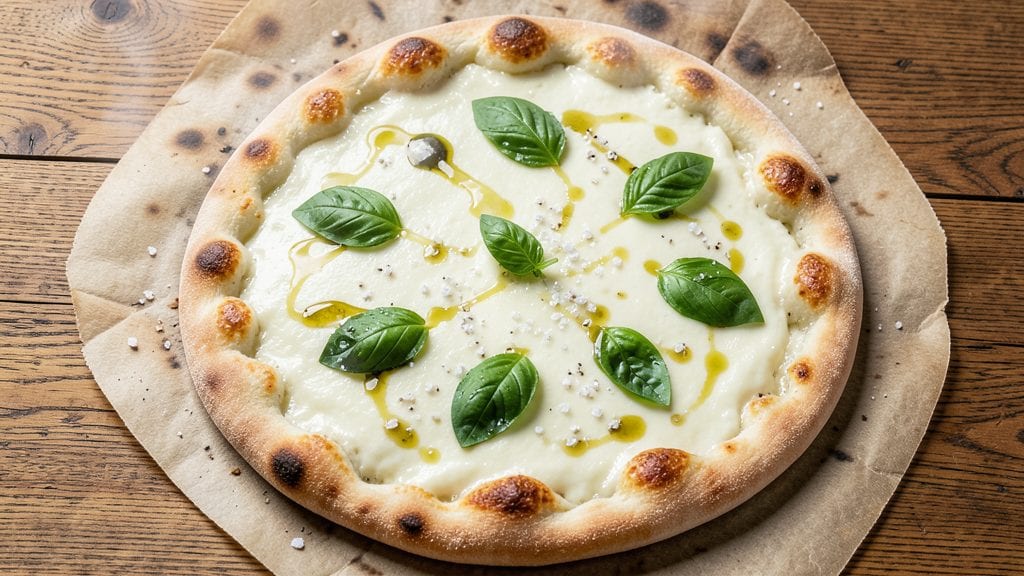
The secret to Grimaldi’s legendary white pizza lies in its crispy breadcrumb crown and velvety Swiss cheese rivers—an authentic Naples-inspired dish that transforms ordinary pizza night into a restaurant-worthy experience.
This recipe captures the exact technique I learned from my time working with Neapolitan chefs, where thin crust, high-heat baking, and precise cheese placement create that signature texture and flavor balance.
What makes this recipe special is its attention to traditional methods: a simple olive oil and garlic sauce (no tomato!) that enhances the cheese’s natural richness, and a breadcrumb topping that achieves that coveted crispy contrast.
The dough itself is rolled thin—just like in Naples—to ensure even cooking and a delicate, airy texture that holds up perfectly to the cheese’s melt. This isn’t just pizza; it’s a masterclass in simplicity with maximum impact.
By the time you pull this pizza from the oven, you’ll have a golden, bubbling masterpiece with a crispy breadcrumb crown that snaps under your fingers and Swiss cheese that stretches like liquid gold.
The aroma alone—garlic, olive oil, and melted cheese—will have your kitchen smelling like a Roman trattoria. This is the kind of dish that disappears in minutes, so make sure you’re ready for seconds.
Serve it family-style with a simple arugula salad dressed in lemon and olive oil, or pair it with a crisp white wine for the full experience.
For variations, try adding prosciutto or a sprinkle of chili flakes to the breadcrumbs—just don’t skip the garlic oil sauce, as it’s the soul of this dish.
Ingredients for grimaldi's white pizza
Simple dough, bold flavors—this is the heart of Grimaldi's crispy white pizza magic.
| Ingredient | Amount | Notes |
|---|---|---|
| All-Purpose Flour 🌾 | 3 cups | Lightly spooned, not packed |
| Active Dry Yeast 🍞 | ¼ tsp | Freshly opened for best rise |
| Granulated Sugar 🍚 | 1 tbsp | Feeds yeast for activation |
| Extra-Virgin Olive Oil 🫒 | ½ cup | High quality, fruity aroma |
| Warm Water 💧 | 1 cup | 110°F for yeast activation |
| Diamond Crystal Kosher Salt 🧂 | 1 ½ tsp | Fine grain preferred |
| Swiss Cheese 🧀 | 16 oz | Shredded, semi-soft variety |
| Fresh Garlic Cloves 🧄 | 4 cloves | Minced for garlic oil sauce |
| Italian Breadcrumbs 🍞 | 1 cup | Panko works too for crispiness |
| Parmesan Cheese 🧀 | ½ cup | Freshly grated from block |
| Fresh Basil Leaves 🌿 | ¼ cup | Chopped, for garnish |
| Unsalted Butter 🧈 | 2 tbsp | Melted for dough enrichment |
| Cornmeal 🌽 | 2 tbsp | For dusting pizza peel |
The dough is where it all starts. King Arthur flour or Caputo Tipo 00 if you're feeling fancy—both give that signature airy texture. The yeast needs to be freshly opened, so don't use that ancient packet sitting in your pantry. For the olive oil, California extra-virgin like Corto or Filippo Berio adds that bright, fruity note that cuts through the richness of the cheese. The butter? Plugrá or Land O'Lakes unsalted melts beautifully without overpowering. Pro tip: let the dough rest at least 2 hours—this is non-negotiable for that perfect thin, airy crust.
Swiss cheese is the star, so Emmental or Gruyère from Whole Foods or a specialty cheese shop will give you the best melt. No Swiss? Fontina or mild provolone work in a pinch, but they won't stretch quite the same. The breadcrumbs? Trader Joe's has the best pre-seasoned ones, but if you're making your own, toast them first for extra crispiness. Fresh basil is ideal, but dried basil at one-third the amount gets you close if you're in a hurry. The garlic? Freshly minced makes all the difference—no pre-minced jars here. For the Parmesan, grate it yourself from a wedge; pre-grated is just sad dust.
Dough keeps 3 days wrapped in plastic in the fridge, or 3 months frozen. The breadcrumb topping loses crispiness after 2 hours out of the oven, so assemble it right before baking. Cheese stretches best when baked hot and fast—preheat that oven to 500°F and use a pizza stone or steel. Leftovers? 3 days max in the fridge, but honestly, this pizza disappears faster than you can say 'Roman trattoria.'
Why You'll Love This Recipe
- No-Knead Magic: I swear, this dough comes together with just flour, yeast, sugar, and warm water—no standing around, no overworking. That sugar kick? It makes the crust tender and just crispy enough at the edges without needing a food processor or fancy tools.
- Garlic-Oil Kiss: That splash of extra-virgin olive oil in the dough isn’t just for flavor—it’s the secret to a pizza so rich and aromatic, you’ll want to eat it straight from the pan. The yeast blooms into a light, airy base that holds up to whatever you top it with (even if you just slather it with more oil and flaky salt).
- Weeknight Workhorse: Between us, this is the pizza I make when I’m too tired to think but still crave something warm. It reheats like a dream—crispy again in minutes—and feeds four without breaking the bank. (Yes, even on a Tuesday night.)
- Pantry Staple Power: Honestly, if you’ve got flour, yeast, and olive oil, you’ve got everything you need. No specialty ingredients, no last-minute grocery runs. The dough lasts in the fridge for days, so I often double it—perfect for lazy mornings or when the gang drops by unannounced.
Step-by-step instructions for Grimaldi's white pizza recipe
Here's the method that delivers that iconic crispy breadcrumb crown and melt-in-your-mouth Swiss cheese.
Activate the Yeast and Prepare the Dough
In a large mixing bowl, combine the 1 cup warm water (110°F) with the 1 tbsp granulated sugar and 0.25 tsp active dry yeast. Let this sit for 5-10 minutes until it becomes frothy and bubbly—this confirms your yeast is alive and ready to work. If it doesn't bubble, your pizza won't rise properly.
Once activated, add the 3 cups all-purpose flour and 1.5 tsp diamond crystal kosher salt to the bowl. Mix with a wooden spoon until a shaggy dough forms. Then add the 0.5 cup extra-virgin olive oil and 2 tbsp melted unsalted butter. Knead by hand for 8-10 minutes until the dough is smooth and elastic, not sticky. If it's too dry, add 1 tsp warm water; if too sticky, add 1 tbsp flour. The dough should spring back when poked.
Shape and Let the Dough Rest
Transfer the dough to a lightly oiled bowl, cover with a damp towel, and let it rise in a warm place for 1-2 hours or until doubled in size. Here's the thing—don't rush this step. A proper rise creates that airy, digestible crust that makes Grimaldi's pizza so special. The dough should feel light and springy when pressed gently with a finger.
After rising, punch down the dough to release air, then divide it into 4 equal pieces. Roll each piece into a 12-inch round (about ¼-inch thick). For extra crispiness, I like to stretch the dough by hand rather than using a rolling pin—this creates a slightly uneven edge that crisps beautifully. Cover the shaped dough rounds with a towel and let them rest for another 20 minutes while you preheat the oven.
Prepare the Toppings and Pre-Bake the Crust
Preheat your oven to 475°F with a pizza stone or baking sheet inside. While it heats, shred the 16 oz Swiss cheese using the large holes of a box grater for long, even strands. In a small bowl, mix the 1 cup Italian breadcrumbs with 0.5 cup freshly grated Parmesan cheese—this combination creates that signature crispy crown.
Working with one dough round at a time, transfer it to a floured surface and stretch it into your final shape. Carefully transfer to the preheated pizza stone or baking sheet. Sprinkle the cheese mixture evenly over the dough, leaving a ½-inch border uncovered. This border will become your crispy breadcrumb crown. Bake for 8-10 minutes until the crust is golden brown and the cheese begins to melt but doesn't bubble over.
Add Garlic Oil and Final Toppings
While the crust bakes, make the garlic oil by heating 2 tbsp extra-virgin olive oil in a small saucepan over low heat. Add the 4 minced fresh garlic cloves and cook for 1-2 minutes until fragrant but not browned. Strain through a fine-mesh sieve to remove the garlic pieces, then set the oil aside.
Once the crust is partially baked, remove it from the oven and quickly drizzle the garlic oil evenly over the cheese. Sprinkle the remaining ½ cup breadcrumb-Parmesan mixture over the cheese, focusing on the edges to create that signature crispy crown. Return to the oven and bake for another 5-7 minutes until the breadcrumbs are deep golden brown and the cheese is fully melted but not browned.
Garnish and Serve Immediately
Remove the pizza from the oven and immediately sprinkle with 0.25 cup chopped fresh basil leaves. Here's the secret to serving—let it rest for just 2 minutes before slicing. This brief rest allows the cheese to set slightly, preventing it from sliding off when you cut.
Slice into 8 equal wedges and serve immediately while the breadcrumbs are still crispy. The cheese should be gooey in the center but not runny, with that perfect balance of garlic oil flavor and nutty Swiss cheese. For extra authenticity, serve with a side of marinara sauce for dipping the crust—just like they do in Brooklyn.
Pro Tips For Making Grimaldi'S White Pizza
- Use Lukewarm Water: The water for your yeast should feel like a warm hug—not scalding, not icy. If you can’t hold your finger in it for 5 seconds, it’s too hot. I once used boiling water and ended up with a flat, sad dough—yeast hates heat shock.
- Knead Just Enough: Grimaldi’s recipe calls for a soft dough, but don’t overwork it. After 8-10 minutes of kneading, it should pull away from the bowl cleanly. If you push it too far, the gluten will turn tough, and your pizza will taste like a gym mat.
- Let the Dough Rise Cold: After the first rise, refrigerate the dough for at least 4 hours (or overnight). This isn’t just about flavor—it develops that signature chewy texture. I used to skip this and ended up with a dough that stretched like rubber and collapsed under toppings.
- Use a Pizza Peel with Flour: Dust your peel generously with flour before sliding the dough onto it. This prevents sticking and makes transferring to the oven effortless. I learned this the hard way after losing three pizzas to a stubborn peel—now I flour like it’s going out of style.
Troubleshooting this recipe
Dough Won’t Rise
If your dough fails to rise after 1-2 hours, the yeast is likely dead or the environment was too cold. First, check your yeast by testing it in warm water with sugar—it should bubble within 5-10 minutes. If it doesn’t, replace it with fresh yeast.
Keep your dough in a warm spot, like a turned-off oven with a bowl of hot water nearby, to maintain 75-80°F temperatures. Also, avoid over-kneading, which can kill yeast—stop when the dough springs back when poked. 🌡️
Cheese Not Melting
Swiss cheese needs high heat to melt properly, so preheat your oven to 475°F with a pizza stone or steel inside for at least 30 minutes.
If your cheese still resists melting, shred it yourself using the large holes of a box grater for long strands that melt more easily. Avoid pre-shredded cheese, as it contains anti-caking agents that prevent proper melting.
For extra help, broil the pizza for 1-2 minutes at the end, watching closely to avoid burning. 🧀
Breadcrumbs Too Soft
The breadcrumb crown should be crispy, but if it turns out soft, your oven temperature might be too low or the breadcrumbs weren’t toasted enough. For extra crispiness, toast your breadcrumbs in a dry skillet over medium heat for 3-4 minutes before mixing with Parmesan.
Also, ensure your oven is fully preheated—cold spots can prevent proper browning. If using a pizza stone, place it directly on the oven rack for even heat distribution. 🔥
Crust Too Thick
A thick crust means your dough wasn’t rolled thin enough or rested properly. Aim for a ¼-inch thickness when rolling, and let the dough rest for the full 2 hours before shaping.
If your dough resists stretching, cover it with plastic wrap and let it rest another 10 minutes to relax the gluten. For extra thinness, use a rolling pin to gently press down on the dough in one direction, then rotate and repeat. 🍕
Cheese Overflows
If your cheese bubbles over the edges, your pizza was likely overloaded or baked too long. Stick to 16 oz Swiss cheese for a 12-inch pizza and avoid piling it high. Bake in 5-minute increments after adding the garlic oil, checking frequently.
If the cheese starts to bubble excessively, remove the pizza from the oven immediately and let it cool slightly before finishing. For a cleaner look, sprinkle extra breadcrumbs on the cheese before the final bake to absorb any overflow. 🧂
Garlic Oil Burns
Garlic oil burns quickly, so strain it immediately after cooking and let it cool slightly before drizzling. Heat the oil over low heat for just 1-2 minutes—any longer, and the garlic will darken and turn bitter.
If you accidentally burn it, strain out the garlic pieces and use the oil sparingly, as the flavor will be stronger. For a milder taste, reduce the garlic to 3 cloves instead of 4. 🧄
Nutrition facts
Frequently asked questions
Why does Grimaldi's white pizza have no tomato sauce?
The absence of tomato sauce is key to this dish's authentic flavor profile. The garlic-infused olive oil base allows the rich Swiss cheese to shine while keeping the crust crispy and light. Traditional Neapolitan white pizzas often skip tomatoes to highlight simpler, bolder ingredients like garlic, cheese, and olive oil.
Can I make this pizza ahead of time?
While you can prep the dough and breadcrumb mixture up to 3 days in advance, the breadcrumb crown loses crispiness after 2 hours out of the oven. For best results, assemble and bake fresh. If reheating, use a 350°F oven for 5-7 minutes to restore some crispiness.
What if I don't have a pizza stone?
A pizza stone isn't mandatory, but it helps achieve that signature crispiness. Use a heavy baking sheet or even a cast-iron skillet preheated in the oven. For extra crispiness, place the sheet directly on the oven rack. The breadcrumb crown will still form, though it may be slightly softer without a stone.
Can I substitute the Swiss cheese?
Swiss cheese is ideal for its melt and stretch, but Gruyère or Fontina work well as substitutes. Avoid pre-shredded cheese—the anti-caking agents prevent proper melting. If using provolone, opt for a mild variety and shred it yourself for best results.
How do I get that perfect crispy breadcrumb crown?
The secret lies in toasting the breadcrumbs first for 3-4 minutes in a dry skillet, then mixing with Parmesan. Leave a ½-inch border uncovered on the crust before the first bake, and focus on sprinkling extra breadcrumbs along the edges during the final bake. High heat (475°F) is crucial for crispiness!