
Desserts
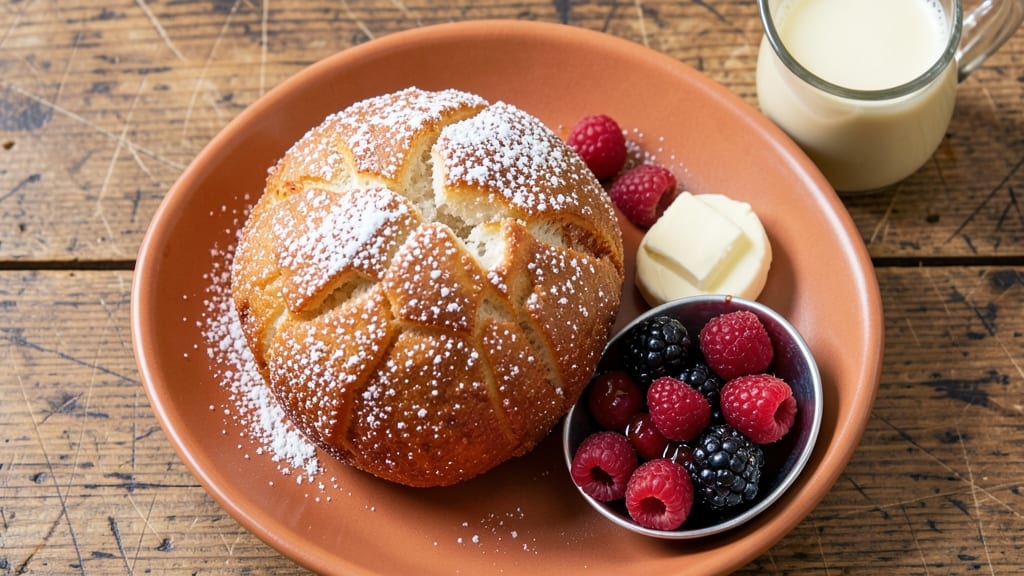
This homemade beignet recipe unlocks the secret to fluffy, golden fried treats that taste like a taste of the French Quarter—all with just a few simple steps. The secret lies in precise timing—resting the dough just right and frying at the perfect temperature transforms simple ingredients into something magical.
I’ve perfected this recipe after years of trial and error, ensuring every bite delivers that signature crispy exterior and pillowy center.
This recipe delivers restaurant-worthy results with a foolproof method that requires only a few simple ingredients and about 30 minutes of active time. The dough is made with flour, yeast, sugar, and a touch of milk, creating a delicate balance that rises beautifully.
Frying in small batches at 375°F ensures even cooking, while the cinnamon-sugar coating adds that irresistible sweetness and warmth.
By the end, you’ll have a plate of golden, puffed beignets that dissolve slightly on the tongue, leaving behind a cloud of powdered sugar and cinnamon. The aroma alone will have everyone gathering around the table, and the texture—crisp outside, tender inside—makes them impossible to resist.
Serve warm with a side of café au lait for the full experience.
These beignets are perfect for brunch gatherings, Mardi Gras celebrations, or whenever you crave something sweet and indulgent. The recipe scales easily, so you can make a batch for a crowd or just a few for a special treat. Let’s get started on creating your own edible clouds of joy.
Ingredients for homemade beignet
Fluffy dough meets golden frying magic—just 10 simple ingredients create restaurant-style beignets.
| Ingredient | Amount | Notes |
|---|---|---|
| All-Purpose Flour 🌾 | 4 cups | Sifted for light texture |
| Granulated Sugar 🍚 | ½ cup | Plus 1 cup for coating |
| Active Dry Yeast 🍞 | 2 ¼ tsp | One packet for convenience |
| Unsalted Butter 🧈 | ½ cup | Cold, cubed for dough |
| Whole Milk 🥛 | 1 cup | Room temperature preferred |
| Large Eggs 🥚 | 1 whole | Room temperature for best results |
| Salt 🧂 | ½ tsp | Kosher or sea salt |
| Vegetable Oil 🫒 | 3 cups | For frying (peanut oil preferred) |
| Ground Cinnamon 🍃 | ¼ cup | For coating (plus extra) |
| Powdered Sugar 🍚 | 1 ½ cups | For final coating |
The flour is non-negotiable—King Arthur or Gold Medal brands work best for that signature lightness. Active dry yeast must be fresh: test by dropping a pinch in warm water with a pinch of sugar—if it foams in 5 minutes, it's good. Unsalted butter should be cold and cubed (not melted) to prevent overworking the dough. For the milk, whole milk gives the best texture, but 2% works in a pinch. The eggs? Room temperature is key—they blend better and create a smoother dough. Peanut oil is ideal for frying (high smoke point, neutral flavor), but vegetable oil works if you're in a hurry.
No yeast? Instant yeast at half the amount works, but timing changes slightly. Butter substitutes: use vegetable shortening or coconut oil (solid) at the same weight. Milk alternatives: oat or soy milk can work, but texture may be slightly denser. Cinnamon-sugar coating: swap cinnamon for pumpkin pie spice if you prefer warmth over sweetness. Powdered sugar can be omitted for a less sweet version—just use granulated sugar instead. For a gluten-free version, King Arthur gluten-free flour blend works well, though texture will differ.
Store leftover dough wrapped in plastic in the fridge for up to 24 hours—it rises slower cold, so let it sit at room temp for 30 minutes before frying. Fried beignets stay crispy for 2-3 hours at room temperature, but best served immediately. Freeze extras (uncooked dough balls) on a tray, then transfer to a bag for up to 1 month. Reheat in a 350°F oven for 5-7 minutes to restore crispiness. Cinnamon-sugar coating keeps best in an airtight container for 1 week—shake before using.
Why You'll Love This Recipe
- No Yeast Stress: I mix the dough in one bowl, let it rise while I make coffee, then fry it—no fancy equipment, no waiting hours. The yeast works fast here, so you’re not stuck staring at a clock.
- Crispy-Gold Magic: That first bite? Buttery, pillowy, and dusted with sugar so fine it melts like snow. The butter in the dough and the hot oil create layers that make every beignet feel like a little hug.
- Brunch or Snack Hero: Serve them warm with café au lait for a lazy Sunday, or pack a few in lunchboxes for a sweet surprise. My kids grab them straight from the fridge—no reheating needed, just pure joy.
- Pantry Staple Power: Flour, sugar, butter, milk—you’re probably already buying these. A batch costs less than takeout, and leftovers? Toss them in the freezer, then reheat in a skillet for a quick dessert any night.
Step-by-step instructions for homemade beignets
Here's the method for achieving that perfect balance of light, airy dough and crispy exterior.
Activate the Yeast and Create the Dough
In a small bowl, combine the 1 cup whole milk with the 0.5 cup granulated sugar and 2.25 tsp active dry yeast. Let this sit for 5-10 minutes until it becomes frothy at the surface—this confirms the yeast is active. If it doesn't bubble, your yeast may be old.
In a large mixing bowl, whisk together the 4 cups all-purpose flour and 0.5 tsp salt. Make a well in the center and pour in the yeast mixture along with the 1 whole large egg and 0.5 cup cold unsalted butter (cut into small cubes). Using a wooden spoon or dough whisk, gradually mix until a shaggy dough begins to form.
Once the dough comes together, turn it out onto a lightly floured surface and knead gently for 2-3 minutes until smooth and elastic. The dough should be soft but not sticky—if it's too sticky, add 1 tablespoon flour at a time until it reaches the right consistency. Cover the bowl with a damp towel and let it rise in a warm place for 1 hour or until doubled in size.
Shape and Fry the Beignets
After the dough has risen, punch it down to release air and divide it into 12 equal pieces (about 2 tablespoons each). Roll each piece into a smooth ball, then flatten it slightly with your palm to create a ½-inch thick disc. Place them on a floured tray and cover again with a damp towel while you prepare the frying oil.
In a deep, heavy-bottomed skillet or Dutch oven, heat 3 cups vegetable oil to 360°F. You'll know it's ready when a small piece of dough sizzles and rises immediately upon contact. Working in batches (don't overcrowd the pan), carefully slide the beignets into the oil. Fry for 1-2 minutes per side until they turn a deep golden brown and puff up like clouds.
Use a slotted spoon to remove the beignets and drain them on a wire rack or paper towel-lined plate. They'll be hot and delicate, so work quickly. If the oil temperature drops below 350°F, the beignets will absorb too much oil and become greasy instead of light and airy.
Coat with Cinnamon-Sugar Bliss
While the beignets are still warm, prepare the cinnamon-sugar coating by mixing the 1.5 cups powdered sugar and 0.25 cup ground cinnamon in a shallow bowl. Add an extra ¼ cup granulated sugar if you prefer a sweeter finish. The mixture should be fine and evenly distributed—no lumps.
Working quickly, roll each beignet in the cinnamon-sugar mixture, pressing gently to ensure an even coating. Place them on a wire rack to keep them crisp while the sugar sets. Serve immediately while they're still warm and puffed—this is when they're at their best. The contrast of the warm, pillowy dough with the cool, sweet cinnamon-sugar coating is what makes these beignets irresistible.
Keep Them Warm and Serve
If you're making a full batch, keep the cooked beignets warm in a 200°F oven on a wire rack (not a plate) to prevent sogginess. They'll stay crisp for up to 15 minutes, so serve them as soon as possible. The key to perfect beignets is timing—fry them fresh and coat them immediately for that signature New Orleans-style experience.
For an extra touch, dust the finished beignets with a little more cinnamon or serve with a side of warm maple syrup or vanilla bean ice cream for dipping. The combination of the crispy exterior, light interior, and sweet coating makes these beignets a standout treat that's well worth the effort.
Pro Tips For Making Homemade Beignet
- Melt Butter Slowly: I learned this the hard way—dumping cold butter into warm milk creates lumps that never fully dissolve. Instead, melt the butter first (just until it’s liquid but not browned), then whisk it into the warm milk. The dough will be smoother, and your beignets won’t taste like floury grit.
- Proof Yeast in Warm Milk: Skip the dry yeast straight into flour—it’s a recipe for uneven rising. Mix the yeast with ¼ cup of the warm milk and a pinch of sugar first, then let it bubble for 5 minutes. If it doesn’t foam, your yeast is dead, and you’ll end up with dense, sad beignets.
- Fry in Batches of 3: Crowding the pot drops the oil temperature faster than you can say “undercooked.” Three beignets at a time is the sweet spot—they’ll fry evenly without steaming, giving you that perfect golden crust. Use a slotted spoon to turn them gently, but don’t rush it.
- Roll Dough to ¼-Inch Thick: Too thick? They’ll stay doughy inside. Too thin? They’ll burn before cooking through. Aim for a consistent ¼-inch thickness—press down firmly with your palm if the roller feels uneven. This ensures every bite is pillowy, not raw.
Dietary considerations for this dish
Gluten-Free Adaptations
For a gluten-free version, replace the all-purpose flour with a 1:1 gluten-free baking flour blend like King Arthur Measure for Measure. Add ½ tsp xanthan gum to mimic gluten’s structure—this prevents crumbling during frying.
The dough will be slightly denser, so flatten pieces to ⅜-inch thick and fry at 350°F for 1-2 minutes per side to ensure even cooking. 🌾
Lower-Sugar Options
Reduce the granulated sugar in the dough by ¼ cup (use ¼ cup total) and swap the powdered sugar coating for ½ cup coconut sugar mixed with 2 tbsp cinnamon.
This cuts refined sugar by 60% while keeping the warm spice notes. For extra sweetness, drizzle with 1 tbsp maple syrup after frying. 🍯
Dairy-Free Substitutes
Replace the whole milk with unsweetened almond milk (ensure it’s fortified with calcium) and use dairy-free butter like Miyoko’s or Earth Balance. For richness, add 1 tbsp melted coconut oil to the dough.
The texture stays light, though slightly less tender. Always let dairy-free milk and butter reach room temperature before mixing. 🥛
Nut-Free Frying
Skip peanut oil and use vegetable oil (like Crisco shortening) or avocado oil for frying—both have high smoke points and neutral flavors. Monitor oil temperature closely with a thermometer to avoid burning.
For extra crispiness, double-fry: cook once at 325°F for 1 minute, then increase to 375°F for 30 seconds per side. ✨
Egg-Free Binding
Replace the egg with ¼ cup unsweetened applesauce or 1 flax "egg" (mix 1 tbsp ground flaxseed with 3 tbsp water, let sit for 5 minutes).
The dough will be slightly stickier, so add 1 extra tbsp flour if needed. Rest the dough for 10 minutes before shaping to improve elasticity. 🥚
Yeast-Free Quick Rise
For a no-yeast version, use 1 cup self-rising flour (omit the salt) and 1 tsp baking powder in the dough. Skip the rise time entirely—mix, shape, and fry immediately. The texture will be denser but still crispy. Reduce frying time to 45 seconds per side to prevent over-browning. ⏰
Nutrition facts
Frequently asked questions
Why do my beignets turn out dense instead of puffy?
The most common cause is overmixing the dough or skipping the proper rise time. Always knead gently for just 2-3 minutes and let the dough double in size during the 1-hour rise. Cold butter or old yeast can also prevent proper rising—make sure your butter is cold and your yeast is fresh (test it in warm water first).
Can I make beignets ahead of time?
You can prep the dough up to 24 hours ahead, but don't let it rise completely. Store it wrapped in plastic in the fridge, then let it sit at room temperature for 30 minutes before shaping and frying. For cooked beignets, they stay crisp for 2-3 hours at room temperature, but they're best served immediately after frying.
What's the best oil for frying beignets?
Peanut oil is ideal because of its high smoke point (450°F) and neutral flavor, but vegetable oil or avocado oil work too. Never reuse oil—fresh oil every time ensures the perfect crispy texture. Use a thermometer to maintain 360°F oil temperature, and never overcrowd the pan.
How do I fix beignets that stick together?
This happens when the dough isn't properly rested or the oil isn't hot enough. Before frying, chill the shaped beignets for 10 minutes in the fridge to firm them up. For sticking after frying, roll them in more cinnamon-sugar while still warm—the sugar acts as a natural separator.
Can I bake beignets instead of frying?
Yes, but the texture will be different—more cake-like than crispy. Brush shaped dough balls with melted butter, then bake at 400°F for 10-12 minutes until golden. For extra crispiness, broil for 1-2 minutes at the end. The cinnamon-sugar coating works the same way.