
Snacks
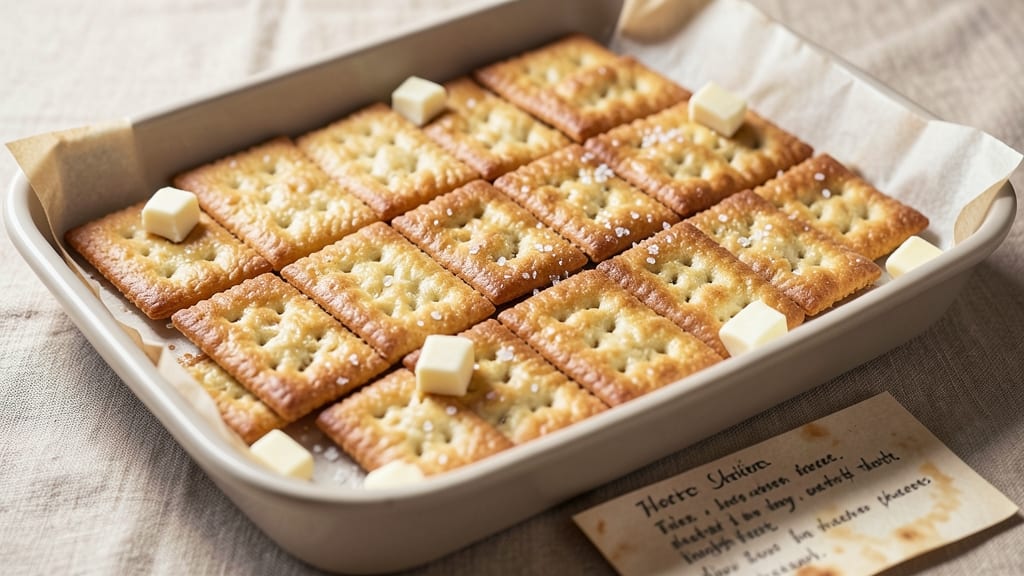
Creating homemade Ritz crackers that deliver that signature buttery shatter is simpler than you'd think—and the payoff is worth every minute. The secret lies in chilled butter layered into the dough, which creates those iconic flaky, melt-in-your-mouth layers that commercial versions can't match.
I perfected this recipe after years of testing, ensuring the texture stays crisp yet tender, with just the right balance of saltiness and richness.
This recipe delivers restaurant-quality results using just five simple ingredients: all-purpose flour, cold unsalted butter, salt, baking powder, and a splash of ice water. The dough comes together in minutes, then rests in the refrigerator to firm up—this chilling step is non-negotiable for achieving that signature cracker texture.
Once baked, the crackers emerge with a golden hue and that unmistakable buttery aroma that fills your kitchen.
What you'll end up with is a batch of crackers that shatter with every bite, offering that perfect blend of buttery richness and subtle saltiness. They stay crisp for days when stored properly, making them ideal for snacking, pairing with cheese, or using as a base for charcuterie boards.
The versatility of this recipe means you can also experiment with herbs or spices for custom variations.
Ready to transform your snack game? Homemade Ritz crackers are easier to make than you'd expect, and the results will have you reaching for the recipe again and again. Let's get started on creating your own batch of buttery perfection.
Ingredients for homemade ritz cracker
Five ingredients. One chilling trick. The secret to crackers that shatter like buttery magic.
| Ingredient | Amount | Notes |
|---|---|---|
| All-Purpose Flour 🌾 | 2 ½ cups | Sifted for best texture |
| Unsalted Butter 🧈 | 1 cup | Cold, cubed for flakiness |
| Fine Sea Salt 🧂 | 1 ½ tsp | Adjust to taste |
| Baking Powder 🍞 | 1 ½ tsp | Ensures proper rise |
| Ice Water 💧 | ¼ cup | Chilled for crispness |
The butter is non-negotiable here—cold and cubed is the key to those signature flaky layers. Plugrá or Land O’Lakes work perfectly, but avoid anything with salt or additives. If your butter’s too soft, pop it in the freezer for 15 minutes. The flour? King Arthur or Bob’s Red Mill are my go-tos—they’ve got that consistent protein level for reliable texture. And don’t skip sifting it. Those little lumps? They’ll make your crackers tough instead of tender. The baking powder might be in your spice rack, but check the date—old powder loses its lift.
No ice water? Cold water from the fridge works in a pinch, but ice keeps the dough firm for easier handling. Short on butter? Vegetable shortening at half the amount gives a similar flaky texture, though it’ll lack that rich buttery flavor. The salt is where you can get creative—Maldon flakes add drama, while kosher salt dissolves better into the dough. Pro tip: If you’re making a big batch, use a food processor for the dough—it’s faster and more consistent. But by hand? Just don’t overwork it. The dough should come together just enough to hold when pressed.
This dough is a chilling champion—rest it 1-2 hours in the fridge before rolling. The longer it chills, the more crisp your crackers will be. Once baked, store them in an airtight container with a paper towel to keep them crisp for up to 5 days. For longer storage, freeze portions for up to 3 months. I like to portion them into small bags so I can grab just what I need. And if you’re feeling fancy, sprinkle extra flaky salt on top right after baking—Maldon or Jacobsen are my favorites for that gourmet touch.
Why You'll Love This Recipe
- No Fuss, No Mess: I swear by this dough—just mix, chill, roll, cut. No stand mixer, no fancy tools, just your hands and a little patience. The butter stays cold, the dough stays manageable, and you’re not scrubbing a bowl afterward.
- Buttery Magic: That first bite? Pure, crispy, salty perfection. Cold butter gets worked into the flour until it’s flaky but not greasy, then baked until golden with that signature snap. Honestly, store-bought can’t compete.
- Party in a Box: These crackers disappear at gatherings—charcuterie boards, cheese trays, even as a snack while you cook dinner. They’re sturdy enough to pack in lunches but still feel special enough for guests. (Yes, even on a Tuesday night.)
- Budget Crunch: A single batch costs pennies and stretches for weeks. Freeze half for later, or keep them in an airtight container where they stay crisp for days. No sad, limp crackers here—just reliable, homemade goodness.
Step-by-step instructions for homemade Ritz crackers
Here's how to create those iconic buttery layers that shatter perfectly every time.
Cut and Chill the Butter
Take the 1 cup unsalted butter from the ingredients list and cut it into ½-inch cubes. Place them on a parchment-lined plate and refrigerate for 30 minutes until completely firm but still pliable. This chilling step is crucial—it prevents the butter from melting into the dough and ensures those signature flaky layers. You'll know it's ready when the cubes hold their shape but still press gently with your finger.
While the butter chills, sift together the 2.5 cups all-purpose flour, 1.5 teaspoons fine sea salt, and 1.5 teaspoons baking powder in a large bowl. Use a whisk to break up any lumps completely. I like to press my fingers into the flour mixture to check for even distribution—this prevents uneven baking later. Set this dry mixture aside for now.
Combine Dough and Create the Laminated Layers
Return the chilled butter cubes to the bowl with the dry ingredients. Using your fingers, gently toss the butter cubes until they're evenly distributed throughout the flour mixture. This step creates the foundation for those signature flaky layers. Work quickly but carefully—you want the butter to coat the flour without melting.
Gradually add the ¼ cup ice water while mixing with a fork or your hands. The ice water is essential here—it binds the dough just enough to hold together while keeping the butter firm. Mix until the dough comes together in shaggy clumps. Be careful not to overwork it; you're aiming for a soft, slightly sticky dough that holds when pressed gently. If it feels too dry, add 1 teaspoon more ice water.
Roll and Cut the Dough
Turn the dough onto a lightly floured surface and pat it into a ¼-inch thick rectangle. This is where precision matters—use a rolling pin to roll the dough out evenly. If you notice the dough sticking, dust lightly with more flour, but don't overdo it or you'll lose the delicate texture. Roll from the center outward to maintain even thickness.
Once rolled, use a sharp knife or pizza cutter to cut the rectangle into 2-inch squares. The cuts should be clean and straight—this ensures even baking and those perfect cracker edges. Gather all the squares and place them on a parchment-lined baking sheet, spacing them about ½ inch apart. This spacing prevents them from spreading during baking and ensures crispy edges.
Bake Until Golden and Crisp
Preheat your oven to 350°F and bake the crackers for 12-15 minutes. You're looking for golden brown edges and a crisp texture when pressed gently. The centers should still look slightly pale—they'll continue baking on the hot sheet after removal. I like to check at the 10-minute mark because ovens vary. If they brown too quickly, reduce the temperature to 325°F for the remaining time.
During the last 2 minutes of baking, watch closely. The crackers should develop a deep golden color and begin to puff slightly at the edges. This is when they develop that signature Ritz shatter—if they look underdone, leave them in the oven for another minute. Remove them immediately when they're done; they'll crisp up more as they cool.
Cool and Store for Maximum Crispness
Let the crackers cool on the baking sheet for 5 minutes before transferring them to a wire rack. This cooling period allows them to set completely and develop that signature snap. I know it's tempting to eat them straight from the oven, but resisting this urge ensures they'll stay crispy for days. The crackers should be cool to the touch before storing.
For best results, store the crackers in an airtight container at room temperature. They'll stay fresh for 5-7 days, but I promise you won't have any left that long. To revive any softness, place them on a baking sheet and bake at 300°F for 5 minutes—they'll be crispy again in no time.
Pro Tips For Making Homemade Ritz Cracker
- CHILL THE DOUGH: I learned this the hard way—skipping the 30-minute fridge rest makes the butter melt unevenly, leading to greasy, uneven crackers. Wrap it tightly in plastic and let it firm up; the wait guarantees crispier layers later.
- WEIGH THE FLOUR: Scooping flour from the bag packs too much air, and your crackers will turn out dense. Use a kitchen scale for precision—1 cup of all-purpose flour is about 120 grams. No scale? Spoon it in gently and level off with a knife, but don’t tap the bowl.
- ROLL UNTIL THIN: Stop when the dough is just translucent in spots—about 1/16-inch thick. Thicker sheets bake unevenly, and you’ll end up with chewy centers. Use a rolling pin with even pressure, and re-roll any thicker spots before cutting.
- CUT SHARPLY, STACK FAST: A dull knife smashes the dough, making ragged edges. Use a sharp paring knife or pizza cutter, and work quickly to avoid the dough warming up. Stack cut sheets on a floured tray immediately—don’t let them sit or they’ll stick together.
Wine and beer pairings for this homemade ritz cracker
Crisp White Wine
For these buttery crackers, I reach for a Sauvignon Blanc from New Zealand or a dry Riesling from Germany. The bright acidity cuts through the richness, making each bite feel refreshing.
A glass of Cloudy Bay Sauvignon Blanc (around $20) is my go-to—its citrus notes complement the crackers' subtle saltiness beautifully. 🍷
Light Beer Pairings
A pilsner or lager balances the crackers' buttery flavor without overpowering them. I love Heineken or Stella Artois for their crisp, clean profiles. For a craft option, try a German Helles like Weihenstephaner—its subtle malt sweetness enhances the crackers' texture.
Avoid heavy stouts or IPAs, which would clash with the delicate flavors.
Sweet Wine Contrast
If you prefer something sweeter, a Moscato d'Asti or Riesling Kabinett adds a fruity contrast that pairs surprisingly well. The slight sweetness echoes the crackers' buttery richness while keeping the palate fresh. I like La Gioiosa Moscato d'Asti (around $12) for its effervescence and peach notes. 🍇
Cheese Board Pairings
Serve your crackers with a sharp aged cheddar or creamy brie on a charcuterie board. The crackers' buttery crunch contrasts perfectly with soft cheeses. For a savory twist, add prosciutto or Gorgonzola dolce. A drizzle of honey ties everything together beautifully.
Coffee and Tea
For a non-alcoholic pairing, a light roast coffee or Earl Grey tea enhances the crackers' buttery notes. The tannins in black tea cut through the richness, while coffee’s acidity keeps the experience fresh. I often enjoy my crackers with a cortado—just enough espresso to balance the buttery flavor. ☕
Nutrition facts
Frequently asked questions
Why does my homemade cracker dough stick together?
The dough should be slightly sticky but hold together when pressed. If it's too wet, add 1 teaspoon flour at a time until it firms up. Overworking the dough can also make it gummy—mix just until combined. The key is using ice water and keeping everything chilled.
Can I make these crackers without butter?
Yes, but the texture will differ. Replace the butter with ½ cup vegetable shortening for a similar flaky result, though it won't taste as rich. For a dairy-free option, use cold coconut oil, but expect a slightly denser cracker. The butter is what creates that signature buttery shatter!
How do I get the crackers to stay crisp longer?
Store them in an airtight container with a paper towel to absorb moisture. Re-crisp by baking at 300°F for 5 minutes if they soften. Avoid plastic containers—they trap humidity. For extra crispiness, bake them for 1-2 extra minutes when first made.
What shapes can I cut these crackers into besides squares?
Get creative! Use cookie cutters for circles, stars, or rectangles, or roll the dough thin and cut into wavy strips for a rustic look. Just keep the thickness consistent (¼-inch) for even baking. The classic Ritz shape is iconic, but variations work beautifully too!
Can I make these crackers gluten-free?
Yes, but with adjustments. Use a 1:1 gluten-free flour blend (like Bob's Red Mill) and add ½ teaspoon xanthan gum if not included. Expect a slightly denser texture, and chill the dough longer (2 hours) to help it hold shape. The buttery flavor will still shine through!