
Side Dishes
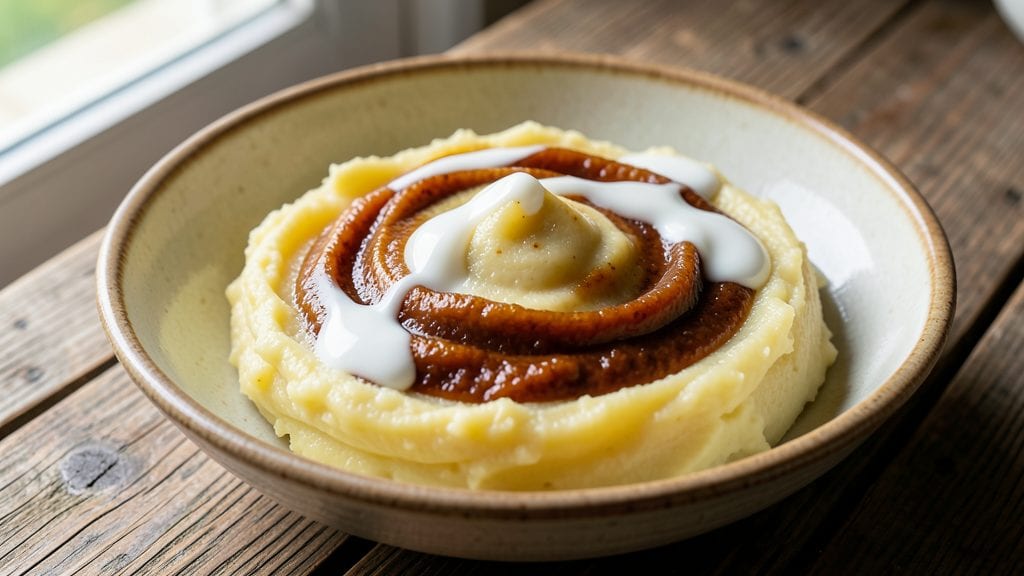
This horseradish mashed potatoes recipe transforms a classic side into a bold, flavor-packed centerpiece that stands up to even the heartiest main dishes.
The sharp, peppery kick of horseradish cuts through rich meats, balancing richness while adding complexity that elevates every bite—whether paired with steak, roasted chicken, or even breakfast sandwiches.
The secret lies in the technique: boiling potatoes until tender, then mashing them with butter and warm milk for a velvety texture before folding in prepared horseradish. This method ensures the heat distributes evenly without overpowering, creating a smooth, creamy base with just the right amount of zing.
Professional results require only a few simple ingredients and about 45 minutes of active time.
What sets these apart is the horseradish—not just a garnish, but the star. A precise amount (about 2 tablespoons of prepared horseradish per pound of potatoes) delivers that signature sharpness without overwhelming.
The result? A side dish so flavorful it becomes the highlight of the meal, with a texture that’s impossibly smooth and a taste that lingers.
Perfect for holiday dinners, game day spreads, or weeknight meals, these mashed potatoes adapt effortlessly. Add roasted garlic for depth, a dollop of sour cream for creaminess, or even a touch of cream cheese for extra richness. Let’s get started on creating a side dish that steals the show.
Ingredients for horseradish mashed potatoes
Nine essential ingredients transform ordinary mashed potatoes into a sophisticated centerpiece.
| Ingredient | Amount | Notes |
|---|---|---|
| Yukon Gold Potatoes 🥔 | 3 lb | Peeled and cubed evenly |
| Unsalted Butter 🧈 | 1 cup | Cold, cut into tablespoons |
| Prepared Horseradish 🌶️ | ¼ cup | High-quality, creamy consistency |
| Heavy Cream 🥛 | ½ cup | Cold for smooth texture |
| Whole Milk 🥛 | ½ cup | Warm for creamy mash |
| Diamond Crystal Kosher Salt 🧂 | 1 ½ tsp | Adjust to taste |
| Freshly Ground Black Pepper 🌶️ | ½ tsp | Cracked over finished mash |
| Roasted Garlic Cloves 🧄 | 2 whole | Optional for depth |
| Sour Cream 🥛 | ¼ cup | For added creaminess |
| Cream Cheese 🧀 | 4 oz | Optional for richness |
| Chives 🌿 | 2 tbsp | Chopped for garnish |
The foundation begins with Yukon Gold potatoes—their waxy texture and buttery flavor make them ideal for creamy mash. Purchase them fresh from a specialty grocer like Whole Foods or Trader Joe's, where they're typically sold in mesh bags to maintain crispness. Avoid russet potatoes, as their fluffy texture won't yield the same velvety consistency. For the horseradish, Bragg Liquid Horseradish is the gold standard in professional kitchens, offering consistent heat without bitterness. Store-bought prepared horseradish often contains vinegar, which can mute the flavor—opt for the pure, creamy variety if available. The butter should be European-style (like Plugrá) for higher fat content, ensuring a richer final product. Keep all ingredients refrigerated until use, especially the dairy components, to maintain optimal freshness and prevent curdling during preparation.
Substitutions should be made thoughtfully to preserve the dish's signature sharpness and creaminess. If you can't find Yukon Golds, red potatoes work well as a secondary option, though they yield slightly less volume. For the horseradish, homemade prepared horseradish (grated fresh horseradish root with vinegar) delivers superior flavor, though it requires 15 minutes of marinating time. Heavy cream can be substituted with half-and-half at a 1:1 ratio, though the texture will be slightly lighter. Whole milk can be replaced with evaporated milk for a richer taste without altering the consistency. The roasted garlic cloves can be omitted entirely or replaced with 1 teaspoon of garlic powder for convenience, though fresh roasted garlic adds depth that's difficult to replicate. For those avoiding dairy, unsweetened almond milk can replace the heavy cream and milk, though the texture will be less luxurious.
Proper storage begins immediately after preparation. Once mashed, transfer the potatoes to a heatproof bowl and cover tightly with plastic wrap pressed directly onto the surface to prevent a skin from forming. Store in the refrigerator for up to 5 days, though the flavor peaks within the first 24 hours as the horseradish's heat mellows slightly. For longer storage, portion into airtight containers and freeze for up to 3 months. When reheating, microwave in 30-second intervals, stirring between each, until warmed through—this method preserves the creamy texture better than stovetop reheating. Garnish with chives immediately before serving to maintain their vibrant color and fresh aroma. Leftovers can be repurposed into breakfast hash or loaded baked potatoes for an easy meal the next day.
Why You'll Love This Recipe
- No-Pot Stress: Boil the Yukon Golds in one pot—no peeling required. Just toss them in with salted water, let them soften while I prep the rest, and drain. Done.
- Spicy Creamy Magic: That horseradish? It’s like a zesty hug for your taste buds, cutting through the richness of the butter and cream. Trust me, the tang balances the creaminess perfectly—it’s addictive.
- Budget-Friendly Kick: Potatoes and cream are cheap, but the horseradish? A little jar lasts forever. You’re getting restaurant-quality flavor for a fraction of the cost—win.
Step-by-step instructions for horseradish mashed potatoes
Here's the method for velvety potatoes with a sharp, balanced horseradish kick that won't overpower.
Boil the Potatoes Until Fork-Tender
Place the 3 lb Yukon Gold potatoes in a large pot and cover with cold water by 2 inches. Add 1.5 tsp Diamond Crystal kosher salt to the water. Bring to a rolling boil over high heat, then reduce to a gentle simmer. Cook for 15-20 minutes until a knife slides in easily when tested.
I like to keep the potatoes whole during boiling to prevent them from breaking apart. The skin should still hold together when you test for doneness. Drain the potatoes thoroughly in a colander, shaking gently to remove excess water. Return them to the pot and cover with a clean kitchen towel to prevent drying while you prepare the remaining ingredients.
Mash the Potatoes with Butter and Warm Milk
Using a potato masher or ricer, break up the hot potatoes in the pot. Add the 1 cup unsalted butter, cut into tablespoons, and mash until mostly smooth with a few small lumps remaining. This texture creates the perfect balance of creaminess and bite.
Gradually pour in the 0.5 cup warm whole milk while continuing to mash. The warmth of the milk helps emulsify the butter for a silky texture. If the mixture looks too thick, add more milk 1 tablespoon at a time until you reach a smooth, spreadable consistency. Keep the potatoes warm over low heat while you prepare the horseradish mixture.
Incorporate Horseradish and Cream Cheese
In a separate bowl, combine the 0.25 cup prepared horseradish, 0.25 cup sour cream, and 4 oz cream cheese. Mix until smooth and fully incorporated. This step ensures even distribution of the sharp horseradish flavor throughout the potatoes.
Temper the mixture by gradually adding 2 tablespoons of the warm mashed potatoes to the horseradish bowl while whisking continuously. This prevents the cream cheese from curdling when combined with the hot potatoes. Once fully blended, pour the horseradish mixture back into the potato pot and mash together until completely combined.
Finish with Heavy Cream and Seasonings
Gently fold in the 0.5 cup cold heavy cream until fully incorporated. The cold cream adds richness and helps create a light, airy texture. Add the 2 whole roasted garlic cloves, if using, and mash until they break down completely, releasing their sweet, mellow flavor.
Season with 0.5 tsp freshly ground black pepper and taste. Adjust the Diamond Crystal kosher salt if needed - the potatoes should be seasoned but not overly salty. For best results, serve immediately while still warm, garnished with 2 tbsp chopped chives.
Pro Tips For Making Horseradish Mashed Potatoes
- Boil Until Fork-Tender: Yukon Golds should collapse like butter when pierced—no one likes mushy potatoes. Test one at 15 minutes; if it’s still firm, add 5 more. Overcooking turns them gluey, and no amount of horseradish can save that.
- Salt the Water Aggressively: Toss in 2 tablespoons of salt with the potatoes (yes, even if they’re Yukons). The skin absorbs flavor, and salty water guarantees the mash won’t taste bland later—especially when horseradish’s sharpness needs a balanced partner.
- Temper the Horseradish: Mix the prepared horseradish into the warm mash, not the cold bowl. Cold cream curdles when hit with raw horseradish, and you’ll end up with lumpy, sad potatoes. Stir in a little at a time—start with 1 tablespoon, taste, then add more.
- Use Equal Parts Cream and Milk: Heavy cream makes it rich, but whole milk keeps it from turning into butter. Split the difference: ¼ cup heavy cream + ¼ cup milk for every pound of potatoes. The cream adds silkiness, while milk prevents a greasy finish.
Common mistakes when making great horseradish mashed potatoes
Overcooking Potatoes
Boiling potatoes until they're mushy instead of fork-tender is a game-changer for texture. I've ruined many batches by keeping them in the water too long after they're done—this creates a gluey mess that no amount of butter can fix.
Test doneness by piercing with a knife: it should slide in easily with just slight resistance. For 3 lb Yukon Gold potatoes, 15-20 minutes is perfect. Set a timer to avoid overcooking. 🌡️
Adding Horseradish Too Early
The biggest mistake I see is mixing horseradish directly into hot mashed potatoes. The heat destroys the delicate enzymes that create its signature sharpness, leaving you with a bland, vinegary flavor.
Always temper the horseradish mixture with 2 tbsp warm potatoes first—this gradual introduction preserves the kick while preventing curdling. I recommend preparing the horseradish separately in a cool bowl before combining.
Skipping the Tempering Step
When combining cold cream cheese or sour cream with hot potatoes, many cooks just dump everything together. This causes the dairy to curdle, creating an unappetizing grainy texture. The solution? Always temper by mixing 2 tbsp warm potatoes with the cold dairy first.
This gentle transition maintains that silky smoothness we all crave. I've learned this the hard way—trust me, your taste buds will thank you.
Using Low-Quality Horseradish
Not all horseradish is created equal. Store-bought varieties often contain vinegar or additives that mute the flavor. For authentic sharpness, use Bragg Liquid Horseradish or make your own by grating fresh horseradish root with a bit of vinegar.
The difference is night and day—your potatoes will have that signature peppery bite that makes this recipe special. I keep a small jar of prepared horseradish in my fridge for quick access.
Incorrect Butter Temperature
Cold butter creates lumps, while butter that's too soft can make the mash greasy. The ideal approach is to use 1 cup cold butter cut into tablespoons—this allows it to melt gradually as you mash, creating a perfect emulsion.
I like to keep my butter in the freezer for 10 minutes before using to ensure it's firm enough. This technique gives you that luxurious, velvety texture without any greasiness.
Neglecting the Resting Phase
Freshly mashed potatoes continue to thicken as they sit. If you serve them immediately after mashing, they'll be too thin and watery. Let them rest for 5-10 minutes before adding the horseradish mixture. This gives the starch time to set properly.
I often cover the bowl with plastic wrap pressed directly onto the surface to prevent skin formation while resting. The result is a more stable, restaurant-quality texture. 💡
Nutrition facts
Frequently asked questions
Can I make these horseradish mashed potatoes ahead of time?
These potatoes actually taste better the next day as the flavors meld together. Store in an airtight container in the fridge for up to 5 days. For reheating, microwave in 30-second intervals, stirring between each, until warmed through. The texture remains creamy when handled gently—never overmix after reheating.
How do I adjust the horseradish heat level?
Start with 2 tablespoons of prepared horseradish per pound of potatoes, then adjust to taste. For milder flavor, reduce by half. For extra kick, add 1 teaspoon at a time until you reach your desired heat. Remember, the horseradish mellows slightly after sitting, so start conservative if you're sensitive to spice.
What's the best way to serve these potatoes?
These bold potatoes pair perfectly with rich meats like steak, roasted chicken, or smoked salmon. They also work well as a breakfast side with eggs or in loaded baked potatoes. For extra presentation, top with crispy bacon bits or a dollop of crème fraîche before serving.
Can I substitute fresh horseradish root?
Yes! Grate 1 tablespoon fresh horseradish root and mix with 1 teaspoon apple cider vinegar. Let sit for 15 minutes before using. Fresh horseradish has more intense heat and vibrant flavor than prepared versions. For best results, strain out any excess liquid before adding to your potatoes.
Why did my mashed potatoes turn out greasy?
Greasy texture usually happens when butter melts too quickly or you overmix. Use cold butter cut into tablespoons and mash just until smooth—don't overwork. Also ensure your potatoes are fully drained after boiling. If the problem persists, reduce the butter by 1 tablespoon and increase the warm milk slightly for better emulsion.