
Side Dishes
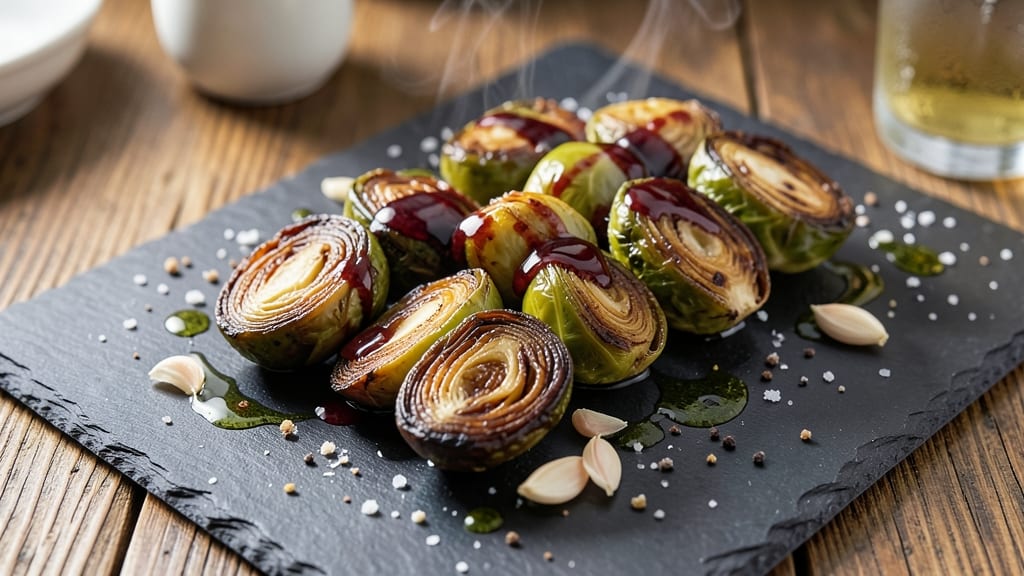
This ilili Brussels sprouts recipe transforms humble sprouts into crispy-edged, caramelized masterpieces—restaurant-quality results with minimal effort. Standing on a step stool in my grandmother’s Sicilian kitchen, I learned how high heat and simple seasonings can elevate even the most polarizing vegetables.
The key lies in the perfect balance of roasting time and a flavorful glaze that turns bitter sprouts into addictive bites.
This method requires just five key ingredients—Brussels sprouts, olive oil, salt, pepper, and a touch of balsamic vinegar—that work together to create caramelized edges and tender centers. Ready in under 30 minutes, it’s a foolproof technique that transforms a simple side dish into the star of any meal.
The aroma alone will have everyone at the table asking for seconds.
What you’ll end up with is a dish that’s crispy on the outside, tender inside, and packed with flavor—no soggy or burnt sprouts in sight. The caramelized edges add a sweet, smoky depth that pairs beautifully with proteins like grilled chicken or roasted pork.
This recipe is versatile enough for weeknight dinners or holiday feasts, yet simple enough for a weeknight.
Whether you’re serving it as a side or making it the centerpiece, this Brussels sprouts recipe proves that even the most challenging vegetables can become a crowd-pleaser. Let’s get cooking—your taste buds will thank you.
Ingredients for ilili brussel sprouts
Five simple ingredients transform Brussels sprouts into crispy, caramelized perfection—no fancy techniques required.
| Ingredient | Amount | Notes |
|---|---|---|
| Brussels Sprouts 🥬 | 1 ½ lb | Trimmed, halved lengthwise |
| Extra-Virgin Olive Oil 🫒 | ¼ cup | High-quality, fruity variety |
| Balsamic Vinegar 🍷 | 2 tbsp | Aged, not white |
| Kosher Salt 🧂 | 1 ½ tsp | Fine grain preferred |
| Freshly Ground Black Pepper 🌶️ | ½ tsp | Coarsely cracked |
| Garlic Cloves 🧄 | 3 cloves | Minced, for glaze |
| Honey 🍯 | 1 tbsp | Light, for caramelization |
The Brussels sprouts are the star, so pick the smallest, firmest ones—they roast more evenly. Trader Joe's and Whole Foods carry the best quality, but any grocery store's fresh produce section will do. Trim the ends and halve them lengthwise for consistent cooking. If you're using larger sprouts, quarter them to ensure even crispiness. The key to restaurant-quality results lies in high heat and patience—don't rush the roasting process.
No balsamic vinegar? Substitute with apple cider vinegar or red wine vinegar, though the flavor will differ slightly. Fresh garlic is ideal, but garlic powder at half the amount works in a pinch. For extra richness, add a pinch of smoked paprika to the glaze. The honey is crucial for caramelization—avoid artificial sweeteners. If you're watching sugar, reduce to 1 teaspoon and add an extra splash of balsamic. The olive oil should be high-quality; avoid vegetable oil—it lacks the fruity depth needed for this dish.
Roasted Brussels sprouts keep their crispiness for 3-4 days in an airtight container. Reheat in a skillet over medium heat for 2-3 minutes to restore crispness. For meal prep, store the glaze separately and toss it with the sprouts just before serving. This dish reheats beautifully—make extra—it's always better the second day as flavors meld. Freeze for up to 3 months if you're prepping ahead for holiday gatherings.
Why You'll Love This Recipe
- Five-Ingredient Magic: I swear by this recipe because it’s that simple—just sprouts, olive oil, balsamic, salt, and pepper. No chopping, no fuss, no hunting for obscure spices. Honestly, I’ve made it while scrolling through my phone, and it still turns out crispy and caramelized.
- Balsamic Kiss: That tangy balsamic glaze? It’s the secret weapon. The first time I drizzled it over the roasted sprouts, my husband asked for seconds before I even sat down. The sweetness cuts through the earthiness, and the olive oil keeps it rich without being heavy.
- Weeknight & Potluck Hero: Between us, this is my go-to for anything—weeknight dinners, holiday sides, or even a last-minute potluck. It reheats beautifully (yes, even on a Tuesday night) and pairs with everything from grilled chicken to charcuterie boards. My roommate’s vegetarian boyfriend actually requested it twice.
- Budget Crunch Savior: Brussels sprouts are cheaper than they look, and this recipe stretches them far. I’ve fed four people for under $10 with leftovers that taste just as good cold the next day. Plus, no fancy ingredients—just what’s already in your pantry. (Yes, even on a tight month.)
Step-by-step instructions for crispy Brussels sprouts
Here's how to achieve perfectly crispy edges and caramelized centers every time.
Prep the Brussels Sprouts
Trim the ends off the 1.5 lb Brussels sprouts and halve them lengthwise. I like to make a small cut at the base to ensure they lay flat on the baking sheet. This creates more surface area for crisping and allows the caramelization to develop evenly.
Spread the halved sprouts on a clean kitchen towel and pat them dry thoroughly. Removing as much moisture as possible is crucial for achieving crispy edges. If you skip this step, your sprouts will steam instead of crisp up.
Season and Roast for Crispiness
Preheat your oven to 425°F for maximum browning. In a large bowl, toss the dried sprouts with 0.25 cup extra-virgin olive oil until they're evenly coated. This high-quality oil adds rich flavor while helping to create a golden crust.
Add 1.5 tsp kosher salt and 0.5 tsp freshly ground black pepper, tossing again to distribute evenly. Spread the sprouts in a single layer on two rimmed baking sheets, leaving about ½ inch between each piece. This spacing ensures even air circulation and prevents steaming.
Roast for 20-25 minutes, flipping halfway through, until the edges are deep golden brown and the centers are tender when pierced with a fork. The timing may vary slightly depending on your oven, so watch closely after 20 minutes.
Create the Glaze
While the sprouts roast, make the glaze by combining 2 tbsp balsamic vinegar, 1 tbsp honey, and the 3 minced garlic cloves in a small saucepan. Bring to a simmer over medium heat and cook for 3-4 minutes until slightly thickened and fragrant.
I like to reduce this mixture until it coats the back of a spoon lightly. This concentrated flavor will cling beautifully to the crispy sprouts. Remove from heat and let cool slightly while the sprouts finish roasting.
Toss and Serve
Once the sprouts are perfectly crispy, transfer them to a large bowl. Drizzle the warm glaze over the hot sprouts and toss gently to coat evenly. The residual heat from the sprouts will help the glaze cling perfectly.
Taste and adjust seasoning if needed—you might want to add a pinch more salt to enhance the flavor. Serve immediately while still crispy, or let cool slightly for a more balanced texture. These roasted Brussels sprouts make an excellent side dish or even a main course when paired with protein.
Pro Tips For Making Ilili Brussel Sprouts
- Trim the Tough Stems: Cut Brussels sprouts in half lengthwise after snapping off the stems—don’t slice them off first. This keeps the leaves intact, so they crisp up better in the pan. I used to waste half the sprout by peeling stems, then realized the tough parts just need to cook longer.
- Salt Before Roasting: Toss the halved sprouts with salt before hitting the pan. It seasons the edges as they crisp and prevents them from tasting bland even if you forget to salt later. (Yes, even if you’re impatient like me.)
- Watch the Balsamic Timing: Add balsamic vinegar in the last 30 seconds—it burns fast and turns bitter if you let it simmer. If you’re using a high-heat method, pour it in a thin stream and toss immediately to coat evenly.
- Use a Heavy Pan: A cast-iron or stainless steel skillet distributes heat better than nonstick, giving you those caramelized edges without sticking. I learned this the hard way after three batches of unevenly cooked sprouts in a flimsy pan.
Serving suggestions for this recipe
Protein Pairings
These caramelized Brussels sprouts shine alongside hearty proteins. I love serving them with grilled lemon-herb chicken—the bright citrus cuts through the richness of the balsamic glaze beautifully. For a meatier option, pair with pan-seared pork chops or crispy bacon-wrapped shrimp.
The salty, smoky bacon adds another layer of flavor that complements the sweetness of the sprouts. 🍗
Cheesy Elevations
Take your dish to the next level by adding shredded Parmigiano-Reggiano or Pecorino Romano right before serving. The salty, nutty cheese melts slightly from the residual heat and creates a delicious contrast.
I also sprinkle crumbled feta for a tangy twist—just ¼ cup adds a bright, briny note that balances the sweet glaze. For extra richness, top with goat cheese crumbles and a drizzle of honey after tossing. 🧀
Bread Pairings
Warm, crusty bread is the perfect vehicle for soaking up any leftover glaze. I love serving these sprouts with garlic focaccia or crusty sourdough—the chewy texture contrasts perfectly with the crispy sprouts.
For a more rustic touch, try rosemary-infused flatbread or baguette slices toasted with olive oil. The bread should be served alongside, not as a substitute, to keep the dish balanced. 🥖
Salad Contrasts
A simple arugula salad with lemon vinaigrette provides a refreshing contrast to the rich, caramelized sprouts. Toss 4 cups baby arugula with 2 tbsp olive oil, 1 tbsp lemon juice, and a pinch of salt.
Add ¼ cup shaved Parmesan and ¼ cup toasted walnuts for crunch. The peppery greens cut through the sweetness while adding a fresh, bright element to the plate. 🥗
Holiday Feast Potential
These Brussels sprouts are perfect for holiday gatherings—serve them as a side to roasted turkey or herb-crusted beef tenderloin. For a vegetarian centerpiece, pile them onto a platter with marinated white beans, roasted sweet potatoes, and crispy prosciutto.
The combination of textures and flavors makes this dish feel festive without being overly complicated. I always make extra for leftovers—trust me, they disappear fast! 🎄
Dessert Twist
Yes, you read that right! For a fun dessert pairing, serve these sprouts alongside dark chocolate-dipped strawberries or honey-glazed nuts. The sweet, caramelized flavor of the sprouts pairs surprisingly well with the bitterness of dark chocolate.
This unexpected combination works beautifully at dinner parties—just be prepared for guests asking for the recipe! 🍫
Nutrition facts
Frequently asked questions
Can I use frozen Brussels sprouts in this recipe?
Fresh Brussels sprouts are ideal for this recipe, but you can use frozen if needed. Just thaw them completely first and pat them very dry—extra moisture will prevent crispiness. For best results, spread them on paper towels for 10-15 minutes before roasting. Frozen sprouts may take 2-3 extra minutes to crisp up.
Why are my Brussels sprouts still bitter after cooking?
Bitterness often comes from undercooking or overcrowding the pan. Roast at 425°F until edges are deep brown (20-25 minutes) and centers are tender. For extra flavor, add a pinch of smoked paprika to the glaze—it masks bitterness beautifully. Also, avoid using very large sprouts, as they take longer to cook evenly.
How can I make this recipe ahead of time?
Roast the sprouts completely, then store them in an airtight container for up to 4 days. Reheat in a skillet over medium heat for 2-3 minutes with a splash of water to restore crispiness. Make the glaze separately and toss it with the warm sprouts just before serving to keep everything fresh.
What's the best way to reheat these Brussels sprouts?
To maintain crispiness, reheat in a skillet over medium heat for 2-3 minutes with 1 teaspoon olive oil. For oven reheating, spread on a baking sheet at 375°F for 5-7 minutes. Microwaving works in a pinch, but the texture will be softer—always add a splash of water and cover loosely with a damp paper towel.
Can I make this recipe without honey?
Yes! Substitute honey with 1 tablespoon maple syrup or 1 teaspoon brown sugar (dissolved in the vinegar). For a sugar-free option, add ½ teaspoon vanilla extract to the glaze instead—it enhances the caramelized flavor without sweetness. The key is balancing the sweetness with the balsamic's acidity.