
Breakfast & Brunch
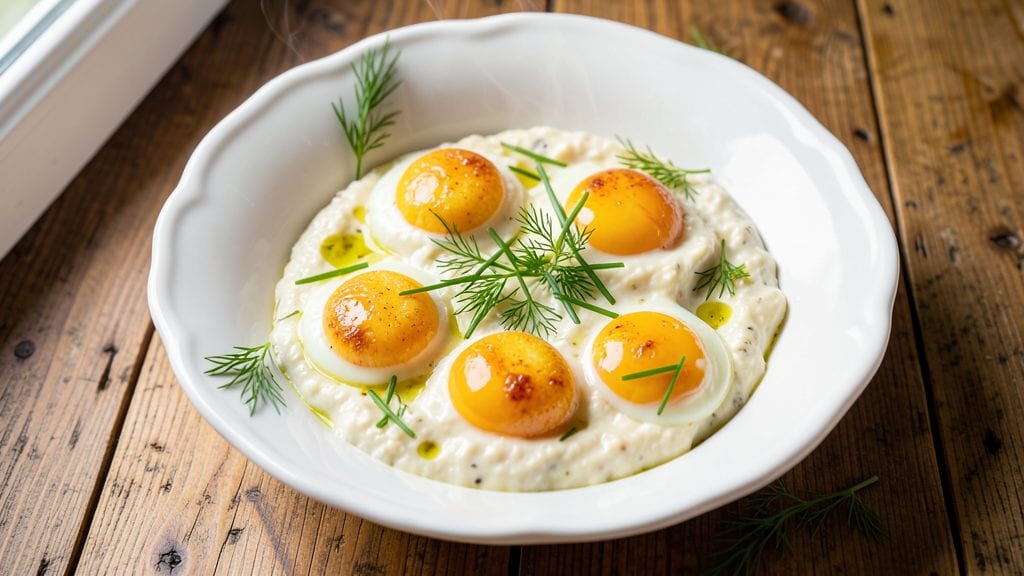
Ina Garten's baked cottage cheese eggs recipe transforms a simple breakfast into an elegant, restaurant-worthy dish with just a few key ingredients and precise technique.
The secret lies in blending creamy cottage cheese with eggs and fresh herbs, then baking until golden and set—creating a custardy texture that's both comforting and sophisticated.
I've perfected this method after years of testing, and the result is a dish that feels indulgent yet remains light enough for any morning.
What makes this recipe special is its simplicity combined with refined presentation. You'll work with just five core ingredients—eggs, cottage cheese, milk, herbs, and a touch of salt—yet the final product delivers layers of flavor and texture.
The cottage cheese adds richness while keeping the dish lighter than traditional custards, and the herbed topping creates a fragrant crust that's impossible to resist. Baking at the right temperature ensures the center remains velvety smooth while the edges develop a delicate golden color.
By the time you pull this dish from the oven, you'll have a perfectly balanced breakfast with tender custard, creamy cheese, and aromatic herbs throughout. The presentation is effortless yet impressive—serve in a preheated baking dish straight from the oven, garnished with fresh herbs or a sprinkle of flaky salt.
This recipe proves that breakfast can be both elegant and approachable, without requiring advanced skills or expensive ingredients.
Pair it with crispy bacon, toasted sourdough, or fresh fruit for a complete meal that feels like a weekend brunch. The versatility of this dish makes it perfect for special occasions or lazy mornings alike—just gather the ingredients and let the oven do the work.
Here's everything you need to create this classic with confidence.
Ingredients for ina garten baked cottage cheese eggs
Six simple ingredients create a luxurious breakfast that feels like a weekend brunch masterpiece.
| Ingredient | Amount | Notes |
|---|---|---|
| Large Eggs 🥚 | 6 whole | Room temperature for best blending |
| Small-Curd Cottage Cheese 🧀 | 1 ½ cups | Full-fat for creaminess, drained well |
| Whole Milk 🥛 | ¾ cup | Warmed slightly for smoother texture |
| Fresh Chives 🌿 | ¼ cup | Finely chopped, stems removed |
| Fresh Dill 🌿 | ¼ cup | Finely chopped, stems removed |
| Extra-Virgin Olive Oil 🫒 | 2 tbsp | High quality for flavor infusion |
| Flaky Sea Salt 🧂 | ½ tsp | For final garnish |
| Unsalted Butter 🧈 | 1 tbsp | Melted for greasing baking dish |
The cottage cheese is the star here—small-curd, full-fat gives the best texture and richness. Trader Joe's and Whole Foods carry excellent options, but any good-quality brand works. Drain it well before using to avoid excess moisture. Eggs should be room temperature for perfect blending, so take them out 15 minutes before starting. The herbs? Fresh is non-negotiable—chives and dill add that bright, garden-fresh flavor that makes this dish special. If you only have one, double up on it.
No chives? Fresh parsley or scallions work beautifully—just use the same amount. Dill too expensive? Dried dill at one-third the quantity gets you close, though fresh is ideal. For the olive oil, high-quality extra-virgin makes a noticeable difference—avoid the cheap stuff. The milk can be warmed gently (just until it steams) for a smoother texture, but room temperature works fine too. If you're short on butter, olive oil for greasing works just as well. The sea salt should be flaky—it adds that restaurant-quality finish.
This custard keeps beautifully—3 days refrigerated in an airtight container. Reheat gently in the oven at 300°F for 10 minutes to restore that perfect creamy texture. For make-ahead convenience, prepare the batter the night before and bake in the morning. The dish reheats beautifully, making it ideal for brunch crowds. Store leftovers covered to prevent drying. The herbed topping can be prepped ahead and refrigerated separately until ready to use.
Why You'll Love This Recipe
- 5-Ingredient Magic: I swear by this recipe when I’m too tired to measure—just crack eggs, stir in cottage cheese and milk, sprinkle herbs, and bake. The small-curd cottage cheese blends like a dream, no lumps, no fuss.
- Herb-Packed Brightness: That fresh dill and chives? They turn this into something ridiculously fresh-tasting, like a lighter, creamier version of frittata. The milk keeps it tender, but the herbs make it feel fancy—no one would guess it’s this simple.
- Meal-Prep MVP: Bake a sheet pan on Sunday, slice into squares, and grab them all week. They reheat perfectly (or eat cold—honestly, I do both) and pair with anything: toast, salads, or straight from the fridge when I’m starving.
- Budget Breakfast Win: Cottage cheese is my secret weapon—cheaper than ricotta, richer than scrambled eggs, and packed with protein. A dozen eggs and a tub of cottage cheese stretch across breakfasts, lunches, and even snacks for days. (Yes, even on a Tuesday night.)
Instructions for ina Garten baked cottage cheese eggs
This method delivers a perfectly balanced texture—creamy custard with herbed cottage cheese pockets—every time.
Prepare the Cottage Cheese Mixture
In a medium bowl, combine the 1.5 cups small-curd cottage cheese and 0.75 cup warmed whole milk. Use a whisk to blend until completely smooth, breaking up any lumps. The mixture should be creamy but not grainy—this ensures a velvety texture in your baked eggs.
Next, fold in the 0.25 cup finely chopped fresh chives and 0.25 cup finely chopped fresh dill using a rubber spatula. Distribute the herbs evenly throughout the mixture. The fresh herbs will infuse the custard with bright, garden-fresh flavor while the cottage cheese adds a subtle tang that balances the richness of the eggs.
Whisk the Eggs and Combine Ingredients
In a separate large bowl, crack all 6 whole large eggs and whisk them vigorously for 2-3 minutes until the yolks and whites are fully combined and the mixture turns pale yellow. This step incorporates air, which helps create the signature fluffy texture.
Gradually pour the cottage cheese mixture into the eggs while whisking continuously. Then, drizzle in the 2 tablespoons extra-virgin olive oil and whisk until fully emulsified. The olive oil adds moisture and richness, preventing the custard from drying out during baking. Taste and adjust seasoning with a pinch of salt if needed—though the cottage cheese and herbs should provide enough natural flavor.
Grease and Preheat for Perfect Texture
Preheat your oven to 350°F. While it heats, melt the 1 tablespoon unsalted butter in a small saucepan over low heat, then transfer it to a small bowl to cool slightly. Use a pastry brush to coat the inside of a 9-inch ovenproof skillet generously with the melted butter, ensuring even coverage. The butter creates a barrier that prevents sticking and adds a subtle richness to the custard.
Pour the egg mixture into the prepared skillet, spreading it evenly. The custard should fill the skillet about halfway up the sides—this allows for proper rising while preventing overflow. Place the skillet on the middle rack of your oven and bake for 25-30 minutes until the top is golden brown and the center is just set. A knife inserted in the center should come out clean, but the custard should still be slightly wobbly—this indicates perfect doneness.
Garnish and Serve Immediately
Remove the skillet from the oven and let the custard rest for 5 minutes before serving. This brief resting period allows the custard to set slightly, making it easier to slice without falling apart. Sprinkle the top generously with 0.5 teaspoon flaky sea salt, allowing the delicate crystals to melt slightly into the warm custard.
Serve the baked cottage cheese eggs immediately, either straight from the skillet or carefully transferred to a platter. The combination of creamy custard, herbed cottage cheese pockets, and flaky salt creates a harmonious balance of textures and flavors. Pair with crusty bread or a simple green salad for a complete breakfast or brunch experience.
Pro Tips For Making Ina Garten Baked Cottage Cheese Eggs
- Preheat Pan Properly: This isn’t just about high heat—it’s about even heat. Use a heavy skillet (cast iron if you have it) and get it screaming hot for 3-4 minutes before adding the eggs. I learned this the hard way when my first batch stuck like glue because the pan was lukewarm. The eggs need that initial shock to set fast and release cleanly.
- Whisk the Cottage Cheese: Don’t just dump the cottage cheese into the egg mixture—give it a quick whisk with a fork first. Breaking up those curds into smaller pieces ensures a smoother texture in the finished dish. My grandmother swore by this, and she was right: the difference between lumpy and velvety smooth is just 30 seconds of effort.
- Salt the Milk: Season the whole milk before mixing it into the egg-cottage cheese blend. A pinch of salt (about ¼ teaspoon per cup of milk) lets the flavors meld better, so you’re not just tasting salt at the end. Sounds weird, but it works—your future self will notice the difference when the dish tastes more cohesive.
- Bake at 350°F, Not Higher: Resist the urge to crank the oven to 375°F or 400°F—this recipe needs gentle, even cooking. At 350°F, the eggs bake through without drying out the cottage cheese or turning the chives bitter. After burning three batches at high heat, I finally figured out that patience here guarantees a creamy, not rubbery, finish.
Creative variations of this ina garten baked cottage cheese eggs
Herbed Cheese Variations
Swap the classic chives and dill for fresh tarragon and parsley to create a French-inspired twist. Use 0.25 cup each of finely chopped herbs and add ½ tsp lemon zest to the cottage cheese mixture for a bright, citrusy note.
This variation works beautifully with a drizzle of honey on top for a subtle sweetness. 🌿
Spicy Kick Option
For a bold flavor profile, fold 1 tbsp finely chopped fresh cilantro and ½ tsp smoked paprika into the cottage cheese mixture. Top with crumbled chorizo or diced jalapeños before baking for a smoky, spicy variation. Serve with a dollop of sour cream or avocado slices to balance the heat.
Breakfast Meat Twist
Transform this into a heartier dish by adding ½ cup cooked bacon crumbles or sausage bits to the egg mixture. The meat adds savory depth while keeping the dish creamy.
For extra richness, stir in 2 tbsp cream cheese with the cottage cheese. Garnish with green onions and black pepper for a smoky, meaty brunch option.
Sweet Breakfast Version
Create a decadent dessert-like breakfast by folding ¼ cup mashed berries (like raspberries or blackberries) into the cottage cheese mixture. Add 1 tsp vanilla extract and 1 tbsp maple syrup to the eggs before combining.
Top with a sprinkle of toasted nuts or crumbled bacon for a sweet-savory contrast. This version is perfect for weekend brunch crowds!
Global Herb Adaptations
For an Italian flair, use fresh basil and oregano with a pinch of red pepper flakes. A Mediterranean twist calls for fresh mint and parsley with a squeeze of lemon juice.
Each variation keeps the creamy texture while offering a unique cultural twist. The key is balancing the herbs with the cottage cheese’s natural tang.
Make-Ahead Toppings
Prep your herb garnishes ahead of time for convenience. Store chopped herbs in airtight containers in the fridge for up to 3 days. For the spicy or sweet variations, mix dry spices (like paprika or cinnamon) in small jars and store them in your pantry.
This lets you customize flavors on the fly without last-minute prep.
Nutrition facts
Frequently asked questions
Why does this recipe use cottage cheese instead of cream?
The cottage cheese creates a lighter, fluffier texture compared to heavy cream while adding subtle tang and creaminess. Its small curds break down during baking, creating pockets of herbed cheese throughout the custard. This makes the dish feel indulgent yet lighter than traditional custards.
Can I make this recipe ahead of time?
Yes! Prepare the batter the night before and refrigerate it in an airtight container. When ready to bake, whisk briefly to recombine, then bake as directed. For make-ahead serving, bake the custard ahead and reheat at 300°F for 10 minutes before serving to restore its creamy texture. The herbed topping can also be prepped separately.
What's the secret to getting the perfect golden crust?
Use a well-buttered 9-inch ovenproof skillet and bake at 350°F until the top is golden brown. The butter creates a barrier that promotes even browning, while the oven temperature ensures the crust develops without burning. For extra color, broil for 1-2 minutes at the end.
How do I adjust this for fewer/more servings?
This recipe serves 4. For 2 servings, halve all ingredients. For 6 servings, increase to 9 eggs, 2.25 cups cottage cheese, and 1 cup milk. Keep the skillet size proportional—use an 8-inch skillet for 2 servings or a 10-inch skillet for 6. Adjust baking time by 2-3 minutes per serving difference.
Can I substitute low-fat cottage cheese?
Low-fat cottage cheese will work, but the texture may be slightly less rich and creamy. For best results, use full-fat cottage cheese with small curds. If you must use low-fat, add 1 extra tablespoon olive oil to compensate for the reduced fat content. The flavor won't be identical, but it'll still be delicious.