
Desserts
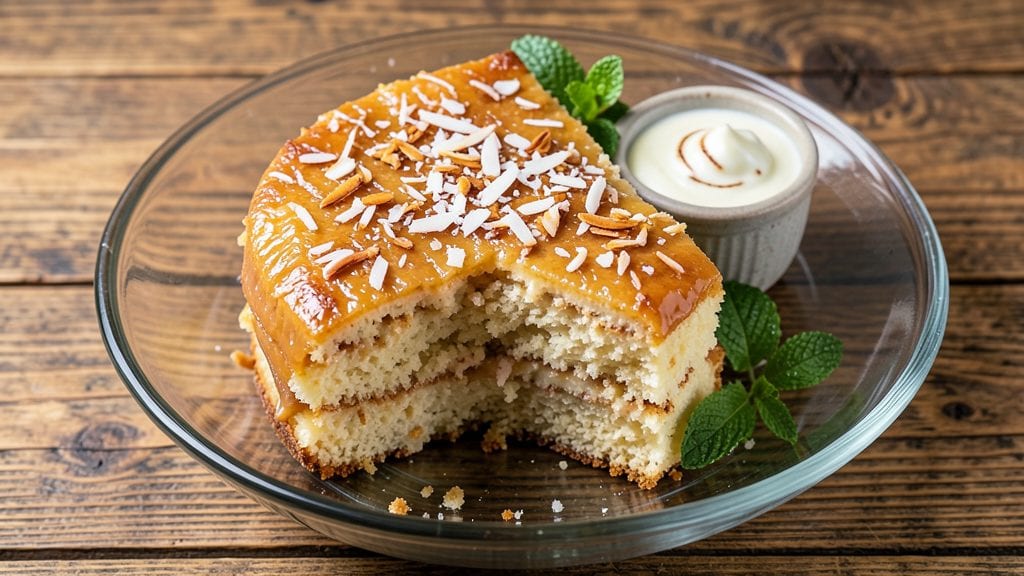
Ina Garten’s coconut cake recipe delivers layers of moist, tropical flavor with a signature vanilla bean infusion that transforms a simple dessert into something extraordinary.
The secret lies in balancing shredded coconut with just the right amount of coconut milk and oil, creating a cake that’s rich yet light—never heavy or overly sweet. I’ve baked this version countless times, and the difference between this and store-bought coconut cakes is night and day.
The cake’s magic comes from two key techniques: infusing the batter with vanilla bean paste (not extract) for deep, aromatic flavor, and folding in toasted coconut at the end to add texture without drying out the crumb.
Baking at a precise 350°F ensures even layers that stay tender, while the optional coconut cream frosting ties everything together with a velvety finish. This isn’t just dessert—it’s a showstopper for holidays, brunch, or anytime you crave a taste of the tropics.
What you’ll end up with is a cake that’s perfectly balanced—moist, fragrant, and just sweet enough to satisfy without overwhelming. The vanilla bean infusion adds a luxurious depth, while the toasted coconut provides a subtle crunch that contrasts beautifully with the soft layers.
It’s the kind of dessert that makes guests ask for the recipe, and the kind of treat that feels special enough for company but simple enough for a weeknight indulgence.
For an extra touch, garnish with fresh coconut flakes or a sprinkle of turbinado sugar before serving—it adds visual appeal and a satisfying crunch. The frosting can be adjusted for richness or lightness, depending on your preference, but the cake itself holds up beautifully on its own. Let’s get baking!
Ingredients for ina's coconut cake
Eight ingredients create layers of tropical perfection with Ina's signature vanilla bean touch.
| Ingredient | Amount | Notes |
|---|---|---|
| All-Purpose Flour 🌾 | 2 ½ cups | Sifted for light texture |
| Granulated Sugar 🍚 | 1 ½ cups | Superfine for even moisture |
| Brown Sugar, Packed 🍚 | ¾ cup | Light and dark balance |
| Coconut Milk (Full-Fat) 🥥 | 13 ½ oz | Canned, full-fat preferred |
| Coconut Oil (Refined) 🫒 | ½ cup | Melted, not solidified |
| Vanilla Bean Paste 🌿 | 2 tbsp | Not extract, whole beans |
| Baking Soda 🧂 | 1 tsp | Freshly opened preferred |
| Salt 🧂 | 1 tsp | Fine grain, kosher works |
| Shredded Coconut (Sweetened) 🥥 | 1 ½ cups | Toasted lightly before folding |
| Large Eggs 🥚 | 4 whole | Room temperature preferred |
| Fresh Coconut Flakes 🥥 | ¼ cup | For garnish, toasted |
| Turbinado Sugar 🍚 | 0.1 cup | For sprinkling, coarse |
The coconut milk is everything here—full-fat, canned is non-negotiable for that rich, creamy texture. I always grab Native Forest or Thai Kitchen brands from the Asian aisle—they've got the right balance of creaminess without being too watery. Toasting the shredded coconut? Dry pan on medium for 2-3 minutes until golden, then let cool before folding into batter. The vanilla bean paste is where the magic happens—Maille or Vanilla Company are my go-tos, but any good paste will work as long as it's not extract. The eggs should be at room temperature for even baking, so take them out of the fridge 30 minutes before starting.
No vanilla bean paste? Vanilla extract at half the amount gets you close, though it lacks that deep, whole-bean aroma. Want to stretch the coconut milk? Add 2 tbsp whole milk to the batter—it keeps things moist without altering flavor. The brown sugar can be swapped for light muscovado if you want a deeper caramel note. And if you're out of turbinado sugar for garnish, coarse sea salt sprinkled on top adds a nice contrast. The baking soda is important—don't skip it, even if your recipe says 'just add water'. It's what lifts those layers!
This cake tastes even better the next day, so make it ahead if you can. Store it wrapped tightly in plastic at room temperature for 2 days, or refrigerate for up to 5 days. For frosting, I like to make a simple coconut cream frosting with 1 cup whipped cream cheese and 1 cup coconut cream whipped with powdered sugar—just beat until fluffy. The coconut flakes and turbinado sugar? Toast them in a dry pan first for that crunch—it makes all the difference. And don't forget to let the cake cool completely before slicing, or you'll end up with a messy crumb.
Why You'll Love This Recipe
- No Mixer Needed: I swear by this recipe when my mixer’s on strike—just whisk the coconut milk and oil until smooth, then fold in dry ingredients. The batter’s thick but not heavy, so no overmixing drama here.
- Tropical Comfort in Every Bite: That combo of brown sugar’s caramel depth and coconut milk’s buttery richness? It’s like a hug for your taste buds. Honestly, the first slice makes me forget I’m not at a beachside café.
- Weekday Dessert Ready: Slice it fresh or stash it in the fridge for up to 5 days—perfect for when you’re too tired to bake but still crave something sweet. (Yes, even on a Tuesday night.)
- Pantry Staples Only: You’re basically using ingredients you already own—flour, sugar, coconut milk—so it’s cheap to make and never feels like a splurge. My grocery budget thanks me every time.
Step-by-step instructions for Ina Garten's coconut cake
Here's how to create a light, moist cake with perfect tropical layers.
Prepare the Coconut Milk Mixture
In a medium bowl, whisk together the 13.5 oz coconut milk (full-fat) and 0.5 cup melted coconut oil (refined) until completely smooth. This creates the cake's signature moist, tender crumb. I like to warm the coconut milk slightly first—just until it reaches about 100°F—to help the oil blend more easily. The mixture should look like creamy pudding with no streaks of oil remaining.
Next, add the 1.5 cups granulated sugar and 0.75 cup brown sugar, packed, stirring until fully dissolved. The sugars will help create that perfect balance of sweetness and moisture in each bite. Set this mixture aside while you prepare the dry ingredients—this gives everything time to come to room temperature for even baking.
Combine Wet and Dry Ingredients
In a separate large bowl, sift together the 2.5 cups all-purpose flour, 1 tsp baking soda, and 1 tsp salt. Sifting is crucial—it prevents dense pockets in the cake and gives that light, airy texture we want. Make a well in the center of the dry ingredients and pour in the coconut milk mixture you prepared earlier.
Add the 4 whole large eggs one at a time, mixing just until combined after each addition. This gentle folding keeps air incorporated without overmixing. Stir in the 2 tbsp vanilla bean paste and 1.5 cups shredded coconut (sweetened) until evenly distributed. The vanilla bean paste adds that luxurious depth that sets this cake apart from ordinary coconut cakes. Fold in the shredded coconut last—this keeps it in nice, even chunks throughout each layer.
Bake the Cake Layers
Preheat your oven to 350°F and grease three 8-inch round cake pans with coconut oil or line them with parchment paper. Divide the batter evenly among the pans—each should be about ⅓ of the total mixture. The pans should be filled about ⅔ full—this ensures even baking without doming.
Bake for 25-30 minutes or until a toothpick inserted in the center comes out clean. The edges should be golden brown, but the tops might look slightly underdone—they'll firm up as they cool. I check at 25 minutes because ovens vary, and you don't want to overbake these delicate layers. Let the cakes cool in their pans for 10 minutes before transferring to a wire rack to cool completely.
Assemble the Cake with Vanilla Bean Infusion
Once the layers are completely cool, place the first layer on a cake stand or plate. In a small bowl, whisk together 2 tbsp vanilla bean paste with 2 tablespoons coconut milk to create a light glaze. Spread this over the first layer—this adds that signature vanilla bean aroma throughout the entire cake.
Add the second layer and repeat with another 2 tbsp vanilla bean paste mixed with 2 tablespoons coconut milk. Top with the final layer and spread the remaining glaze over the top and sides. Sprinkle the 0.1 cup turbinado sugar evenly over the top layer—this adds a beautiful crunch and subtle caramelized sweetness when torched later.
Toast the Coconut Flakes and Garnish
In a dry skillet over medium-low heat, toast the 0.25 cup fresh coconut flakes for 2-3 minutes until golden brown and fragrant. Watch them carefully—they burn quickly. Let them cool slightly before sprinkling over the top of the cake in an even layer.
For the final touch, I like to lightly torch the turbinado sugar using a kitchen torch until it melts slightly and caramelizes. This creates beautiful golden streaks that add visual appeal and extra flavor. Let the cake sit for 5 minutes after torching to let the sugar set. Serve warm for the best experience—each slice will be perfectly moist with that tropical coconut aroma throughout.
Pro Tips For Making Ina'S Coconut Cake
- Whisk the coconut milk: After mixing the wet ingredients, let the coconut milk sit at room temperature for 10 minutes first—it blends smoother and avoids lumps. I learned this the hard way when my first batch looked like it had been blended with concrete.
- Measure flour by spooning: Pack the flour into the measuring cup instead of scooping directly from the bag—this prevents a dense, dry cake. My grandmother swore by this, and she was right: the texture stays light and fluffy.
- Don’t overmix the batter: Stop mixing as soon as the flour disappears—overworking it makes the cake tough. I was skeptical until I tried it: the first batch I overmixed turned out like a brick, but the second was tender and moist.
- Grease with coconut oil: Use melted coconut oil to grease the pan—it adds flavor and prevents sticking better than butter or spray. (Yes, even if you’re impatient like me, skip the shortcut of using flour alone.)
Common mistakes when making perfect results
Overmixing the Batter
This is the #1 mistake I see with coconut cakes—the batter can become dense and tough if you overmix after adding the eggs. Once you've incorporated all four eggs, mix just until combined with a few gentle swirls.
I use a rubber spatula and fold in the vanilla and coconut last to keep everything light. Overmixing develops gluten in the flour, which leads to a cake that's more like a cake brick than the tender layers you want. 🥥
Skipping the Room-Temp Ingredients
Cold eggs and coconut milk can cause uneven baking and pockets of moisture that lead to a gummy texture. Take your eggs out 30 minutes before starting and let the coconut milk sit at room temperature for at least 15 minutes.
I even warm the coconut milk slightly to 100°F to help the coconut oil blend smoothly. This small step makes all the difference in texture.
Incorrect Oven Temperature
Baking at too high a temperature (375°F) causes the cake to brown too quickly on the outside while staying undercooked inside. Too low (325°F) results in a dense, gummy center.
Stick to 350°F and use an oven thermometer to verify accuracy. I also recommend placing your cake pans on the middle rack—this ensures even heat distribution throughout the baking process.
Not Toasting the Coconut
Folding in raw shredded coconut can make your cake taste flat and watery. Always toast the coconut in a dry pan over medium heat for 2-3 minutes until golden and fragrant. This enhances the coconut flavor and prevents it from absorbing moisture from the batter.
Let it cool completely before adding to the batter—hot coconut releases steam that can cause the cake to sink.
Rushing the Cooling Process
Transferring the cakes to a wire rack too soon after baking causes them to collapse or develop a soggy bottom. Let each layer cool in their pans for at least 10 minutes before removing.
This allows the structure to set properly. I also recommend running a knife around the edges of the pans to loosen the cakes before transferring—this prevents them from sticking and tearing.
Ignoring the Vanilla Bean Paste
Using vanilla extract instead of vanilla bean paste gives the cake a flat, artificial flavor. The paste contains the actual vanilla seeds that provide depth and complexity. If you must substitute, use double the amount of high-quality pure extract, but you'll still miss that luxurious whole-bean aroma.
I recommend Maille or Vanilla Company pastes—they're worth the investment for this recipe. 💫
Nutrition facts
Frequently asked questions about Ina Garten's coconut cake
Can I make this cake without vanilla bean paste?
Yes, but the flavor won't be as rich. Use 4 tbsp high-quality vanilla extract instead, but you'll miss the depth of whole vanilla seeds. For a budget-friendly option, scrape seeds from 2 vanilla beans and add them to the batter along with 2 tbsp extract. The aroma difference is noticeable but still delicious!
How do I store leftovers to keep them fresh?
Wrap tightly in plastic wrap and store at room temperature for 2 days, or refrigerate for up to 5 days. For longer storage, freeze individual layers (without frosting) for 3 months. Thaw overnight in the fridge before reassembling. The cake actually improves overnight!
What's the secret to getting perfectly even layers?
Divide the batter evenly into three 8-inch pans using a kitchen scale for accuracy. Fill pans ⅔ full and tap gently on the counter to remove air bubbles before baking. The middle oven rack ensures even heat distribution, preventing doming or uneven baking. Let layers cool completely before stacking!
Can I substitute coconut milk with dairy milk?
Not recommended—the cake needs the richness of coconut milk for proper texture. If absolutely necessary, use 1 cup whole milk + 2 tbsp coconut oil per 13.5 oz coconut milk, but the flavor will be less authentic. The coconut flavor is the star here, so don't skip it!
How do I make this cake gluten-free?
Replace the all-purpose flour with a 1:1 gluten-free baking flour blend (like Bob's Red Mill) and add ½ tsp xanthan gum to improve texture. You may also need to increase the coconut milk by 2 tbsp to compensate for reduced moisture in GF flours. Test with a small batch first!