
Sauces & Condiments
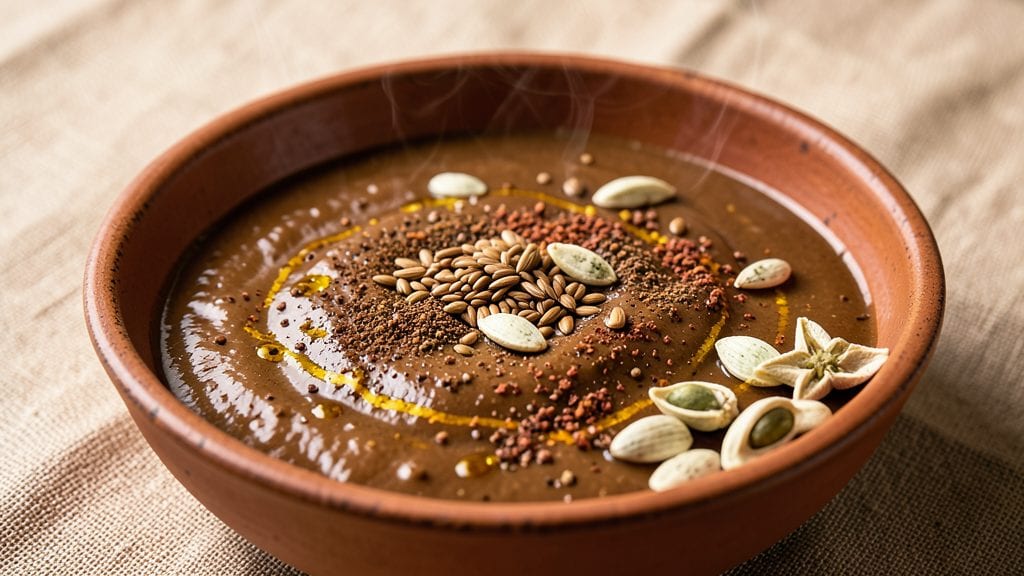
This Indian sauce recipe transforms simple ingredients into a complex, aromatic base that elevates everything from curries to grilled meats. The key lies in carefully balancing spices like cumin, coriander, and garam masala while controlling heat—just enough to add depth without overpowering.
I developed this blend after years of testing regional variations, from South India’s tangy coconut-based gravies to North India’s rich tomato reductions.
What sets this sauce apart is its versatility—it works as a quick marinade, a slow-simmered gravy, or even a dipping sauce.
The process begins with dry-toasting whole spices to unlock their oils, then building layers of flavor through sautéed aromatics and a carefully chosen liquid base (tomato, coconut milk, or yogurt). This isn’t just a sauce; it’s a flavor foundation that professional chefs rely on.
The result is a sauce with bold, layered complexity—earthy, slightly sweet, with just a hint of spice that lingers. It’s the kind of sauce that turns a simple dish into something restaurant-worthy, where every spoonful delivers depth and warmth.
Whether you’re making curry, stir-fries, or even a quick weeknight meal, this blend will become your go-to.
Store it for up to a week in the fridge or freeze for months—perfect for meal prep or gifting. Let’s create this essential Indian sauce that will change how you cook forever.
Ingredients for indian sauce
Nine aromatic spices and four fresh ingredients create this restaurant-quality Indian sauce.
| Ingredient | Amount | Notes |
|---|---|---|
| Whole Cumin Seeds 🌿 | 1 tbsp | Toasted for deeper aroma |
| Whole Coriander Seeds 🌿 | 1 tbsp | Toasted until fragrant |
| Ground Garam Masala 🌶️ | 1 tbsp | Store-bought or homemade blend |
| Ground Turmeric 🧂 | 1 tsp | Bright yellow color |
| Ground Cinnamon 🌿 | ½ tsp | Sweet, not bitter |
| Ground Cardamom 🍃 | ½ tsp | Freshly ground preferred |
| Red Chili Powder 🌶️ | 1 tsp | Adjust for heat preference |
| Fresh Ginger 🧅 | 1 tbsp | Finely grated, peeled |
| Yellow Onion 🧅 | ½ cup | Finely diced, yellow or red |
| Garlic Cloves 🧄 | 4 cloves | Peeled, minced |
| Tomato Paste 🍅 | ½ cup | Smooth, no sugar added |
| Extra-Virgin Olive Oil 🫒 | ½ cup | For sautéing aromatics |
| Water 💧 | 1 cup | For adjusting consistency |
| Salt 🧂 | 1 tsp | Diamond Crystal preferred |
The spices are the heart of this sauce, so toast the whole seeds in a dry pan until fragrant—this unlocks their oils and deepens the flavor. Penzeys or Spicewalla are great for high-quality seeds, but the bulk bins at Whole Foods or Trader Joe's work too. Look for vibrant yellow turmeric (no grayish powder) and freshly ground cardamom pods—pre-ground loses potency fast. The garam masala blend can be store-bought, but if you have time, toast and grind cumin, coriander, cinnamon, and cloves together for a custom blend. For the ginger, fresh is non-negotiable—dried lacks the bright, zesty kick. Peeling and grating it yourself gives the best texture.
No fresh ginger? Powdered ginger at half the amount works in a pinch, but you'll lose that fresh bite. Running low on cumin seeds? Ground cumin at one-third the amount gets you close, though the toasted seeds add a smoky depth. The tomato paste can be swapped for 1 cup puréed tomatoes if you prefer a lighter sauce. For extra richness, add 1 tbsp coconut milk to the finished sauce. The olive oil matters here—use something with good fruity notes, like California Early Harvest or Colavita. Avoid the cheap stuff; it’ll make the sauce taste flat. If you’re making a large batch, double the spices and store in airtight jars for up to 3 months.
This sauce keeps beautifully in the fridge for 1 week or freezes for 6 months—perfect for meal prep. Store it in a glass jar with a tight seal, and shake before use. It thickens as it sits, so add water or coconut milk to thin it out. I like to portion it into ice cube trays for easy single-use servings—just pop one cube into a pot and build your dish around it. The flavor actually improves after a few days as the spices meld together, so don’t hesitate to make extra. If you’re gifting it, pair it with a small spoon and instructions for use—it’s a crowd-pleaser at potlucks.
Why You'll Love This Recipe
- Pantry Magic: I swear by this sauce because it lives in my spice rack, not the fridge. Toast those whole cumin and coriander seeds in a dry pan for 30 seconds—that’s the secret to depth—and suddenly you’ve got flavor without the grocery run.
- Deep Warmth: The garam masala and cinnamon hit like a hug from your favorite auntie. Turmeric adds that golden glow, while the toasted spices layer in earthy, smoky notes that stick with you. It’s the kind of taste that makes you pause mid-bite.
- Weeknight Swiss Army: Slather it on grilled chicken, toss it with roasted potatoes, or drizzle it over store-bought naan. Honestly, I’ve even used it to jazz up a sad microwave meal—because sometimes, that’s all you’ve got. It’s the ultimate flavor multiplier.
- Budget Booster: A little goes a long way, and these spices cost pennies. I make a big batch and freeze it in ice cube trays—just pop out what I need for stir-fries or curries. My wallet and my taste buds thank me every time.
Step-by-step instructions for bold spice blend for curries
This aromatic foundation transforms simple dishes into vibrant, flavorful masterpieces.
Toast the Whole Spices for Depth of Flavor
Heat a dry skillet over medium heat. Add the 1 tablespoon whole cumin seeds and 1 tablespoon whole coriander seeds, stirring constantly for 1-2 minutes until they release their fragrance and begin to pop. You'll see tiny puffs of smoke and hear a distinct crackling sound—this is your cue they're ready. Immediately transfer them to a small bowl to cool slightly. Toasting enhances their natural oils, creating a richer base for the sauce.
Here's the thing—don't rush this step. The spices should be golden brown but not burned. If they darken too quickly, reduce the heat slightly. These toasted seeds will form the aromatic backbone of your sauce, so their proper development matters most.
Sauté Aromatics Until Fragrant and Golden
In the same skillet (no need to clean it—those toasted spices add flavor), add the 0.5 cup extra-virgin olive oil over medium heat. Once the oil shimmers, add the 0.5 cup finely diced yellow onion and 4 minced garlic cloves, stirring occasionally for 5-6 minutes until the onions soften and turn translucent. You'll notice the garlic begins to deepen in color—this is when it releases its sweet, pungent aroma.
Next, add the 1 tablespoon finely grated fresh ginger and cook for another 1 minute until the raw ginger smell disappears. The mixture should smell like a spice market—earthy, slightly sweet, with hints of citrus. This aromatic trio forms the flavor foundation for your sauce, so take your time here. If the onions begin to brown too quickly, reduce the heat slightly to prevent burning.
Build the Spice Base with Dry Ingredients
Reduce the heat to medium-low and add the 1 tablespoon ground garam masala, 1 teaspoon ground turmeric, 0.5 teaspoon ground cinnamon, 0.5 teaspoon ground cardamom, and 1 teaspoon red chili powder. Stir continuously for 1-2 minutes until the spices bloom and the mixture becomes fragrant. You'll see the spices darken slightly and release their characteristic aromas—turmeric's bright yellow, cardamom's floral notes, and cinnamon's warm sweetness.
This is where the magic happens. The spices should coat the onions and garlic evenly, creating a thick, aromatic paste. If the mixture begins to stick, add 1-2 tablespoons of water to loosen it. The goal is a smooth, cohesive base that will form the heart of your sauce. Don't skip this step—properly blooming the spices ensures maximum flavor extraction.
Finish with Tomato Paste and Water
Add the 0.5 cup tomato paste and stir vigorously for 2-3 minutes until it darkens and becomes glossy. The paste should blend completely with the spice mixture, creating a rich, deep red base. This step develops the sauce's complexity and prevents it from being too dry. You'll notice the mixture thickens slightly as the tomato paste cooks down and releases its concentrated flavor.
Pour in the 1 cup water and bring to a gentle simmer. Add the 1 teaspoon salt and continue simmering for 10-12 minutes until the sauce thickens to your desired consistency. Here's the key: stir occasionally to prevent sticking, but don't over-stir—this can make the sauce too thin. The perfect sauce should coat the back of a spoon but still be pourable. If it's too thick, add more water 1 tablespoon at a time. If it's too thin, simmer uncovered for another 2-3 minutes to reduce.
Adjust and Rest for Maximum Flavor
Taste the sauce and adjust the seasoning. You might need more salt, a pinch of sugar to balance acidity, or even a squeeze of lemon juice to brighten the flavors. The sauce should be vibrant, aromatic, and balanced—sweet, spicy, and savory all at once. Let it cool slightly, then transfer to a clean jar or container. The flavors will continue developing as it sits, becoming even more complex over time.
This versatile sauce keeps well in the refrigerator for up to 2 weeks or can be frozen for 3 months. Use it as a base for curries, marinades, or even drizzled over grilled meats. The beauty of this sauce is its adaptability—it's the perfect canvas for building bold, authentic Indian flavors in any dish.
Pro Tips For Making Indian Sauce
- TOAST WHOLE SPICES: DESCRIPTION: Heat your oil until it shimmers—not smokes—then add cumin and coriander seeds. Let them sizzle for 30 seconds before stirring; that’s when their flavors pop. I used to rush this and wondered why my sauce tasted flat. Patience here makes a real difference.
- SIFT THE MASALA: DESCRIPTION: Lightly toast your garam masala and cinnamon together, then sift them into the pot through a fine mesh strainer. This prevents clumps and ensures even distribution. My grandmother swore by this, and she was right: the texture of your sauce will be smoother.
- LOW AND SLOW SIMMER: DESCRIPTION: After adding turmeric, reduce heat to medium-low and let the sauce bubble gently for at least 10 minutes. Skipping this step means underdeveloped flavors—like skipping the warm-up before a race. The longer it simmers, the deeper the aroma.
- STIR IN WARMTH: DESCRIPTION: Add your ground spices to the pot after the oil has cooled slightly—around 2 minutes post-toasting. Hot oil burns spices instantly, turning them bitter. Sounds weird, but it works: your sauce stays fragrant, not acrid.
Make-ahead tips for indian sauce
Batch Prep Basics
Double or triple the recipe when making ahead—this sauce scales beautifully. Use a large stainless steel pot (like All-Clad) for even heating, and stir frequently to prevent burning.
I like to portion the finished sauce into glass mason jars (8 oz or 16 oz sizes) for easy storage and serving. Label each jar with the date and intended use (e.g., "Curry Base" or "Marinade"). 💡
Freezing for Long-Term Use
Portion the sauce into ice cube trays before freezing—each cube makes a perfect single serving or quick flavor boost. Once frozen, transfer cubes to a freezer bag with excess air removed to prevent freezer burn.
This method keeps the sauce fresh for up to 6 months while preserving texture. Thaw overnight in the fridge before use, or pop a cube directly into hot oil when cooking. 🧊
Fridge Storage Tips
Store the sauce in an airtight glass container (like Le Parfait jars) in the fridge for up to 2 weeks. The flavors actually deepen over time, so I often make a big batch on weekends.
Before using, shake well—it tends to separate slightly. If the sauce thickens too much, whisk in 1-2 tablespoons of warm water or coconut milk to restore consistency. 🥫
Sauce Consistency Hacks
For a thicker sauce, simmer uncovered for 5-10 extra minutes to reduce. Need it thinner? Add water or coconut milk (I prefer Thai Kitchen brand) 1 tablespoon at a time while stirring.
If using frozen portions, add them directly to your cooking pot—they'll thaw and blend seamlessly into your dish. For a smoother texture, blend briefly with an immersion blender after reheating. 💫
Reheating Methods
For stovetop reheating, warm the sauce over low heat for 3-5 minutes, stirring constantly to prevent scorching. In the microwave, heat in 30-second intervals, stirring between each, until steaming hot.
Never reheat directly from frozen—thaw first in the fridge. If the sauce separates, whisk vigorously or blend briefly to restore its silky texture. 🔥
Meal Prep Applications
Use this sauce as a base for curries, stir-fries, or marinades all week. Store pre-portioned amounts in small glass jars (like Weck jars) for easy grab-and-go flavor. I like to pair it with pre-cooked rice or grilled chicken for quick weeknight meals.
The sauce also makes an excellent dipping sauce for naan bread or spring rolls—just warm it slightly before serving. 🍛
Nutrition facts
Frequently asked questions
Can I make this sauce without fresh ginger?
Yes, but the flavor will be different. Use ½ teaspoon powdered ginger instead, though you'll lose the bright, fresh zing. For a closer substitute, try ½ teaspoon ground galangal if available—it has a similar citrusy warmth. The sauce will still work, but fresh ginger gives that signature aromatic kick.
How can I adjust the heat level?
Start with ½ teaspoon red chili powder for mild heat, or increase to 2 teaspoons for fiery spice. For extra heat, add ¼ teaspoon cayenne pepper or a pinch of freshly chopped green chili. Remember, spices bloom when cooked—taste as you go! For a smoky depth, toast ½ teaspoon smoked paprika with the whole spices.
What's the best way to use this sauce in non-Indian dishes?
This sauce is incredibly versatile! Use it as a marinade for grilled chicken or steak, stir it into pasta with cream, or drizzle over roasted vegetables. For tacos, mix with ½ cup Greek yogurt and fresh cilantro. Even pizza benefits from a spoonful—sprinkle on before baking with mozzarella and basil. The key is balancing its bold flavors with complementary ingredients.
Why did my sauce turn out too thick or too thin?
Thickness depends on simmering time—reduce uncovered for 5-10 extra minutes if too thin, or add 1 tablespoon water at a time if too thick. For a smoother texture, blend briefly with an immersion blender. If using frozen portions, add them directly to your cooking pot—they'll thaw and adjust consistency naturally. The ideal sauce should coat the back of a spoon but still be pourable.
Can I substitute tomato paste with something else?
For a tangy twist, use ½ cup puréed tomatoes or ¼ cup tamarind paste (diluted with water). For richness, try ¼ cup coconut milk or 2 tablespoons peanut butter (great for Southeast Asian-inspired dishes). Each substitution will change the sauce's character—tamarind adds sourness, while coconut milk makes it creamier. Adjust salt accordingly.