
Snacks
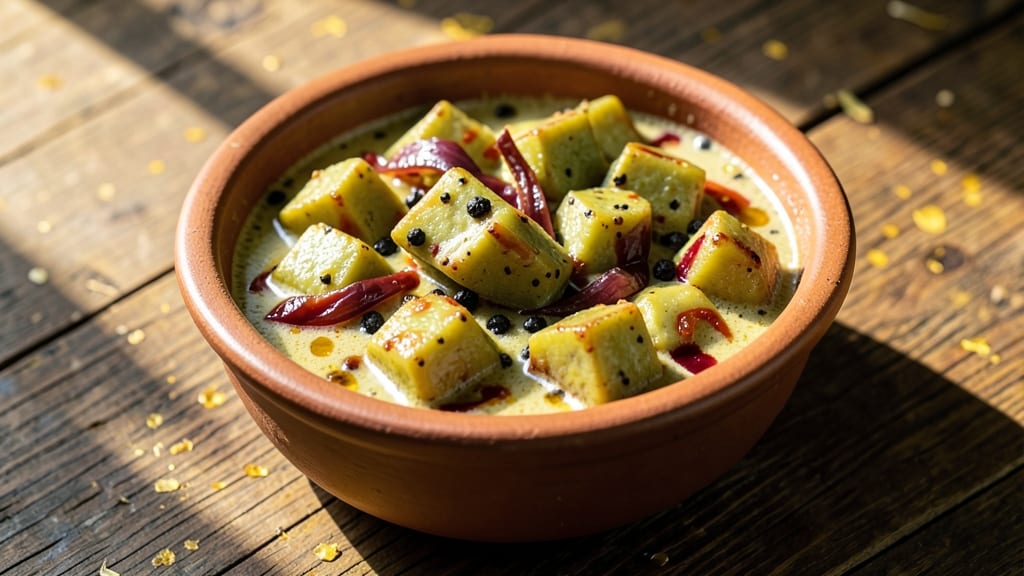
This Kerala veg recipe delivers the rich, aromatic flavors of South India's coastal cuisine in a single, satisfying dish. The tender jackfruit simmers in a fragrant coconut gravy infused with traditional spices like curry leaves and mustard seeds, creating a dish that's both hearty and deeply flavorful.
I developed this version after years of perfecting the balance between spice and sweetness that makes Kerala curries so distinctive.
The secret to this curry lies in the tempering technique—slowly blooming whole spices in hot oil until they release their full aroma before adding coconut milk. This method transforms simple ingredients into something restaurant-quality, with layers of flavor that build as you cook.
The jackfruit becomes fork-tender while absorbing the rich, creamy sauce, making every bite satisfyingly substantial.
What you'll end up with is a vibrant, spiced coconut curry that's perfect for weeknight dinners or special occasions. The dish carries the essence of Kerala's coastal cuisine—fragrant, slightly sweet, and deeply comforting. Serve it with steamed rice or appam for the full Kerala experience. Let's get cooking!
This recipe maintains authenticity while being accessible for home cooks, with clear instructions for each step—from preparing the spice paste to achieving the perfect coconut gravy.
The result is a dish that feels like a taste of home, no matter where you are. Ready to bring Kerala flavors to your kitchen?
Ingredients for kerala veg
Authentic Kerala flavors start with these carefully chosen ingredients—each playing a vital role in the curry's rich, aromatic profile.
| Ingredient | Amount | Notes |
|---|---|---|
| Young Green Jackfruit 🥭 | 14 oz | Canned in brine, drained and rinsed |
| Coconut Milk 🥥 | 1 ¼ cups | Full-fat, canned preferred |
| Red Onions 🧅 | 1 whole | Finely chopped, about 1 cup |
| Medium Tomatoes 🍅 | 2 whole | Ripe, about 1 cup chopped |
| Fresh Ginger 🧄 | 1 tbsp | Grated, finely chopped |
| Garlic Cloves 🧄 | 4 cloves | Minced, about 1 tbsp |
| Curry Leaves 🌿 | ¼ cup | Fresh, lightly crushed |
| Mustard Seeds 🌶️ | 1 tbsp | Whole, light brown preferred |
| Coconut Oil 🫒 | ¼ cup | For tempering, or ghee |
| Green Chili Peppers 🌶️ | 2 whole | Slit lengthwise, adjust to taste |
| Turmeric Powder 🌿 | ½ tsp | Freshly ground preferred |
| Ground Cumin 🌿 | ½ tsp | Toasted for depth of flavor |
| Ground Coriander 🌿 | ½ tsp | Freshly ground preferred |
| Salt 🧂 | 1 tsp | Diamond Crystal preferred |
| Fresh Cilantro 🌿 | ¼ cup | Chopped, for garnish |
The jackfruit is the heart of this dish—young green jackfruit in brine ensures tender texture without the fibrous bite of mature fruit. Indian grocery stores and specialty markets carry it year-round, though some Asian markets stock it seasonally. For curry leaves, fresh is non-negotiable—dried leaves lose their delicate aroma. The mustard seeds should be light brown for authentic flavor; yellow seeds create a sharper bite. Coconut milk quality matters too—full-fat canned brands like Goya or Thai Kitchen deliver the creamiest results, though homemade is ideal. When selecting ginger, look for firm, unblemished roots with vibrant color.
No curry leaves? Dried curry powder at half the amount works in a pinch, though the flavor will be subtler. Substituting coconut milk? Heavy coconut cream plus water to thin mimics the texture, but the fat content will differ. For the green chilies, serrano peppers work well if you prefer more heat, while jalapeños offer milder spice. The tomatoes can be swapped for tamarind pulp (1 tbsp) plus 1 tsp sugar to replicate Kerala's signature tangy-sweet balance. When grating ginger, use a microplane for maximum surface area—this releases more essential oils and intensifies the flavor. For the jackfruit, drain and rinse thoroughly to remove excess brine that can make the curry too salty.
Fresh curry leaves and cilantro should be stored in damp paper towels in sealed containers for up to 5 days. The tempered spices and coconut milk mixture can be refrigerated for 3 days before adding jackfruit, though the dish tastes best when made fresh. For meal prep, portion into airtight containers and reheat gently over low heat—never microwave, as this can make the coconut milk separate. The curry freezes beautifully for 3 months, though the texture may slightly alter upon thawing. Always thaw in the refrigerator overnight for optimal results.
Why You'll Love This Recipe
- One-Pot Magic: I swear by this recipe—just one pot, minimal cleanup. The jackfruit softens into tender chunks while the onions caramelize right in the same pan, and that coconut milk? It thickens into a luscious, fragrant sauce without any fuss.
- Ginger-Tomato Umami Bomb: Honestly, the ginger and tomato combo here is next level. The fresh ginger gives this dish a zesty kick, while the tomatoes add that tangy depth that makes every bite feel like a little flavor explosion—no heavy spices needed.
- Lunchbox Hero: Between us, this is my go-to for packed lunches. The jackfruit holds up perfectly, and the coconut milk keeps it creamy even after reheating. (Yes, even on a Tuesday night when you’re too tired to think.)
- Budget-Friendly Feast: Here’s what sold me—the jackfruit and coconut milk stretch this into a hearty meal for four, and the onions/tomatoes are pantry staples. I’ve made this for under $8 total, and it still tastes like a restaurant dish.
Step-by-step instructions for Kerala veg recipe: spiced coconut curry with tender jackfruit
This traditional Kerala preparation delivers melt-in-your-mouth jackfruit with aromatic coconut and tempered spices.
Prepare the Jackfruit Base
Drain and rinse the 14 oz young green jackfruit thoroughly under cold water to remove any residual brine. Using your hands or a fork, gently separate the jackfruit into small, bite-sized pieces—about 1-inch cubes. This texture ensures the jackfruit cooks evenly while maintaining its natural tenderness. Set aside in a bowl.
In a medium pot, combine the jackfruit with 1.25 cups coconut milk, 1 whole finely chopped red onion, 2 whole medium tomatoes chopped, 1 tbsp grated fresh ginger, 4 cloves minced garlic, 0.5 tsp turmeric powder, 0.5 tsp ground cumin, 0.5 tsp ground coriander, and 1 tsp salt. Stir gently to combine, ensuring the jackfruit is fully coated in the coconut milk. Bring the mixture to a gentle simmer over medium heat.
Once simmering, reduce the heat to low and let it cook uncovered for 15-20 minutes, stirring occasionally. You're aiming for the jackfruit to become fork-tender—when a fork easily pierces through the largest pieces without resistance. The coconut milk should thicken slightly, creating a luscious base for the curry.
Build the Spiced Tempering
In a small skillet, heat 0.25 cup coconut oil over medium heat until it shimmers but doesn't smoke. Add 1 tbsp mustard seeds and let them sizzle for 30 seconds until they begin to pop. This is your signal to quickly add 0.25 cup lightly crushed curry leaves and 2 whole slit green chili peppers. Stir for 1 minute until the curry leaves darken slightly and the chilies turn vibrant green.
Immediately pour this tempering mixture into the simmering jackfruit curry. Stir well to distribute the aromatic spices evenly throughout the dish. The mustard seeds should infuse the curry with a subtle nutty warmth, while the curry leaves add their signature floral depth. Let the entire mixture simmer together for an additional 5 minutes to allow the flavors to meld completely.
Finish and Garnish
Remove the pot from heat and let the curry rest for 5 minutes. This brief resting period allows the flavors to settle and the coconut milk to fully incorporate with the jackfruit. Taste and adjust seasoning if needed—Kerala curries often benefit from a final touch of salt to balance the coconut's natural sweetness.
Before serving, garnish each portion with 0.25 cup chopped fresh cilantro. The bright herbal notes contrast beautifully with the rich coconut and spiced jackfruit. Serve immediately with steamed rice or appam to capture the curry's optimal texture and temperature. The jackfruit should be tender yet hold its shape, with a velvety coconut sauce that clings perfectly to each bite.
Pro Tips For Making Kerala Veg
- CUT JACKFRUIT SMALLER THAN YOU THINK: The jackfruit’s texture matters more than its size—chop it into ½-inch cubes, not thick chunks. I learned this the hard way when my first batch stayed rubbery; smaller pieces soften faster in the coconut milk and absorb the spices evenly. (Yes, even if it looks like overkill.)
- SAUTE ONIONS UNTIL DARK GOLD: Don’t stop at light brown—push those onions to a deep, almost caramelized hue before adding tomatoes. The Maillard reaction here makes a real difference, especially when paired with ginger. I used to rush this, and the dish lacked depth until I committed to 8-10 minutes on medium heat.
- STRAIN COCONUT MILK—OR REGRET IT: If you’re using canned coconut milk, strain out the thick cream first unless you want a gloppy texture. My grandmother swore by this, and she was right: the lighter milk blends smoother and lets the jackfruit shine. (Skip this, and you’ll end up with a soup instead of a curry.)
- GINGER: GRATE, DON’T CHOP: Finely grate the ginger—no need for a food processor—so it melts into the onions and tomatoes without chunks. I was skeptical until I tried it: the flavor integrates seamlessly, and you avoid that awkward bite. (Bonus: it cooks down faster this way.)
Pro cooking tips for great kerala veg
Spice Blooming Mastery
Kerala cuisine thrives on tempering—the art of blooming whole spices in hot oil until they release their full aroma. For this curry, heat coconut oil to 350°F before adding mustard seeds—they should pop audibly within 30 seconds.
This is your cue to add curry leaves and green chilies while stirring constantly. The leaves darken in 1 minute, signaling they've released their floral oils. I use a small stainless steel skillet for even heat distribution. 🌶️
Low-and-Slow Jackfruit
Jackfruit needs gentle heat to tenderize without breaking down. Simmer the jackfruit mixture at 180°F (not boiling) for 15-20 minutes—this prevents the coconut milk from curdling. Stir every 5 minutes to ensure even cooking.
The jackfruit is done when it yields to a fork but still holds shape. Overcooking turns it mushy, so resist the urge to rush this step.
Coconut Milk Secrets
Full-fat coconut milk (like Goya brand) is non-negotiable—it provides the creamy texture Kerala curries need. When simmering, never let it boil after adding the tempering, or it will separate.
Instead, reduce heat to low and let it gently bubble. For extra richness, I stir in 1 tbsp coconut cream at the end for a velvety finish.
Curry Leaf Magic
Fresh curry leaves are the soul of this dish—never substitute dried powder. Lightly crush them between your palms before adding to release their essential oils. If you must use dried leaves, toast them in oil for 10 seconds first to revive their flavor.
I always keep a small bunch in my freezer—just thaw before using. The leaves should darken beautifully when tempered, releasing their signature aroma.
Salt Balance Act
Kerala curries rely on layered seasoning. Start with 1 tsp salt in the base, then adjust after tempering—coconut milk and jackfruit often need an extra pinch. Taste at the end: the curry should be slightly sweet from the coconut, with subtle heat from the chilies.
I keep Diamond Crystal salt on hand because its crystals dissolve more evenly than table salt.
Resting for Perfection
Let the curry rest for 5 minutes off heat before serving. This allows the flavors to marry and the coconut milk to reabsorb into the jackfruit. Skipping this step results in a watery sauce.
I cover the pot loosely with a lid to trap heat while letting steam escape. The final dish should be thick but spoonable, with each bite bursting with balanced flavors. 💫
Nutrition facts
Frequently asked questions
Can I substitute jackfruit with other vegetables in this Kerala veg recipe?
For a similar texture, try potatoes or cauliflower florets cut into bite-sized pieces. If you prefer leafy greens, spinach or drumstick leaves work beautifully—just add them at the end to wilt. The key is choosing ingredients that hold their shape while absorbing the coconut gravy.
Why does my coconut milk curdle when simmering?
Curdling happens when coconut milk boils after adding tempered spices. To prevent this, always reduce heat to low after tempering and let it gently bubble. Stirring occasionally also helps maintain stability. For extra insurance, use full-fat coconut milk and avoid high heat.
How can I make this Kerala veg recipe spicier?
Add extra green chilies (3-4) during tempering or stir in ½ tsp red chili powder with the base spices. For heat lovers, include 1 tsp dried Kashmiri chili flakes at the end. Remember to adjust gradually—Kerala curries balance spice with coconut's natural sweetness.
What's the best way to store leftovers?
Transfer to an airtight container and refrigerate for up to 3 days. For longer storage, freeze for 3 months. Thaw overnight in the fridge and reheat gently on low heat with a splash of water to restore creaminess. Never microwave—it breaks down the coconut milk texture.
Can I make this curry without curry leaves?
Yes, but the flavor will differ. Use ½ tsp dried curry powder toasted in oil for 10 seconds as a substitute. For depth, add 1 tsp fenugreek leaves (kasuri methi) with the tempering. While not identical, these alternatives provide aromatic complexity.