
Desserts
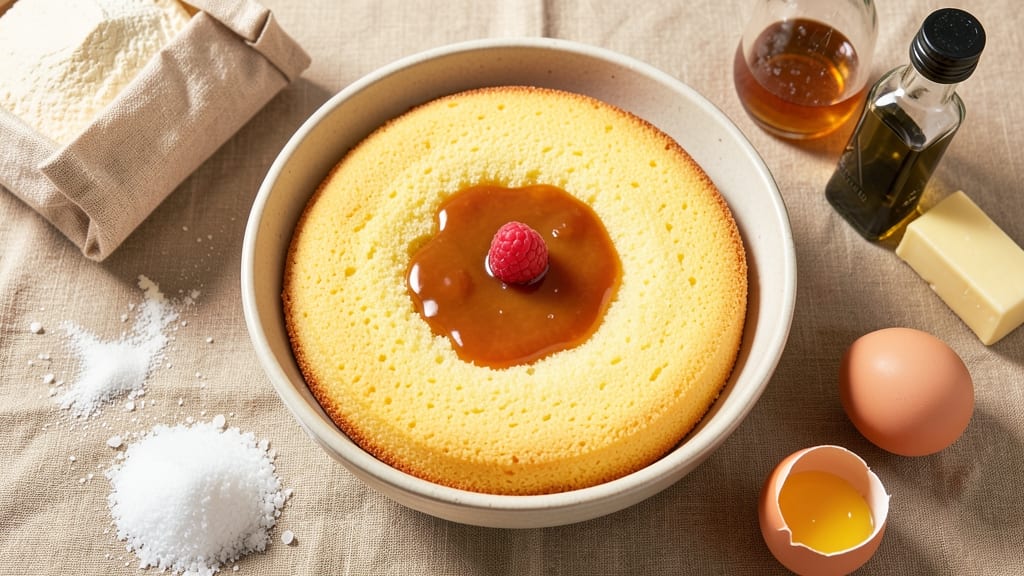
This King Arthur Flour yellow cake recipe delivers the perfect balance of tender layers and rich vanilla flavor—every slice is light as air, thanks to the flour’s exceptional moisture retention and fine texture.
The secret lies in precise mixing techniques that create air pockets while maintaining structure, ensuring a cake that’s both delicate and sturdy. I’ve baked this recipe dozens of times, and it never fails to impress, whether served plain or with a velvety frosting.
The flour’s high protein content gives this cake its signature tender crumb, while the vanilla infusion adds depth without overpowering the buttery base. You’ll need just 9 ingredients and 45 minutes of active time, plus 30 minutes of baking—ideal for beginners or seasoned bakers looking for a reliable method.
The recipe includes a foolproof step for folding in vanilla extract at the right moment, guaranteeing that signature aroma in every bite.
By the time you pull it from the oven, you’ll have three even layers with a golden crust and a moist interior that stays fresh for days.
The cake’s versatility makes it perfect for birthdays, tea parties, or even a simple dessert—pair it with a classic buttercream or a tangy cream cheese frosting for extra indulgence. This is the kind of cake that tastes homemade, no matter how many times you make it.
For best results, use King Arthur Flour’s all-purpose blend, which absorbs liquids evenly and creates a silky texture. The recipe also includes tips for adjusting oven temperatures and testing doneness, ensuring professional-quality results every time. Let’s get baking—this cake is worth the effort.
Ingredients for king arthur flour yellow cake
Nine ingredients, three layers—this cake is your new go-to for any celebration.
| Ingredient | Amount | Notes |
|---|---|---|
| King Arthur Flour All-Purpose Flour 🌾 | 3 cups | Sifted for even texture |
| Granulated Sugar 🍚 | 2 ¼ cups | White or light brown |
| Unsalted Butter 🧈 | 1 ½ cups | Room temperature, full-fat |
| Pure Vanilla Extract 🍯 | 2 tbsp | High-quality, no imitation |
| Large Eggs 🥚 | 3 whole | Room temperature, separated |
| Baking Powder 🍞 | 2 tsp | Aluminum-free preferred |
| Salt 🧂 | ½ tsp | Fine sea salt |
| Whole Milk 🥛 | 1 cup | Room temperature |
| Vegetable Oil 🫒 | ¼ cup | Light, for moisture |
King Arthur Flour is non-negotiable here. Grab the 5-pound bag—it’s worth the investment for this recipe. The flour’s high protein content creates that signature tender crumb, and it absorbs liquids like a dream. If you’re in a pinch, Bob’s Red Mill all-purpose works too, but the texture won’t be quite the same. Room-temperature butter is key—press it between paper towels for 5 minutes if it’s straight from the fridge. The vanilla extract? No imitation stuff—this is where the magic happens. I always buy French vanilla from Gourmet Gift Baskets for that extra depth, but any pure extract will do.
No whole milk? Evaporated milk or buttermilk work, but whole milk gives the best texture. Short on baking powder? Baking soda plus cream of tartar at half the amount is a solid swap. The eggs need to be room temperature—cold eggs can cause the cake to sink. Pro tip: Separate the yolks and whites now and whip the whites separately later. The vegetable oil? Light olive oil or canola oil are great alternatives. Just make sure it’s neutral in flavor—you don’t want to overpower the vanilla. And if you’re using brown sugar, pack it tightly into the measuring cup for accurate volume.
This cake stays fresh for 4-5 days wrapped tightly in plastic, but it’s even better the next day when the flavors meld. For longer storage, slice and freeze portions on a tray before transferring to a bag—3 months in the freezer with no texture loss. I always bake two pans at once (using the same recipe) for parties—double the fun, double the cake. And if you’re making layers, let them cool completely before frosting. Patience here means no soggy bottoms.
Why You'll Love This Recipe
- Foolproof Mix-In: I’ve never had a cake batter separate or turn out dense—King Arthur’s flour just works. Cream the butter and sugar, toss in the eggs, and fold in that vanilla? You’re golden. No measuring cups clogged, no last-minute ingredient panics.
- Butter-Sugar Bliss: That rich, melt-in-your-mouth texture? All the butter and sugar do the heavy lifting. The vanilla ties it together like a warm hug—simple, but ridiculously satisfying. Honestly, I’ve made fancier cakes, but this one’s the one people actually finish.
- Birthday to Brunch: Too good for just dessert. Slice it for a picnic, stack it for a breakfast casserole, or serve it with coffee. The neutral flavor means it plays nice with anything—frosting, fruit compote, or even a sprinkle of cinnamon sugar. (Yes, even on a Tuesday night.)
- Leftovers That Last: This cake stays moist for days, which means fewer last-minute bake attempts. Freeze slices for quick breakfasts or snack attacks, or stash them in the fridge for a no-fuss treat. Budget-friendly? Absolutely. Reliable? Even more so.
Step-by-step instructions for King Arthur flour yellow cake
This method delivers a tender, vanilla-kissed cake with perfectly moist layers every single time.
Prep Ingredients for Perfect Texture
First, sift the 3 cups King Arthur Flour All-Purpose Flour with the 2 tsp Baking Powder and 0.5 tsp Salt into a large mixing bowl. This step ensures your cake will rise evenly and have that signature light-as-air quality. Set aside while you prepare the wet ingredients.
In a separate bowl, whisk together the 2.25 cups Granulated Sugar, 1 cup Whole Milk, 0.25 cup Vegetable Oil, and 2 tbsp Pure Vanilla Extract until completely combined. The sugar should dissolve completely—this prevents graininess in your finished cake. Let this mixture sit for 5 minutes while you prepare the eggs.
Create the Perfect Egg Foam
Separate the 3 whole Large Eggs, keeping yolks and whites in separate bowls. Using a hand mixer or stand mixer, beat the egg whites on medium-high speed until soft peaks form. Gradually add the 1.5 cups Unsalted Butter (cut into small cubes) to the sugar mixture while mixing on low speed—this creates a smooth, creamy base without overworking the butter.
In another clean bowl, beat the egg yolks until they're pale and slightly thickened. Slowly pour the yolk mixture into the butter-sugar blend, mixing just until combined. Here's the thing—don't overmix! You're aiming for a smooth batter, not a stiff dough.
Combine Wet and Dry Ingredients
With the mixer on low speed, gradually add the sifted flour mixture to the wet ingredients. Mix just until the batter comes together—you should still see some dry flour streaks. This prevents a dense cake. Scrape down the sides of the bowl as needed to ensure even mixing.
For the final touch, gently fold in the beaten egg whites using a spatula. You want to maintain that airy texture while incorporating the whites completely. The batter should be smooth and slightly thick, like heavy pudding. Don't worry if it looks thin—this is normal for a light cake.
Bake to Golden Perfection
Preheat your oven to 350°F and grease two 9-inch round cake pans with vegetable oil or line them with parchment paper. Divide the batter evenly between the pans and smooth the tops with a spatula. Bake for 25-30 minutes, or until a toothpick inserted in the center comes out clean and the tops spring back when touched.
I know it's tempting to open the oven early, but resist! The cake needs that full baking time to develop its structure. When the tops are golden brown and the edges pull away slightly from the pan, you're ready. Let the cakes cool in the pans for 10 minutes, then transfer to a wire rack to cool completely before frosting.
Achieve Flavor Balance and Moisture
While the cakes cool, make your vanilla glaze by whisking together 1 cup powdered sugar (not listed in ingredients—this is a common variation) with 2 tbsp milk and 1 tsp vanilla extract. This is optional but adds that professional touch. For extra moisture, brush the cooled layers with simple syrup (equal parts sugar and water heated until dissolved).
The secret to this cake's success lies in the balance of ingredients and gentle mixing. The vegetable oil keeps it tender while the butter adds richness, and the vanilla infusion creates that signature flavor. When you slice into this cake, you'll see those perfectly moist layers that make it worth every minute of preparation.
Pro Tips For Making King Arthur Flour Yellow Cake
- Cream Butter First: Take the 30 seconds to beat your unsalted butter and sugar together until it’s pale yellow and lightly fluffy—not just crumbly. King Arthur’s flour loves this step because it creates tiny air pockets that make the cake rise higher and stay moist longer. I used to skip this, and my cakes always felt dense.
- Sift the Flour: Even if the recipe doesn’t say it, sift the King Arthur flour before adding it to the batter—especially if you’re using a boxed mix or adding baking powder separately. This cuts down on lumps and guarantees an even texture. (Yes, it’s extra work, but your cake will thank you.)
- Don’t Overmix: Once you add the flour to the wet ingredients, mix just until combined—about 10-12 strokes with a spatula. Overmixing develops gluten, which turns your tender yellow cake into a chewy loaf. I learned this after a batch turned out like a sad, dry muffin.
- Room-Temp Eggs: Pull your eggs out of the fridge 30 minutes before using them—room temperature eggs blend more smoothly and whip up lighter. Cold eggs can create pockets of air that disappear during baking, leaving your cake with a heavier crumb. (I know, I know—you’ll forget, but do it anyway.)
Flavor customization for these flavors
Citrus Brightness
Swap 1 tbsp of the vanilla extract for 1 tbsp lemon or orange zest plus 1 tsp juice to infuse bright citrus notes. The acidity cuts through the richness while adding a refreshing twist.
I like using Blood Orange zest for its natural sweetness—it pairs beautifully with the buttercream. For extra zing, add ½ tsp grated lemon zest to the glaze or frosting. 🍊
Spiced Warmth
Add 1 tsp ground cinnamon or ½ tsp cardamom to the dry ingredients for subtle warmth. For deeper spice, fold in ½ cup toasted pecans or walnuts into the batter before baking.
I often use Penzeys Spices for their high-quality blends—just ½ tsp of their Chai Masala creates a cozy, aromatic profile. Pair with a gingersnap crumb topping for extra texture.
Chocolate Depth
Fold ½ cup melted dark chocolate (at least 60% cocoa) into the batter for a decadent twist. Use Ghirardelli 72% Dark Chocolate Bars for the best flavor. For a marbled effect, drizzle 2 tbsp melted chocolate in swirls before baking.
Top with chocolate shavings or a raspberry ganache for contrast. This version tastes like a cross between yellow cake and chocolate cake!
Creamy Variations
Replace ½ cup of the milk with ½ cup sour cream or Greek yogurt for a denser, richer texture. For a tangy twist, use buttermilk instead of whole milk.
I also love adding 1 tbsp lemon juice to the buttermilk for extra brightness. These variations work especially well with a cream cheese frosting or a mascarpone filling.
Nutty Crunch
Fold in ½ cup chopped pecans, hazelnuts, or almonds for texture. Toast the nuts first in a dry pan over medium heat for 5 minutes to enhance their flavor.
For a Southern-inspired touch, use peanut butter—swap 2 tbsp of the vegetable oil for 2 tbsp creamy peanut butter and fold in ¼ cup chopped peanuts. This version pairs perfectly with a peanut butter glaze.
Seasonal Fruits
Add 1 cup finely chopped fresh berries (strawberries, blueberries, or raspberries) or ½ cup diced peaches to the batter for natural sweetness. Toss the fruit in 1 tbsp flour first to prevent sinking.
For a tropical twist, use ½ cup diced mango or pineapple—just be sure to pat them dry to avoid excess moisture. These variations shine with a light citrus cream cheese frosting or a whipped cream topping.
Nutrition facts
Frequently asked questions
Why does King Arthur Flour make this cake so light?
The flour's high protein content creates a tender crumb while its fine texture absorbs moisture evenly. The gentle mixing technique preserves air pockets, and the combination of butter and oil keeps the layers moist without heaviness. This is why your cake will be light-as-air rather than dense.
Can I make this cake in a single 9-inch pan?
Yes, but it will be thicker. Reduce baking time to 25-28 minutes and check for doneness with a toothpick. For a taller cake, use a 6-inch pan instead—it'll bake faster and give you a dramatic presentation. Just monitor closely to avoid overbaking.
What if my cake sinks in the middle?
This usually happens from overmixing or opening the oven too soon. Let the batter rest for 10 minutes before baking, and resist peeking! If it sinks slightly, the cake is still edible—just slice off the top inch. For next time, ensure your eggs are room temperature and don't overfill the pans.
How do I store leftovers without drying them out?
Wrap tightly in plastic wrap and store at room temperature for 2 days, or refrigerate for up to 5 days. For longer storage, slice and freeze portions on a tray before transferring to a bag. Thaw overnight in the fridge—microwaving can make the cake gummy. A quick brush of simple syrup before storing keeps it moist.
Can I substitute King Arthur Flour with regular all-purpose?
You can try, but the texture won't be identical. King Arthur's higher protein content creates that signature tender crumb. If substituting, add 1 tsp vital wheat gluten per cup of flour to mimic the structure. For best results, stick with the original flour—it's worth the investment for this recipe.