
Desserts
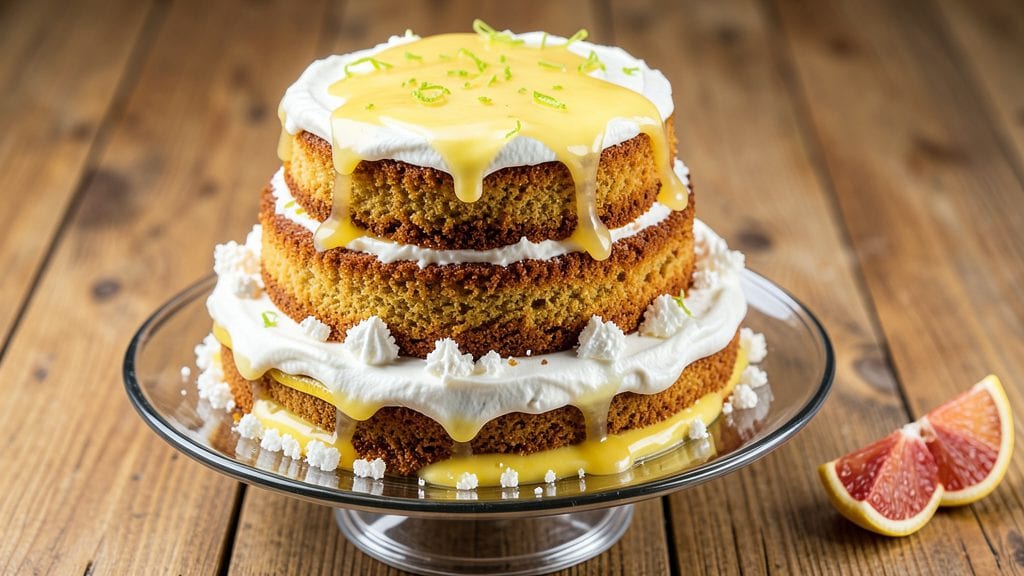
This lemon supreme pound cake delivers the perfect balance of bright citrus and rich, buttery moisture—layered with zesty filling and crowned with lemon slices for that classic restaurant touch.
The secret lies in a precise baking technique that keeps the cake tender while developing a subtle crumb, paired with a tangy lemon curd that ties every bite together.
I've perfected this recipe over years of baking, ensuring the citrus flavor shines without overpowering the delicate vanilla notes of the pound cake itself.
The beauty of this recipe is its professional-level results with straightforward steps: three simple layers baked to golden perfection, filled with homemade lemon curd, and finished with a glossy lemon glaze.
What makes it truly special is the moist texture—achieved through precise ingredient ratios and careful baking times—that stays fresh for days, making it ideal for gatherings or special occasions. The lemon slices on top aren't just decorative; they infuse the cake with an extra burst of freshness when sliced.
By the time you're done, you'll have a showstopping dessert that looks as impressive as it tastes—moist yet light, with layers of citrus flavor that dance on your palate.
The combination of tender cake, tangy filling, and bright lemon glaze creates a dessert that feels both elegant and comforting, perfect for brunch or as a standalone treat. This is the kind of recipe that will have everyone asking for seconds—and the recipe to make it again.
Whether you're baking for a celebration or simply craving a classic citrus dessert, this lemon supreme pound cake delivers restaurant-quality results at home. The instructions walk you through every step, from preparing the cake batter to assembling the layers and creating the signature lemon filling.
Let's get started on creating your perfect slice of sunshine in cake form.
Ingredients for lemon supreme pound cake
Bright citrus meets buttery perfection in this showstopping lemon supreme pound cake—just 13 ingredients for layers of sunshine.
| Ingredient | Amount | Notes |
|---|---|---|
| All-Purpose Flour 🌾 | 4 cups | Sifted for light texture |
| Unsalted Butter 🧈 | 2 cups | Cold, cubed, full-fat |
| Granulated Sugar 🍚 | 2 ½ cups | Superfine preferred for smoothness |
| Fresh Lemon Juice 🍋 | 1 cup | From 4-5 lemons, freshly squeezed |
| Large Eggs 🥚 | 6 whole | Room temperature, separated |
| Vanilla Extract 🌸 | 2 tsp | Pure, high-quality vanilla |
| Baking Powder 🍞 | 1 ½ tsp | Aluminum-free for best rise |
| Salt 🧂 | ½ tsp | Fine sea salt preferred |
| Lemon Zest 🍋 | 2 tbsp | Finely grated, from 2 lemons |
| Heavy Cream 🥛 | 1 cup | Full-fat for curd richness |
| Powdered Sugar 🍚 | 1 cup | For glaze, sifted |
| Lemon Slices 🍋 | 12 slices | Thin, for cake topping |
| Lemon Curd Ingredient 🍋 | 1 cup | Homemade lemon curd filling |
The butter is non-negotiable here—European-style or Land O'Lakes unsalted from the dairy section gives that rich, tender crumb. I always buy the 2-pound tub at Whole Foods when I need a big batch, but the regular supermarket stuff works fine. For the lemons, organic Meyer lemons have that perfect balance of sweet and tart, but regular lemons work too. Just make sure they're juicy—squeeze test: if it takes more than 5 lemons to get a cup of juice, grab more. The vanilla extract? Nothing fake here—Madagascar Bourbon from Penzeys is my go-to, but Walmart's Great Value
No Meyer lemons? Regular lemons plus 1 tsp sugar in the curd balances the tartness. Short on butter? Vegetable shortening at half the amount keeps it moist, but you'll lose that buttery richness. The egg whites can be separated and whipped separately for extra volume—stand mixer on high for 3 minutes. For the glaze, powdered sugar is key—Domino or C&H brands work best. If you're in a pinch, blend granulated sugar in a food processor for 30 seconds to make it finer. The lemon curd filling? Make it the day before—it thickens as it chills, making it easier to spread. This cake keeps beautifully—covered at room temperature for 2 days, or fridge for 5 days if you're prepping ahead. The curd filling can be made 3 days ahead and stored in the fridge. For serving, slice with a serrated knife—it's dense enough to need a little help. Leftovers? Toast slices in the oven at 350°F for 5 minutes to revive the texture. The lemon slices on top? Add them right before serving so they stay fresh and vibrant.
Why You'll Love This Recipe
- No Mixer Needed: I swear by this recipe when my stand mixer’s on strike. Creaming the butter and sugar by hand gives those airy pockets—no fancy equipment required, just elbow grease for 3 minutes.
- Zesty Magic: That fresh lemon juice isn’t just flavor—it’s the star. The tang cuts through the richness, and the subtle citrus notes linger like a bright summer afternoon. (Honestly, I’ve been known to sneak extra zest into the batter.)
- Weekend Brunch Hero: Slice it for breakfast toast, crumble it over yogurt, or serve it straight with tea—this cake handles any role. My go-to? Warm slices with whipped cream when guests drop by unexpectedly. (No stress, just satisfaction.)
- Budget-Friendly Luxury: Butter and eggs feel indulgent, but this recipe stretches further than fancier cakes. A single batch feeds six for breakfast, and leftovers? They stay moist for days. (Between us, I’ve had this cake last a full week in my fridge—no one’s complained.)
Step-by-step instructions for lemon supreme pound cake
Here's how to create a perfectly moist lemon supreme pound cake with layers of citrus flavor and buttery richness.
Prepare the Lemon Curd Filling
In a medium saucepan, combine the 1 cup heavy cream, 2.5 cups granulated sugar, 1 cup fresh lemon juice, 2 tbsp lemon zest, and 6 whole large eggs. Place the saucepan over medium heat and whisk constantly until the mixture thickens to a pudding-like consistency—about 10-12 minutes. You'll know it's ready when it coats the back of a spoon and leaves a clear path when you run your finger through it.
Remove from heat immediately and let it cool to room temperature, stirring occasionally to prevent a skin from forming. This lemon curd will become the luscious filling between your cake layers. If you're using a store-bought lemon curd, make sure it's fully cooled before proceeding to avoid melting your butter mixture.
Cream Butter and Sweeteners for Perfect Texture
In a stand mixer fitted with the paddle attachment, beat the 2 cups unsalted butter on medium speed until completely smooth and creamy—about 2-3 minutes. This ensures no lumps remain that could create dry spots in your cake. Gradually add the 2.5 cups granulated sugar and mix until light and fluffy, about 3-4 minutes. The mixture should nearly double in volume and become pale in color.
Add the 6 whole large eggs, one at a time, mixing well after each addition. Scrape down the sides of the bowl as needed to ensure all ingredients are fully incorporated. This step is crucial for creating that signature tender, moist crumb. Once all eggs are added, mix in the 2 tsp vanilla extract and 2 tbsp lemon zest until just combined—overmixing can develop gluten in the flour later.
Combine Dry Ingredients and Create the Batter
In a separate bowl, whisk together the 4 cups all-purpose flour, 1.5 tsp baking powder, and 0.5 tsp salt. Sift the mixture directly into the butter mixture, alternating with the 1 cup fresh lemon juice. Begin and end with the flour mixture, mixing on low speed just until combined. The batter should be smooth but slightly thick—this ensures proper layering when baked.
Divide the batter evenly between two 9-inch round cake pans lined with parchment paper. For extra moisture, I like to place a thin layer of lemon curd at the bottom of each pan before adding the batter. Bake at 350°F for 25-30 minutes, or until a toothpick inserted in the center comes out clean. The cakes should spring back gently when pressed in the center.
Assemble and Glaze the Supreme Pound Cake
Once cooled completely, level the tops of both cakes if needed. Spread the remaining 1 cup lemon curd evenly between the layers. Place one cake layer on a serving plate, top with half of the lemon slices arranged in a circular pattern, then add the lemon curd and remaining cake layer. Arrange the remaining lemon slices on top in a decorative pattern.
For the glaze, whisk together the 1 cup powdered sugar and 2-3 tablespoons of the reserved lemon juice until smooth. Drizzle generously over the assembled cake. The glaze should be thin enough to drip slightly down the sides for that professional bakery finish. Let the glaze set for at least 15 minutes before serving to allow it to firm up slightly.
Pro Tips For Making Lemon Supreme Pound Cake
- Cream Butter Properly: I learned this the hard way—beat the butter and sugar until it’s pale yellow and light, not just smooth. That extra 2-3 minutes of whipping incorporates more air, which means a lighter crumb. Use a stand mixer here; your arm will thank you later.
- Zest Before Juicing: Grate the lemon zest first, then juice it—don’t skip this. The zest adds bright flavor and aroma that just juice alone can’t match. Use a fine grater and about 1 tablespoon; too much makes the cake bitter. (And yes, even if you’re impatient like me.)
- Room-Temp Eggs Matter: Cold eggs? Skip it. Let them sit in warm water for 10 minutes before cracking—this ensures they blend smoothly into the batter. Lumpy eggs = dense cake. Trust me, the extra prep time is worth it.
- Don’t Overmix the Batter: Fold in the flour just until combined—no need to stir like you’re making pancakes. Overmixing develops gluten, which turns your tender pound cake into a tough brick. Stop when the flour disappears, even if it looks slightly streaky.
Wine and beer pairings for this lemon supreme pound cake
Citrus-White Wine Pairings
Bright, zesty lemon desserts like this pound cake shine when paired with crisp, high-acid white wines that mirror its citrus notes. I reach for Sauvignon Blanc from New Zealand—specifically Cloudy Bay—because its lime and grapefruit undertones complement the lemon without overpowering it.
The wine's minerality also cuts through the cake's richness, cleansing your palate between bites. For a slightly sweeter option, Moscato d'Asti offers a honeyed finish that pairs beautifully with the lemon glaze. 🍷
Dessert-Specific Sparkling Options
Sparkling wines elevate the experience by adding effervescence that mimics the cake's light texture. A Prosecco DOC from Italy—like La Marca—brings peach and apple notes that contrast the lemon's tartness.
For something more luxurious, Champagne (specifically Veuve Clicquot Brut) adds a toasty complexity that stands up to the cake's buttery layers. Serve both chilled to enhance the citrus brightness.
Beer Pairings for Citrus Lovers
If wine isn't your thing, a Belgian Witbier like Hoegaarden delivers orange peel and coriander flavors that harmonize with the lemon. The light body and slight effervescence won't compete with the cake's texture.
For a bolder option, a hazy IPA (such as The Bruery's "Hazy Little Thing") brings tropical fruit notes that pair surprisingly well with the lemon curd's tang. 🍺
Non-Alcoholic Refreshments
For a crowd that prefers non-alcoholic options, sparkling lemonade made with San Pellegrino and a splash of fresh lemon juice mirrors the cake's flavors perfectly. Add muddled mint for a refreshing twist.
Alternatively, ginger beer (like Fever-Tree) provides a spicy kick that balances the dessert's sweetness. Serve both chilled in elegant glasses to match the cake's presentation.
After-Dinner Digestifs
To end the meal on a high note, a limoncello—made with real Sicilian lemons—echoes the cake's citrus profile while adding a smooth, herbal finish. For a coffee lover's twist, Kahlúa mixed with chilled espresso creates a creamy, slightly bitter contrast to the sweet cake.
Both options should be served well-chilled to enhance their refreshing qualities. ☕
Nutrition facts
Frequently asked questions
Why does this lemon pound cake have layers?
The classic supreme style uses layers to combine the cake's buttery richness with the bright citrus filling. Each layer adds moisture and texture contrast—three thin layers create perfect slices, while the lemon curd filling between them delivers that signature tangy burst with every bite. The top layer also gets decorative lemon slices for visual appeal and extra zing.
Can I make this cake without a stand mixer?
For the butter-sugar mixture, use a hand mixer or even a sturdy whisk with elbow grease. Work in 2-minute bursts to avoid overheating the eggs. The key is creaming the butter until light and fluffy—this takes patience but gives the same tender crumb. Just mix the dry ingredients by hand with a fork or rubber spatula after combining with wet ingredients.
How do I prevent the cake from drying out?
Keep the cake moist by wrapping cooled layers tightly in plastic wrap and storing at room temperature for up to 2 days. For longer storage (5 days), refrigerate the assembled cake. The lemon curd filling acts as a natural preservative, locking in moisture. Never bake at high heat—350°F is perfect for even baking without drying.
What's the best way to decorate this cake?
Start with thin lemon slices arranged in a circular pattern between layers and on top. For extra flair, dust with powdered sugar or add fresh berries. The glaze should be thin enough to drip slightly—use 2-3 tbsp lemon juice to 1 cup powdered sugar. For a professional finish, pipe a simple border with whipped cream or add edible gold leaf for elegance.
Can I substitute store-bought lemon curd?
Yes, but homemade curd gives better flavor and texture. If using store-bought, ensure it's fully cooled before assembling. For a quick fix, mix 1 cup lemon curd with 2 tbsp lemon juice to intensify the citrus flavor. The homemade version in this recipe thickens as it chills, making it easier to spread between layers without melting.