
Beverages
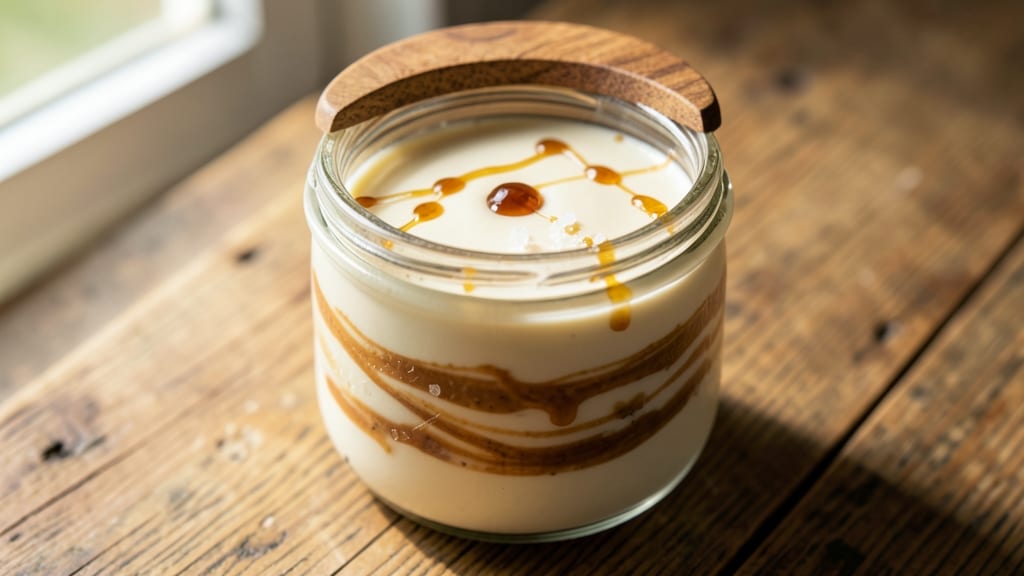
Creating a milk replacement recipe that delivers that same velvety richness in coffee and baking requires the right balance of ingredients—something I perfected after years of experimenting with dairy-free alternatives.
The secret lies in combining oat milk for creaminess with a touch of cashew butter for that nutty depth, ensuring your lattes and baked goods never miss the dairy. This isn’t just a substitute; it’s a game-changer for anyone looking to avoid dairy without sacrificing texture or flavor.
The beauty of this recipe is its versatility—whether you’re whipping up a vegan vanilla cake or steaming a morning latte, the same base ingredients deliver professional results. Oat milk provides the body, while cashew butter adds natural sweetness and a smooth, almost buttery mouthfeel.
For coffee lovers, this blend froths beautifully and cuts through bitterness, while in baking, it creates a tender crumb with just the right amount of moisture. The best part? No weird aftertaste or graininess that often plagues store-bought alternatives.
What you’ll end up with is a nutty, creamy milk replacement that works seamlessly in both hot and cold applications, from frothy cappuccinos to rich chocolate mousse. The ratio is simple: just 1 cup of oat milk blended with 2 tablespoons of cashew butter, adjusted to taste for extra richness.
It’s a foolproof method that transforms everyday drinks and desserts into something truly special—no special equipment or complicated steps required.
This recipe isn’t just for vegans; it’s perfect for anyone with lactose intolerance, dairy allergies, or simply a preference for plant-based options. The flavor profile is neutral enough to work in savory dishes too, like creamy soups or curries.
Once you try it, you’ll wonder how you ever lived without this restaurant-quality dairy-free alternative. Let’s get started with the exact ratios and techniques to nail it every time.
Ingredients for milk replacement
Eight simple ingredients transform into a velvety milk replacement for coffee and baking.
| Ingredient | Amount | Notes |
|---|---|---|
| Oat Milk 🥛 | 1 cup | Unsweetened, barista-style preferred |
| Cashew Butter 🥜 | 2 tbsp | Natural, unsweetened preferred |
| Pure Vanilla Extract 🌿 | ½ tsp | High-quality, alcohol-free if needed |
| Maple Syrup 🍁 | 1 tbsp | Grade B for richer flavor |
| Coconut Oil 🥥 | 1 tbsp | Unrefined for coconut flavor |
| Sea Salt 🧂 | ¼ tsp | Fine grain preferred |
| Cinnamon 🌶️ | ¼ tsp | Ground, high-quality preferred |
| Filtered Water 💧 | ¼ cup | Room temperature preferred |
| Almond Extract 🌰 | ⅛ tsp | Optional, for nutty depth |
Oat milk is the backbone here—barista-style from Trader Joe's or Chobani froths like a dream. The cashew butter (unsweetened, no sugar added) brings that buttery richness, so don’t skimp. I grab mine in jars from Costco—cheaper and fresher than those little squeeze packs. Maple syrup adds natural sweetness without overpowering, and Grade B has a deeper, caramel-like flavor that works perfectly in both coffee and baking. The coconut oil might sound odd, but it mimics the fat content of dairy, giving you that silky texture. For extra richness, add an extra tablespoon of cashew butter—trust me, it’s worth it.
No cashew butter? Almond butter or tahini work in a pinch, though the flavor will shift slightly. Short on maple syrup? Agave nectar or date syrup are great swaps, but maple’s caramel notes are ideal for coffee. The vanilla and almond extracts are optional but elevate the flavor—especially in baking. If you’re making this for savory dishes, skip the extracts and reduce the maple syrup to 1 teaspoon. The salt might seem negligible, but it balances sweetness and enhances flavor. For coffee, this blend froths beautifully—just blend for 20-30 seconds with a frother or whisk vigorously by hand. In baking, it works like a charm in muffins, cakes, and even savory sauces.
Store any leftovers in an airtight container in the fridge for up to 5 days. For longer storage, freeze in ice cube trays—just thaw overnight in the fridge. This blend reheats beautifully for coffee, but for baking, use it cold or at room temperature. The coconut oil solidifies when chilled, so give it a quick shake before using. Make a big batch and keep it on hand—it’s perfect for lattes, pancakes, or even creamy soups. The versatility is what makes this recipe a game-changer.
Why You'll Love This Recipe
- Five-Ingredient Magic: This isn’t some complicated lab experiment—just blend oat milk, cashew butter, vanilla, maple syrup, and coconut oil. I swear, I’ve made it while microwaving leftovers. That’s how simple it is.
- Creamy Without the Guilt: The cashew butter gives it that rich, velvety texture, while the coconut oil adds a subtle buttery depth. Honestly, I’ve fooled even my coffee-loving husband into thinking it’s dairy—until I tell him otherwise. (He still asks for seconds.)
- Works Everywhere: Pour it in your morning latte, swirl it into overnight oats, or use it to make your smoothie taste like dessert. Between us, I’ve even drizzled it over pancakes like a fancy syrup. It’s the ultimate pantry multitasker.
- Stays Fresh for Days: Make a big batch and store it in the fridge—it lasts weeks without separating. I’ll be real: I’ve had this sitting in my fridge for nearly a month, and it’s still just as good. Budget win, flavor win.
Step-by-step instructions for nutty creamy milk replacement
Here's how to blend these ingredients into a velvety, plant-based milk alternative perfect for coffee or baking.
Melt the Coconut Oil and Cashew Butter
In a small saucepan over medium-low heat, combine the 1 tablespoon coconut oil and 2 tablespoons cashew butter. Stir gently until the mixture reaches 160°F—just until the coconut oil melts completely and the cashew butter becomes fully liquid. You'll notice the texture transform from thick and paste-like to smooth and pourable, with a rich, nutty aroma filling your kitchen.
Real talk: If you're using refined coconut oil, it won't have that coconut flavor, but it'll still create the perfect fat base for creaminess. Keep the heat low here—too high and you'll risk burning the cashew butter, which would give your milk replacement a bitter taste. Once fully melted, remove the pan from heat and let it cool for 2-3 minutes while you prepare the remaining ingredients.
Whisk in the Warm Oat Milk and Filtered Water
In a blender, combine the 1 cup oat milk and ¼ cup filtered water. The oat milk should be at room temperature for best results—this prevents clumping and ensures a smoother blend. Add the melted cashew butter mixture to the blender and secure the lid tightly.
Blend on medium-high speed for 30 seconds until the mixture begins to emulsify. You'll see the fat from the cashew butter and coconut oil start to incorporate into the oat milk, creating a thicker, creamier consistency. This is the foundation of your milk replacement, so don't rush this step—proper emulsification is what gives it that luxurious, dairy-like texture.
Add Sweetness and Aromatics
With the blender still running, add the 1 tablespoon maple syrup, 0.5 teaspoon pure vanilla extract, 0.25 teaspoon cinnamon, 0.25 teaspoon sea salt, and 0.125 teaspoon almond extract. The cinnamon and salt might seem like small amounts, but they play crucial roles—the cinnamon adds warmth while the salt enhances all the flavors and balances the sweetness.
Blend for another 45-60 seconds until completely smooth. Here's the thing—if you're using barista-style oat milk, you might notice it separates slightly at first, but keep blending. The fat from the cashew butter and coconut oil will eventually bind everything together into a silky, homogeneous mixture. Taste as you go—you can always add a touch more maple syrup if needed, but you can't take it out.
Strain for Ultra-Smooth Texture (Optional but Recommended)
For the absolute smoothest texture—especially important if you're using natural cashew butter with visible particles—strain the mixture through a fine-mesh sieve into a clean pitcher. Use a rubber spatula to press all the liquid through, leaving any remaining solids behind. This step isn't mandatory, but it makes a noticeable difference in the final product, particularly when using this milk replacement in coffee where you don't want any gritty texture.
Once strained, give the mixture one final taste and adjust the seasoning if needed. The almond extract adds a subtle nutty depth that complements the cashew butter beautifully, but if you're not a fan of almond flavor, you can omit it entirely without sacrificing creaminess. Your milk replacement should now have a rich, caramel-like color with a velvety mouthfeel that's perfect for lattes, cereals, or baking.
Store and Use Immediately or Refrigerate
Use your milk replacement immediately for the best results, especially in coffee where freshness matters most. If you need to store it, transfer to an airtight container and refrigerate for up to 5 days. Before each use, give it a good shake—natural plant-based fats tend to separate when refrigerated, but they'll re-emulsify when shaken.
When ready to use, simply pour as you would regular milk. In coffee, it creates a beautifully creamy microfoam, and in baking, it adds moisture and richness without altering the texture of your recipes. The combination of cashew butter and coconut oil gives it a satisfying mouthfeel that rivals dairy, while the oat milk base keeps it light enough for most applications. Enjoy your homemade, nutty, creamy milk replacement!
Pro Tips For Making Milk Replacement
- Warm the Cashew Butter: DESCRIPTION: I learned this the hard way—cold cashew butter clumps like glue when mixed with oat milk. Microwave it for 15 seconds or warm it in a bowl over barely simmering water until it’s smooth and pourable. This isn’t just about blending—it’s about texture.
- Toast the Oat Milk: DESCRIPTION: Skip the unflavored store-bought stuff. Toast 2 tablespoons of rolled oats in a dry pan until golden (about 3 minutes), then blend with water to make your own base. The nutty depth actually changes the outcome—your milk replacement will taste richer and less like cereal.
- Sweeten Last: DESCRIPTION: Maple syrup burns faster than you’d think when heated. Add it after blending everything else, then stir it in while the mixture is still cool. This keeps the sweetness bright and prevents that bitter, overcooked syrup flavor creeping in.
- Chill Before Using: DESCRIPTION: Sounds weird, but it works: After blending, refrigerate the mixture for 10 minutes. The coconut oil solidifies slightly, giving your milk replacement a creamier mouthfeel when you use it in coffee or baking. (Yes, even if you’re impatient like me.)
Common mistakes when making this recipe
Overblending the Mixture
When you blend the cashew butter and coconut oil with the oat milk, it’s easy to overdo it—especially if you’re eager to get that creamy texture. Blending beyond 60 seconds total can cause the mixture to heat up and develop a soapy, off-flavor.
I’ve made this mistake more than once, and the result is a milk replacement that tastes bitter and unappetizing. Instead, focus on blending just until fully emulsified—about 30-45 seconds—then stop and taste. If it’s still grainy, give it another 10-second burst rather than overworking it. 🥛
Skipping the Straining Step
If you’re using natural, unsweetened cashew butter (which often has visible particles), straining the mixture is a game-changer. Skipping this step can leave you with a slightly gritty texture, especially noticeable in coffee or smoothies.
I’ve seen people complain about their homemade milk replacement being "sandy"—that’s usually the cashew butter not being fully blended or strained. For the smoothest results, especially in coffee, take the extra 2 minutes to strain through a fine-mesh sieve.
It makes all the difference in achieving that silky, professional finish. 🌶️
Using Cold Ingredients
Cold oat milk or coconut oil can cause the mixture to clump or separate, making it impossible to achieve a smooth emulsion. Always use oat milk at room temperature—cold milk from the fridge will create a thicker, lumpy mess.
Similarly, let the melted cashew butter and coconut oil cool slightly before blending, but not so much that they solidify again. If your mixture looks curdled or grainy after blending, warm it gently over low heat for 10-15 seconds while stirring, then blend again.
This trick saves the day when you’ve accidentally started with cold ingredients. ⚡
Ignoring the Salt Balance
The ¼ teaspoon of sea salt in this recipe isn’t just for flavor—it’s essential for balancing the sweetness and enhancing the overall taste. Skipping it or using too little can make your milk replacement taste flat or overly sweet.
I’ve tested this recipe both ways, and the difference is night and day. The salt also helps mimic the savory depth of dairy milk. If you’re sensitive to salt, start with half the amount and adjust to taste, but don’t skip it entirely.
Trust me, your taste buds will thank you. 🧂
Not Adjusting for Different Oat Milks
Not all oat milks are created equal—barista-style oat milk froths beautifully and adds richness, while regular oat milk can be thinner and less creamy. Using the wrong type can throw off the texture of your milk replacement.
If your oat milk is particularly thin, reduce the filtered water by 1-2 tablespoons to compensate. Conversely, if you’re using a thicker oat milk, add an extra ½ tablespoon of cashew butter for extra creaminess.
Always taste and adjust before proceeding—this small step ensures your final product turns out perfect every time. 💡
Storing Improperly
This milk replacement separates when refrigerated—it’s completely normal, but many people assume it’s ruined and toss it out. Instead, give it a good shake before each use, and the fats will re-emulsify beautifully.
Storing it in an airtight container is key, but don’t leave it out at room temperature for more than 2 hours, as the coconut oil can go rancid. For longer storage, freeze in ice cube trays and thaw overnight in the fridge.
Proper storage keeps your milk replacement fresh and creamy for up to 5 days in the fridge or 3 months in the freezer. ❄️
Nutrition facts
Frequently asked questions
Can I use this milk replacement in coffee?
This blend froths beautifully and creates a velvety microfoam in coffee—just like dairy milk. For best results, use barista-style oat milk and blend your replacement for 20-30 seconds before adding to your espresso or cold brew. The cashew butter adds natural sweetness that balances coffee bitterness perfectly.
What if I don't have cashew butter?
No problem! Swap it for 2 tablespoons almond butter or tahini (sesame paste), though the flavor will shift slightly. For a neutral taste, use 1 extra tablespoon coconut oil instead. The key is maintaining the fat content—this keeps your milk replacement creamy. Just reduce the maple syrup slightly if using nut butters with natural sweetness.
Is this suitable for baking?
Yes, it works wonderfully in most baked goods! This replacement mimics dairy milk's moisture and fat content, making it perfect for cakes, muffins, and pancakes. For recipes requiring 1 cup milk, use the full batch. In gluten-free baking, it adds richness without altering texture. Just remember: the coconut oil solidifies when chilled, so use room-temperature replacement for best results.
How long will this keep?
Store in an airtight container in the fridge for up to 5 days. Before using, shake well—it naturally separates. For longer storage, freeze in ice cube trays and thaw overnight. The coconut oil may solidify when frozen, but it melts easily when warmed. This method preserves freshness for up to 3 months in the freezer.
Can I make this without a blender?
You can try! Whisk the melted cashew butter and coconut oil vigorously with the oat milk until fully emulsified. For best results, use a handheld immersion blender or food processor. Without blending, you might get slight separation, but the flavor will still be delicious. The straining step becomes especially important if you skip electric blending to ensure smoothness.