
Sauces & Condiments
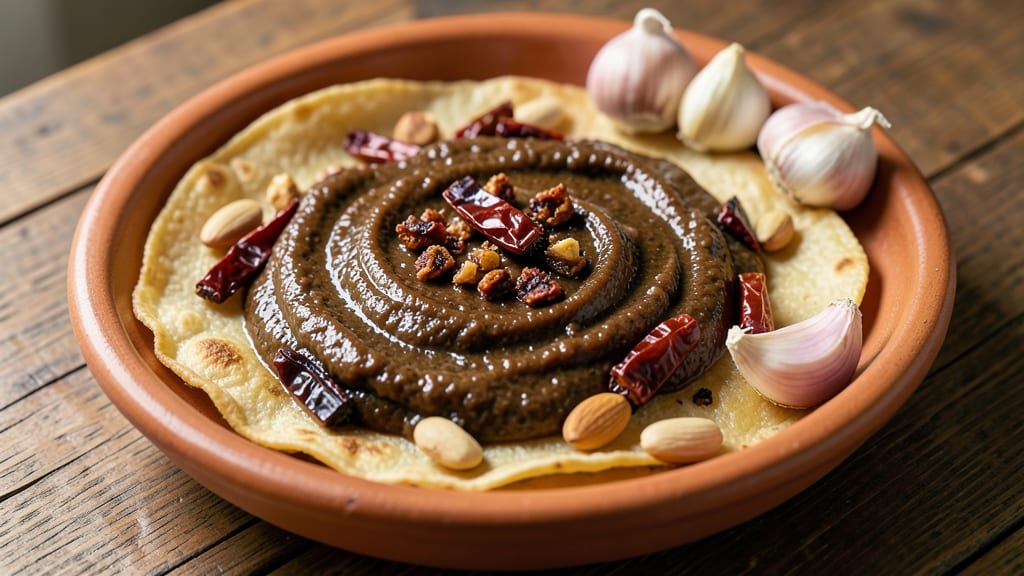
This mole paste recipe unlocks the soul of Mexican cuisine with its complex blend of smoky chilies, warm spices, and unexpected richness from chocolate. The secret lies in carefully roasting each ingredient—chilies until charred, garlic until golden—to develop layers of depth that transform simple pantry staples into something extraordinary.
I’ve perfected this technique over years of testing, ensuring the balance between heat, sweetness, and earthiness that defines authentic mole.
The process begins with drying and roasting a mix of ancho, pasilla, and mulato chilies until they’re fragrant and slightly blackened, then grinding them into a fine powder. Nuts like almonds and peanuts add texture, while cinnamon, cloves, and cumin build warmth.
The real magic happens when you stir in high-quality chocolate—it’s what gives mole its velvety, slightly bitter-sweet finish. This paste keeps for months in the fridge, ready to transform any dish into a restaurant-worthy masterpiece.
What sets this recipe apart is its versatility—use it as the base for black, red, or green mole by adjusting the chili blend and adding ingredients like plantains or tomatoes.
The texture should be smooth yet thick enough to cling to proteins like chicken or pork, creating a glossy, aromatic sauce. Whether you’re cooking for a special occasion or weeknight dinner, this mole paste delivers authentic flavor with minimal effort.
For those new to mole, start with the classic red version—it’s the most forgiving while still delivering bold, smoky-sweet complexity. Store the paste in an airtight container, and let it sit for 24 hours before using; the flavors deepen over time.
This isn’t just a condiment—it’s a flavor foundation that turns simple meals into unforgettable experiences.
Ingredients for mole paste
Authentic mole begins with these carefully selected, deeply roasted ingredients—each playing a crucial role in the complex flavor profile.
| Ingredient | Amount | Notes |
|---|---|---|
| Dried Ancho Chilies 🌶️ | ½ cup | Stems and seeds removed |
| Dried Pasilla Chilies 🌶️ | ¼ cup | Stems and seeds removed |
| Dried Mulato Chilies 🌶️ | ¼ cup | Stems and seeds removed |
| Raw Almonds 🥜 | ¼ cup | Blanched for smoother texture |
| Peanuts 🥜 | ¼ cup | Raw, unsalted preferred |
| Garlic Cloves 🧄 | 4 whole | Peeled, slightly charred |
| Cinnamon Sticks 🌿 | 2 whole | Broken into 1-inch pieces |
| Ground Cumin 🌿 | 1 tbsp | Freshly toasted preferred |
| Cloves 🌿 | 4 whole | Whole, lightly crushed |
| Mexican Chocolate 🍫 | 4 oz | High-quality, 50-70% cacao |
| Extra-Virgin Olive Oil 🫒 | ¼ cup | For blending and richness |
| White Onion 🧅 | ½ whole | Peeled, charred lightly |
| Sea Salt 🧂 | ½ tsp | Diamond Crystal preferred |
| Black Peppercorns 🌶️ | ½ tsp | Freshly cracked preferred |
The chili selection is non-negotiable for authentic mole. Ancho, pasilla, and mulato chilies from La Morita or Gourmet Mexican Foods deliver the ideal balance of smokiness and sweetness. Look for chilies with vibrant color and minimal blemishes—these indicate freshness and potency. The nuts (almonds and peanuts) should be raw and unsalted; Costco or Trader Joe's offer excellent bulk options. Char the garlic and onion until fragrant and slightly blackened—this step unlocks their full depth. For chocolate, prioritize Abel or Ibarra brands with 50-70% cacao content; the higher the cacao, the more complex the flavor.
No ancho chilies? Substitute with a mix of dried guajillo and pasilla at equal parts, but adjust the liquid during blending to maintain consistency. Peanuts too expensive? Walnuts or pecans work equally well, though they’ll alter the texture slightly. Short on cloves? Allspice berries at double the amount provide a similar warmth. The chocolate is critical—dark baking chocolate as a last resort, but it lacks the cinnamon and spice notes found in Mexican chocolate. For a smoother paste, blend the nuts until they resemble fine sand before combining with other ingredients. The olive oil acts as both a binder and flavor enhancer, so use a high-quality, fruity variety like California extra-virgin.
Store the finished paste in an airtight glass jar, submerged in a thin layer of olive oil to preserve freshness. It develops deeper flavor over time—wait 24-48 hours before using for optimal results. Keeps for 6 months refrigerated or 12 months frozen in small, portioned batches. For best texture, blend again before use if stored longer than 3 months. This paste transforms into red mole by adding chicken broth and tomatoes, or green mole with tomatillos and avocado—versatility at its finest.
Why You'll Love This Recipe
- Pantry Magic: I swear by this recipe because it pulls from what’s already in my cupboards—no last-minute grocery runs. Those dried chilies (Ancho, Pasilla, Mulato) sit in my cabinet for months, waiting for this moment, and the almonds? I buy them in bulk for snacks anyway. It’s like a flavor upgrade for ingredients I’d normally overlook.
- Deep, Smoky Richness: Between us, the moment those toasted peanuts and almonds blend into the chili paste? That’s when the magic happens. The Ancho gives it a velvety heat, the Pasilla adds a raisin-like sweetness, and the Mulato ties it all together with a smoky depth. Honestly, it’s the kind of sauce that makes you close your eyes and sigh—no exaggeration.
- Weeknight to Dinner Party: I use this paste for everything from quick stir-fries on Tuesday nights to slow-cooked chicken for Sunday guests. Slather it on grilled fish, mix it into rice, or drizzle it over beans—it’s my secret weapon for turning simple meals into something special. (Yes, even on a Tuesday night.)
- Costs Pennies, Lasts Forever: A single batch of this paste stretches into weeks of meals, and the ingredients won’t break the bank. The chilies are cheap, the nuts are a bulk-bin steal, and a little goes a long way. I’ll be real: I’ve had this paste in my freezer for six months, and it’s still as bold as the day I made it. That’s efficiency.
Step-by-step instructions for mole paste
This method captures the essence of traditional Mexican mole-making through precise charring and blending techniques.
Prepare and Char the Base Ingredients
Begin by removing stems and seeds from the dried ancho, pasilla, and mulato chilies. Toast them in a dry skillet over medium heat for 3-4 minutes until they darken and release their deep, smoky aroma. Watch closely—they should develop a rich mahogany color without burning. Remove immediately and set aside to cool slightly.
Next, peel and char the garlic cloves and white onion. Place them directly over a gas flame (or under a broiler) until they develop blackened patches and a caramelized aroma. This step is crucial for developing the complex, smoky-sweet foundation of authentic mole. The charred garlic and onion will later blend into a velvety paste that carries the entire dish's depth of flavor.
Toast the Nuts and Spices
In the same skillet, toast the raw almonds and peanuts over medium heat for 4-5 minutes, stirring constantly, until they turn golden brown and release their nutty fragrance. Remove and set aside with the cooled chilies. This toasting step enhances their natural oils and prevents bitterness in the final blend.
In a separate small skillet, lightly toast the cinnamon sticks and whole cloves over low heat for 1-2 minutes until fragrant. Allow them to cool completely before grinding. The ground cumin should be toasted separately in a dry pan for 30 seconds until aromatic. This step ensures all spices contribute their maximum flavor potential without overpowering the delicate balance of the paste.
Blend the Ingredients to a Smooth Paste
Transfer all toasted ingredients—the charred chilies, garlic, onion, almonds, peanuts, cinnamon, cloves, and ground cumin—to a high-powered blender. Add the extra-virgin olive oil and blend on high for 2-3 minutes, scraping down the sides as needed, until you achieve a completely smooth, velvety paste. The texture should be thick and uniform, with no visible particles remaining.
This blending process transforms the individual components into a cohesive, aromatic foundation. The high heat from charring and toasting develops complex flavors that blend seamlessly in the paste. If the mixture appears too dry, add 1-2 tablespoons of water to facilitate blending, but avoid adding too much or the paste will lose its intensity.
Incorporate the Chocolate and Final Seasoning
Add the Mexican chocolate to the blender along with the sea salt and black peppercorns. Blend again on high for 1-2 minutes until the chocolate melts completely and integrates smoothly into the paste. The chocolate should dissolve evenly, creating a rich, slightly bitter-sweet contrast to the smoky spices. Taste and adjust seasoning if needed, adding more salt or pepper to achieve the perfect balance.
This final step is where the mole's signature complexity emerges. The chocolate provides depth and richness while the salt and pepper refine the overall flavor profile. The paste should be thick enough to coat the back of a spoon but still spreadable. If it's too thick, add 1 teaspoon of water at a time until it reaches the desired consistency for your intended use.
Pro Tips For Making Mole Paste
- Toast Nuts Slowly: Skip the high-heat blitz—cook almonds and peanuts over medium-low for 8–10 minutes until golden, stirring often. I learned this the hard way: burning them turns the paste bitter, and you’ll taste the difference when they’re just right.
- Stem and Seed Chilies: Remove stems and seeds from ancho, pasilla, and mulato chilies before toasting—this keeps the paste from turning searingly hot. My grandmother swore by this, and she was right: the heat builds up fast enough without extra capsaicin.
- Simmer, Don’t Boil: Reduce the chili-nut mixture to a paste over low heat, not a rolling boil. After burning three batches, I finally figured out that a gentle simmer prevents scorching and lets the flavors meld properly—yes, even if you’re impatient like me.
- Blend in Stages: Pulse the toasted chilies and nuts first, then blend with liquid in batches. Sounds weird, but it works: this avoids clogging your blender and ensures a silky texture instead of a grainy mess. (Your future self will thank you.)
Wine and beer pairings for this dish
Red Wine Pairings
For this deep, smoky mole paste, I reach for a medium-bodied red wine with enough acidity to cut through the richness. A Spanish Garnacha (Grenache) from Priorat—like Alvaro Palacios—works beautifully with its dark fruit notes and subtle earthiness.
The wine’s 14-15% alcohol stands up to the chocolate and chili without overpowering the dish’s complexity. 🍷
White Wine Contrasts
Surprising but effective, a dry, aromatic white wine like Albariño from Rías Baixas balances the mole’s heat and sweetness. The wine’s bright citrus and mineral notes refresh your palate between bites, while its 13% alcohol keeps it light enough.
I recommend Pazo de Señorans for its crisp acidity and floral undertones.
Mexican Beer Options
For a casual setting, a Mexican lager like Modelo Especial or Pacífico Clara complements the mole’s smoky depth without competing. The beer’s clean, slightly malty profile lets the paste’s flavors shine, while its 4.4% ABV keeps it refreshing.
For a craft twist, try a Mexican-style amber ale like Deschutes Mirror Pond.
Spiced Rum Cocktails
Elevate your meal with a spiced rum cocktail like Mexican Mule, mixing 2 oz reposado tequila, ½ oz lime juice, ½ oz ginger syrup, and topping with ginger beer.
The rum’s vanilla and cinnamon notes mirror the mole’s warmth, while the ginger beer’s effervescence cleanses your palate. Serve over ice with a lime wedge for authenticity. 🍹
Avoid Heavy Reds
Skip bold reds like Cabernet Sauvignon or Syrah—their tannins clash with the mole’s smooth texture and chocolate richness. Even Malbec, while popular, can overpower the dish’s delicate balance. Instead, opt for wines with lower tannins and higher acidity to let the mole’s layers shine.
Nutrition facts
Frequently asked questions
What's the key difference between mole paste and finished mole sauce?
The paste is a concentrated, shelf-stable base made from blended roasted chilies, nuts, spices, and chocolate. To make finished mole sauce, you'll simmer the paste with broth, tomatoes (for red mole), or plantains (for green mole) until smooth. The paste keeps for months, while finished sauce should be used within a week.
Can I make mole paste without a high-powered blender?
Yes, but expect a slightly grainier texture. Use a food processor and process in 30-second bursts, scraping down the sides frequently. For the smoothest results, toast nuts and spices until very fine, then blend with 1-2 tablespoons of water to help emulsify. The flavor will still be excellent, just less velvety.
How do I adjust the heat level in my mole paste?
Remove seeds and membranes from hotter chilies like pasilla before blending. For milder paste, use only ancho and mulato chilies. Want more heat? Add 1-2 dried arbol chilies (seeds included) to the blend. Always taste as you go—you can't remove heat once it's blended in!
Why does my mole paste taste bitter?
Bitterness usually comes from over-roasting the chilies or nuts. For future batches, toast ingredients just until fragrant—3-4 minutes max for chilies, 4-5 minutes for nuts. The chocolate should be high-quality (50-70% cacao) to balance flavors. If already made, stir in ½ teaspoon of honey or brown sugar to sweeten the paste before using.
What's the best way to use leftover mole paste?
Stir 1-2 tablespoons of paste into soups, stews, or braising liquids for instant depth. Mix with ½ cup broth and 1 tablespoon cornstarch to make a quick sauce for tacos or grilled meats. For a dessert twist, fold into chocolate mousse or ice cream batter. The paste enhances any savory or slightly sweet dish!