
Main Courses
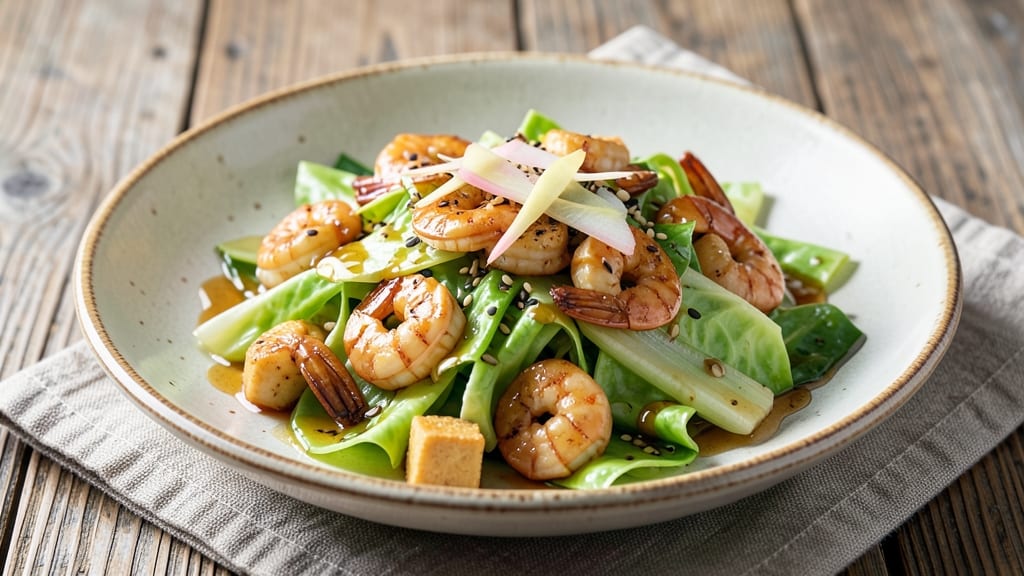
This Napa cabbage stir fry delivers crisp-tender bites that balance sweetness and crunch, elevated by a bright sesame-ginger sauce. I developed this recipe after discovering how high heat transforms delicate cabbage into restaurant-quality texture in just 5 minutes—no soggy leaves here.
The secret lies in proper prep and timing, ensuring each bite stays vibrant and satisfying.
What makes this stir fry special is its foolproof technique: thinly sliced cabbage cooks quickly over medium-high heat, while the sauce infuses without overwhelming the natural flavor. Traditional Asian methods like small batches and constant motion keep everything perfectly tender, not mushy.
It’s the kind of dish that proves healthy eating can still be bold and flavorful.
By the time you’re done, you’ll have a vibrant, aromatic stir fry with crisp-tender cabbage, fragrant sesame seeds, and a zesty ginger glaze that lingers on your tongue. This recipe scales easily for meals or sides, and optional proteins like shrimp or tofu add depth.
The best part? It’s ready in under 20 minutes—ideal for weeknights or meal prep.
Serve with steamed rice or noodles to soak up every last drop of that sesame-ginger sauce. The balance of textures and flavors makes this stir fry a standout, whether you’re feeding a family or treating yourself to a quick, satisfying meal. Let’s get cooking!
Ingredients for napa cabbage stir fry
Crisp-tender cabbage meets zesty sesame-ginger sauce—just 13 ingredients for a restaurant-style stir fry.
| Ingredient | Amount | Notes |
|---|---|---|
| Napa Cabbage 🥬 | 1 lb | Thinly sliced, core removed |
| Sesame Oil 🫒 | 1 tbsp | Toasted for aroma |
| Fresh Ginger 🌿 | 1 tbsp | Grated, finely minced |
| Soy Sauce 🍶 | 3 tbsp | Low-sodium preferred |
| Honey 🍯 | 1 tbsp | For subtle sweetness |
| Rice Vinegar 🍶 | 1 tbsp | White or seasoned |
| Garlic Cloves 🧄 | 2 cloves | Minced, aromatic base |
| Sesame Seeds 🥜 | 1 tbsp | Toasted for crunch |
| Vegetable Oil 🫒 | 2 tbsp | High smoke point |
| Red Pepper Flakes 🌶️ | ½ tsp | Optional for heat |
| Salt 🧂 | ½ tsp | Kosher or sea salt |
| Black Pepper 🌶️ | ¼ tsp | Freshly ground |
| Optional Protein 🍗 | 1 lb | Shrimp, tofu, or chicken |
The Napa cabbage is your star—look for firm, vibrant heads with no yellowing leaves. Asian markets often carry the best, but regular grocery stores work too. Skip the pre-shredded bags—hand-slicing keeps it crisp. If you're using optional protein, shrimp cooks fastest (2-3 minutes), so prep it last. The sesame oil? Toast it in a dry pan for 30 seconds before using—this brings out its nutty aroma without overpowering. For extra crunch, toast the sesame seeds in the same pan until golden.
No sesame oil? Toasted peanut oil or neutral oil works in a pinch, but you'll lose that signature flavor. Fresh ginger is ideal, but powdered works at half the amount. The soy sauce can be tamari for gluten-free, and if you're avoiding honey, maple syrup or agave keeps it sweet. For heat, swap red pepper flakes for Sichuan peppercorns or gochujang. The optional protein? Marinate shrimp in 1 tbsp soy sauce for 10 minutes to keep them juicy. Tofu? Press it first—15 minutes in a towel with a weight makes all the difference.
This stir fry is best served immediately—5 minutes max after cooking—but leftovers reheat beautifully. Store in an airtight container for 3-4 days in the fridge. For meal prep, keep the sauce separate until reheating to maintain crispness. Freezes for up to 2 months if you're planning ahead. I like to portion mine into small containers with rice so lunches are ready to grab. The sauce thickens as it cools, so add a splash of water when reheating.
Why You'll Love This Recipe
- I’ll be real: this recipe costs me less than $5 for four servings, and the leftovers? Even better the second day. The ginger mellows into a warm depth, the cabbage softens just enough, and the sesame oil’s nutty finish makes it taste like you meant to eat it twice. Zero waste, all flavor.
- One-Pan Magic: Honestly, I swear by this recipe because it’s literally three ingredients on a hot pan—no chopping chaos, no messy bowls. Just slice that cabbage into fat wedges (core intact!), toss in the ginger and soy, and let the sesame oil work its aroma magic while you sip your tea.
- Sweet-Savory Balance: That honey-soy glaze? It’s the star. The cabbage soaks up just enough sweetness to cut through the funky ginger, leaving you with a dish that’s bright, umami-rich, and ridiculously addictive—like someone snuck a caramelized onion into your stir-fry but made it better.
- Lunchbox Hero: Between us, this is my go-to for packed lunches. The cabbage stays crisp (no sad wilted greens here), and the dressing keeps it fresh for days—perfect for office meals or after-school snacks. Add a fried egg on top, and suddenly it’s dinner too.
Step-by-step instructions for napa cabbage stir fry
Here's how to create crisp-tender cabbage with that perfect sesame-ginger balance every time.
Prep the Napa Cabbage and Protein
Start by removing the tough core from the 1 lb napa cabbage and slicing it into thin, even strips about ¼-inch wide. You want them to cook quickly and evenly, so keep them consistent in size. If using optional protein like shrimp, chicken, or tofu, cut it into bite-sized pieces now and set aside.
Here's the thing—thin slices cook faster and stay crisp-tender. If your cabbage is particularly thick, slice it twice to ensure even cooking. The goal is tender cabbage with a satisfying bite, not mushy pieces. Keep your sliced cabbage in a bowl until ready to cook.
Build the Flavor Base
Heat the 2 tablespoons vegetable oil in a large skillet or wok over medium-high heat until shimmering. Add the 2 cloves minced garlic and stir for 30 seconds until fragrant—you'll know it's ready when the aroma fills your kitchen. Add the 1 tablespoon finely minced fresh ginger and cook for another 30 seconds, stirring constantly.
Don't walk away during this step. Ginger burns quickly, and you want it to soften slightly while keeping its bright flavor. The oil should be hot enough to sizzle gently but not smoke. This aromatic base forms the flavor foundation for your stir fry, so take your time here.
Cook the Protein and Cabbage Together
Add your 1 lb optional protein to the skillet and cook for 2-3 minutes, stirring occasionally, until it begins to brown. Then add the sliced napa cabbage and stir-fry for 3-4 minutes until the cabbage starts to soften but still maintains a slight crispness. You're looking for tender yet slightly crunchy cabbage—this happens quickly, so watch closely.
I like to toss everything together vigorously to ensure even cooking. The cabbage should release its natural juices but not become soggy. If using shrimp, they'll cook in about 2 minutes—remove them when they turn pink and opaque. For chicken or tofu, cook until just done through.
Finish with the Sauce and Seasonings
Reduce heat to medium and add the 3 tablespoons soy sauce, 1 tablespoon honey, and 1 tablespoon rice vinegar. Stir well to combine, letting the sauce coat everything evenly. Cook for 1-2 minutes until the cabbage is fully tender but still holds its shape. The sauce should look glossy and slightly reduced.
Here's where the magic happens: sprinkle in the 0.5 teaspoon salt, 0.25 teaspoon black pepper, and 0.5 teaspoon red pepper flakes (if using). Toss everything together one final time to distribute the seasonings evenly. The cabbage should be coated in that beautiful sesame-ginger sauce with just the right amount of heat.
Garnish and Serve Immediately
Remove the skillet from heat and stir in the 1 tablespoon toasted sesame seeds and 1 tablespoon toasted sesame oil. The sesame oil adds that final aromatic punch while the seeds provide texture contrast. Taste and adjust seasoning if needed—you might want to add a touch more soy sauce for saltiness or honey for sweetness.
Serve your stir fry immediately while it's hot and crisp-tender. The cabbage should be perfectly tender with just a slight bite, coated in that glossy sesame-ginger sauce. This dish tastes even better the first time you dig in, so don't wait too long to eat it!
Pro Tips For Making Napa Cabbage Stir Fry
- Trim the Core First: Cut out the thick white core of the Napa cabbage before slicing—it stays tough no matter how long you cook it. I used to ignore this and wonder why my stir-fry had these stubborn, rubbery bits. Save the core for stock or compost.
- High Heat, Then Low: Start the cabbage in a screaming-hot wok or skillet—you want those edges to blister in 30 seconds. Once it’s wilted halfway, drop the heat to medium and finish cooking. Rushing the heat makes it mushy; letting it linger burns the ginger and soy.
- Grate Ginger Fine: Use a microplane or the smallest holes on a box grater—you want the ginger to dissolve into the sauce, not sit as visible flecks. I learned this the hard way when my stir-fry tasted like "ginger bits in a sauce," not "ginger-infused flavor." No, a knife isn’t fine enough.
- Toss with Sesame Oil Last: Add the sesame oil after the stir-fry is off the heat—it burns faster than you think. A splash at the end coats everything evenly without turning bitter. (Yes, even if you’re impatient like me.)
Regional styles of napa cabbage stir fry
Korean Kimchi Style
Transform your stir fry into a spicy, fermented masterpiece by adding ½ cup chopped kimchi (about 3-4 tbsp juice included) when you toss in the cabbage. The tangy, funky flavors cut through the sweetness beautifully.
I like to use Korean-style kimchi from the refrigerated section, but any well-fermented variety works. For extra heat, add 1 tsp gochujang to the sauce and finish with 1 tsp toasted sesame seeds mixed with ½ tsp crushed red pepper flakes.
Serve with a side of steamed rice to soak up the bold flavors. 🌶️
Thai-Inspired Lemongrass Twist
Give your stir fry a Southeast Asian upgrade by infusing the sauce with 1 stalk lemongrass (bruised and finely chopped) and 1 tbsp fish sauce (or soy sauce for vegetarian). Add these to the skillet with the garlic and ginger, cooking for 1 minute before adding the protein.
Finish with 1 tsp palm sugar or honey and a squeeze of lime juice. Garnish with thinly sliced Thai basil or cilantro for a fragrant, citrusy kick. This version pairs perfectly with jasmine rice or rice noodles. 🌿
Japanese Miso-Glazed Version
For a rich, umami-packed twist, replace the soy sauce with 2 tbsp white miso paste mixed with 1 tbsp mirin and 1 tbsp sake (or dry white wine). Whisk this into the sauce after removing the skillet from heat, letting it simmer for 1 minute to meld flavors.
Add 1 tsp toasted sesame seeds and ½ tsp grated daikon radish for texture. This version works beautifully with shrimp or tofu and balances perfectly with steamed rice. The miso adds depth without overpowering the cabbage’s natural sweetness. 🍶
Vietnamese Caramelized Onion
Elevate your stir fry with ½ cup thinly sliced caramelized onions—sauté them in 1 tbsp neutral oil over low heat for 10 minutes until golden. Add these to the skillet with the garlic and ginger, then proceed with the recipe.
For extra flavor, stir in 1 tsp fish sauce and ½ tsp black pepper at the end. Garnish with fresh cilantro and a drizzle of hoisin sauce for a sweet-savory balance. This version feels luxurious but still quick to prepare. 🥕
Chinese Five-Spice Fusion
Add warmth and complexity by sprinkling ½ tsp Chinese five-spice powder into the sauce along with the soy sauce and honey. For extra depth, stir in 1 tsp Shaoxing wine (or dry sherry) when adding the sauce.
Finish with 1 tsp toasted sesame seeds and a pinch of star anise powder for a subtle aromatic note. This version pairs wonderfully with chicken or tofu and complements steamed jasmine rice beautifully. The five-spice blend adds a cozy, slightly sweet warmth that complements the cabbage’s crispness. ✨
Nutrition facts
Frequently asked questions
Why does my napa cabbage turn soggy in stir fry?
Overcrowding the pan is the #1 culprit—keep batches small so cabbage has room to crisp. Also, overcooking (more than 4 minutes) turns it mushy. Use medium-high heat and stir constantly to maintain that perfect tender-crisp texture.
Can I use regular cabbage instead of napa?
Technically yes, but napa's delicate texture and mild sweetness make it ideal. Regular cabbage is heartier and less tender—it'll need 1-2 extra minutes of cooking. For closest results, use green cabbage and slice it ⅛-inch thick instead of ¼-inch.
How do I make this stir fry spicier?
Double the red pepper flakes to 1 tsp or add ½ tsp chili crisp with the sauce. For depth, stir in 1 tsp sriracha at the end. Pro tip: Toast 1 tsp crushed Sichuan peppercorns in the dry pan before adding oil for a numbing heat.
What's the best way to reheat leftovers?
Reheat in a skillet over medium heat with 1 tsp oil and 1 tbsp water to restore crispness. Avoid microwaving—it makes cabbage limp. For extra flavor, add a splash of soy sauce or sesame oil. Store in an airtight container for up to 4 days.
Can I prep this ahead of time for meal prep?
Prep the cabbage and protein separately, store in separate airtight containers, and keep the sauce ingredients in a bag. Cook fresh when ready—this preserves the crisp-tender texture. For proteins, marinate shrimp/tofu in 1 tbsp soy sauce overnight for extra flavor.