
Sauces & Condiments
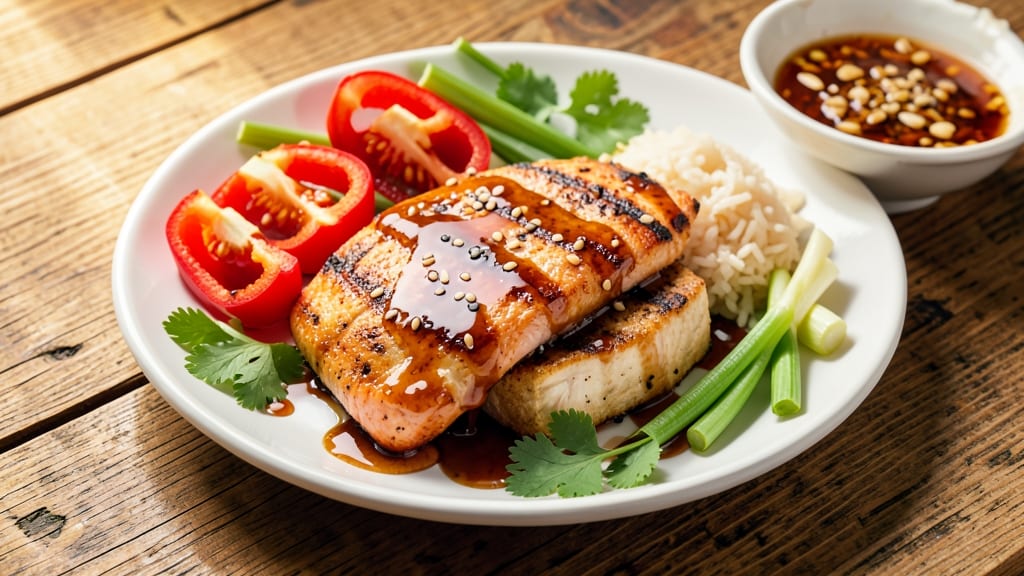
This no-sugar teriyaki sauce delivers restaurant-quality umami depth without the sweetness, using monk fruit and natural ingredients for bold flavor. After years of perfecting sugar-free adaptations, I’ve created a sauce that glazes beautifully while keeping carbs in check—ideal for grilled proteins and stir-fries.
The key lies in balancing fermented soy for richness and citrus for brightness, creating a sauce that’s complex yet clean.
The process is straightforward: simmer soy sauce, ginger, garlic, and a sugar substitute until thickened, then finish with a splash of rice vinegar for tang. No refined sugars or artificial sweeteners here—just pure umami with a touch of acidity that cuts through richness.
This sauce works equally well on seared chicken, crispy tofu, or roasted vegetables, offering a healthier alternative without sacrificing flavor.
What sets this apart is how it transforms dishes—think glossy, caramelized edges on grilled meats or a sticky, savory glaze on stir-fried veggies. The sauce thickens just enough to coat without overwhelming, making it versatile for marinades or dipping. Once you taste the difference, store-bought teriyaki won’t compare.
Store it in the fridge for up to two weeks or freeze for longer shelf life. Pair it with anything from skewers to noodles, and you’ll never miss the sugar. Let’s make this sauce—your taste buds will thank you.
Ingredients for no sugar teriyaki sauce
Nine ingredients transform into a sauce that rivals restaurant-quality teriyaki—without sugar or artificial junk.
| Ingredient | Amount | Notes |
|---|---|---|
| Coconut Aminos 🥛 | ½ cup | Fermented soy alternative for depth |
| Monk Fruit Sweetener 🍯 | ¼ cup | Granulated, zero-glycemic option |
| Fresh Ginger 🌿 | ¼ cup | Finely grated, aromatic base |
| Garlic Cloves 🧄 | 6 cloves | Minced, for aromatic punch |
| Rice Vinegar 🍶 | ¼ cup | White or seasoned, for tang |
| Sesame Oil 🫒 | 1 tbsp | Toasted, for nutty aroma |
| Fresh Lime Juice 🍋 | ¼ cup | Bright citrus finish |
| Fresh Garlic 🧄 | 2 cloves | Roasted, for mellow sweetness |
| Diamond Crystal Kosher Salt 🧂 | ½ tsp | Fine grain for balance |
| Cornstarch 🌾 | 1 tbsp | Slurry for thickening |
The coconut aminos is non-negotiable here—it delivers that fermented soy depth without the sodium overload of regular soy sauce. Annie Chun’s or Kikkoman Coconut Aminos are my go-tos, but any brand with a clean label works. Monk fruit sweetener? Lakanto or Naked Monkfruit are the best—no aftertaste, no bitterness. The ginger and garlic? Fresh is mandatory—dried spices won’t cut it. I always double-check for bright, firm ginger roots and plump garlic cloves at Whole Foods or the Asian market. Roast those extra garlic cloves while you prep—trust me, it’s worth the extra minute.
No monk fruit? Erythritol or allulose at half the amount works, but you’ll lose that caramelized depth the monk fruit brings. Short on sesame oil? Toasted sesame seeds at double the amount (pulse in a food processor) gives a similar nutty vibe. The rice vinegar can be swapped for apple cider vinegar, but you’ll lose that clean, sharp tang. For thickening, arrowroot powder works 1:1 with cornstarch—just make sure to whisk it into cold water first. And if you’re feeling fancy, add a dash of fish sauce (like Red Boat) for extra umami—it’s a game-changer for depth.
This sauce keeps 2 weeks in the fridge sealed tightly, but I always freeze half for later—it’s perfect for batch cooking. The cornstarch slurry thickens as it cools, so reheat gently to restore glossiness. Store in a glass jar (plastic can absorb odors) and label it—this stuff disappears fast. Leftovers? Toss them on grilled shrimp, roasted Brussels sprouts, or even popcorn for a savory twist. The flavor actually improves after 24 hours, so make extra.
Why You'll Love This Recipe
- Pantry Magic: I swear by this sauce—no fresh ingredients needed beyond what’s already in my cupboard. Monk fruit sweetener and coconut aminos turn into something rich and sticky with just a few minutes of simmering.
- Ginger-Garlic Zing: That fresh ginger and garlic combo? It’s the secret weapon. The heat lingers just enough to wake up your taste buds, but the rice vinegar keeps it bright and balanced—no aftertaste, just pure satisfaction.
- Weeknight Wonder: Slap it on grilled chicken, toss it with roasted veggies, or drizzle it over stir-fried noodles. Honestly, I’ve used it for everything from lazy takeout nights to impressing my in-laws, and it never lets me down.
- Budget-Friendly Batch: A single batch stretches for three meals, and the ingredients cost a fraction of store-bought. Between us, I’ve made this sauce for under $5—and it’s the only thing my picky husband will actually eat straight from the bottle.
Step-by-step instructions for no-sugar teriyaki sauce
Here's how to craft a rich, umami-packed sauce that delivers bold teriyaki flavor without relying on sugar.
Toast the Garlic and Build the Aromatic Base
Heat a small skillet over medium-low heat and add the 2 cloves fresh garlic. Toast them for 2-3 minutes until they're golden and fragrant, stirring constantly to prevent burning. Remove from heat immediately and set aside. In the same skillet, add 1 tablespoon sesame oil and heat for 30 seconds until shimmering but not smoking.
Add the 6 cloves minced garlic cloves and 0.25 cup finely grated fresh ginger to the hot oil. Sauté for 1-2 minutes until the raw aroma transforms into something warm and inviting. Here's the thing—this step develops the sauce's depth. Don't rush it, but don't let it brown or it'll turn bitter. The garlic should be soft and aromatic, not crispy.
Combine Wet Ingredients and Simmer
Transfer the garlic-ginger mixture to a medium saucepan and add 0.5 cup coconut aminos, 0.25 cup rice vinegar, and 0.25 cup fresh lime juice. Stir well to combine, then bring to a gentle boil over medium-high heat. Once boiling, reduce heat to medium-low and let it simmer uncovered for 8-10 minutes, stirring occasionally.
The sauce will reduce slightly, intensifying its flavors. You'll notice the aroma becoming more complex—umami from the coconut aminos, bright acidity from the lime, and that signature tang from the rice vinegar. This is where the magic happens. If you see the sauce threatening to stick, add 1-2 tablespoons water to keep it moving. The goal is to concentrate these flavors without burning them.
Sweeten and Thicken the Sauce
In a small bowl, whisk together 0.25 cup monk fruit sweetener and 1 tablespoon cornstarch. Slowly sprinkle this mixture into the simmering sauce while whisking constantly to prevent clumping. The sauce will thicken immediately—this is your thickening slurry at work. Continue simmering for 3-4 minutes until it reaches a glossy, coatable consistency.
Taste and adjust seasoning with 0.5 teaspoon diamond crystal kosher salt. You might need a bit more salt to balance the acidity, especially if you're using unsalted coconut aminos. The sauce should coat the back of a spoon and have a smooth, velvety texture. If it's still too thin after simmering, whisk in 1 teaspoon cornstarch mixed with 1 teaspoon water and cook for another 1-2 minutes.
Finish and Rest the Sauce
Remove the sauce from heat and stir in the toasted garlic cloves you set aside earlier. This adds a subtle sweetness and depth that balances the sauce's complexity. Let the sauce rest for 10 minutes at room temperature. This resting period allows the flavors to meld completely and the sauce to thicken slightly as it cools.
Here's a pro tip: If you're using this sauce immediately, you can skip the resting period, but if you're making it ahead, let it rest for 30 minutes before using. The sauce will keep in the refrigerator for up to 1 week and can be reheated gently on the stovetop. For best results, bring it to a simmer and stir occasionally until heated through—just until it's warm, not boiling, to preserve its texture.
Pro Tips For Making No Sugar Teriyaki Sauce
- Simmer Slow and Steady: You’re not making soup—don’t rush the sauce. A low simmer (just tiny bubbles, not a rolling boil) for 10-12 minutes lets the ginger and garlic mellow without burning. After burning three batches of this sauce, I finally accepted that patience here means depth later.
- Grate That Ginger Fine: Monk fruit sweetener can’t hide a chunky ginger texture. Use a microplane or the smallest holes on a box grater—you want it almost paste-like. I used to dice it, and the sauce always tasted like it was fighting something.
- Balance the Vinegar First: Taste the raw coconut aminos and rice vinegar mix before adding sweetener. The vinegar’s sharpness needs taming—start with half the monk fruit called for, then adjust. I learned this the hard way when my first batch ended up tasting like a pickle.
- Save Time with Pre-Minced Garlic: Fresh garlic cloves take effort to peel and mince, but pre-minced (rinsed well) works just as fine—no one’s judging. Just drain it thoroughly to avoid watery sauce. I skip peeling now unless I’m feeling particularly dramatic.
Serving suggestions for this dish
Grilled Protein Pairings
The sauce shines most dramatically on grilled chicken thighs—marinate them for at least 2 hours (or overnight) for maximum flavor absorption. I like to brush the sauce directly on the grill for that smoky, caramelized crust.
For pork chops, the sauce adds a perfect balance of umami and tanginess that cuts through the richness. Just coat the chops with sauce before grilling and baste occasionally. 🔥
Stir-Fry Starters
This sauce transforms simple stir-fries into restaurant-worthy meals. Toss bell peppers, snap peas, and broccoli in the sauce at the end of cooking for a vibrant, sticky glaze. I add thinly sliced beef or shrimp for protein—just cook them first and set aside.
The sauce's acidity keeps the veggies crisp while adding depth. For a quick meal, stir-fry tofu cubes and toss with sauce and sesame seeds.
Dipping Sauce Magic
Use this sauce as a dipping sauce for steamed dumplings or spring rolls—it adds a tangy, savory contrast to the delicate flavors inside. I love pairing it with crispy fried chicken tenders or crunchy wontons for a satisfying bite.
For a lighter option, dip edamame or steamed shrimp in the sauce before serving. The umami depth makes even simple snacks feel special. ✨
Baked and Roasted
Brush the sauce on roasted Brussels sprouts or sweet potatoes before baking for a sweet-savory glaze. The sauce's natural sweetness (from monk fruit) caramelizes beautifully in the oven. I also love drizzling it over baked salmon or cod fillets—the acidity helps tenderize the fish while adding complexity.
For a fun twist, use it as a marinade for chicken wings before baking.
Noodle Elevator
Turn plain noodles into a gourmet dish by tossing them with the sauce and soft-boiled eggs. I use udon or soba noodles for texture, but even rice noodles work well.
Add crispy fried shallots and sesame seeds for crunch. For a cold dish, serve the sauce over chilled noodles with quick-pickled cucumbers—the tangy sauce cuts through the richness perfectly. 🍜
Nutrition facts
Frequently asked questions
Can I substitute monk fruit sweetener with something else?
Yes! Use erythritol or allulose at half the amount (so 0.125 cup instead of 0.25 cup), but expect slightly less caramelization. For a more natural option, try date paste or mashed banana (start with 1-2 tablespoons and adjust to taste). The key is balancing sweetness with the sauce's acidity—monk fruit provides the best depth without aftertaste.
Will this sauce work for marinades?
This sauce marinates beautifully—just reduce the cornstarch to 0.5 tablespoons to prevent clumping. Use it for chicken, pork, or tofu (marinate 2-4 hours for best results). The acidity in rice vinegar and lime helps tenderize proteins while infusing flavor. For extra safety, reserve 2 tablespoons of sauce to brush on after cooking for a glossy finish.
Why does my sauce turn out too thin?
Thinning often happens if you didn't simmer long enough or used too much liquid. To fix it, whisk 1 teaspoon cornstarch with 1 teaspoon water, stir into the sauce, and simmer for 1-2 minutes until thickened. For prevention, always simmer uncovered for the full 8-10 minutes and avoid adding extra water. If the sauce separates, whisk vigorously while reheating—it should come back together.
How do I make this sauce spicier?
Add 1/2 teaspoon red pepper flakes or 1 teaspoon sriracha at the end of cooking, or stir in 1 tablespoon fresh chili paste (like sambal oelek) while simmering. For heat without spice, roast 2 extra garlic cloves until charred and blend them into the sauce—they add a subtle smoky kick. Always taste first and adjust gradually.
Can I use this sauce as a glaze for vegetables?
Yes! Toss broccoli, Brussels sprouts, or asparagus with 1 tablespoon sauce and roast at 425°F for 15-20 minutes until caramelized. The sauce's natural sweetness (from monk fruit) enhances the veggies' flavors while adding a sticky glaze. For extra crispiness, broil for 2-3 minutes at the end. Pair with sesame seeds for texture.