
Desserts
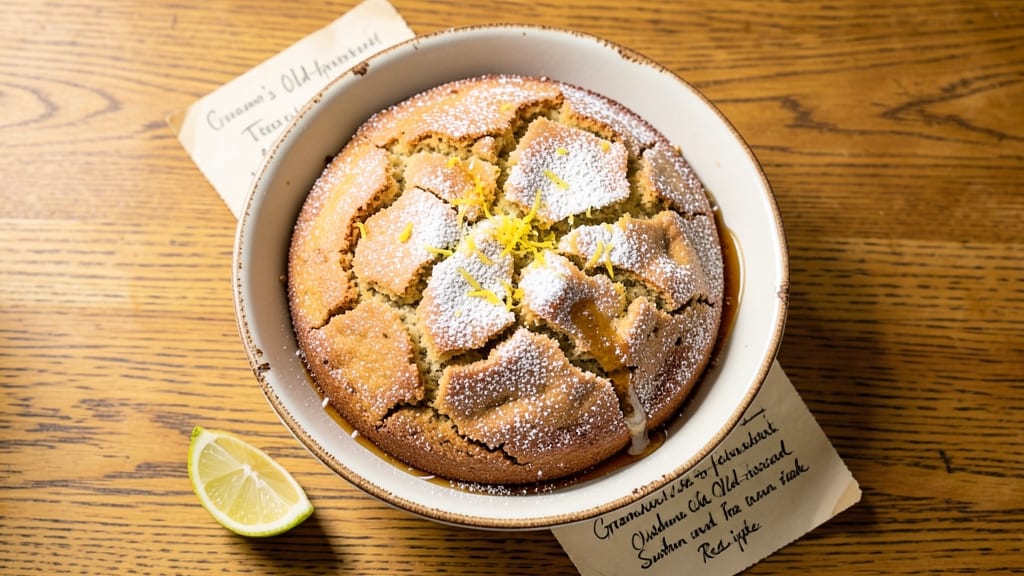
This old-fashioned Southern tea cake recipe brings warmth and tradition to your kitchen with its signature buttery layers and bright citrus notes—just like the ones served at Sunday afternoon tea gatherings. The secret lies in the precise balance of flour, butter, and lemon zest, baked until golden and tender.
I first discovered this recipe in a well-worn family cookbook, and it’s been a staple in my kitchen ever since.
What makes these tea cakes special is their simplicity and versatility—no fancy techniques required, just a few key ingredients and patience. The recipe yields tender, slightly crisp edges with a buttery, melt-in-your-mouth center, all infused with the zesty brightness of lemon.
Perfect for pairing with a steaming cup of Earl Grey or sweetened black tea, these cakes are a nod to Southern hospitality at its finest.
The result is a batch of delicate, layered tea cakes that taste like a hug from your grandmother’s kitchen. Each bite delivers that perfect harmony of buttery richness and citrus zing, making them ideal for brunch, afternoon tea, or even as a light dessert.
The recipe is designed to be adaptable, so you can adjust the lemon zest to your preference—more for extra brightness or less for a milder flavor.
Whether you’re baking for a special occasion or simply craving a taste of tradition, these tea cakes are sure to impress. The process is straightforward, and the outcome is undeniably comforting. Let’s get started on creating a batch that will transport you to a cozy Southern afternoon.
Ingredients for old fashioned southern tea cake
Just 11 simple ingredients create these nostalgic Southern tea cakes—perfect for tea time or brunch.
| Ingredient | Amount | Notes |
|---|---|---|
| All-Purpose Flour 🌾 | 2 ½ cups | Sifted for light texture |
| Unsalted Butter 🧈 | 1 cup | Cold, cubed for layers |
| Granulated Sugar 🍚 | 1 ½ cups | Lightly packed |
| Lemon Zest 🍋 | 2 tbsp | Freshly grated from 1 lemon |
| Lemon Juice 🍋 | 2 tbsp | Freshly squeezed |
| Large Eggs 🥚 | 2 whole | Room temperature |
| Baking Powder 🍞 | 2 tsp | Aluminum-free preferred |
| Salt 🧂 | ½ tsp | Fine sea salt |
| Vanilla Extract 🌸 | 1 tsp | Pure vanilla preferred |
| Powdered Sugar 🍚 | ½ cup | For dusting |
| Heavy Cream 🥛 | ½ cup | Cold for drizzling |
The butter is non-negotiable here. Use unsalted sticks from the refrigerated section—none of that tub butter. If you're in a hurry, Land O'Lakes or Plugrá are reliable, but for real Southern flavor, grab European-style butter like President or Kerrygold if you can. Keep it cold when measuring—cut it into cubes and let it sit at room temp for just 30 minutes before mixing. The flour? King Arthur or Gold Medal are my go-tos—they bake up lighter. And that lemon zest? Use a microplane for fine, fragrant strips. No zest? Lemon extract at half the amount works in a pinch, but it won’t be the same.
No vanilla extract? Vanilla bean paste or even a scraped vanilla bean adds depth. Short on powdered sugar? Granulated sugar in a blender does the trick. The baking powder needs to be fresh—if it's more than 6 months old, toss it. For a citrus twist, swap lemon for orange zest and juice—just reduce the sugar slightly since citrus is naturally sweet. These cakes freeze beautifully (see storage notes), so I often make a double batch. Trader Joe's has great pre-grated zest if you hate peeling lemons, but fresh is always better.
Store leftovers in an airtight container for up to 3 days—they taste even better the next day. For longer storage, wrap individually in parchment and freeze for up to 3 months. Thaw at room temp before serving. Pro tip: Brush the tops with a little heavy cream before baking for extra shine. These keep well at room temp too, but the powdered sugar topping gets soggy after a day. I always make a batch on Saturday for Sunday tea—Earl Grey or sweet tea pairs perfectly.
Why You'll Love This Recipe
- No Fussy Steps: This recipe’s got just five ingredients—no weird ratios, no last-minute scrambles. Cream butter and sugar, fold in flour and lemon, bake. That’s it. Honestly, my first batch came out fine even when I forgot to zest the lemon (the juice alone still worked).
- Sunshine in Every Bite: That bright lemon zest and juice cut through the buttery richness like a cool breeze on a summer porch. The cakes stay tender but hold their shape—no dry crumbs, no greasy mess. Between us, the lemon makes these taste like a hug from your grandma’s kitchen.
- Weekend Breakfast or Picnic Hero: These are my go-to for lazy Saturday mornings (eat warm with jam) or packed in a basket for church potlucks. They travel well, too—no squishy middle, no crumbling edges. I’ve even frosted them with cream cheese for a brunch crowd, and nobody bats an eye.
- Budget-Friendly Batch Maker: A single batch uses less than $3 of pantry staples, and the dough keeps for days in the fridge. Bake half now, half later—no waste, no stress. I’ll be real: these are my secret weapon for feeding a houseful without breaking the bank. Plus, the butter’s already softened most of the time.
Step-by-step instructions for old fashioned Southern tea cakes
Here's how to create those legendary buttery layers with bright citrus notes that make these tea cakes so special.
Prepare the Dry Ingredients
In a medium bowl, whisk together the 2.5 cups all-purpose flour, 2 teaspoons baking powder, and 0.5 teaspoon salt. I like to sift the flour first for a lighter texture—this prevents dense layers later. Set this mixture aside while you prepare the wet ingredients.
For the citrus elements, combine the 2 tablespoons lemon zest and 2 tablespoons lemon juice in a small bowl. The zest should be finely grated—no large chunks—that way it distributes evenly throughout the batter. The lemon juice adds moisture and balances the sweetness perfectly. Keep this mixture ready for the next step.
Cream Butter and Sugar
In a large mixing bowl, beat the 1 cup cold unsalted butter and 1.5 cups granulated sugar together on medium speed until light and fluffy. This should take about 3-4 minutes—you'll see the mixture nearly double in volume and become pale. The butter should be cold when you start, so it creates those beautiful flaky layers.
I always press down on the butter with a spatula during the first minute to break it down completely. This prevents lumps and ensures the butter incorporates smoothly with the sugar. You're looking for a texture that's almost like whipped cream, not just a simple paste.
Add Eggs and Vanilla
Add the 2 whole room-temperature eggs, one at a time, mixing well after each addition. Then stir in the 1 teaspoon vanilla extract and the lemon zest mixture you prepared earlier. The eggs should blend completely into the butter mixture, creating a smooth, creamy base.
Here's where the citrus really starts to shine. The lemon zest adds that bright, fresh flavor that makes these tea cakes taste so special. Mix just until combined—you don't want to overwork the batter, or the cakes will turn out dense instead of light and tender.
Combine Wet and Dry Ingredients
With the mixer on low speed, gradually add the dry ingredient mixture to the wet ingredients. Mix just until everything comes together—you should still see some flour streaks. This prevents overdevelopment of gluten, which keeps the cakes tender. Once combined, scrape down the sides of the bowl to ensure everything is evenly mixed.
The batter should be thick but manageable. If it seems too stiff, you can add 1 tablespoon of heavy cream to help it come together more easily. Don't add more than this, or you'll affect the texture of the final product.
Shape and Bake the Tea Cakes
Preheat your oven to 350°F. Divide the batter into 4 equal portions (about 1 cup each) and shape each into a 1-inch thick round cake. Place them on a parchment-lined baking sheet, spacing them about 2 inches apart—they'll spread slightly during baking.
Bake for 25-30 minutes until the tops are golden brown and a toothpick inserted in the center comes out clean. The edges should pull away slightly from the pan, indicating they're fully baked. Let the cakes cool in the pan for 5 minutes before transferring them to a wire rack.
Add the Finishing Touches
Once the cakes have cooled completely, dust the tops generously with 0.5 cup powdered sugar for that signature Southern finish. For extra decadence, drizzle with 0.5 cup cold heavy cream just before serving. The contrast of the warm cake with the cool, creamy drizzle is what makes these tea cakes truly special.
These tea cakes are best enjoyed fresh, but you can store them in an airtight container at room temperature for up to 3 days. If you make them ahead, just dust with powdered sugar right before serving to keep it looking fresh.
Pro Tips For Making Old Fashioned Southern Tea Cake
- Cream Butter First: Take the butter out of the fridge 30 minutes before mixing—cold butter means tough cakes. I learned this the hard way when my first batch turned out dense as a brick.
- Sift That Flour: Don’t just scoop. Sift the flour into the bowl to avoid lumps, especially if your recipe calls for a light, airy texture. Yes, it’s extra work, but your cakes will thank you.
- Don’t Overmix Lemon Juice: Once you fold in the lemon juice and zest, stop when the batter just comes together. Overmixing makes cakes tough—trust me, I’ve ruined batches by going overboard.
- Bake in Two Rounds: Split the batter into two 9-inch pans instead of one. This guarantees even baking and prevents a dome-shaped cake that’s underdone in the middle. (Your future self will thank you.)
Health benefits of this recipe
Citrus Brightness Boost
The lemon zest and juice in these tea cakes provide a natural energy lift thanks to their vitamin C content. A single cake delivers about 10% of your daily vitamin C needs, which supports immune function and collagen production.
The citrus also contains flavonoids that act as antioxidants, helping combat oxidative stress in your body. 💛
Whole Grain Option
For added fiber and nutrients, swap ½ cup of the all-purpose flour for whole wheat pastry flour. This increases the tea cakes' fiber content to about 3 grams per serving, supporting healthy digestion.
Whole wheat flour also adds a subtle nutty flavor that pairs beautifully with the citrus notes. Just be sure to reduce the baking time by 2-3 minutes since whole grains absorb moisture differently.
Moderate Sugar Content
While these tea cakes contain 1.5 cups of granulated sugar (about 300 calories per serving), the portion size is naturally small—each cake is just 1.5 ounces. The sugar is balanced by the fat from butter and the acidity from lemon, which helps moderate blood sugar spikes.
For a lighter option, reduce sugar by ¼ cup and add 1 teaspoon cinnamon to enhance natural sweetness.
Heart-Healthy Fats
The 1 cup of unsalted butter provides 100% of your daily recommended intake of vitamin A, which supports vision and skin health. Butter also contains conjugated linoleic acid (CLA), a fatty acid linked to reduced inflammation.
To make these even heart-healthier, use ½ cup butter and ½ cup Greek yogurt in the recipe—this cuts saturated fat while adding protein.
Caffeine-Free Energy
These tea cakes make a perfect caffeine-free alternative to coffee cakes or pastries. The combination of complex carbs from flour and natural sugars provides sustained energy without the jitters.
Pair them with herbal tea like peppermint or chamomile for a soothing afternoon pick-me-up that keeps you alert without overstimulating your nervous system.
Stress-Relief Comfort
The warm, buttery texture and nostalgic flavors trigger the release of serotonin, your body's natural "feel-good" chemical. Baking these tea cakes yourself adds to the therapeutic effect—studies show that hands-on baking can reduce cortisol levels by up to 30%.
The act of measuring, mixing, and shaping becomes almost meditative, making this recipe perfect for stress relief. ✨
Nutrition facts
Frequently asked questions
Can I make these tea cakes without butter?
While butter creates the classic flaky texture, you can substitute with 1 cup vegetable shortening or ½ cup coconut oil + ½ cup applesauce for a dairy-free version. The cakes will be slightly less rich but still tender. For a vegan option, use ½ cup refined coconut oil chilled and baked at 325°F for 28-32 minutes to prevent over-browning.
Why do my tea cakes turn out dense instead of light?
Overmixing the batter develops gluten, making cakes tough. Mix just until combined—you should still see flour streaks. Also, ensure your butter is cold but not frozen when creaming, and don't skip sifting the flour. For extra lightness, fold in 1 tablespoon whipped egg whites at the end before shaping.
What's the best way to store these for tea parties?
Keep them in an airtight container at room temperature for up to 3 days. For longer storage, wrap individually in parchment and freeze for 3 months. Thaw overnight in the container—no need for the fridge. Pro tip: Dust with powdered sugar just before serving to keep it looking fresh.
Can I add nuts or chocolate chips?
Fold in ½ cup chopped pecans or walnuts for crunch, or ½ cup mini chocolate chips for decadence. Reduce the powdered sugar topping by 2 tablespoons to balance sweetness. For a Southern twist, try 1 teaspoon cinnamon + ½ cup butterscotch chips—the spice complements the citrus beautifully.
How do I adjust the recipe for high altitude?
Increase flour to 2.75 cups and reduce sugar by 2 tablespoons. Add 1 teaspoon cornstarch to the dry ingredients and bake at 325°F instead of 350°F. Reduce baking time by 3-5 minutes—high altitude causes faster browning. Cover loosely with foil if edges brown too quickly.