
Side Dishes
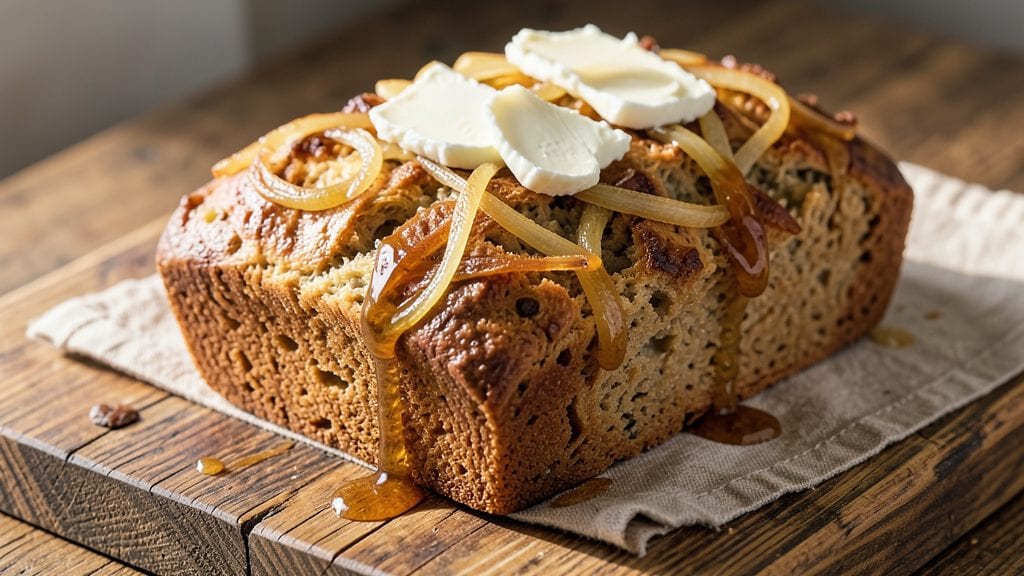
This onion rye bread recipe delivers the perfect balance of sweet, caramelized onions and hearty rye flavor in every bite—ideal for sandwiches, toast, or serving alongside soups. The secret lies in slow-cooking onions until deeply golden and folding them into a robust dough that develops a satisfying crust.
I perfected this version after years of experimenting with different rye blends and onion cooking methods, ensuring the final loaf stays moist yet crispy at the edges.
The dough requires just 15 minutes of hands-on mixing and 2 hours of proofing, making it manageable for home bakers. The caramelized onions add natural sweetness that complements the rye’s earthy depth, while a touch of honey in the dough enhances the flavor without overpowering it.
Baking at 375°F ensures a golden-brown crust with a tender crumb inside—no fancy equipment needed, just patience and precision.
By the time you pull this loaf from the oven, you’ll have a fragrant, crusty-edged bread with layers of savory caramelized onions throughout. Each slice offers a mix of textures—chewy rye, crispy crust, and pockets of tender, sweet onions—that make it impossible to eat just one.
The recipe scales easily, so you can bake a single loaf for two or double it for a crowd.
Serve warm with butter, pair with hearty stews, or use for open-faced sandwiches. This onion rye bread is the kind of homemade staple that elevates any meal from ordinary to extraordinary. Let’s get started on creating yours today.
Ingredients for onion rye bread
Four large onions and a mix of rye flour bring deep caramelized sweetness to every bite.
| Ingredient | Amount | Notes |
|---|---|---|
| Yellow Onions 🧅 | 4 large | Thinly sliced for caramelizing |
| Rye Flour 🌾 | 3 cups | Dark rye for authentic flavor |
| All-Purpose Flour 🌾 | 1 cup | For structure and lift |
| Active Dry Yeast 🍞 | 2 ¼ tsp | Fresh yeast preferred |
| Granulated Sugar 🍚 | 1 tbsp | Feeds yeast for rise |
| Unsalted Butter 🧈 | ½ cup | Cold, cubed for dough |
| Honey 🍯 | ¼ cup | Enhances caramelization |
| Large Eggs 🥚 | 1 whole | Room temperature preferred |
| Diamond Crystal Kosher Salt 🧂 | 1 ½ tsp | Fine grain preferred |
| Ground Black Pepper 🌶️ | ½ tsp | Freshly ground preferred |
| Extra-Virgin Olive Oil 🫒 | 2 tbsp | For dough and brushing |
| Water 💧 | 1 ¼ cups | Warm, 110°F ideal |
The onions are the heart of this bread—yellow onions work best for their balance of sweetness and bite. Trader Joe's or Whole Foods carry the perfect ones, but any supermarket will do if they're firm and free of sprouts. For the rye flour, King Arthur or Bob's Red Mill are my go-tos, but any dark rye blend will give you that authentic tang. The yeast needs to be fresh—if it's past its prime, your loaf won't rise properly. Store-bought yeast packets work fine in a pinch, but nothing beats the flavor of fresh yeast if you can find it. And trust me on the unsalted butter—full-fat makes all the difference for that rich, tender crumb.
No dark rye flour? Substitute half with whole wheat for a milder flavor, though it won’t be as robust. Running out of honey? Maple syrup works one-to-one, but it’ll add a distinct earthiness. The olive oil can be swapped for melted butter if you prefer, though it’ll change the flavor slightly. For the onions, if you burn them while caramelizing, just scrape off the black bits—they’re bitter. And if your yeast isn’t active, test it in warm water with sugar first. The dough should be sticky but not wet—if it’s too dry, add a splash of water; if too wet, toss in a bit more flour. Patience here is key—don’t rush the proofing.
This dough keeps beautifully in the fridge for up to 48 hours if you wrap it tightly in plastic. For longer storage, freeze the shaped loaf (unbaked) for up to 3 months)—just thaw overnight before baking. The caramelized onions can be prepped a day ahead and stored in the fridge, saving you time on baking day. Once baked, slice and store in an airtight container at room temperature for 3 days or freeze slices for up to 2 weeks. The crust stays crispy when toasted, so reheat slices in a 350°F oven for 5 minutes if they’ve gone soft.
Why You'll Love This Recipe
- Foolproof First Try: I swear by this dough—no kneading, no stress. Just mix the rye and all-purpose flours with warm water, a pinch of sugar to feed the yeast, and let it rise while I chop the onions. Honestly, the hardest part is waiting for the oven to preheat.
- Sweet-Savory Magic: That caramelized onion jam? It’s the star. The sugar in the dough cooks down with the onions until they’re sticky and rich, then baked into a loaf that’s got depth—earthy rye with a hint of sweetness. My husband steals slices straight from the pan.
- Weeknight Workhorse: This bread handles everything. Toast it for breakfast, tear it into sandwiches for lunch, or serve it warm with soup when I’m too tired to cook. It even freezes beautifully—just slice before freezing, and reheat straight from the bag.
- Pantry Staple: Between us, rye flour is cheap and lasts forever. I keep a bag on hand for this recipe, and the onions? They’re usually on sale. A single batch stretches for days, and I never regret making it—even when I burn the crust. (Yes, even on a Tuesday night.)
Step-by-step instructions for onion rye bread
Here's how to craft layers of caramelized onions into a rustic loaf with perfect texture.
Caramelize the Onions Slowly
In a large skillet, melt the 0.5 cup unsalted butter over medium-low heat until it foams. Add the 4 large yellow onions, sliced paper-thin, and stir to coat evenly. Cook for 45-50 minutes, stirring occasionally, until the onions turn deep amber and their edges begin to crisp slightly.
Here's the thing—don't rush this step. The onions should release their moisture and reduce to about ½ cup of jammy, sweet caramel. If they stick, add a splash of the 1.25 cups water to deglaze, but return to heat immediately. The aroma will fill your kitchen; that's your signal they're ready.
Once fully caramelized, remove from heat and stir in the 0.25 cup honey. Let cool completely before using in the dough—this prevents the yeast from activating prematurely.
Activate the Yeast and Mix the Dough
In a stand mixer fitted with the dough hook, combine the 3 cups rye flour, 1 cup all-purpose flour, 1.5 tsp diamond crystal kosher salt, and 0.5 tsp ground black pepper. Mix on low speed for 30 seconds to aerate the flours.
In a separate bowl, whisk together the 2.25 tsp active dry yeast, 1 tbsp granulated sugar, and 1.25 cups warm water (110°F). Let sit for 5-7 minutes until frothy—this confirms the yeast is active. If it doesn't bubble, your bread won't rise properly.
Add the yeast mixture, 1 whole large egg, and the cooled caramelized onions to the flour mixture. With the mixer on low, gradually add the 2 tbsp extra-virgin olive oil until the dough begins to come together. Increase speed to medium and knead for 8-10 minutes until the dough is smooth and elastic, pulling away from the sides of the bowl.
Shape and Proof the Dough
Lightly flour a clean surface and turn out the dough. Gently shape it into a rectangle, then fold the long sides inward to create three layers. Roll tightly into a log, sealing the seam, and transfer to a lightly oiled bowl. Cover with a damp towel and let rise in a warm place for 1.5-2 hours, or until doubled in size.
Real talk: Your kitchen should feel noticeably warmer. The dough should spring back slowly when poked—this indicates proper fermentation. If it rises too quickly, your yeast is overactive; if too slow, the room is too cold. Adjust accordingly for future batches.
Once proofed, shape the dough into a round loaf and place it in a greased pullman pan or loaf pan. Cover again and let rise for another 30-45 minutes until just puffy. Preheat your oven to 375°F while the dough proofs.
Bake to Golden Perfection
Bake the loaf for 40-45 minutes until the crust is deep golden brown and sounds hollow when tapped on the bottom. For extra shine, brush the top with a little extra-virgin olive oil after 20 minutes in the oven.
Here's where it gets fun—the crust should be crisp enough to shatter slightly, while the interior remains tender and moist. If the top browns too quickly, tent loosely with foil. The internal temperature should reach 190-195°F at the center.
Remove from the oven and let cool on a wire rack for at least 1 hour before slicing. This resting period allows the layers to set, preventing a gummy texture. The caramelized onions should be visible in every bite, with a perfect balance of sweetness and savory rye depth.
Pro Tips For Making Onion Rye Bread
- CARAMELIZE ONIONS LOW: Simmer those onions on the lowest heat setting you own—no rushing. I learned this the hard way after burning through three batches; 45 minutes at a gentle bubble is better than 20 minutes of charred frustration. The sweetness builds slowly, and you’ll taste the difference in every bite.
- WEIGHT YOUR RYE FLOUR: Rye flour packs differently than all-purpose—don’t eyeball it. Use a kitchen scale for accuracy, especially if your recipe calls for a 50/50 blend. I was skeptical until I tried it: my bread finally had the right dense-chewy balance instead of tasting like a brick.
- SKIP THE YEAST IF COLD: If your kitchen’s below 65°F (18°C), activate the yeast in warm water with a pinch of sugar first—then wait 5–10 minutes for it to foam before mixing. Cold rooms kill yeast faster than you’d think, and sluggish dough is a nightmare to shape.
- STEAM THE LOAF: Toss a handful of ice cubes into your Dutch oven before baking—yes, even if the recipe doesn’t say so. The steam guarantees a crisp crust without burning the outside before the inside is done. I skip this when I’m lazy, and the bread always turns out flat and sad.
Essential equipment for onion rye bread
Stand Mixer Essentials
Your stand mixer is the workhorse of this recipe—I swear by my KitchenAid Artisan Series with the dough hook attachment. The dough hook’s spiral design ensures even kneading without overworking the gluten, which is crucial for rye bread’s tender crumb.
If you don’t have a stand mixer, use a wooden spoon or your hands for 10-12 minutes of vigorous kneading on a floured surface. The key is consistency—your dough should feel smooth and slightly tacky, not sticky or dry. 💪
Caramelizing Pan
A 12-inch heavy-bottomed skillet (like All-Clad or Le Creuset) is ideal for caramelizing the onions because it distributes heat evenly and prevents burning. If you only have a thin nonstick pan, reduce heat to medium-low and stir more frequently.
Avoid aluminum pans—they conduct heat too quickly and can scorch the onions. For extra insurance, I place a wire rack on top of a baking sheet under the pan to catch any drips while cooking.
Proofing Tools
Proofing requires a warm, draft-free environment—I use a proofing box (like the Ooni Proofing Box) set to 80°F for consistent results. No proofing box?
Place your dough bowl inside a turned-off oven with the light on (it stays warm) or nest it in a cooler with warm water bottles on the sides. A damp kitchen towel keeps the dough from drying out during the 1.5-2 hour rise.
Never skip proofing—this step develops the bread’s flavor and texture.
Baking Pans
For a classic pullman loaf, use a 9x5-inch pullman pan (like Wilton’s) to create that iconic rectangular shape. If you prefer a round loaf, a 9-inch cast-iron skillet or ceramic bread bowl works beautifully.
Grease pans thoroughly with butter or olive oil to prevent sticking—rye dough is dense and can cling. For extra crustiness, I dust the top with semolina or cornmeal before baking. A digital meat thermometer ensures the internal temp hits 190-195°F—no more guessing!
Cooling Rack
A wire cooling rack (like OXO’s) is non-negotiable—it allows air to circulate underneath the loaf, preventing sogginess. I place mine directly on the countertop for at least 1 hour before slicing.
Pro tip: If you’re short on racks, invert a baking sheet or use a clean wire mesh strainer in a pinch. Never place bread on a plate or cutting board immediately after baking; the steam will soften the crust and make it gummy. ✨
Optional Extras
For a crispier crust, invest in a baking stone or steel (like Lodge’s) to preheat your oven. Place the stone on the lower rack 30 minutes before baking for a professional oven spring. A pastry brush (like Westbloc’s) makes brushing olive oil on the crust effortless.
And if you love texture, sprinkle everything bagel seasoning on top before baking for a savory crunch. These extras aren’t essential, but they elevate the final result to restaurant-quality. 🌟
Nutrition facts
Frequently asked questions
Why do the onions need to caramelize for so long?
The 45-50 minute caramelization transforms the onions into sweet, jammy layers that balance the rye's earthy flavor. Shortcut? Use store-bought caramelized onions, but they lack the depth of homemade. The slow cook time develops natural sugars for that perfect sweet-savory contrast in every bite.
Can I make this bread without a stand mixer?
Knead by hand on a floured surface for 10-12 minutes until smooth and elastic. The dough should feel slightly tacky but not sticky. For best results, use a dough scraper to fold and turn the dough—it prevents overworking and makes cleanup easier.
How do I store leftover onion rye bread?
Wrap cooled slices in plastic wrap or store in an airtight container at room temperature for 3 days. For longer storage, freeze slices for up to 2 weeks. To revive, toast in a 350°F oven for 5 minutes—the crust will crisp up beautifully.
What if my dough doesn't rise properly?
Check your yeast first—it should bubble within 5-7 minutes in warm water. If not, your yeast is dead. Keep your kitchen warm (use a turned-off oven with the light on) and avoid drafts. For extra insurance, add 1 tsp sugar to the dough to feed the yeast during proofing.
Can I add other ingredients like cheese or herbs?
Yes! Try folding in ½ cup crumbled feta or 1 tbsp fresh dill with the caramelized onions. For a smoky twist, add 1 tsp smoked paprika to the flour mixture. Just reduce the water slightly if adding extra moisture-heavy ingredients.