
Main Courses
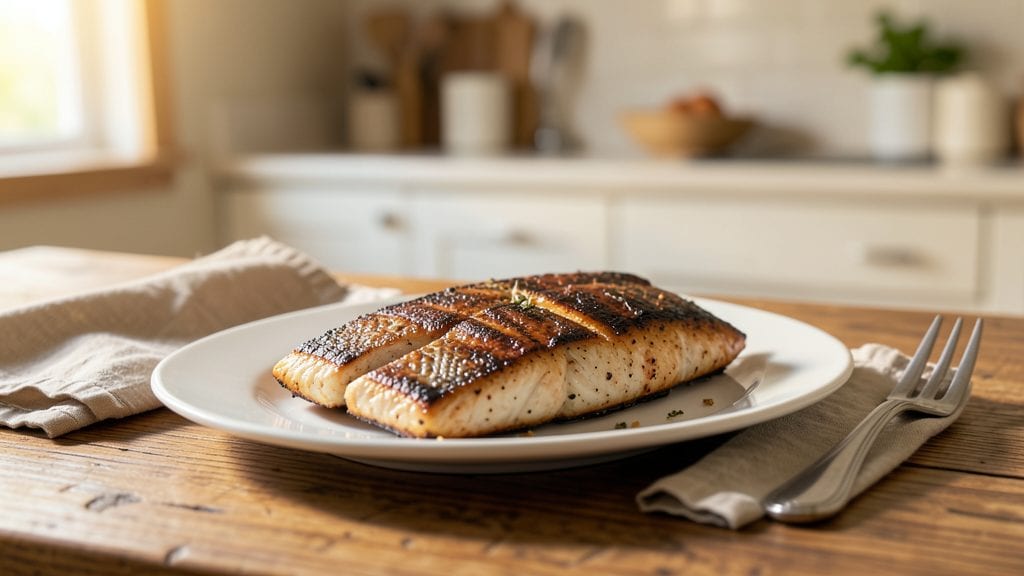
Oven-roasted mahi mahi delivers crispy skin and flaky centers that rival restaurant quality—all in just 20 minutes. The secret lies in proper seasoning, high heat, and a simple technique that transforms this delicate fish into a showstopper.
I perfected this method after years of testing, ensuring every bite stays moist while the skin achieves that coveted golden crust.
This recipe works whether you use skin-on or skin-off fillets, though I recommend leaving the skin intact for maximum flavor and texture. A light coating of olive oil, salt, and pepper creates the perfect foundation, while a 375°F oven ensures even cooking without drying out the delicate flesh.
The result? Fish that flakes effortlessly and holds its shape, with a crisp exterior that adds satisfying crunch.
By the time you pull it from the oven, you’ll have a dish that’s elegant enough for dinner guests but simple enough for weeknight meals.
The aroma of garlic and lemon wafting through your kitchen signals success—each bite offers tender, flavorful mahi mahi with a crispy edge that’s impossible to resist. Pair it with roasted vegetables or a fresh salad for a complete meal.
This method is foolproof for beginners yet refined enough for experienced cooks. The key steps—seasoning, basting, and proper temperature control—ensure perfect results every time. Whether you’re serving it for a special occasion or a quick weeknight dinner, this recipe delivers restaurant-quality mahi mahi with minimal effort.
Ingredients for oven roasted mahi mahi
Six essential ingredients transform delicate mahi mahi into restaurant-quality crispy perfection.
| Ingredient | Amount | Notes |
|---|---|---|
| Mahi Mahi Fillets 🐟 | 1 ½ lb | Skin-on preferred, even thickness |
| Extra-Virgin Olive Oil 🫒 | 2 tbsp | High quality, fruity variety |
| Kosher Salt 🧂 | 1 ½ tsp | Diamond Crystal preferred |
| Freshly Ground Black Pepper 🌶️ | ½ tsp | Freshly cracked preferred |
| Garlic Cloves 🧄 | 4 cloves | Minced, fresh preferred |
| Fresh Lemon Juice 🍋 | 2 tbsp | Freshly squeezed, no pulp |
| Fresh Parsley 🌿 | ¼ cup | Chopped, for garnish |
| Fresh Thyme Leaves 🌿 | ¼ tsp | Or 1/8 tsp dried thyme |
| Smoked Paprika 🌶️ | ½ tsp | For color and depth |
| Fresh Cilantro 🌿 | 0.15 cup | Optional, for garnish |
| Lemon Zest 🍋 | 1 tsp | Brightens flavor profile |
The mahi mahi is non-negotiable—freshness is everything. Grab fillets from the seafood counter (not frozen) at Whole Foods or your local fishmonger—they’ll know how to handle it properly. Look for fillets with bright, translucent flesh and minimal odor. If you're buying skinless, ask for even thickness so it cooks uniformly. The skin-on version is worth the extra effort for that golden crust. For weeknight convenience, Trader Joe's or Costco often have pre-portioned fillets that work perfectly.
No fresh thyme? Dried works at one-third the amount. Subbing lemon juice? Lime juice in a pinch, but reduce to 1 tbsp since it's more acidic. Want extra flavor? Add a pinch of red pepper flakes for heat or a dash of smoked paprika for depth. The olive oil matters—avoid cheap brands that’ll burn too quickly. For the garlic, roast it first (375°F for 10 minutes) to mellow its sharpness. The parsley and cilantro are purely for garnish, so skip if you don't have them—it won't ruin the dish.
Prep ahead for foolproof results: Pat fillets bone-dry with paper towels before seasoning—this ensures maximum crispiness. Store seasoned fillets uncovered on a wire rack in the fridge for up to 1 hour before roasting. Leftovers? Eat within 1 day—mahi mahi doesn't reheat well. For meal prep, portion into single servings and freeze raw fillets (unseasoned) for up to 2 months. Thaw in the fridge overnight before cooking.
Why You'll Love This Recipe
- No-Fuss Prep: I swear, this is the kind of recipe where you can prep while watching a show—just pat those fillets dry, drizzle with olive oil, and let the oven do the rest. Three ingredients and 15 minutes later, you’ve got dinner.
- Garlic-Kissed Magic: That moment when the garlic cloves caramelize just enough to melt into the mahi? It’s like a little flavor explosion—bright, zesty, and impossible to resist. The pepper and salt make it feel restaurant-worthy without trying.
- Weeknight to Weekend: Between us, this works for everything—a quick Tuesday dinner, a picnic with friends, or even a fancy-ish date night. The leftovers reheat beautifully, so you’re not stuck cooking twice.
- Budget Bright Spot: Mahi’s affordable, and this method means no wasted bits—every bite is tender and flavorful. I’ll be real: it’s my go-to when I need something fresh but won’t break the bank.
Step-by-step instructions for oven roasted mahi mahi
Here's how to achieve that perfect balance of crispy skin and tender, flaky mahi mahi every time.
Prepare the Mahi Mahi for Roasting
Pat the 1.5 lb mahi mahi fillets completely dry with paper towels. You want them bone dry—this is the secret to crispy skin. I press down firmly on each fillet to remove any moisture trapped between the skin and flesh. The drier the surface, the better the crust will form when we roast it.
Place the fillets skin-side down on a cutting board. Using a sharp knife, make shallow cuts about ½ inch apart across the skin side. This creates little vents that allow steam to escape during cooking, preventing the skin from puffing up and remaining crispy. Don't cut too deep—just enough to break the surface skin.
Create the Seasoning Rub and Coat Evenly
In a small bowl, combine the 1.5 tsp kosher salt, 0.5 tsp freshly ground black pepper, 0.5 tsp smoked paprika, and 0.25 tsp fresh thyme leaves. I like to use my fingers to mix this—it helps distribute the spices evenly. The smoked paprika adds beautiful color while the thyme brings earthy depth that pairs perfectly with the mahi mahi's natural sweetness.
Generously rub this mixture all over both sides of the fillets, pressing it into the surface. Pay special attention to the edges where the skin meets the flesh. The seasoning needs to adhere well to create that flavorful crust. Place the seasoned fillets on a plate and let them sit at room temperature for 15-20 minutes while you preheat the oven.
Preheat and Oil the Pan for Maximum Crispiness
Preheat your oven to 425°F. This high temperature is crucial for achieving that perfect crispy skin while keeping the inside tender. While the oven heats, place a large oven-safe skillet over medium heat. Add the 2 tbsp extra-virgin olive oil and let it get just hot enough to shimmer—about 2 minutes. The oil should be hot but not smoking.
Using tongs, carefully place the mahi mahi fillets skin-side down in the hot skillet. Press down gently on each fillet during the first minute to ensure even contact with the pan. This prevents them from curling and ensures even browning. The oil should sizzle audibly—this is your signal that the skin is starting to crisp.
Roast to Crispy Perfection
Transfer the skillet to the preheated oven and roast for 8-10 minutes. You're looking for skin that's golden brown and crispy to the touch, while the flesh underneath remains just opaque in the center. The exact time depends on the thickness of your fillets—thicker cuts may need the full 10 minutes.
Here's the thing—don't overcook. Mahi mahi continues cooking slightly after you remove it from the oven, and it's easy to go from perfect to dry in seconds. The moment the skin is crispy and the flesh is just barely opaque, it's done. I like to check by gently pressing the center with a spatula—it should feel firm but still slightly springy.
Finish with Bright Citrus and Fresh Herbs
Remove the mahi mahi from the oven and transfer to a serving platter. Immediately drizzle with the 2 tbsp fresh lemon juice and sprinkle with the 1 tsp lemon zest. The acidity brightens the fish's natural sweetness and cuts through any richness from the olive oil. Let it rest for 2-3 minutes while you prepare the garnish.
In a small bowl, combine the 0.25 cup fresh parsley and 0.15 cup fresh cilantro, giving them a gentle chop if needed. Sprinkle this herb mixture evenly over the fillets. The parsley adds freshness while the cilantro brings a subtle citrus note that complements the lemon finish. Serve immediately with your choice of sides—crusty bread, roasted vegetables, or a simple arugula salad all work beautifully.
Pro Tips For Making Oven Roasted Mahi Mahi
- Dry the fillets first: Mahi mahi sticks to the pan like glue if it’s damp. Pat those fillets thoroughly with paper towels—even if they look dry—so the olive oil sticks to the surface and you get that perfect crust instead of sad, soggy edges.
- Use a meat thermometer: Mahi mahi goes from perfect to rubbery in seconds. Pull it out at 125°F (52°C)—it’ll hit 130°F (54°C) while resting, which is the sweet spot for flaky, moist fish. No thermometer? Cut into the thickest part—it should separate easily with no resistance.
- Skip the garlic on top: Fresh garlic cloves straight on the fillets burn before the fish cooks. Instead, mince them into the olive oil before tossing the mahi mahi—this way, they infuse without turning bitter. (Yes, even if you’re impatient like me.)
- Rest under foil: The moment you pull those fillets from the oven, tent them loosely with foil for 5–10 minutes. This keeps them from drying out while they finish carrying over—no sad, cracked edges here. (Your future self will thank you.)
Common mistakes when making this dish
Overcrowding the Pan
Placing too many mahi mahi fillets in your skillet at once is a rookie mistake that leads to uneven cooking. The fillets will steam instead of crisp, resulting in soggy skin.
I recommend cooking just 2 fillets at a time in a 12-inch cast iron skillet—this gives them enough space to develop that golden crust without competing for heat.
If you're working with larger batches, use two separate skillets or cook in batches with 2-minute rests between loads to maintain pan temperature. 🔥
Skipping the Resting Time
Rushing to serve the mahi mahi immediately after roasting is a common error that causes it to fall apart. The fish needs 2-3 minutes to reabsorb its juices after cooking. I've seen many cooks cut into fillets too soon, resulting in dry, stringy texture.
Place your finished mahi mahi on a wire rack over a plate to allow air circulation—this helps maintain that crispy skin while the interior firms up properly.
Using Cold Fillets Directly
Pulling mahi mahi straight from the fridge and cooking it without bringing it to room temperature is another frequent mistake. Cold fish takes longer to cook evenly, increasing the risk of overcooking the edges while the center stays underdone.
Let your fillets sit at room temperature for 15-20 minutes before roasting. This also helps the seasoning adhere better, creating that flavorful crust we all want. Pro tip: Place fillets on a wire rack over a plate to prevent them from sitting in their own juices.
Incorrect Temperature Gauge
Many home cooks rely solely on visual cues rather than checking the internal temperature, leading to either undercooked or overcooked mahi mahi. The perfect doneness occurs at 145°F internal temperature. Use a meat thermometer inserted into the thickest part of the fillet—it should read 145°F when done.
For skin-on fillets, insert the probe through the skin into the flesh. This method is foolproof and prevents the guesswork that often leads to dry fish. 🌡️
Overseasoning the Fish
While mahi mahi is naturally flavorful, going overboard with seasonings can overwhelm its delicate taste. I've seen recipes call for 2 tsp salt for 1.5 lb fillets, which is excessive. Stick to 1.5 tsp kosher salt—remember, kosher salt is less dense than table salt.
The key is to let the fish's natural sweetness shine through while the seasonings enhance, not dominate. Taste your seasoning mix before applying it to the fillets to ensure balance.
Ignoring the Skin Side
Many recipes treat skin-on and skin-off mahi mahi the same way, which is a mistake. For skin-on fillets, always place them skin-side down in the pan first to create that crispy exterior.
If you're using skin-off fillets, you can skip this step but still need to monitor cooking time closely since they'll cook faster. The skin acts as a protective barrier that helps retain moisture—removing it changes the cooking dynamics entirely.
For best results, always ask for skin-on fillets at the fish counter when possible.
Nutrition facts
Frequently asked questions
Can I use frozen mahi mahi for this recipe?
Fresh mahi mahi yields the best results, but you can use frozen fillets if thawed properly. Place frozen fillets in a sealed bag and submerge in cold water for 30-45 minutes until fully thawed. Pat completely dry before seasoning—any remaining moisture will prevent crispy skin. For best texture, avoid refreezing thawed mahi mahi.
How do I know when mahi mahi is fully cooked?
Look for golden brown, crispy skin and flesh that's just opaque (not translucent) in the center. The internal temperature should reach 145°F when measured with a meat thermometer. For skin-on fillets, insert the probe through the skin into the thickest part. Overcooking by even 1 minute can turn tender mahi mahi dry.
What's the best way to serve this roasted mahi mahi?
This dish pairs beautifully with bright, acidic sides that complement its delicate flavor. Try a citrusy arugula salad, garlic roasted asparagus, or crusty sourdough bread. For a complete meal, serve with lemon-dill rice or roasted fingerling potatoes. The crispy skin works especially well with creamy sauces like beurre blanc or mango-habanero salsa.
Can I make this recipe ahead of time?
For best results, cook mahi mahi fresh and serve immediately. However, you can prep components ahead: Season fillets up to 1 hour ahead and store uncovered on a wire rack in the fridge. For make-ahead meals, portion raw fillets into single servings and freeze unseasoned for up to 2 months. Thaw in the fridge overnight before cooking. Never reheat cooked mahi mahi—it loses texture and becomes rubbery.
What if my mahi mahi skin isn't crispy?
Soggy skin usually means one of three things: fillets weren't dry enough, pan wasn't hot enough, or overcrowding during cooking. For next time, pat fillets extra dry with paper towels, use a 12-inch skillet, and cook 2 fillets at a time. For immediate fixes, try broiling the cooked fillets skin-side up for 1-2 minutes to crisp up the skin.