
Snacks
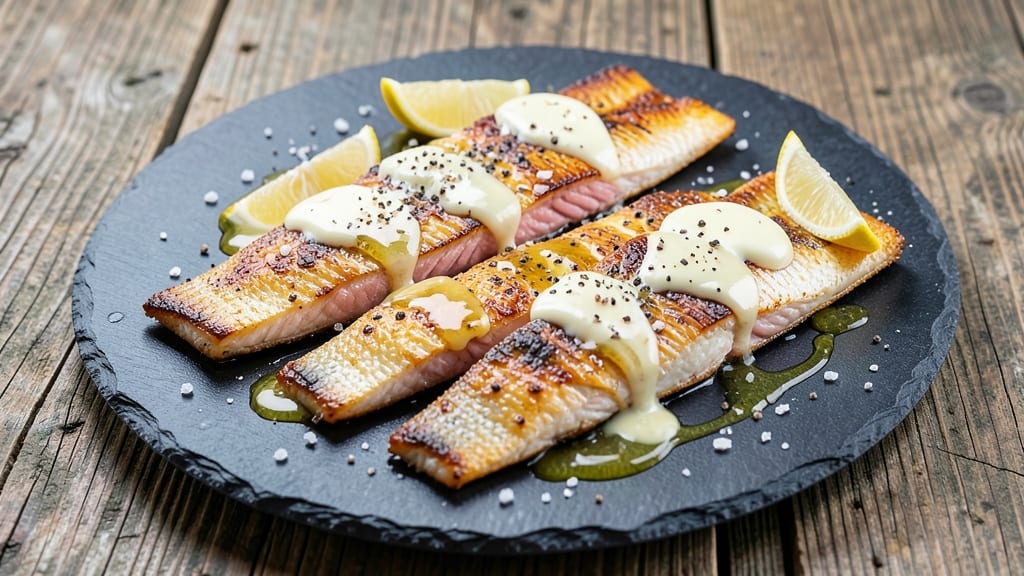
This oven roasted trout recipe delivers perfect, golden skin and flaky pink flesh that melts at the touch of your fork.
After years of experimenting with seafood roasting techniques, I've perfected a method that ensures crispy skin without overcooking the delicate fillets—just like your favorite restaurant dish, but with a foolproof home approach.
The secret lies in proper preheating, precise seasoning, and a 15-minute bake that transforms simple ingredients into restaurant-quality results.
What sets this recipe apart is the balance between simplicity and professional technique. You'll need just 6 ingredients—including fresh lemon and butter—to create trout that's tender inside with a crisp, buttery exterior.
The lemon not only brightens the flavor but also helps prevent the skin from sticking, while the butter creates that coveted golden crust. This method works equally well with whole trout or fillets, making it adaptable to any meal plan.
By the time your trout emerges from the oven, you'll have a dish that's flaky enough to fall apart with gentle forks but holds together beautifully on a plate. The aroma of roasting fish fills your kitchen, promising a meal that's elegant yet effortless.
Serve it with a simple salad or roasted vegetables to complete the plate—this is seafood dining at its finest, without the fuss.
Whether you're cooking for a special occasion or treating yourself to a weeknight upgrade, this recipe delivers perfect results every time. The technique is simple enough for beginners but refined enough to impress seasoned home cooks.
Let's get started on creating trout that tastes like it came from a coastal bistro, right in your own kitchen.
Ingredients for oven roasted trout
Six ingredients transform simple trout into restaurant-style perfection with crispy skin and melt-in-your-mouth flakiness.
| Ingredient | Amount | Notes |
|---|---|---|
| Fresh Rainbow Trout Fillets 🐟 | 4 whole | Skin-on, 5-6 oz each, center-cut |
| Unsalted European-Style Butter 🧈 | ½ cup | Cold, cut into 8 thin slices |
| Fresh Lemon 🍋 | 1 whole | Zest and juice, organic preferred |
| Diamond Crystal Kosher Salt 🧂 | 1 tsp | Fine grain, freshly ground |
| Freshly Ground Black Pepper 🌶️ | ½ tsp | Coarse grind for texture |
| Extra-Virgin Olive Oil 🫒 | 1 tbsp | Light, fruity variety |
The trout makes all the difference—look for rainbow trout with vibrant pink flesh and firm texture. Whole Foods or local fish markets usually carry the best, but any seafood counter with fresh daily deliveries works. If buying fillets, choose center-cut pieces—they hold their shape better. The butter isn't just flavor—it's what creates that golden crust. European-style butter has higher fat content, which is perfect here. I always buy it in 1-pound blocks from Costco or Trader Joe's—it keeps for months in the fridge. The lemon should be bright yellow with no soft spots, and the zest is where the magic happens—don't skip it!
No European butter? Any unsalted butter works—just make sure it's cold when you slice it. Short on time? Olive oil butter substitute—mix 0.25 cup softened butter with 1 tbsp olive oil and pinch of salt. The lemon zest can be dried and stored, but fresh is always better. If you only have bottled lemon juice, add a pinch of sugar to mimic fresh flavor. For extra crispiness, sprinkle the fillets with panko breadcrumbs before baking. And if your trout smells fishy, it's past its prime—trust your nose!
Prep ahead to save time: zest the lemon and store in the freezer for up to 3 months. The butter slices can be cut and kept in an airtight container for 1 week. Once baked, trout stays fresh for 2 days in the fridge—reheat gently in a warm oven or microwave with a damp paper towel. The skin gets soggy if reheated wrong, so keep it covered loosely. This dish reheats beautifully, making it perfect for meal prep—just don't overcook it the second time!
Why You'll Love This Recipe
- One-Pan Magic: I swear by this trick—just toss the trout fillets on a sheet pan, dot them with cold butter, and let the oven do the work. No messy pans, no last-minute stress, and honestly? The best part is how little cleanup there is afterward.
- Butter-Lemon Bliss: That European-style butter melting into flaky trout while the lemon zest sizzles on top? It’s the kind of flavor combo that makes you pause mid-bite. The salt and pepper keep it bright, but the richness of the butter ties it all together—simple, but never boring.
- Weeknight to Dinner Party: I’ve served this to my book club and my exhausted self on a Tuesday night. The same method works every time: crispy edges, tender inside, and zero fuss. Add a side of roasted veggies or crusty bread, and suddenly you’ve got a menu that feels special without the effort.
- Leftovers That Don’t Suck: Most fish recipes leave you with sad, dry scraps—but not this one. The butter keeps the trout moist, so I can reheat slices for salads or wraps the next day. And between us? It’s way cheaper than takeout when you’re craving something fresh but don’t want to slave over it.
Step-by-step instructions for oven roasted trout
Here's the method that guarantees crispy skin and melt-in-your-mouth flakiness every time.
Prepare the Trout with Precision
Pat each of the 4 whole fresh rainbow trout fillets completely dry with paper towels—this is non-negotiable for crispy skin. I like to press firmly, especially along the skin side, to remove any moisture that would prevent browning. Lay them skin-side up on a wire rack set over a baking sheet.
Use your fingers to gently loosen any tight spots in the skin, creating small pleats. This allows the butter to pool underneath and create that signature crispy lattice pattern. Place the baking sheet in the refrigerator while you prepare the butter mixture—this keeps the trout cold until ready to roast.
Create the Signature Buttery Lemon Crust
In a small bowl, combine the 0.5 cup unsalted European-style butter (cut into 8 thin slices), 1 tsp diamond crystal kosher salt, and 0.5 tsp freshly ground black pepper. The butter should be cold but not rock-hard—it should yield slightly when pressed. Rub this mixture all over the trout, pressing firmly between the skin and flesh to create pockets of butter.
Zest the whole fresh lemon and sprinkle the zest evenly over the trout. The citrus oils will infuse into the skin as it roasts, adding bright aromatic notes that complement the richness of the butter. Let the trout sit at room temperature for 10 minutes while you preheat the oven—this brief resting period helps the seasoning adhere better.
Roast to Perfect Doneness
Preheat your oven to 425°F with the rack positioned in the upper third of the oven. This high heat is crucial for achieving crispy skin while keeping the delicate flesh moist. Once preheated, transfer the trout to the oven and roast for 12-15 minutes, depending on thickness.
You'll know it's done when the skin turns a beautiful golden brown and the flesh flakes easily with a fork. The trout should reach an internal temperature of 145°F at its thickest point. If you're serving immediately, remove the trout from the oven when the skin is just starting to crisp—it will continue cooking slightly on the hot pan.
Finish with Olive Oil and Lemon
While the trout rests, heat 1 tbsp extra-virgin olive oil in a small skillet over medium heat. Add the juice from the whole fresh lemon and simmer for 1 minute to concentrate the flavors. The oil should be warm but not smoking—just enough to carry the citrus aroma.
Drizzle this lemon-infused oil over each trout fillet just before serving. The acidity cuts through the richness of the butter, balancing the dish perfectly. For maximum flakiness, serve immediately with the crispy skin intact—this is where all the magic happens. The trout should be tender enough to pull apart with a gentle tug, revealing that signature pink perfection throughout.
Pro Tips For Making Oven Roasted Trout
- Dry It Like Your Life Depends On It: I learned this the hard way—wet trout fillets steam instead of brown. Pat them thoroughly with paper towels, even if they look dry. The butter won’t stick properly otherwise, and you’ll miss that perfect crust.
- Use 425°F, Not Whatever You Guess: After burning three batches at 450°F, I finally dialed it back to 425°F. That’s the sweet spot—hot enough for a crispy skin in 12-15 minutes, but not so aggressive it turns the flesh rubbery. Preheat your oven longer than you think.
- Salt the Butter First: Skip the pre-salting step on the fish—just mix the kosher salt directly into the softened butter before spreading it on the trout. The butter will melt faster and create a richer, more cohesive crust that clings like it’s supposed to.
- Rest Under Foil for 5 Minutes: Your future self will thank you if you tent the trout with foil right after pulling it from the oven. The residual heat finishes cooking the center while keeping the skin from cracking, and the flesh stays moist instead of drying out the second you cut into it.
Regional styles of these flavors
Pacific Northwest Style
The Pacific Northwest takes trout roasting to heart with its focus on local, sustainable seafood and bold, earthy flavors. Here, I recommend swapping the lemon for fresh cedar planks—soak them in water for 1 hour first, then roast the trout on the planks at 375°F for 12 minutes.
The cedar imparts a smoky, resinous aroma that pairs beautifully with the fish's natural oils. Serve with a side of wild mushroom risotto or foraged greens to highlight regional ingredients. 🌲
Mediterranean Coastal
In coastal regions like Greece or Italy, trout is often roasted with garlic, oregano, and olive oil for a bright, herbaceous profile. After patting the trout dry, rub it with 2 minced garlic cloves, 1 tsp dried oregano, and 1 tbsp olive oil.
Roast at 400°F for 12-14 minutes until the skin is golden. Finish with a squeeze of fresh lemon and a sprinkle of crumbled feta cheese for a tangy, salty contrast. Pair with roasted cherry tomatoes and warm crusty bread.
French Bistro Technique
French bistros elevate trout with a beurre blanc sauce—a rich, emulsified butter-lemon sauce. After roasting the trout as directed, whisk 2 tbsp butter, 1 tbsp lemon juice, and 1 tsp shallots (finely minced) in a saucepan over low heat.
Drizzle this sauce over the trout just before serving. Garnish with chopped parsley and a pinch of cayenne pepper for a touch of heat. Serve with sautéed green beans and roasted fingerling potatoes.
Southern U.S. Twist
For a Southern-inspired version, add a spicy Cajun kick by mixing ½ tsp smoked paprika, ¼ tsp cayenne pepper, and ½ tsp garlic powder into the butter mixture. Roast the trout at 425°F for 12-14 minutes until the skin is crispy.
Serve with a side of cornbread and a cool, creamy coleslaw to balance the heat. This version is a crowd-pleaser at family gatherings or BBQs. 🌶️
Japanese Inspired
In Japan, trout is often prepared with a miso-glazed crust for umami depth. Mix 1 tbsp white miso paste, 1 tsp mirin, and ½ tsp grated ginger into the butter before applying it to the trout.
Roast at 400°F for 10-12 minutes until the skin is golden and crispy. Garnish with sesame seeds and serve with steamed jasmine rice and quick-pickled cucumbers. The miso adds a savory depth that complements the trout's natural sweetness.
Scandinavian Wood-Fired
Scandinavian cooks often roast trout over wood fires, but you can mimic this at home with a wood-fired touch. After seasoning the trout, place it on a baking sheet lined with wood chips (like apple or cherry) and roast at 375°F for 12-15 minutes.
The smoke infuses the fish with a subtle, aromatic quality. Serve with lingonberry jam and mashed potatoes for a hearty, comforting meal. This method is perfect for winter dinners. 🔥
Nutrition facts
Frequently asked questions about oven-roasted trout
Can I use frozen trout for this recipe?
Fresh trout is ideal, but you can use frozen if thawed properly. Place the trout in the refrigerator for 24 hours to thaw completely, then pat it completely dry before seasoning. Never thaw at room temperature—this can cause uneven cooking and bacteria growth. The texture may be slightly less tender than fresh, but the flavor will still be excellent.
Why does my trout skin sometimes stick to the pan?
Sticky skin usually means moisture wasn't removed properly. Always pat the trout thoroughly dry with paper towels before seasoning—even the slightest dampness prevents crispiness. Another tip: Use a wire rack over your baking sheet to allow air circulation underneath. If using a baking sheet, ensure it's well-oiled or lined with parchment paper.
What's the best way to reheat leftover roasted trout?
Reheat gently to avoid drying out the flesh. Place trout on a baking sheet and warm in a 300°F oven for 8-10 minutes with a splash of water or lemon juice. Microwave reheating works too—cover with a damp paper towel for 20-30 seconds on medium power. Never reheat at high heat, as this makes the skin rubbery.
Can I substitute butter with another fat?
For a lighter option, use olive oil butter substitute—mix 0.25 cup softened butter with 1 tbsp olive oil and a pinch of salt. For a dairy-free version, try coconut oil (melted) or avocado oil, but the flavor won't be identical. The butter creates that signature crispy crust, so if you're avoiding dairy, expect slightly less texture contrast.
How do I know when trout is fully cooked?
Trout is done when it reaches an internal temperature of 145°F at its thickest point and the flesh flakes easily with a fork. The skin should be golden brown and crispy. Overcooking for even 1-2 extra minutes can turn the flesh dry, so use a meat thermometer for precision. The 12-15 minute bake time is a guideline—watch for these visual cues instead.