
Sauces & Condiments
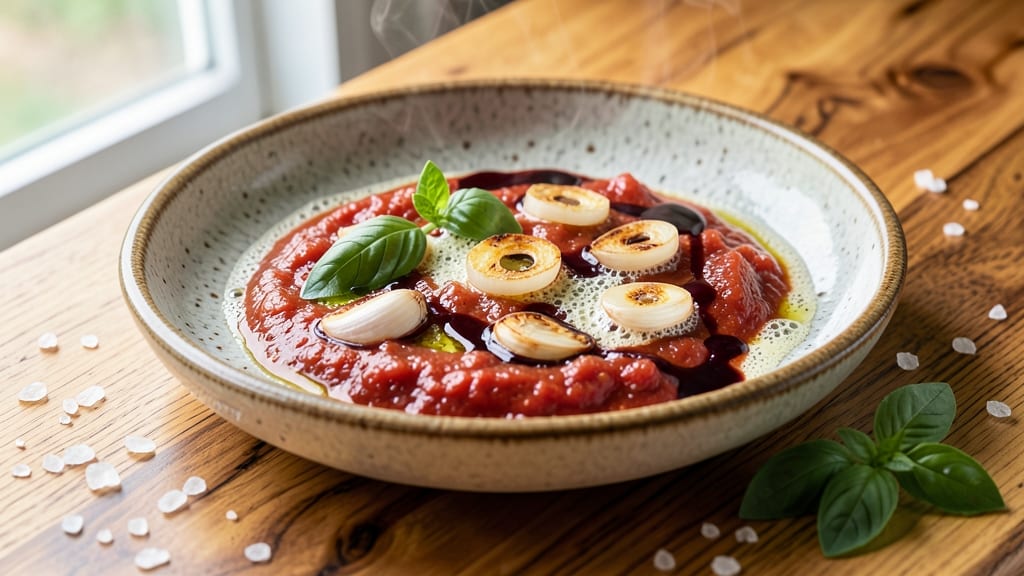
This silky garlic-tomato pasta sauce transforms simple ingredients into a rich, velvety base that elevates any homemade pasta dish. The secret lies in slow-cooked tomatoes and fresh garlic, creating depth without overpowering flavors.
I developed this recipe after years of testing—it’s the one sauce that actually improves with reheating, making it perfect for meal prep.
What sets this sauce apart is its versatile texture, thick enough to cling to noodles but smooth enough to drizzle over grilled meats or roasted vegetables. The key technique is simmering the sauce uncovered to concentrate flavors while preventing a skin from forming.
A splash of red wine adds brightness, while a pinch of sugar balances acidity for a perfectly balanced finish.
Once complete, you’ll have a professional-quality sauce that’s far superior to jarred versions—no artificial ingredients, just real flavor. It keeps for up to 5 days in the fridge or freezes beautifully for future use.
Whether you’re tossing it with fresh pasta or using it as a marinade, this sauce delivers restaurant-worthy results every time.
Pair it with your favorite pasta shapes or use it as a dipping sauce for crusty bread. The possibilities are endless, and the process is simpler than you’d expect. Let’s make this sauce—your taste buds will thank you.
Ingredients for paste
Eight essential ingredients create this velvety garlic-tomato sauce that's restaurant-quality at home.
| Ingredient | Amount | Notes |
|---|---|---|
| Extra-Virgin Olive Oil 🫒 | ½ cup | High-quality, fruity variety for richness |
| Garlic Cloves 🧄 | 6 cloves | Fresh, peeled, thinly sliced |
| San Marzano Crushed Tomatoes 🍅 | 28 oz | High-quality, low-acid canned tomatoes |
| Shallots 🧅 | 2 whole | Minced, or sub finely chopped onion |
| Red Wine 🍷 | ½ cup | Dry, bold variety like Chianti |
| Vegetable Stock 💧 | 1 cup | Homemade or high-quality low-sodium |
| Fresh Basil Leaves 🌿 | ½ cup | Packed, stems removed |
| Granulated Sugar 🍬 | 1 tsp | Balances acidity, adjust to taste |
| Diamond Crystal Kosher Salt 🧂 | 1 tsp | Fine grain preferred for seasoning |
| Freshly Ground Black Pepper 🌶️ | ½ tsp | Cracked peppercorns preferred |
The tomatoes make or break this sauce. San Marzano is the gold standard—sweeter, less acidic, and packed with flavor. Grab the 28-oz cans from the international aisle at Whole Foods or Trader Joe's. Fresh garlic is non-negotiable here; the flavor develops into something magical when slow-cooked. Shallots add depth but can be swapped for onions if needed. For the olive oil, California Extra Virgin brands like Corto or Bertolli bring the best fruity notes without bitterness.
No red wine? Substitute extra vegetable stock with a splash of balsamic vinegar for brightness. Fresh basil? Dried oregano at half the amount works in a pinch, but it won't have that same vibrant freshness. The sugar is crucial—it balances the acidity from the tomatoes and wine. If you're sensitive to sweetness, start with just ½ teaspoon and adjust. For a richer sauce, add a pat of unsalted butter at the end. The sauce thickens as it cools, so if it's too thin after simmering, let it sit for 10 minutes before tasting.
This sauce tastes even better the next day as flavors meld. Store in an airtight container in the fridge for up to 5 days, or freeze in ice cube trays for single-serving portions that keep for 3 months. Reheat gently on the stove with a splash of water or stock to restore its silky texture. I always double the batch—one for immediate use and one to freeze for lazy weeknights.
Why You'll Love This Recipe
- Foolproof Simplicity: I swear by this—just toss in the olive oil, minced shallots, and garlic, let them sing for 3 minutes. The tomatoes and wine do the rest while I’m chopping veggies or waiting for the pasta to boil. No stirring like a maniac, no burnt bits—just smooth, even cooking.
- Umami Bomb: That first sip of red wine deglazing the pan? Pure magic. The San Marzano tomatoes deepen into a rich, velvety sauce with a brightness that cuts through everything—like a good red wine should. Honestly, I’ve made this with cheaper tomatoes before, and it’s still good, but this version? Chef’s kiss.
- Weeknight Swiss Army: This paste is my secret weapon for lazy nights: toss it with spaghetti, stir into risotto mid-cook, or slather it on grilled chicken. Even better? It’s the base for my freezer-friendly meatballs—I just freeze the raw sauce in ice cube trays, then dump it straight into the pot later. No waste, all flavor.
- Budget-Friendly Luxury: I buy San Marzano tomatoes in bulk when they’re on sale, and a single jar stretches across three meals. The olive oil and wine feel fancy, but they go a long way—just a splash of wine and a drizzle of oil elevate everything. Between us, this is the kind of recipe that makes you feel like you’re cooking gourmet without the grocery bill.
Step-by-step instructions for silky garlic-tomato pasta sauce
This method delivers a velvety, restaurant-quality sauce that's perfect for homemade pasta.
Sauté Shallots and Garlic in Olive Oil
Heat the 0.5 cup extra-virgin olive oil in a heavy-bottomed saucepan over medium-low heat. Add the 2 whole minced shallots and cook for 5-6 minutes until they become translucent and just begin to soften. This gentle cooking prevents them from burning, which would make the sauce bitter.
Add the 6 cloves thinly sliced garlic and continue cooking for another 1-2 minutes until the garlic is fragrant but not browned. Here's where it gets important: watch the garlic closely. It burns faster than you think, and burnt garlic will ruin your sauce. If you see any golden flecks, remove the pan from heat immediately and let it cool slightly before proceeding.
Deglaze with Red Wine and Add Tomatoes
Pour in the 0.5 cup red wine and increase heat to medium. Let it simmer for 3-4 minutes until the wine reduces by about half and the alcohol smell dissipates. This step is called deglazing, and it captures all those delicious browned bits from the bottom of the pan that would otherwise go to waste.
Add the 28 oz San Marzano crushed tomatoes and the 1 tsp granulated sugar. Stir well to combine. The sugar helps balance the natural acidity of the tomatoes while enhancing their sweetness. Bring the mixture to a gentle simmer, then reduce heat to low. Let it cook uncovered for 20-25 minutes, stirring occasionally, until the sauce thickens slightly and the flavors meld together.
Build Depth with Stock and Seasonings
Pour in the 1 cup vegetable stock and add the 1 tsp Diamond Crystal kosher salt and 0.5 tsp freshly ground black pepper. Stir well and continue simmering for another 15-20 minutes. The stock adds body and depth to the sauce, while the salt and pepper season it properly. Here's the thing—don't rush this step. The longer the sauce simmers, the more complex and flavorful it becomes.
Taste the sauce and adjust seasoning if needed. If it's too acidic, add a pinch more sugar. If it needs more salt, add it gradually. Remember, you can always add more salt, but you can't take it out. Keep the sauce simmering gently until it reaches your desired consistency—it should coat the back of a spoon but still be pourable.
Finish with Fresh Basil and Rest
Remove the saucepan from heat and stir in the 0.5 cup packed fresh basil leaves. Let the sauce sit off heat for 5-10 minutes to allow the basil to infuse its flavor. This resting period is crucial—it lets the sauce settle and the flavors meld even more. Don't skip it; patience here makes all the difference.
Before serving, give the sauce one final taste. If it needs more acidity, add a splash of red wine or a pinch of salt. If it's too thick, thin it with a little pasta water. The sauce should be silky, flavorful, and ready to coat your homemade pasta beautifully. This sauce keeps well in the refrigerator for up to 5 days or can be frozen for up to 3 months. Enjoy it with your homemade pasta for a truly authentic experience!
Pro Tips For Making Paste
- Sweat Shallots First: I learned this the hard way—tossing raw shallots into hot oil makes them bitter fast. Instead, cook them low and slow for 5 minutes until translucent, stirring often, before adding garlic. That softens their sharpness and builds flavor without burning.
- Crush Garlic Properly: Minced garlic burns in seconds. For this paste, smash whole cloves with the flat side of your knife first, then finely chop—no need to mince. It releases flavor more gently and won’t turn the olive oil into smoke.
- Deglaze with Wine: After browning shallots and garlic, pour in the red wine immediately while the pan is still hot. Let it bubble for 30 seconds before adding tomatoes—this pulls all the caramelized bits loose, giving your paste depth instead of a flat base.
- Simmer Tomatoes Longer: Skim the foam off crushed San Marzano tomatoes in the first 10 minutes—it’s the bitterness you don’t want. Then simmer uncovered on medium-low for at least 45 minutes, stirring occasionally. That’s when the acid mellows and the oil emulsifies into a luscious, spreadable paste.
Wine and beer pairings for this dish
Red Wine Pairings
This sauce’s bright acidity and garlicky depth make it a perfect match for Italian red wines like Chianti or Sangiovese. Their medium body and cherry notes complement the sauce’s richness without overpowering it.
I always reach for a Chianti Classico—its earthy undertones and dry finish cut through the sauce’s silkiness beautifully. 🍷
Crisp White Wine
For a lighter option, Vermentino from Sardinia or Pinot Grigio from Alto Adige works surprisingly well. Their citrusy freshness balances the sauce’s tomato sweetness, while their crisp acidity keeps your palate clean. Avoid oaky whites—they’ll clash with the garlic’s intensity. A chilled glass elevates the dish to restaurant-level harmony.
Beer Pairings
A light Italian lager like Peroni or Moretti is my go-to beer pairing. Their subtle malt sweetness and effervescence refresh your palate between bites. For craft beer lovers, a Belgian witbier (like Hoegaarden) adds a peppery, citrusy contrast that enhances the basil’s brightness.
Skip heavy IPAs—they’ll overpower the sauce’s delicate flavors.
Non-Alcoholic Options
For a sparkling alternative, try San Pellegrino Aranciata—its blood orange notes mirror the sauce’s tomato sweetness. A ginger beer with a squeeze of lemon also works, as the zesty tang balances the garlic’s boldness.
I keep a bottle of Fever-Tree Blood Orange Soda on hand for quick, refreshing pairings.
Serving Temperature
Serve the wine or beer slightly cooler than room temperature—around 50-55°F for reds and 45-50°F for whites/beers. This enhances their aromatic qualities and prevents them from feeling flat against the sauce’s warm, velvety texture. A quick ice bath does the trick if your drinks are too warm.
Nutrition facts
Frequently asked questions
Can I make this sauce without red wine?
The red wine adds depth, but you can substitute ½ cup vegetable stock plus 1 tablespoon balsamic vinegar for brightness. The sauce will still be delicious—just slightly less complex. For a richer flavor, add 1 teaspoon tomato paste to the shallots before deglazing.
How do I adjust the thickness for different pasta shapes?
For long pasta like spaghetti, aim for a thinner, more flowing consistency—add 1-2 tablespoons pasta water if needed. For chunky shapes like penne or rigatoni, keep it slightly thicker so it clings better. Always taste-test: the sauce should coat the back of a spoon but still be pourable.
Why did my sauce get a skin on top?
This happens when the sauce simmers uncovered. To prevent it, either keep the pan partially covered with a lid or stir occasionally. If a skin forms, simply scrape it off—it won’t affect flavor. The uncovered method concentrates flavors, but a light cover works too if you prefer.
Can I use this sauce for non-pasta dishes?
This versatile sauce works as a marinade for grilled chicken or fish, a dipping sauce for crusty bread, or even a base for stuffed vegetables. Its silky texture makes it perfect for drizzling over roasted meats or as a topping for bruschetta.
What’s the best way to reheat leftover sauce?
Gently warm the sauce on low heat, stirring frequently, and add 1-2 tablespoons water or stock to restore its silky texture. Avoid high heat—it can make the sauce break or separate. For frozen portions, thaw overnight in the fridge before reheating.