
Main Courses
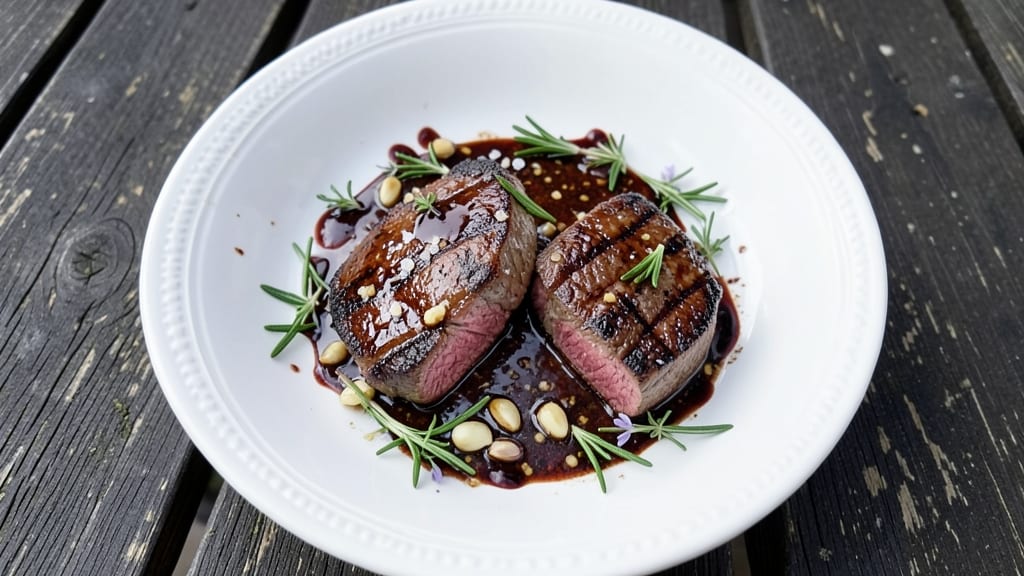
Mastering the perfect patio steak transforms outdoor cooking into a restaurant-quality experience every time. This charcoal-seared recipe delivers smoky depth and juicy tenderness that rivals any grill master's work. I developed it after years of experimenting with heat control and marinades to ensure consistent results, even when conditions aren't ideal.
The secret lies in proper preparation and heat management. A simple marinade with bold flavors penetrates the meat while a two-zone fire creates the perfect sear. This method works equally well with ribeye or sirloin, giving you steakhouse-quality results without the fuss of indoor cooking equipment.
What you'll achieve is steak with a perfect crust and tender interior, infused with smoky charcoal aroma. The cooking process is straightforward but requires attention to timing and temperature control. This recipe ensures your patio steak will be the centerpiece of any outdoor gathering.
Pair with grilled vegetables or a fresh salad for a complete meal. The techniques here translate perfectly to both charcoal and gas grills, making this recipe versatile for any outdoor setup. Let's get cooking with this foolproof patio steak method.
Ingredients for patio steak
Twelve ingredients transform your backyard into a steakhouse. Master this charcoal method for restaurant-quality patio steaks every time.
| Ingredient | Amount | Notes |
|---|---|---|
| Ribeye Steaks 🥩 | 1 ½ lb | 1-inch thick, bone-in preferred |
| Extra-Virgin Olive Oil 🫒 | 2 tbsp | High smoke point for searing |
| Fresh Garlic Cloves 🧄 | 6 cloves | Minced for marinade |
| Balsamic Vinegar 🍷 | ¼ cup | Aged for depth of flavor |
| Fresh Rosemary 🌿 | ¼ cup | Finely chopped, fresh preferred |
| Fresh Thyme 🌿 | ¼ cup | Leaves only, stems removed |
| Diamond Crystal Kosher Salt 🧂 | 1 ½ tbsp | For seasoning and marinade |
| Freshly Ground Black Pepper 🌶️ | 1 tbsp | Coarsely cracked |
| Charcoal Briquettes 🔥 | 2 lbs | Lump charcoal preferred |
| Hardwood Charcoal Chunks 🌳 | 1 lb | Oak or hickory for smoky flavor |
| Butter 🧈 | ½ cup | Unsalted, softened for basting |
| Fresh Parsley 🌿 | ¼ cup | Chopped for garnish |
The steak choice is non-negotiable for this recipe. Ribeye delivers that melt-in-your-mouth tenderness, but sirloin works beautifully too—just don't go thinner than 1-inch. Grab your steaks from Whole Foods or your local butcher shop where they cut them fresh daily. Look for vibrant color and good marbling—USDA Choice or Prime grades will give you that perfect balance of flavor and texture. If you're using frozen steaks, thaw them in the fridge overnight for even cooking. The charcoal chunks are your secret weapon for that authentic smoky flavor—Traeger or Kingsford brands work perfectly, but any hardwood will do.
No fresh rosemary? Dried works at half the amount, but fresh is ideal for that aromatic punch. Running low on balsamic? Red wine vinegar plus a splash of honey mimics the depth. The butter for basting should be unsalted—salted will overpower the delicate flavors. If you're cooking for a crowd, double the batch and use two steaks per person for generous portions. For extra smokiness, add a handful of wood chips to your charcoal—just soak them in water first. The olive oil matters here too—use something with a high smoke point like Avocado oil if you're worried about burning.
Steaks keep best in the fridge for 3-4 days if wrapped tightly in butcher paper. The marinade ingredients? Rosemary and thyme stay fresh for 1 week in the fridge if sealed properly. For leftovers, slice against the grain and reheat on the grill or in a skillet with a splash of beef broth to keep them juicy. The charcoal briquettes? Store them in a dry, airtight container—they'll last indefinitely. Pro tip: Make extra marinade to use on grilled shrimp or chicken wings later in the week.
Why You'll Love This Recipe
- Five-Ingredient Magic: I swear by this lineup—just steak, olive oil, garlic, rosemary, and balsamic. No fancy marinades or last-minute shopping runs. Honestly, the pantry version of a restaurant-worthy meal.
- Crispy-Creamy Bite: That charred crust from the grill? Irresistible. But the inside? Still juicy and tender, thanks to the garlic-infused oil pulling double duty. My kids fight over the last slice—no joke.
- Grill or Stovetop: Rainy day? No problem. The same technique works on a cast-iron skillet. I’ve made this for date nights, backyard BBQs, and even my mom’s Sunday brunch. It’s that adaptable.
- Leftovers? Better: Slice the cooled steak thin, toss with a drizzle of balsamic glaze, and boom—steak salad for lunch. Or chop it up for tacos. Between us, I’ve turned this into three meals with zero waste.
Step-by-step instructions for charcoal-seared steak with smoky flavor
Transform your patio into a flavor powerhouse with this foolproof method for restaurant-quality steaks.
Prepare the Herb Marinade and Season the Steaks
In a small bowl, combine the 0.25 cup fresh rosemary, 0.25 cup fresh thyme, 6 cloves fresh garlic cloves (minced), 0.25 cup balsamic vinegar, 1.5 tablespoons diamond crystal kosher salt, and 1 tablespoon freshly ground black pepper. Whisk until fully integrated, then pour into a resealable plastic bag. Add the 1.5 lb ribeye steaks and massage the marinade over every surface, ensuring it penetrates all the way to the edges. Seal the bag and refrigerate for at least 4 hours, or ideally overnight—this timing allows the flavors to deeply infuse while tenderizing the meat.
Here's the thing—don't skip the massaging. I press down firmly on each steak with my fingers to ensure the marinade reaches every crevice. The balsamic vinegar might seem unusual, but it adds a subtle tang that balances the richness of the ribeye. If you're short on time, even 2 hours will improve the flavor, though overnight remains ideal for maximum tenderness.
Set Up the Charcoal Grill for Perfect Heat Zones
While the steaks marinate, prepare your grill by arranging the 2 lbs charcoal briquettes and 1 lb hardwood charcoal chunks (oak or hickory) in a pyramid formation. Light them using a chimney starter and let them burn until they're covered with a thin layer of white ash—this usually takes about 15 minutes. Once ready, spread the coals evenly across the grill, creating two distinct heat zones: one side with direct heat for searing and the other with indirect heat for finishing.
The reason for the two-zone setup is critical. The direct heat will give you that coveted crust, while the indirect heat prevents the steaks from overcooking. I always use a grill thermometer to confirm the direct heat zone reaches 450°F and the indirect zone sits at 350°F. If your grill lacks a thermometer, you can gauge readiness by holding your hand about 6 inches above the grates—if you can only keep it there for 3-4 seconds, it's ready.
Sear the Steaks Over Direct Heat
Remove the steaks from the marinade (let any excess drip off) and pat them dry with paper towels—this step is non-negotiable for achieving that perfect crust. Place the steaks on the direct heat zone of the grill and sear for 3-4 minutes per side, depending on your desired doneness. For medium-rare, you'll want to see a deep sear line forming and the internal temperature reaching 130°F when checked with a meat thermometer.
I press down gently on the steaks during the first minute to prevent them from curling and ensure even contact with the grates. The edges should be golden brown with a slight char, while the center remains cool to the touch. If you notice the steaks aren't searing evenly, rotate them 45 degrees and continue cooking. The key here is patience—rushing leads to uneven cooking and a less flavorful crust.
Move to Indirect Heat and Baste with Butter
Once the steaks are seared to your liking, carefully move them to the indirect heat zone of the grill. Close the lid and let them cook until they reach your desired internal temperature: 130°F for medium-rare, 135°F for medium, or 140°F for medium-well. This typically takes 8-12 minutes, depending on the thickness of your steaks and the ambient temperature.
About 5 minutes before the steaks are done, remove them from the grill and set aside. In a small bowl, melt the 0.5 cup butter over low heat (or microwave in 20-second intervals) until it's fully softened but not browned. Add the 0.25 cup fresh parsley and stir to combine. Using tongs, brush this butter mixture generously over the top of each steak. This basting step adds incredible richness and helps create a glossy finish. Return the steaks to the grill for the final 1-2 minutes of cooking to let the butter crisp slightly.
Rest and Serve with Confidence
Transfer the steaks to a cutting board and let them rest for 10-15 minutes before slicing. This resting period is absolutely crucial—it allows the juices to redistribute throughout the meat, ensuring each bite is moist and flavorful. During this time, tent the steaks loosely with aluminum foil to keep them warm. If you're serving immediately, you can also use this time to prepare your favorite sides or a simple balsamic reduction to drizzle over the steaks.
When ready to serve, slice the steaks against the grain into ½-inch thick pieces. The result should be a perfectly seared exterior with a juicy, tender interior that practically melts in your mouth. Garnish with additional fresh parsley and serve with any remaining basting butter on the side. This method guarantees a steak that's so impressive, it'll make your patio the envy of the neighborhood.
Pro Tips For Making Patio Steak
- Sear First, Finish Slow: Ribeyes need that caramelized crust, so hit them with high heat for 2-3 minutes per side—until they’re golden and sizzling like crazy. Then, drop the heat to medium-low, cover the pan, and let them cook through evenly (about 3-4 minutes more for medium-rare). I used to rush the finish, and the steaks ended up dry or uneven.
- Smash That Garlic: Skip the minced garlic—it burns fast. Instead, peel and smash the cloves with the flat side of your knife, then let them sit in the hot oil for 30 seconds before adding the steaks. This releases their flavor without turning them bitter. (Yes, it looks messy, but it works.)
- Salt Before Heat: Ribeyes are thick and need time to develop that crust. Salt them generously at least 40 minutes before cooking—this lets the salt penetrate deep. I learned this the hard way after salting right before searing and ending up with a bland outer layer.
- Deglaze with Vinegar: After searing the steaks, pour in a splash of balsamic vinegar (about 2 tablespoons) and let it bubble for 30 seconds. This cuts through the richness and adds a tangy depth that balances the rosemary and garlic. Don’t skip it—it’s the thing that makes this dish taste like a restaurant.
Regional styles of patio steak
Texas-Style Smoked Brisket
Take your patio steak to the next level with a Texas-inspired smoked brisket twist.
Swap the ribeye for a 3-4 lb beef brisket, rub it with 1 tbsp smoked paprika, 1 tbsp brown sugar, and 1 tsp garlic powder, then smoke it low and slow at 225°F for 6-8 hours using oak or pecan wood chips.
The result is tender, smoky meat that falls apart—perfect for slicing thin and serving on toasted Texas toast with au jus for dipping. 🌶️
Argentinian Chimichurri Steak
For a bold South American flavor profile, marinate your steak in 1 cup chopped parsley, 4 minced garlic cloves, 0.25 cup red wine vinegar, 0.5 cup olive oil, 1 tsp red pepper flakes, and 1 tsp oregano for 4-6 hours.
Grill over hardwood coals and serve with chimichurri sauce drizzled generously on top. Pair with grilled asparagus and crusty bread for a complete meal. The vibrant herbs cut through the richness beautifully.
Japanese Yakitori-Inspired
Transform your steak into yakitori-style skewers by cutting ribeye into 1-inch cubes, marinating in 0.25 cup soy sauce, 0.25 cup mirin, 2 tbsp sake, 1 tbsp brown sugar, and 1 tbsp grated ginger for at least 2 hours.
Skewer and grill over binchotan charcoal until caramelized. Serve with yuzu kosho (Japanese citrus chili paste) for a sweet-spicy kick. The skewer method ensures perfect char on every bite.
Carolina BBQ Ribeye
Add a Southern flair by marinating your steak in 0.5 cup BBQ sauce (like Sweet Baby Ray's), 2 tbsp apple cider vinegar, 1 tbsp brown sugar, and 1 tsp smoked salt for 2-4 hours.
Grill over hickory wood and baste with extra sauce during cooking. Top with pickled red onions and crumbled cheddar for a smoky-sweet fusion. This style works especially well for gas grills with a smoker box.
Italian Bistecca alla Fiorentina
For a classic Italian approach, use 2-inch thick T-bone steaks marinated in olive oil, rosemary, black pepper, and a pinch of sea salt for just 1 hour (no vinegar). Sear over hardwood coals until the crust is deep brown and the internal temp hits 125°F for rare.
Serve with lemon wedges and roasted garlic mashed potatoes. The simplicity lets the natural beef flavor shine through.
Mexican Carnitas-Style
Turn your steak into carnitas by marinating in 1 cup orange juice, 0.25 cup lime juice, 4 minced garlic cloves, 1 tbsp cumin, 1 tbsp chili powder, and 1 tsp oregano for overnight.
Grill over mesquite wood until tender, then slice and serve with warm tortillas, pico de gallo, and avocado slices. The citrus marinade keeps the meat juicy while adding a bright, tangy flavor. 🌮
Nutrition facts
Frequently asked questions
Can I use this recipe on a gas grill instead of charcoal?
The same techniques apply—just create two heat zones by turning one burner to high and leaving the others off. For gas grills, preheat for 10-15 minutes to reach 450°F on the direct side. Use a grill thermometer to monitor temperatures. The butter basting and resting steps remain identical for perfect results.
How do I adjust for thinner steaks (under 1 inch)?
Thinner cuts cook faster—expect 2-3 minutes total on each side for medium-rare. Use a meat thermometer to check at 130°F internal temp. Reduce marinating time to 2 hours (no need for overnight) since thinner meat absorbs flavors quicker. Serve immediately after resting to prevent drying.
What's the best way to reheat leftover patio steak?
Slice against the grain and reheat in a skillet over medium-low heat for 2-3 minutes per side with a splash of beef broth. Never microwave—it makes steak rubbery. For grilled reheating, place slices on the grill for 1-2 minutes per side until warmed through. Always reheat to 165°F for safety.
Can I make this recipe with sirloin instead of ribeye?
Yes! Sirloin works beautifully—just trim excess fat and marinate for 4-6 hours (longer for leaner cuts). Cook over slightly lower heat (425°F) to prevent over-searing. The herb marinade enhances sirloin's natural beefy flavor. For extra tenderness, pound thicker sections to ½-inch before grilling.
Why did my steak turn out dry?
Most likely overcooked or not rested properly. Always use a meat thermometer—130°F for medium-rare. Let steaks rest 10-15 minutes before slicing (juices need time to redistribute). Pat dry before grilling (wet surfaces steam instead of sear). For thicker cuts, reduce grill heat slightly to 425°F.