
Side Dishes
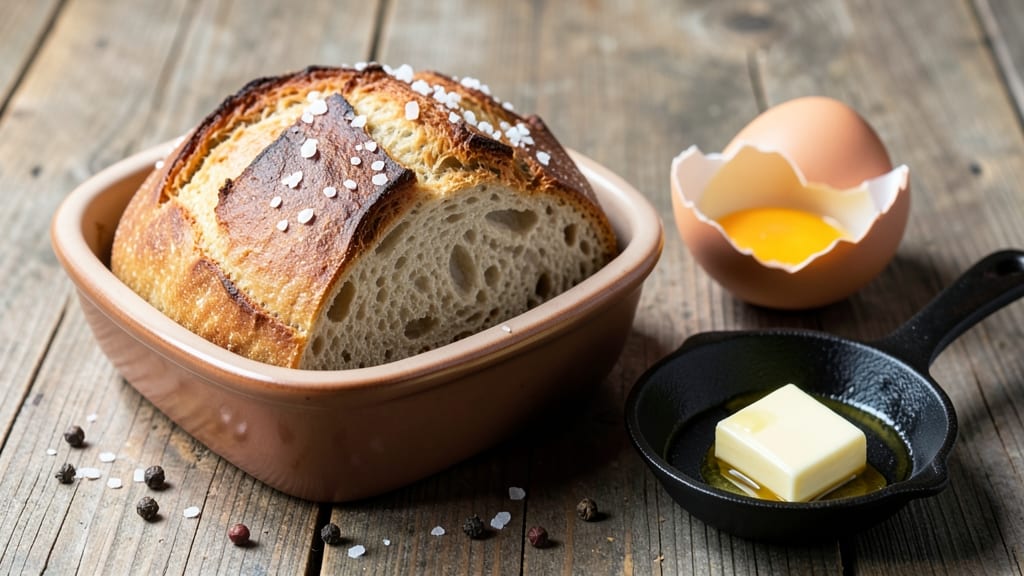
This Placek Bread Recipe brings the heart of Polish comfort food to your table—a soft, pillowy loaf with a pull-apart texture that’s perfect for soaking up soups or spreading with butter. 💛 The secret lies in a simple dough enriched with just the right amount of butter and a touch of yeast, creating layers that melt in your mouth with every bite.
What makes this recipe special is its versatility—whether you prefer a savory version with cheese or a sweet one with jam, the base dough adapts effortlessly. The key technique is rolling the dough thinly before frying or baking, which gives it that signature crispy exterior while keeping the inside tender.
It’s a foolproof method that delivers restaurant-quality results at home.
By the time you pull this loaf from the oven or fry it to golden perfection, you’ll have a bread that’s warm, inviting, and impossible to resist. The aroma alone will have everyone gathered around the table, eager for the first slice.
Serve it fresh with soups, spreads, or even as a side to hearty meals.
This recipe is a celebration of Polish tradition, bringing a taste of home to your kitchen with minimal effort and maximum flavor. Let’s get started!
Ingredients for placek bread
Fourteen simple ingredients for a bread that feels like Polish home magic.
| Ingredient | Amount | Notes |
|---|---|---|
| All-Purpose Flour 🌾 | 3 ½ cups | Sifted for light texture |
| Active Dry Yeast 🍞 | 2 ¼ tsp | One packet preferred |
| Granulated Sugar 🍬 | ¼ cup | For yeast activation |
| Warm Water 💧 | 1 cup | 110°F for yeast activation |
| Unsalted Butter 🧈 | ½ cup | Cold, cubed for dough |
| Large Eggs 🥚 | 1 whole | Room temperature |
| Milk 🥛 | ¼ cup | Warm for tenderness |
| Salt 🧂 | 1 tsp | Kosher or sea salt |
| Shredded Cheddar Cheese 🧀 | 1 cup | Sharp variety preferred |
| Vegetable Oil 🫒 | ½ cup | For frying (or baking) |
| Powdered Sugar 🍬 | ¼ cup | Optional for dusting |
The yeast is your secret weapon here—King Arthur or Fleischmann's are reliable brands, but any active dry yeast works. If your kitchen’s cold, warm the water to 110°F (like bath water) to wake it up. The butter? Cold cubes melt into the dough just enough to create those signature layers—don’t use melted butter, or you’ll lose that pull-apart magic. For the flour, King Arthur or Gold Medal give the best texture, but any all-purpose will work. Pro tip: Sift it first to avoid dense bread. And if you’re feeling fancy, swap the cheddar for feta or gouda—just keep the amount the same.
No sharp cheddar? Parmesan or mozzarella work in a pinch, but the flavor won’t be the same. Short on vegetable oil? Lard or duck fat give a richer taste, but oil keeps it neutral. The powdered sugar is totally optional—just dust it on top if you’re serving with jam or fruit. For a sweet version, swap the cheddar for cinnamon and raisins (½ cup each). And if you’re baking instead of frying, brush the loaf with egg wash for extra shine. The dough should be soft but not sticky—add a splash more milk if needed.
This dough keeps for 2 days in the fridge, wrapped tight. For best results, let it rise overnight in the fridge—8-12 hours—for deeper flavor. If you’re frying, work in batches to avoid overcrowding the pan. The bread stays crispy for 3 days at room temp, but reheat slices in a 350°F oven for 5 minutes to bring back that fresh-from-the-fryer crunch. Freeze extras for up to 3 months—just thaw at room temp before serving.
Why You'll Love This Recipe
- No Yeast Hassle: I mix the yeast with warm water and sugar first—it activates in minutes while I prep the rest. No waiting around for dough to rise twice, just one smooth, easy step.
- Buttery Richness: That unsalted butter? It melts into the dough like magic, giving each slice a tender crumb and a whisper of richness. Honestly, the first bite always makes me pause.
- Freezer-Friendly Bread: Slice it fresh, or freeze half for later—this bread keeps for weeks without drying out. Perfect for lazy mornings or when company drops by unannounced.
- Budget’s Best Friend: Five simple ingredients, no fancy tools, and it feeds a crowd. I’ve spent less than $3 for a whole loaf, and it’s always the first to disappear.
Step-by-step instructions for Polish pull-apart cheese loaf
Here's how to make this tender, cheesy bread that falls apart perfectly.
👨🍳 Step 1: Activate the Yeast and Mix the Dough
In a large bowl, combine the 1 cup warm water (110°F) with the 0.25 cup granulated sugar and 2.25 tsp active dry yeast. Let it sit for 5-10 minutes until frothy—this tells you your yeast is alive and ready to work. If it doesn't bubble, your yeast might be dead, and you'll need to start over.
Next, add the 3.5 cups all-purpose flour and 1 tsp salt to the bowl. Make a well in the center and pour in the 1 whole large egg, 0.25 cup warm milk, and 0.5 cup cold cubed unsalted butter. Mix everything with a wooden spoon until it comes together into a shaggy dough. Then, turn it out onto a lightly floured surface and knead for 5-7 minutes until smooth and elastic.
🥘 Step 2: Incorporate the Cheese and Shape the Loaf
Return the dough to the bowl and let it rest for 10 minutes. Meanwhile, shred the 1 cup shredded cheddar cheese finely—this ensures it melts evenly throughout the bread. Sprinkle the cheese over the dough and gently fold it in using a spatula or your hands, being careful not to overwork it.
Shape the dough into a round loaf about 8 inches in diameter. Place it seam-side down in a greased 9-inch round cake pan or a well-oiled bowl. Cover with a clean kitchen towel and let it rise in a warm place for 1-1.5 hours, or until it has nearly doubled in size. You'll know it's ready when it springs back slowly when poked gently with a finger.
🔥 Step 3: Bake to Golden Perfection
Preheat your oven to 350°F. Brush the risen dough with a little vegetable oil or melted unsalted butter for a golden finish. Bake for 30-35 minutes until the top is golden brown and the internal temperature reaches 190°F. If the top browns too quickly, tent it loosely with foil to prevent over-browning.
Here's the magic part: once it's out of the oven, let it cool for 5 minutes before gently pulling it apart. The cheese should be melted and stretchy, creating those perfect pull-apart strands. Dust with 0.25 cup powdered sugar if you're feeling fancy—it adds a sweet contrast to the salty cheese.
Pro Tips For Making Placek Bread
- Bloom the yeast: DESCRIPTION: Mix the yeast, sugar, and warm water first—then add flour. I learned this the hard way: skipping this step means your dough might not rise properly, and you’ll end up with dense, sad placek. Let it sit for 5-10 minutes until frothy before adding flour; if it doesn’t bubble, your yeast is dead.
- Knead like you mean it: DESCRIPTION: Placek dough needs serious work—at least 10 minutes by hand or 5-6 minutes with a stand mixer. I used to rush it, and the bread turned out gummy. Press and fold until it’s smooth, elastic, and springs back when poked. (Yes, even if your arms are tired.)
- Butter matters: DESCRIPTION: Use softened unsalted butter, not melted—it’s the difference between flaky layers and greasy mess. Cut it into small cubes and mix them into the dough by hand for even distribution. (And if you’re lazy, cold butter is fine, but your placek won’t be as tender.)
- Proof at room temp: DESCRIPTION: Skip the fridge—let the dough rise in a warm spot (like a turned-off oven with the light on) for 1-2 hours. I tried cold-proofing once, and my placek took forever to bake. Warmth speeds up fermentation, so your bread bakes up faster and tastes fresher. (Just don’t let it get too hot—75°F is ideal.)
Best sauces and condiments for this placek bread
Classic Garlic Butter
This is my go-to sauce for Placek bread—simple yet irresistible. Melt 2 tablespoons unsalted butter in a small saucepan over medium heat, then add 2 minced garlic cloves and 1 teaspoon fresh parsley.
Cook for 1-2 minutes until fragrant but not browned. Drizzle this over warm slices for a rich, savory kick that pairs perfectly with the cheesy bread. 🧈
Spicy Sour Cream
For a tangy, creamy twist, mix ½ cup sour cream with 1 teaspoon smoked paprika and ½ teaspoon cayenne pepper. Thin with 1 tablespoon milk if needed for spreading.
This sauce adds a cool contrast to the warm bread and brings out the cheese’s flavor beautifully. Perfect for dipping or spreading before serving.
Sweet Jam Glaze
Transform Placek into a sweet treat by warming ¼ cup raspberry or apricot jam in a small saucepan with 1 teaspoon lemon juice and ½ teaspoon vanilla extract. Brush this glaze over sliced bread and broil for 1-2 minutes to create a caramelized finish.
The acidity in the jam cuts through the richness of the cheese, balancing every bite.
Herbed Olive Oil
Infuse ¼ cup extra-virgin olive oil with 1 tablespoon fresh rosemary, 1 tablespoon fresh thyme, and a pinch of flaky sea salt. Let it steep for 10 minutes, then strain and drizzle over warm bread.
This aromatic oil elevates the bread’s natural flavors without overpowering them, making it ideal for a light, herby touch.
Cheesy Horseradish Cream
Blend ½ cup cream cheese with 2 tablespoons prepared horseradish, 1 tablespoon sour cream, and 1 teaspoon lemon zest until smooth. This spicy-sweet sauce adds a bold kick that complements the mild cheese in the bread. Serve it chilled for a refreshing contrast to the warm, pull-apart texture.
Nutrition facts
Frequently asked questions
What makes this Polish flatbread different from regular bread?
This traditional bread stands out because of its pull-apart texture and rich cheese layers. Unlike typical loaves, it’s made with a thinly rolled dough that’s either fried or baked, creating a crispy exterior with a soft, cheesy interior. The dough also includes butter and milk, which keep it tender and flavorful—perfect for dipping or spreading.
Can I bake this instead of frying it?
For a lighter version, shape the dough into a round loaf and bake it at 350°F for 30-35 minutes. Brush with egg wash or melted butter for a golden finish. The texture will be slightly less crispy but still delicious, especially when served warm with sauces like garlic butter or herbed olive oil.
How do I store leftover Placek bread?
Keep it fresh for 3 days at room temperature in an airtight container. For longer storage, freeze slices for up to 3 months. Reheat in a 350°F oven for 5 minutes to restore crispiness. The cheese stays gooey when reheated, making it taste almost as good as fresh!
What’s the best cheese to use if I don’t have cheddar?
For a similar melt, try gouda, mozzarella, or feta. Sharp cheddar is ideal, but mild cheeses like Monterey Jack work too. Avoid pre-shredded cheese—it contains anti-caking agents that prevent proper melting. If you love sweet versions, swap cheese for ½ cup cinnamon and ½ cup raisins instead.
Why did my dough not rise properly?
Check your yeast first—it must be active (test by dissolving in warm water with sugar; it should bubble in 5-10 minutes). Cold water or old yeast kills it. Also, ensure the dough is in a warm place (like a turned-off oven with a bowl of hot water) and covered loosely. Over-kneading or too much flour can also prevent rising.