
Side Dishes
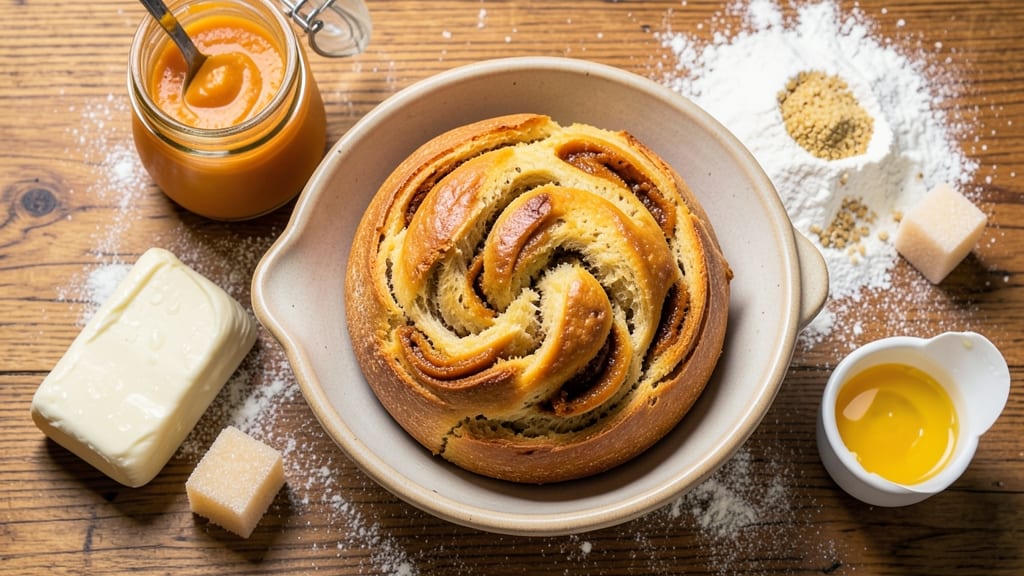
This pumpkin yeast bread recipe transforms a simple loaf into a spiced autumn centerpiece with a moist, tender crumb that stays fresh for days.
The secret lies in balancing pumpkin puree with traditional yeast dough—creating a bread that's rich yet light, with just enough warmth from cinnamon and nutmeg to evoke fall. I developed this after years of perfecting holiday breads, and it's now my go-to for Thanksgiving tables or cozy weeknight dinners.
The process follows classic yeast bread techniques but incorporates pumpkin puree for natural moisture and subtle sweetness. You'll knead a simple dough enriched with butter and eggs, then let it rise twice for that signature airy texture.
The pumpkin adds depth without overpowering, while spices like cinnamon and nutmeg create layers of autumnal flavor that linger with every slice.
What makes this bread truly special is its ability to stay moist for up to five days when stored properly—no dry, stale crumbs here. The crust develops a golden-brown finish with a gentle crackle, while the interior remains soft and inviting.
Perfect for sandwiches, toast, or serving alongside soups, this bread delivers restaurant-quality results with minimal effort.
For extra warmth, consider adding a touch of orange zest to the dough or topping with a simple sugar glaze before baking. The recipe scales easily, so you can bake one loaf for a small gathering or two for a crowd. Let's get started on this autumn essential!
Ingredients for pumpkin yeast bread
Nine simple ingredients transform into a moist, spiced pumpkin loaf perfect for autumn tables.
| Ingredient | Amount | Notes |
|---|---|---|
| All-Purpose Flour 🌾 | 4 cups | Spooning and leveling for accuracy |
| Granulated Sugar 🍚 | ½ cup | White or light brown preferred |
| Pumpkin Puree 🎃 | 1 cup | Unsweetened, 100% pumpkin |
| Unsalted Butter 🧈 | ½ cup | Softened, full-fat recommended |
| Large Eggs 🥚 | 2 whole | Room temperature for best mixing |
| Instant Yeast 🍞 | 2 ¼ tsp | Not active dry yeast |
| Salt 🧂 | 1 tsp | Fine sea salt preferred |
| Ground Cinnamon 🌿 | 1 ½ tsp | Freshly ground for best flavor |
| Ground Nutmeg 🌿 | ½ tsp | Freshly grated nutmeg preferred |
| Ground Ginger 🌿 | ½ tsp | Freshly ground for warmth |
| Orange Zest 🍊 | 1 tbsp | Freshly grated from organic orange |
| Whole Milk 🥛 | ½ cup | Warmed slightly for activation |
| Egg Wash 🥚 | 1 whole | 1 egg beaten with 1 tbsp water |
| Coarse Sugar 🍚 | 2 tbsp | For sprinkling on top crust |
The pumpkin puree is non-negotiable—100% pumpkin, no sugar or spices added. Libby's or store-brand canned puree works fine, but if you're feeling fancy, grab some fresh pumpkin from a fall market. The flour matters too: King Arthur or Bob's Red Mill are my go-tos for consistent results. Don't skimp on the butter—full-fat makes this bread rich and tender. For the spices, Penzeys or bulk bins at Whole Foods have the freshest ground spices, but the grocery store stuff is fine if it's labeled 'ground' and not 'pre-mixed'.
No pumpkin puree? Substitute with 1 cup mashed sweet potato—it adds moisture but changes the flavor slightly. Short on orange zest? A splash of orange juice or even lemon juice works in a pinch, though it won't give that same bright pop. Running low on whole milk? Warm water plus a pinch of sugar activates the yeast just fine. The yeast is instant, so no proofing needed—just mix it right into the dry ingredients. For the eggs, room temperature is key—cold eggs make the dough tough.
This bread stays moist for 5 days when wrapped tightly in plastic and stored at room temperature. For longer storage, freeze the baked loaf for up to 3 months—just thaw at room temperature before serving. The crust gets crunchier as it cools, so slice it while still slightly warm for the best texture. I always bake two loaves—one for the table, one for freezing. The leftovers? Perfect for toast or French toast—trust me on that.
Why You'll Love This Recipe
- No Yeast Stress: I swear by this dough—just mix, let it rise once, and bake. No kneading, no fussing, and that pumpkin puree does the heavy lifting of keeping it tender.
- Caramelized Butter Magic: That melted butter folded into the warm loaf? Rich, buttery layers that taste like autumn in every bite. The sugar and pumpkin puree team up to create a subtle sweetness that lingers.
- Breakfast or Snack Hero: Slice it toasted with butter for breakfast, or pack thick chunks for lunch—it’s my go-to when I need something hearty but still light. Honestly, it’s the only bread I’ll bake in fall.
- Pantry Staple Goldmine: Uses what you already have (flour, sugar, butter) and turns pumpkin puree into a star. A single batch feeds my family for days, and the leftovers? Perfect for French toast or bread pudding.
Step-by-step instructions for pumpkin yeast bread
Here's how to make a perfectly moist, spiced loaf that stays tender for days.
Mix the Wet Ingredients
In a large bowl, combine the 1 cup pumpkin puree, 0.5 cup granulated sugar, 0.5 cup softened unsalted butter, and 0.5 cup warmed whole milk. I like to use a hand mixer here for about 1 minute until everything is completely smooth. This creates the base for your dough and helps incorporate air for a lighter texture.
Next, add the 2 whole large eggs and the 1 tbsp orange zest to the mixture. Mix again until fully combined. The orange zest will add a bright, citrusy note that balances the pumpkin's natural sweetness. If the mixture looks too thick, you can add 1-2 tablespoons of milk to help it come together more easily.
Combine Dry Ingredients and Yeast
In a separate bowl, whisk together the 4 cups all-purpose flour, 2.25 tsp instant yeast, 1 tsp salt, 1.5 tsp ground cinnamon, 0.5 tsp ground nutmeg, and 0.5 tsp ground ginger. I always sift these dry ingredients first to avoid lumps in the dough. The spices are key here—they give that classic pumpkin bread warmth without overpowering the flavor.
Gradually add the dry ingredients to the wet mixture, mixing just until combined. You don't want to overmix—just until the dough starts coming together. If it feels too sticky, you can add a little more flour, but don't go overboard. The dough should be soft and pliable but not wet. Once combined, let it rest for 10 minutes to allow the yeast to activate and the flour to fully hydrate.
Knead and Shape the Dough
After the 10-minute rest, turn the dough onto a lightly floured surface and knead for about 5 minutes until smooth and elastic. You can use your hands or a stand mixer with a dough hook. The dough should be slightly tacky but not sticky—if it sticks too much, wet your hands slightly as you knead. This step develops the gluten, which gives the bread its structure and helps it rise properly.
Once the dough is smooth, shape it into a round loaf. Place it in a lightly greased bowl, cover it with a damp towel, and let it rise in a warm place for 1 to 1.5 hours, or until it has roughly doubled in size. A good test is to gently press the dough—if it springs back slowly, it's ready. If it springs back quickly, it needs more time.
Shape and Proof the Loaf
After the first rise, punch down the dough to release the air and shape it into a round loaf again. Place it in a greased 9-inch round cake pan or a similar-sized loaf pan. Brush the top with the 1 whole egg wash and sprinkle evenly with 2 tbsp coarse sugar. This gives the bread a beautiful, glossy finish and adds a touch of sweetness to the crust.
Let the loaf rise again for 30 to 45 minutes until it has puffed up noticeably. The edges should look slightly rounded, and the top should be slightly domed. Preheat your oven to 350°F while the bread proofs. This ensures the bread goes straight into a hot oven and bakes evenly.
Bake to Golden Perfection
Bake the bread for 45 to 50 minutes, or until the top is golden brown and the internal temperature reaches 190°F. You'll know it's done when the crust sounds hollow when tapped on the bottom. If the top browns too quickly, tent the bread with foil to prevent over-browning while it finishes baking.
Once baked, remove the bread from the oven and let it cool in the pan for 10 minutes. Then transfer it to a wire rack to cool completely. The bread will be moist and tender inside with a slightly crisp crust. Slice it while still warm for the best texture—this ensures every bite is perfectly balanced between moist crumb and sweet, spiced flavor.
Pro Tips For Making Pumpkin Yeast Bread
- Measure Pumpkin Precisely: Use a kitchen scale for the pumpkin puree—1 cup of canned puree weighs about 240 grams, but scooping straight from the can traps air and throws off the dough’s balance. I learned this the hard way when my first batch turned dense and gummy.
- Soften Butter Properly: Take the butter out of the fridge 30 minutes before mixing—it should be soft enough to press with a finger but not greasy. Cold butter creates lumps that don’t emulsify, while melted butter kills the yeast. Room temp is your sweet spot.
- Don’t Overmix the Dough: Mix the dough just until the flour is mostly incorporated—stop when it’s shaggy, not smooth. Overworking it develops gluten too much, and your bread will turn out tough instead of tender. I used to beat it like I was punishing it.
- Proof in a Warm Spot: Place the dough in a lightly oiled bowl, cover it with a damp towel, and let it rise in the oven with the light on (or a proofing box at 75°F/24°C). The warmth speeds it up without risking a cold, slow rise that makes your bread flat. Works every time—no fancy equipment needed.
Pro cooking tips for perfect results
Yeast Activation
Always use instant yeast for this recipe—it activates immediately when mixed with warm liquid. I warm the ½ cup whole milk to about 105-110°F (just warm to the touch) before mixing it with the pumpkin puree and sugar. This temperature range is perfect for activating the yeast without killing it.
If your kitchen is cold, place the bowl on top of your oven with the light on for 5 minutes to create a warm environment for rising. 🌡️
Dough Consistency
The dough should be soft and slightly tacky but not sticky. If it feels too dry, add 1 tablespoon milk at a time until it reaches the right consistency.
Overworking the dough can make it tough, so knead just until smooth—about 5 minutes by hand or 3-4 minutes with a stand mixer. I test consistency by pressing my finger into the dough: if it springs back slowly, it's ready. If it springs back quickly, it needs more time.
Proofing Secrets
For perfect proofing, create a warm environment by placing your dough in a bowl that's been warmed in the oven for 2-3 minutes. Cover the bowl with a damp towel to prevent the dough from drying out.
The dough is ready when it's doubled in size and leaves a slight indent when pressed gently. I always proof my dough in the oven with the light on—it's a foolproof way to maintain consistent warmth without turning on the heat. 💡
Pan Prep Matters
Grease your 9-inch round cake pan thoroughly with butter or oil, then dust it with flour. This prevents sticking and ensures easy removal. For extra crispiness, I like to sprinkle a thin layer of coarse sugar on the bottom of the pan before adding the dough.
This creates a subtle caramelized crust at the base while keeping the top soft and tender.
Baking Temperature
Bake at 350°F for even heat distribution, but don't open the oven door during the first 30 minutes—this can cause the bread to collapse. If the top browns too quickly, tent it loosely with aluminum foil.
The internal temperature should reach 190°F for perfect doneness. I always check with an instant-read thermometer to avoid overbaking.
Cooling Technique
Let the bread cool in the pan for 10 minutes before transferring to a wire rack. This prevents the crust from cracking as it cools. For the best texture, slice the bread while it's still slightly warm—this ensures a moist crumb.
If you're making ahead, wrap cooled slices in plastic wrap and store them in an airtight container for up to 5 days at room temperature. 💛
Nutrition facts
Frequently asked questions about pumpkin yeast bread
Can I substitute pumpkin puree with something else?
Yes! For a similar texture, use 1 cup mashed sweet potato or 1 cup unsweetened applesauce. If you want a stronger pumpkin flavor, try ½ cup pumpkin puree + ½ cup Greek yogurt—the yogurt adds richness while keeping the bread moist. Just note that substitutions may slightly alter the taste and moisture level.
Why did my bread turn out dense instead of light and airy?
Dense bread usually means the yeast didn't activate properly or the dough wasn't kneaded enough. Double-check that your milk was warm (105-110°F) when mixing with yeast, and let the dough rise in a warm spot (like a turned-off oven with the light on). Also, knead for at least 5 minutes to develop gluten—this gives the bread structure for proper rising.
Can I make this bread without a stand mixer?
This recipe works perfectly by hand. Use a wooden spoon or your hands to mix the wet ingredients, then gradually incorporate the dry ingredients. For kneading, work the dough on a floured surface for 5-7 minutes until smooth and elastic. A little extra elbow grease ensures the same great results!
How do I store leftovers to keep them fresh?
Wrap slices tightly in plastic wrap or store in an airtight container at room temperature for up to 5 days. For longer storage, freeze the whole loaf (unsliced) for up to 3 months. To reheat, wrap slices in a damp paper towel and warm in a 350°F oven for 5-10 minutes for that fresh-baked taste.
What's the best way to add extra flavor?
Try these easy upgrades: fold in ½ cup chopped pecans or walnuts with the dry ingredients, or stir in 1 tsp vanilla extract with the wet ingredients. For a glaze, mix ½ cup powdered sugar + 2 tbsp milk + 1 tsp cinnamon and drizzle over cooled bread. The possibilities are endless!