
Main Courses
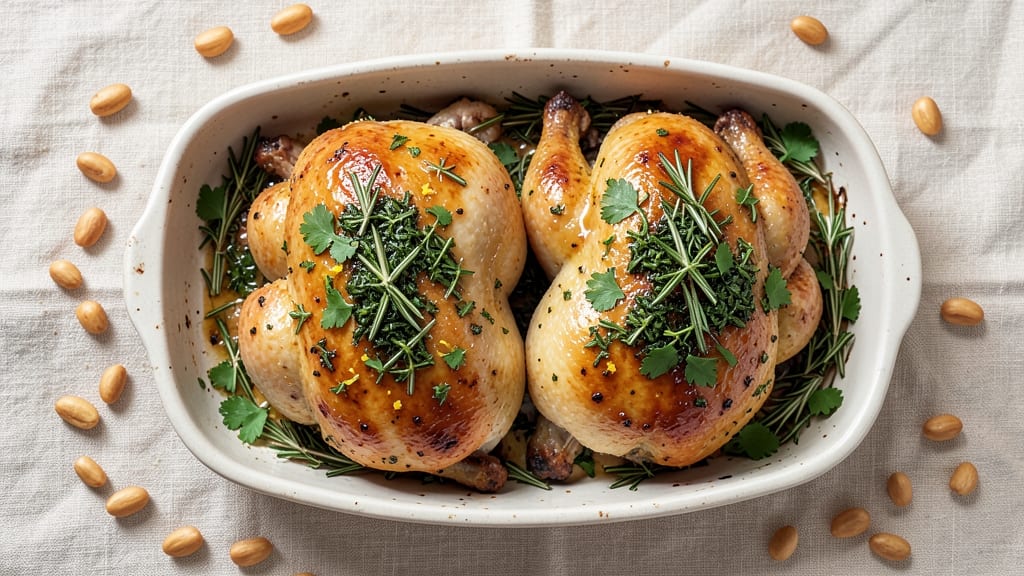
This herb-crusted quail roast recipe transforms a delicate bird into a showstopping centerpiece that feels worthy of any special occasion. The secret lies in a precise balance of seasoning and cooking technique that delivers tender meat with crispy, aromatic skin every time.
I developed this method after years of perfecting roasted poultry, and it never fails to impress—whether you're hosting a dinner party or treating yourself to a refined meal.
What makes this recipe truly special is the herb crust, which combines fresh rosemary, thyme, and parsley with Dijon mustard for a flavor profile that's both elegant and approachable.
The quail roasts at a controlled temperature for just 25 minutes, ensuring the meat stays juicy while the crust develops a golden-brown perfection. This method works equally well for two birds or a single serving, making it versatile for any gathering.
By the time you serve it, you'll have beautifully browned quail with fragrant herbs clinging to the skin and meat that's tender enough to cut with a fork.
The aroma alone will draw everyone to the table, and the presentation—with its crispy crust and elegant plating—makes it feel like a restaurant-quality dish without the fuss. Pair it with roasted vegetables or a light salad for a complete, sophisticated meal.
This recipe is designed to be adaptable, so feel free to customize the herbs or add a splash of citrus for brightness. The key is precision in timing and temperature, which I'll guide you through step by step. Let's create a dish that feels both special and effortless.
Ingredients for quail roast
Twelve ingredients transform delicate quail into a restaurant-worthy centerpiece with crispy, aromatic herb crust.
| Ingredient | Amount | Notes |
|---|---|---|
| Fresh Quail 🦆 | 2 whole | Freshly thawed if frozen |
| Fresh Rosemary 🌿 | ¼ cup | Finely chopped, stems removed |
| Fresh Thyme 🌿 | ⅛ cup | Leaves only, stems removed |
| Fresh Parsley 🌿 | ⅛ cup | Flat-leaf, finely chopped |
| Dijon Mustard 🍯 | 1 tbsp | High-quality, smooth texture |
| Extra-Virgin Olive Oil 🫒 | 2 tbsp | Lightly fruity, not bitter |
| Unsalted Butter 🧈 | 2 tbsp | Cold, cubed for crust |
| Sea Salt 🧂 | ¾ tsp | Fine grain, kosher preferred |
| Freshly Ground Black Pepper 🌶️ | ½ tsp | Freshly cracked for intensity |
| Lemon Zest 🍋 | 1 tsp | From organic lemon |
| Garlic Cloves 🧄 | 2 cloves | Minced, fresh preferred |
| Panko Breadcrumbs 🍞 | ¼ cup | For extra crust texture |
The quail is the star, so source from a trusted butcher or specialty market—look for birds with smooth, unbroken skin and minimal fat. Whole Foods or local farms often carry the freshest options. If using frozen, thaw overnight in the fridge to maintain texture. The herb blend is critical: fresh rosemary and thyme from the grocery store's produce section (not dried) deliver the most vibrant flavor. For the mustard, Maille or Whole Foods 365 brands provide consistent quality. The butter should be cold when mixed into the crust—take it out of the fridge 15 minutes before use to soften slightly but not melt.
No fresh rosemary? Dried rosemary at one-third the amount works in a pinch, but fresh is ideal for that aromatic punch. Substitute parsley with cilantro or chives if needed, though parsley's mild flavor pairs best. For the crust, almond flour or crushed cornflakes can replace panko if you're avoiding gluten. The mustard can be swapped for whole-grain Dijon if you prefer a nuttier profile. Skip the lemon zest? A splash of fresh lemon juice in the crust adds brightness without altering the texture. Garlic can be omitted entirely for a more delicate flavor, but the minced version integrates seamlessly into the crust mixture.
Prep the quail and crust components up to 4 hours ahead—store in the fridge until ready to roast. The herb mixture keeps for 3 days in an airtight container in the fridge, though freshness is best. After roasting, quail stays juicy for 2 days refrigerated, but the crust loses crispness after 1 day. For leftovers, serve cold over a bed of greens or reheat gently in a 350°F oven for 10 minutes to restore texture. The crust reheats beautifully if you're not serving immediately—just broil for 1-2 minutes to crisp it back up.
Why You'll Love This Recipe
- One-Pan Magic: I swear by this recipe when I’m too tired to wash pots—just quail, herbs, and a drizzle of mustard on one sheet pan. The rosemary and thyme infuse the meat so well, I don’t even mind the cleanup.
- Herb-Packed Punch: Between us, that combo of fresh rosemary, thyme, and parsley with Dijon mustard makes the quail taste like it’s been slow-roasted for hours. Honestly? It’s the kind of flavor that sticks with you long after the last bite.
- Weeknight to Dinner Party: I make this for lazy Tuesday nights, but it also feels fancy enough for guests—just add a side of crusty bread. The quail roasts fast, so it’s perfect when you’re short on time but still want something impressive.
- Budget-Friendly Protein: Quail is cheaper than chicken and cooks in half the time, meaning less waste and more leftovers I can repurpose. I’ll be real: my freezer’s always stocked with these roasted halves for quick meals.
Step-by-step instructions for herb-crusted quail roast
Here's how to achieve perfectly crisped quail with aromatic herb crust every time.
Prepare the Herb Crust Mixture
In a medium bowl, combine the 0.25 cup finely chopped fresh rosemary, 0.125 cup fresh thyme leaves, 0.125 cup flat-leaf parsley, 1 tablespoon Dijon mustard, 1 teaspoon lemon zest, 0.75 teaspoon sea salt, 0.5 teaspoon freshly ground black pepper, and 2 cloves minced garlic. Mix thoroughly with your fingers until the herbs are evenly distributed and the mustard forms a cohesive paste.
The mustard acts as a binder for the crust while adding depth of flavor. I like to press the mixture between my fingers to break up any large herb stems that might remain. This ensures every bite delivers that bright, herby punch we're after. Set this mixture aside while you prepare the quail.
Season and Coat the Quail
Pat the 2 whole fresh quail completely dry with paper towels—this is crucial for achieving crispy skin. Season the outside of each bird generously with additional sea salt and freshly ground black pepper, focusing on the breast and leg areas where the skin will crisp.
Next, rub each quail thoroughly with 2 tablespoons extra-virgin olive oil, making sure to coat all surfaces evenly. This creates a barrier that helps the crust adhere properly. Then press the herb mixture firmly onto the quail, covering every inch completely. The crust should be about ¼-inch thick—don't be shy with it, as this is what creates that beautiful golden crust during roasting.
Chill and Preheat for Optimal Results
Transfer the coated quail to a plate and refrigerate uncovered for 30 minutes. This chilling step allows the crust to firm up slightly, preventing it from sliding off during roasting. It also helps the quail cook more evenly from the start.
While the quail chills, preheat your oven to 375°F. Place a wire rack on a rimmed baking sheet and position an oven-safe skillet on the rack. This two-step setup ensures the quail roasts with maximum air circulation around all sides, leading to even browning. The skillet will catch any drippings for potential sauce use later.
Roast to Golden Perfection
Remove the quail from the refrigerator and let it sit at room temperature for 5 minutes before roasting. Place the quail in the preheated skillet, breast-side up, and transfer to the oven. Roast for 25-30 minutes, rotating the baking sheet halfway through cooking time to ensure even browning.
You'll know it's done when the skin is deep golden brown and crispy, and the internal temperature reaches 165°F when measured at the thickest part of the thigh. The crust should hold together but still be slightly crisp when pressed gently. If the crust browns too quickly, tent the quail loosely with foil for the last 5 minutes of cooking to prevent burning.
Rest and Serve with Confidence
Transfer the quail to a cutting board and let it rest for 10 minutes before serving. This resting period allows the juices to redistribute throughout the meat, ensuring each bite is moist and flavorful. During this time, you can make a quick pan sauce by deglazing the skillet with 2 tablespoons unsalted butter and a splash of white wine or chicken broth.
Slice each quail in half lengthwise before serving to reveal the beautifully crisped skin and tender meat beneath. The herb crust should be fragrant and slightly crunchy, while the meat inside remains juicy and perfectly cooked. Serve immediately with your favorite sides to enjoy this herb-crusted masterpiece at its best.
Pro Tips For Making Quail Roast
- SEAR THE SKIN FIRST: Quail skin is delicate—don’t start with herbs. Pat the birds dry, then hit a screaming-hot pan with oil and sear them skin-side down for 3-4 minutes until golden. I used to rush this, and the skin ended up rubbery. High heat. Seriously, crank it up.
- TRIM THE HERBS RIGHT: Fresh rosemary and thyme need a sharp knife. Strip leaves from stems with your fingers (not scissors—you’ll crush them) and finely chop the parsley. Over-chopping turns herbs into mud. My grandmother swore by this, and she was right: a few big sprigs tucked under the skin while roasting adds aroma without bitterness.
- DON’T OVERMIX THE MUSTARD: Mix Dijon with olive oil and a pinch of salt before brushing it on. Too much mustard pools in the pan instead of sticking to the quail. I learned this the hard way—my first batch tasted like a mustard glaze, not a herb crust. Keep it light: just enough to coat, not drown.
- REST UNDER FOIL: Pull the quail out of the oven at 160°F (71°C) internal temp, tent loosely with foil, and let sit 5-10 minutes. Skipping this step means juices run out when you slice—dry quail is the worst. Yes, even if you’re impatient like me, wait. Your future self will thank you.
Best sauces and condiments for this recipe
Herb-Infused Pan Sauce
After roasting, deglaze the skillet with 2 tablespoons unsalted butter and 2 tablespoons dry white wine or chicken broth. Scrape up all the browned bits—they're packed with flavor! Simmer for 2 minutes until slightly reduced, then whisk in 1 teaspoon fresh lemon juice and a pinch of sea salt.
This sauce enhances the herb notes while balancing the richness of the quail. 🍋
Citrus-Garlic Reduction
For a brighter pairing, reduce ¼ cup orange juice with 1 tablespoon honey and 1 minced garlic clove in the skillet until syrupy (3-4 minutes). The citrus cuts through the quail's richness while complementing the herb crust. Drizzle over sliced quail tableside for an elegant finish.
Creamy Mustard Sauce
Combine ¼ cup crème fraîche with 1 teaspoon Dijon mustard and 1 teaspoon chopped parsley for a tangy, velvety sauce. Thin with 1 tablespoon warm chicken broth if needed. This sauce mirrors the crust's flavors while adding a luxurious texture that pairs perfectly with the crispy quail.
Spicy Harissa Drizzle
For heat lovers, whisk 1 teaspoon harissa paste with 1 tablespoon olive oil and a splash of water to thin. Drizzle over sliced quail just before serving. The smoky heat contrasts beautifully with the herb crust's aromatic notes while adding depth to each bite. 🌶️
Honey-Balsamic Glaze
Simmer 2 tablespoons balsamic vinegar with 1 tablespoon honey until thickened (5 minutes). The sweet-tangy glaze elevates the quail's natural flavors without overpowering them. Brush lightly over the crust or drizzle alongside for a sophisticated touch.
Warm Olive Oil Drizzle
Heat 2 tablespoons extra-virgin olive oil with 1 minced garlic clove until fragrant (1 minute). Drizzle over sliced quail to enhance the herb crust's aroma and add a silky finish. This simple yet effective technique highlights the quail's natural flavors without competing with them.
Nutrition facts
Frequently asked questions
How do I choose the best quail for roasting?
Look for quail with smooth, unbroken skin and minimal fat deposits. The birds should feel firm to the touch and have a fresh, clean aroma. Fresh quail is best, but if frozen, thaw overnight in the fridge. Avoid any with a strong odor or discolored areas, as these indicate spoilage.
Can I make this recipe with just one quail?
Yes! Simply halve the herb crust mixture and adjust oven time to 20-25 minutes for a single quail. The cooking technique remains the same, just reduce everything proportionally. Perfect for a single serving or small gatherings.
Why is the crust falling off my quail?
This usually happens when the quail isn't properly chilled after coating or if the crust isn't pressed firmly enough. Always refrigerate the coated quail for 30 minutes before roasting, and press the herb mixture firmly onto the skin. A light coating of olive oil before adding the crust also helps adherence.
What sides pair best with herb-crusted quail?
Light, fresh sides complement this dish beautifully. Try roasted seasonal vegetables like asparagus or Brussels sprouts, a bright citrus salad, or creamy mashed potatoes. For a complete meal, serve with a white wine reduction or herb butter.
How far ahead can I prepare the herb crust?
The herb mixture can be made up to 3 days ahead and stored in an airtight container in the fridge. For best results, coat the quail and refrigerate for 30 minutes before roasting. The crust stays fresh and flavorful when prepared in advance, making it perfect for meal prep.