
Side Dishes
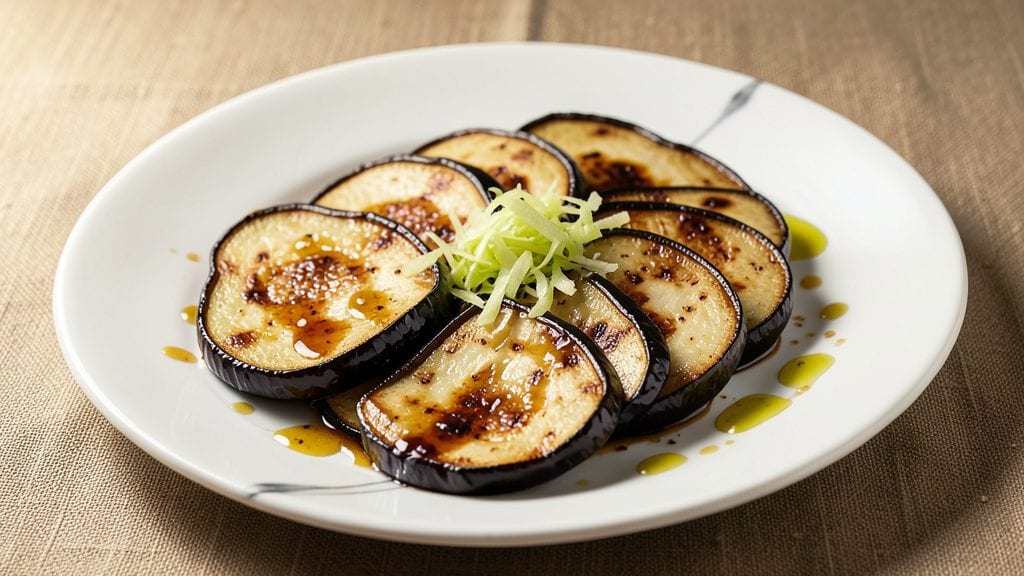
Mastering roasted Japanese eggplant transforms this often-overlooked vegetable into a silky, charred centerpiece that rivals any restaurant side dish. The secret lies in proper preparation—salting, drying, and precise roasting—that creates that signature contrast between crispy exterior and tender interior.
I perfected this technique after years of trial and error, and it never fails to impress.
This method stays true to traditional Japanese nitsume style while offering flexibility for modern tastes. Whether you prefer classic soy-ginger seasoning or bold spicy variations, the foundation is the same: even roasting at high heat for crispy edges without burning.
The process is straightforward but requires patience—worth every minute for restaurant-quality results.
What you’ll achieve is a dish with deep umami flavor, perfect for serving alongside grilled meats, rice bowls, or as a standalone appetizer. The eggplant absorbs seasonings beautifully, making it a blank canvas for your favorite flavors. Once you try this method, you’ll never buy store-bought eggplant again.
Pair with a simple dipping sauce of soy, mirin, and sesame oil for the full experience. The contrast of textures and flavors makes this dish unforgettable—ideal for both weeknight meals and special occasions. Let’s get started on creating your perfect roasted eggplant.
Ingredients for roasted japanese eggplant
Simple yet transformative ingredients create restaurant-quality roasted Japanese eggplant with crispy char and silky centers.
| Ingredient | Amount | Notes |
|---|---|---|
| Japanese Eggplant 🍆 | 2 whole | Medium-sized, firm and glossy |
| Diamond Crystal Kosher Salt 🧂 | 1 tbsp | For salting and drying |
| Extra-Virgin Olive Oil 🫒 | ¼ cup | Lightly brushed for roasting |
| Soy Sauce 🍶 | ¼ cup | High-quality, preferably Japanese |
| Fresh Ginger 🌿 | 1 tbsp | Finely grated, aromatic |
| Sesame Oil 🫒 | 1 tbsp | Toasted, for finishing |
| Toasted Sesame Seeds 🌰 | 1 tbsp | For garnish, optional |
| Garlic Cloves 🧄 | 4 cloves | Minced, for seasoning |
| Mirin 🍶 | 1 tbsp | Sweet rice wine, optional |
| Vegetable Oil 🫒 | ½ cup | High smoke point for roasting |
| Black Peppercorns 🌶️ | ½ tsp | Freshly cracked, for heat |
| Red Bell Pepper 🌶️ | 1 whole | Sliced thin, optional garnish |
| Unsalted Butter 🧈 | 2 tbsp | Melted, for finishing |
Japanese eggplant is the star here—look for glossy, firm specimens at Asian markets or well-stocked grocery stores like Whole Foods or Trader Joe's. Their unique shape and thin skin roast perfectly, while regular eggplant stays too dense. If you can't find Japanese eggplant, Italian eggplant (white-fleshed) is your next best option. The kosher salt is crucial for drawing out moisture before roasting—Diamond Crystal dissolves beautifully. For the best flavor profile, use Japanese soy sauce like Kikkoman or Yamasa, which has a deeper umami punch than regular soy sauce.
No sesame oil? Toasted peanut oil or light olive oil works in a pinch, though the flavor won't be identical. Fresh ginger is ideal, but if you're using dried, reduce to one-third the amount—it's much more concentrated. The vegetable oil for roasting should have a high smoke point (400°F+), so avoid extra-virgin olive oil here. For a spicy kick, add 1 tsp of gochujang or sriracha to the soy sauce mixture. The butter at the end isn't just for flavor—it creates that signature glossy finish that makes this dish look restaurant-worthy.
Roasted eggplant keeps best in an airtight container for 3-4 days in the fridge, though it's best enjoyed fresh. For make-ahead prep, roast the eggplant ahead and store it in the fridge—it reheats beautifully in a 350°F oven for 10 minutes. The seasoned eggplant also freezes well for up to 3 months, though texture may soften slightly. To revive frozen eggplant, thaw in the fridge overnight and reheat gently. Garnishes like sesame seeds and red bell pepper can be added fresh after reheating for maximum vibrancy.
Why You'll Love This Recipe
- Just Salt & Roast: The prep is that simple—slice, salt, let sit, then roast. No chopping, no fuss, just 20 minutes of hands-off magic while you stir-fry something else or pour a glass of wine.
- Umami Bomb: That crispy skin with the tender inside? Chef’s kiss. The soy sauce and ginger caramelize into something deeply savory—like a cross between a charred grilled veggie and a little bite of Japanese izakaya vibes.
- Leftover Goldmine: Roasted eggplant keeps perfectly for days. Toss it cold into grain bowls, mash it into a quick pasta sauce, or serve it warm with rice—it’s my lazy Sunday lunch savior when I didn’t plan ahead.
- Budget Flex: Japanese eggplant is cheaper than you’d think, especially in bulk, and a little goes a long way. Honestly, it’s one of those ingredients that makes simple meals feel way more impressive without breaking the bank.
Step-by-step instructions for roasted Japanese eggplant
Here's how to transform simple eggplant into restaurant-worthy bites with smoky char and velvety centers.
Prepare the Eggplant for Roasting
Begin by cutting each of the 2 whole Japanese Eggplant lengthwise into ½-inch thick slices. You'll want about 8 slices total from both eggplants. Pat them completely dry with paper towels - this step is crucial for achieving crispy edges. Arrange the slices on a baking sheet lined with parchment paper, ensuring they don't overlap.
In a small bowl, whisk together the 0.25 cup Extra-Virgin Olive Oil with the 1 tbsp Diamond Crystal Kosher Salt, minced 4 cloves Garlic Cloves, and 0.5 tsp freshly cracked Black Peppercorns. Brush this mixture generously over both sides of all eggplant slices. The oil will help create that beautiful caramelized crust while the salt and garlic infuse flavor throughout.
Roast Until Charred and Tender
Preheat your oven to 425°F. Place the prepared eggplant slices on a second baking sheet lined with parchment paper, leaving about ½-inch space between each slice. Roast for 15 minutes, then carefully flip each slice and return to the oven. Continue roasting for another 12-15 minutes until the edges are deeply charred and the flesh yields slightly when pressed with a fork.
Real talk: your oven might run hot, so start checking at the 20-minute mark. The eggplant is done when it's fork-tender with beautiful blackened edges - this is what we're after. If it's browning too quickly, tent with foil to prevent burning while maintaining that smoky flavor.
Create the Glazed Sauce
While the eggplant roasts, prepare the glaze by combining the 0.25 cup Soy Sauce, 1 tbsp Fresh Ginger (finely grated), 1 tbsp Mirin, and 2 tbsp Unsalted Butter in a small saucepan. Bring to a gentle simmer over medium heat, then reduce heat to low and let it cook for 3-4 minutes until slightly thickened. The sauce should coat the back of a spoon but remain glossy.
Remove from heat and stir in 1 tbsp Sesame Oil. This step adds depth of flavor and that signature nutty aroma. Keep the sauce warm until ready to use - it should maintain its glossy consistency. If it thickens too much, add 1 teaspoon of water to loosen it.
Assemble and Finish
Once the eggplant is perfectly roasted, transfer it to a serving platter. Spoon the warm glaze evenly over the top, allowing it to soak into the eggplant for about 1 minute. This ensures each bite has that perfect balance of smoky, salty, and sweet flavors.
Garnish with thin slices of the 1 whole Red Bell Pepper and sprinkle with 1 tbsp Toasted Sesame Seeds just before serving. The bell pepper adds a fresh contrast while the sesame seeds provide texture and visual appeal. Serve immediately while the eggplant is still warm and the glaze is glossy.
Pro Tips For Making Roasted Japanese Eggplant
- CRANK THE OVEN TO 450°F: Japanese eggplant needs high heat to caramelize properly—don’t skimp on the temperature. I learned this the hard way when my first batch came out undercooked and mealy; now I preheat the oven for 15 minutes and keep it hot the whole time.
- SALT THE SLICES IMMEDIATELY: Toss the eggplant slices with kosher salt before roasting—this draws out moisture and guarantees crispy edges. Skip this, and you’ll end up with soggy, flavorless skin that clings like plastic wrap.
- USE A MIXED CUT: Slice some pieces lengthwise (for even cooking) and others into thick rounds (for texture). The longer slices crisp faster, while the rounds hold up better for serving—your plate will look better, and the bite will be perfect.
- ROAST IN BATCHES: Crowd the pan, and the eggplant steams instead of crisps. Work in two rounds: start with half the slices, roast until golden, then swap with the second batch. Yes, it’s an extra step, but the difference in texture is night and day.
Wine and beer pairings for these flavors
Japanese White Wine
For a classic pairing, reach for a crisp Japanese white wine like Koshu or Muscat Bailey A. These wines have delicate floral notes and subtle sweetness that complement the eggplant's umami depth without overpowering it.
The acidity cuts through the richness of the roasted eggplant, while the fruity undertones enhance the soy-ginger glaze. I love serving this with Yamazakura Koshu—its bright citrus finish balances the dish perfectly. 🍷
Dry Riesling
A dry Riesling from Germany or Alsace brings vibrant acidity and peach notes that mirror the eggplant's caramelized sweetness. Look for a Kabinett-level Riesling with 10-12% ABV—the crispness helps cleanse your palate between bites.
The mineral undertones in Riesling also pair beautifully with the toasted sesame seeds. My go-to is Dr. Loosen Blue Slate, which has enough body to stand up to the dish's richness. 🍇
Light Japanese Beer
If you prefer beer, opt for a light Japanese lager like Asahi Super Dry or Sapporo Premium. These beers have a clean, crisp profile that won't clash with the eggplant's flavors. The subtle malt sweetness complements the soy glaze, while the effervescence refreshes your palate.
For a craft option, try Sapporo Black Label—its balanced malt and hop bitterness adds depth without overpowering. 🍺
Spicy Variations
If you've added gochujang or sriracha to your glaze, pair with a lightly spiced sake cocktail or a dry rosé. The acidity in rosé (like Whispering Angel) cools the heat, while a chilled nigori sake (sweet rice wine) with yuzu juice adds a refreshing contrast.
For beer lovers, a Belgian witbier with its citrusy notes works surprisingly well. 🌶️
Dessert Wine Finish
End the meal with a sweet dessert wine like Moscato d'Asti or Japanese Muscat. The fruity sweetness contrasts beautifully with the savory eggplant, creating a harmonious finish. A chilled glass of Tokaji Aszú (Hungarian dessert wine) also pairs wonderfully—its honeyed notes complement the caramelized eggplant. 🍇
Nutrition facts
Frequently asked questions
Why do I need to salt Japanese eggplant before roasting?
Salting removes excess moisture and creates a crispy exterior while keeping the interior tender. The 1 tbsp of kosher salt draws out water for 30 minutes before drying with paper towels—this step is non-negotiable for that perfect texture. Regular eggplant lacks this delicate balance, so Japanese varieties shine with this preparation.
Can I roast eggplant at a lower temperature to avoid burning?
Yes, but expect longer cooking times. Try 375°F instead of 425°F and roast for 30-40 minutes total, flipping halfway. The tradeoff is less caramelization—ideal for beginners. For maximum char, stick to high heat with foil tenting if needed. The key is patience, not temperature.
What if I can't find Japanese eggplant? What's the next best substitute?
Use Italian eggplant (white-fleshed)—it's the closest in texture. Avoid dark-skinned varieties like globe eggplant, which stay too dense. Slice ¼-inch thick (thinner than the recipe) and roast 5-10 minutes longer to compensate. The flavor won't be identical, but the technique works!
How do I fix eggplant that's mushy instead of crispy?
Over-roasting or thick slices cause mushiness. Next time, slice ½-inch or thinner and roast at 425°F for 12-15 minutes total. For a quick fix, pan-fry leftover slices in 1 tbsp sesame oil over high heat for 2 minutes per side to restore crispiness.
Can I make this dish ahead of time?
Roast the eggplant 1 day ahead and store in an airtight container. Reheat in a 350°F oven for 10 minutes with a splash of water to revive moisture. The glaze should be made fresh before serving—it thickens when reheated. Garnishes go on last for maximum freshness.