
Side Dishes
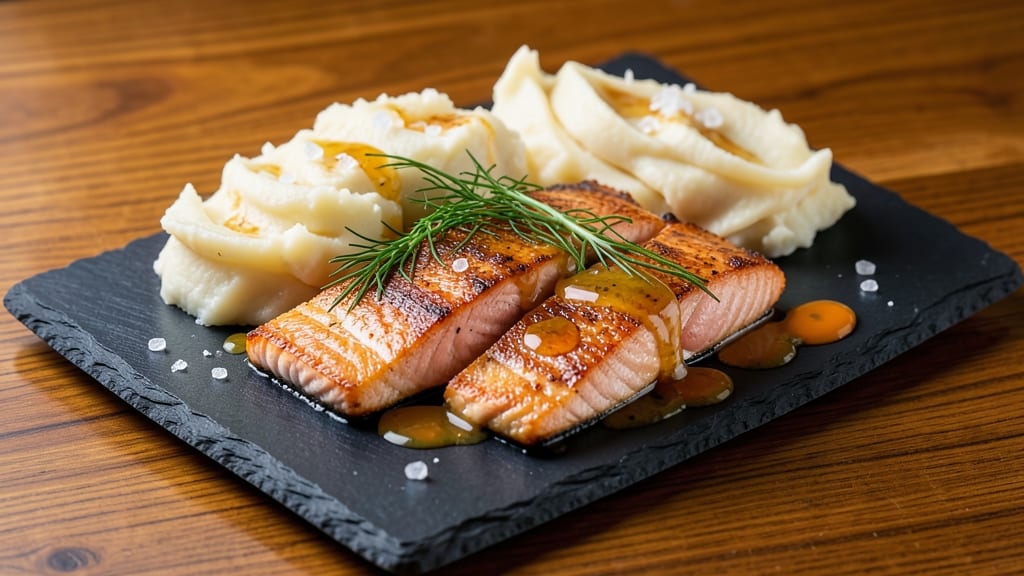
This salmon with mashed potatoes recipe delivers the perfect balance of delicate, pan-seared fish and velvety potatoes—two classic comfort foods elevated into a restaurant-worthy meal. The secret lies in achieving a crispy salmon crust while keeping the inside perfectly tender, paired with ultra-creamy mashed potatoes that melt in your mouth. After years of perfecting this combination, I’ve developed a method that ensures foolproof results every time, whether you're feeding a family or treating yourself to a special dinner.
The salmon preparation focuses on high-heat searing to create that coveted golden crust, while the mashed potatoes rely on a precise ratio of butter, cream, and proper mashing technique for that signature smooth yet light texture.
What makes this dish truly special is how the two components complement each other—salmon’s rich, buttery flavor pairs beautifully with the creamy, comforting potatoes, creating a harmonious plate that feels both elegant and satisfying. This recipe is also ideal for pescatarians, offering a well-rounded meal without any meat.
By the time you finish cooking, you’ll have a beautifully plated dish with perfectly seasoned salmon—crisp on the outside, tender within—and mashed potatoes so smooth they’ll disappear from your plate. The salmon’s caramelized edges contrast beautifully with the creamy potatoes, making every bite a perfect balance of textures and flavors.
This is the kind of meal that feels like a hug on a plate, yet still looks impressive enough for guests.
The best part? This recipe comes together in under an hour, making it perfect for a weeknight dinner that feels like a special occasion. Serve with a simple green salad or steamed vegetables to complete the meal, and you’ll have a dish that’s both comforting and refined.
Let’s get started on creating this timeless combination that brings comfort to your table.
Ingredients for salmon and mashed potatoes
Pan-seared salmon and velvety mashed potatoes—just 12 ingredients for a restaurant-worthy comfort meal.
| Ingredient | Amount | Notes |
|---|---|---|
| Center-Cut Salmon Fillets 🐟 | 4 whole | Skin-on, 6-8 oz each, even thickness |
| Russet Potatoes 🥔 | 2 lbs | Yukon Gold for creamier texture |
| Unsalted European-Style Butter 🧈 | ¾ cup | Cold, cut into 1-inch cubes |
| Heavy Whipping Cream 🥛 | ½ cup | Full-fat for richest texture |
| Large Egg Yolks 🥚 | 4 whole | Room temperature, pasteurized if preferred |
| Diamond Crystal Kosher Salt 🧂 | 1 ½ tbsp | Fine grain for even seasoning |
| Freshly Cracked Black Peppercorns 🌶️ | 1 ½ tsp | Coarsely ground for texture |
| Extra-Virgin Olive Oil 🫒 | 2 tbsp | High smoke point for searing |
| Fresh Lemon Juice 🍋 | 2 tbsp | From 1 medium lemon |
| Garlic Cloves 🧄 | 4 cloves | Minced, for salmon seasoning |
| Fresh Dill Sprigs 🌿 | ¼ cup | Chopped, for garnish |
| Fresh Parsley Sprigs 🌿 | 0.15 cup | Chopped, for garnish |
The salmon makes or breaks this dish, so center-cut fillets with skin are non-negotiable—they hold their shape and create the perfect crust. Wild-caught Alaskan salmon from Trader Joe's or Whole Foods delivers the best flavor, but any high-quality fillet works. Look for even thickness (about 1-inch) to ensure consistent cooking. For the potatoes, Russets or Yukon Golds are ideal—Yukons give a creamier texture while Russets hold up better to boiling. I always buy organic potatoes from Costco when I can—they're waxier and hold together better when boiling. The butter? European-style unsalted butter from Land O'Lakes or Plugrá melts beautifully without overpowering the dish.
No fresh dill? Substitute 1 tbsp dried dill but reduce to one-third the amount. Running low on heavy cream? Half-and-half plus 1 tbsp extra butter works in a pinch, though the texture won't be as rich. For the salmon seasoning, if you don't have fresh garlic, 1 tsp garlic powder plus 1/4 tsp onion powder gets you close. The mashed potatoes can use Greek yogurt instead of cream for a tangier flavor—just reduce the butter by 1 tbsp. And if you're short on lemon juice, 1 tsp white wine vinegar adds the same bright acidity. For the olive oil, avocado oil works too if you prefer a neutral flavor during searing.
Salmon fillets keep best in the coldest part of your fridge for up to 2 days—use them within 24 hours for peak tenderness. The potatoes? Store in a cool, dark place for up to 2 weeks, but don't wash them until ready to use. Once boiled, the potatoes can be reheated in the microwave with a splash of cream and butter for 3-4 days, though they're best fresh. The salmon reheats poorly, so plan to serve it immediately after searing. For meal prep, make the mashed potatoes ahead and keep them warm in a slow cooker with a lid slightly ajar—this prevents drying. The butter and cream can be pre-melted and chilled for 1 week in an airtight container.
Why You'll Love This Recipe
- One-Pan Wonder: I swear by this combo—just toss the salmon and potatoes on the same sheet, roast together, then mash while it rests. No switching pans, no extra dishes. That crispy salmon skin? Edible gold.
- Rich Without Effort: The butter and yolks make mashed potatoes so velvety, but here’s the secret: the salmon’s natural oils melt into them while roasting. Flavor fusion at its finest—no fancy techniques, just pure satisfaction.
- Weeknight to Dinner Party: Same recipe, different vibes. Serve it with a simple salad for a Tuesday night, or add a drizzle of cream and fresh dill for a fancier spread. Honestly, my in-laws asked for the recipe after one bite.
- Leftovers That Don’t Suck: Cold salmon and mashed potatoes? Actually delicious. I pack the leftovers for lunch—just reheat the potatoes with a splash of cream, and the salmon stays flaky. (Yes, even on a Tuesday.) Budget-friendly too—this feeds four for less than takeout.
Step-by-step instructions for salmon with mashed potatoes
Here's how to create a perfect harmony of crispy salmon and velvety mashed potatoes that will leave everyone asking for seconds.
Prepare the Salmon for Perfect Crisp
Pat the four center-cut salmon fillets completely dry with paper towels—this is absolutely critical for achieving that coveted crust. Using the 2 tablespoons of extra-virgin olive oil, generously coat both sides of each fillet, focusing on the skin side. Let them sit at room temperature for 15 minutes while you prepare the potatoes.
While the salmon rests, season both sides with a light dusting of the 1.5 tablespoons of diamond crystal kosher salt and the 1.5 teaspoons of freshly cracked black peppercorns. I like to press the seasoning into the flesh gently with my fingertips—this ensures even distribution and maximum flavor penetration. The minced 4 cloves garlic cloves can be sprinkled over the top for an aromatic boost that will infuse the salmon as it cooks.
Create Silky Mashed Potatoes
Peel the 2 pounds of russet potatoes and cut them into even 2-inch chunks. Place them in a large pot and cover with cold water by about 1 inch. Add 1 tablespoon of the diamond crystal kosher salt to the water and bring to a boil over high heat. Once boiling, reduce to a simmer and cook for 15-20 minutes until the potatoes are fork-tender.
While the potatoes cook, melt the 0.75 cup of unsalted european-style butter in a small saucepan over low heat. Let it melt completely but don't let it brown—you want it to remain pale yellow for the smoothest texture. In a separate bowl, whisk together the 4 whole large egg yolks and 0.5 cup of heavy whipping cream until smooth and slightly thickened.
Pan-Sear the Salmon to Golden Perfection
Heat a large skillet over medium-high heat until it's properly preheated—you should see a gentle shimmer when you sprinkle a drop of water. Add the salmon fillets skin-side down and let them sear undisturbed for 4-5 minutes. You'll know they're ready to flip when the edges begin to lift and the skin turns a beautiful golden brown.
Flip the salmon carefully with a thin spatula and cook for another 3-4 minutes until the flesh is opaque throughout and flakes easily with a fork. The internal temperature should reach 145°F. Remove the salmon to a warm plate and tent loosely with foil to keep warm. Immediately pour the 2 tablespoons of fresh lemon juice into the pan and deglaze, scraping up any browned bits—these contain incredible flavor that will enhance your mashed potatoes.
Whip Together the Creamiest Mashed Potatoes
Drain the cooked potatoes thoroughly, then return them to the pot. Add the melted butter and the lemon juice mixture from the salmon pan. Using a potato masher or ricer, mash the potatoes until smooth. I prefer a ricer for ultra-silky texture, but a masher works too if you're gentle.
Gradually add the egg yolk mixture while stirring continuously. The heat from the potatoes will gently cook the eggs, creating a luxurious, creamy texture. If the potatoes seem too thick, add 1-2 tablespoons of hot potato water to loosen them. Season to taste with additional salt and pepper if needed—this is where you'll notice the difference between good and extraordinary mashed potatoes.
Finish and Serve with Fresh Herbs
Garnish the mashed potatoes with the chopped 0.25 cup fresh dill sprigs and 0.15 cup fresh parsley sprigs just before serving. The bright herbs will cut through the richness and add a fresh, vibrant finish. For the salmon, drizzle with any remaining lemon juice from the pan and sprinkle with additional fresh dill if desired.
Serve the salmon immediately alongside the mashed potatoes for that perfect combination of crispy exterior and tender interior paired with velvety, comforting potatoes. The acidity from the lemon brightens both components, while the herbs add a fresh finish that makes this dish truly exceptional. Every bite delivers that perfect balance of textures and flavors we all crave in a comforting meal.
Pro Tips For Making Salmon And Mashed Potatoes
- Test for doneness: Salmon’s done when it flakes easily with a fork—no guessing. Center-cut fillets cook fast (8-10 mins at 375°F), so check at 6-7 mins. Overcook it, and you’ll end up with dry, sad fish that tastes like regret.
- Par-cook the potatoes: Boil your Russets in salted water until a knife slides in smoothly—not just at the edges. Then roast them at 400°F for 20 mins before mashing. This cuts down on lumps and gives you silky texture without overworking the starch.
- Salt the butter first: Toss in a pinch of salt (about ¼ tsp per 2 tbsp butter) while melting it for the mash—trust me, it makes a real difference. Unsalted butter is neutral, but this step guarantees flavor balance, especially if you’re using low-sodium cream or eggs.
- Whip yolks cold: Chill your egg yolks in the fridge for 10 mins before mixing them into the hot potatoes. Warm yolks scramble when they hit the heat, and you’ll end up with gluey, sad mash. Cold yolks blend in smooth and keep the texture buttery, not gummy.
Wine and beer pairings for this salmon and mashed potatoes
Crisp White Wine
For this elegant pairing, I reach for a dry Riesling from Germany or a Sauvignon Blanc from New Zealand. The acidity in these wines cuts through the richness of the butter in both the salmon and mashed potatoes, while their citrus notes mirror the lemon in the recipe.
A chilled bottle of Dr. Loosen Blue Slate Riesling or Cloudy Bay Sauvignon Blanc elevates the dish to restaurant-quality perfection. 🍷
Light-Bodied Red
If you prefer red wine, opt for a Pinot Noir with delicate fruit flavors and minimal tannins. The Willamette Valley in Oregon produces exceptional examples, like Domaine Serene or La Crema.
The wine's bright acidity and red berry notes complement the salmon's richness without overpowering the dish. Serve it slightly cooler than room temperature—around 55°F—to enhance its refreshing qualities.
Crisp Lager Pairing
A German Pilsner like Warsteiner or St. Pauli Girl provides a perfect beer pairing with its clean, crisp profile. The malt sweetness balances the acidity of the lemon, while the effervescence cleanses your palate between bites.
For a domestic option, try a crisp American lager like Budweiser or Miller Lite, which won't compete with the dish's flavors. 🍺
Craft Beer Options
For craft beer lovers, a Belgian witbier like Hoegaarden or Stella Artois offers a refreshing contrast with its citrusy coriander notes. Alternatively, a light wheat beer with a touch of spice, such as Allagash White, pairs beautifully with the dish's bright flavors.
Avoid heavy stouts or IPAs—they'll overpower the delicate salmon and mashed potatoes.
Non-Alcoholic Refreshers
For a non-alcoholic option, I love a sparkling lemonade made with San Pellegrino and fresh lemon juice. Add a splash of simple syrup> (equal parts sugar and water) and garnish with a lemon wheel.
The bubbles and citrus complement the dish perfectly without alcohol. Another great choice is ginger beer>, like Brew Dr. Brown's, which adds a zesty kick that pairs wonderfully with the salmon's richness.
Nutrition facts
Frequently asked questions
Can I use frozen salmon for this recipe?
Fresh salmon is ideal, but you can use frozen fillets if thawed properly. Place the salmon in the refrigerator overnight (24 hours) in its original packaging. Once thawed, pat it completely dry and proceed with the recipe as written. Never thaw at room temperature—this can lead to uneven cooking and bacterial growth. The texture will be slightly less crispy than fresh, but still delicious.
How do I keep the mashed potatoes from getting gluey?
The secret is in the technique: use a ricer or potato masher for ultra-smooth texture, and add the egg yolks and cream gradually while stirring continuously. Over-mixing or adding liquid too quickly creates lumps. Also, for 2 pounds of potatoes, use no more than 0.5 cup of cream—too much liquid breaks down the starches and makes them gummy. Keep the potatoes warm in a double boiler while you finish the salmon.
What's the best way to reheat leftover salmon?
Salmon reheats poorly due to its delicate texture, but you can gently warm it in a 350°F oven for 5-7 minutes on a wire rack over a baking sheet. For best results, make only what you'll eat fresh. The mashed potatoes can be reheated in the microwave with a splash of milk or cream, stirring well to restore creaminess. Never reheat salmon in the microwave—it turns rubbery.
Can I substitute Yukon Gold potatoes for Russets?
Yukon Golds create a creamier, more flavorful mash with fewer lumps. They require slightly less cooking time (12-15 minutes instead of 15-20 minutes) and hold their shape better when boiling. For the best texture, use Yukons if you prefer a richer, silkier potato. The recipe works equally well with either variety—just adjust the cooking time based on your preference for firmness.
What's the best way to plate this dish for a restaurant-style presentation?
Start with a generous scoop of mashed potatoes on a warm plate, then place the salmon fillet diagonally across the center. Drizzle with the lemon pan sauce from cooking and sprinkle with fresh dill and parsley. Add a small garnish of microgreens or edible flowers for extra elegance. Serve with a simple green salad on the side to complete the presentation. The contrast between the crisp salmon and velvety potatoes makes for a visually stunning plate.