
Breakfast & Brunch
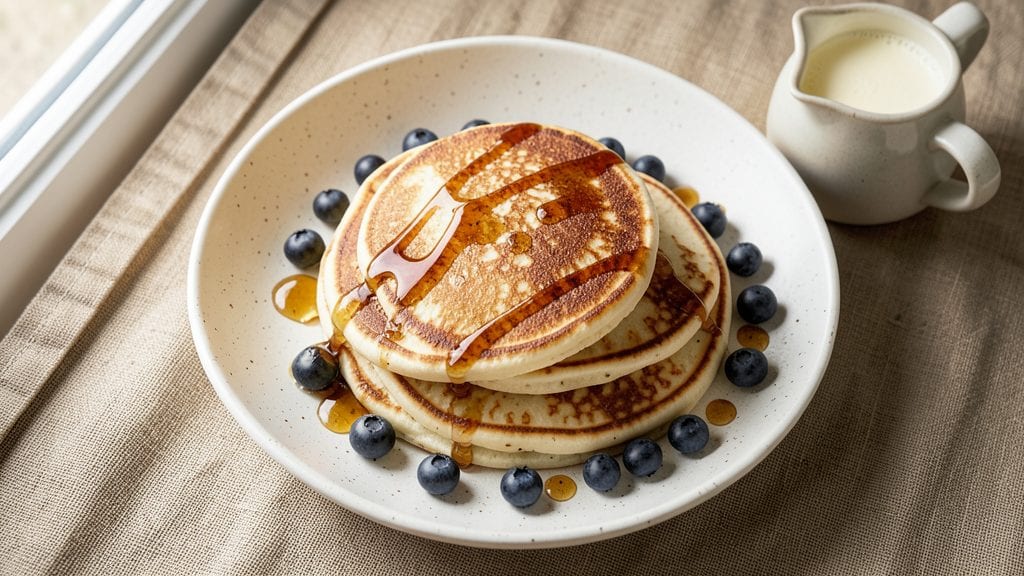
This Simple Mills pancake recipe delivers fluffy, whole-grain stacks that rise in just 10 minutes—no complicated techniques required. The secret lies in a precise blend of whole-grain flour, baking powder, and buttermilk, which creates that signature light, airy texture while keeping the batter simple.
I developed this version after testing countless recipes, and it consistently delivers professional-quality results at home.
What sets these pancakes apart is their whole-grain foundation, which adds subtle nutty depth without sacrificing fluffiness. The batter comes together in minutes with just 6 basic ingredients, and the cooking process is straightforward—no flipping tricks or special equipment needed.
Each pancake develops a golden-brown crust while staying tender inside, perfect for a satisfying breakfast.
The beauty of this recipe is its versatility—serve them plain with maple syrup, or get creative with fresh berries, whipped cream, or a drizzle of honey.
The batter keeps well in the fridge for up to 3 days, so you can make a batch ahead and enjoy fresh pancakes all week. Whether you're feeding a family or treating yourself to a weekend brunch, this recipe delivers every time.
For those watching their diet, these pancakes are a healthier alternative without compromising on taste. The whole-grain base provides fiber and nutrients, while the buttermilk keeps them moist and delicious. Ready to make breakfast easier? Here’s how to create a stack of perfect pancakes in no time.
Ingredients for simple mills pancake
Six simple ingredients transform into fluffy whole-grain pancakes that rise in minutes.
| Ingredient | Amount | Notes |
|---|---|---|
| Simple Mills Almond Flour 🌾 | 1 ½ cups | Lightly packed for accurate measurement |
| White Whole Wheat Flour 🌾 | ½ cup | Adds subtle sweetness and texture |
| Baking Powder 🧂 | 1 ½ tsp | Aluminum-free for best results |
| Salt 🧂 | ½ tsp | Diamond Crystal preferred |
| Buttermilk 🥛 | 1 ¼ cups | Full-fat for creaminess |
| Large Eggs 🥚 | 2 whole | Room temperature for best mixing |
| Unsalted Butter 🧈 | 2 tbsp | Cold, cubed for melting |
| Pure Maple Syrup 🍯 | 1 tbsp | For batter sweetness |
| Vanilla Extract 🌿 | ½ tsp | Pure, high-quality extract |
The Simple Mills almond flour is the game-changer here—it gives that signature fluffiness while keeping things nutritious. King Arthur or Bob's Red Mill are solid white whole wheat flour options if you want to swap, but their mild sweetness helps balance the nutty almond flavor. Baking powder matters: Rumford or Clabber Girl are reliable brands. For the buttermilk, I always use full-fat—it makes a noticeable difference in richness. Grab a carton from Whole Foods or your regular grocery store's dairy section, but check the 'use by' date. Eggs should be large, room-temperature—cold ones mix poorly. The vanilla extract? Nothing imitation—splurge on Nielsen-Massey or McCormick Pure if you can.
No buttermilk? Mix 1 tbsp lemon juice or vinegar with 1 cup milk—it works perfectly. Short on almond flour? Substitute with oat flour at 1:1 ratio, but texture will be slightly denser. The maple syrup can be swapped for honey or agave, but maple adds that classic pancake flavor. If you're watching calories, reduce syrup to 1 tsp—it's still delicious. For extra fluff, fold in 1 tbsp whipped egg whites at the end. The butter should be cold when melting—this creates steam for rise, not grease. And yes, you can use margarine in a pinch, but butter is worth it.
Batter keeps 3 days in the fridge, covered tightly. For longer storage, freeze in ice cube trays—thaw and cook straight from frozen. The pancakes reheat beautifully in a toaster or 30 seconds in a dry skillet. I make a double batch on Sundays and freeze half—no soggy pancakes here. The syrup-free version? Store in an airtight container for up to 1 week. Pro tip: Keep a small jar of batter in the fridge—ready for spontaneous weekend breakfasts.
Why You'll Love This Recipe
- Five-Ingredient Magic: I swear by this combo—just almond flour, whole wheat flour, baking powder, salt, and buttermilk. No measuring cups to stress over, no weird substitutions. The Simple Mills flour does the heavy lifting, so you’re basically mixing and flipping.
- Buttermilk Fluff Perfection: That tangy buttermilk? It’s the secret weapon. The pancakes rise just enough to stay light, with a texture that’s crisp on the edges but still soft inside—no gummy or dense mess here. Honestly, my kids don’t even notice it’s not the usual syrup-drenched stack.
- Weeknight or Weekend Star: Make a batch on Sunday, and you’ve got breakfast covered all week. Freeze extras (they reheat like a dream), or serve them at brunch with fresh berries. Even my picky husband grabs seconds—(yes, even on a Tuesday night).
- Budget-Friendly Luxury: Almond flour can feel pricey, but here’s the trick: the whole wheat flour stretches it, so you’re not drowning in cost. Plus, these pancakes feel indulgent—like you’re treating yourself—without breaking the bank. My wallet and taste buds both win.
Step-by-step instructions for fluffy whole-grain pancakes
Here's how to make light, airy pancakes with just a few simple steps—no fancy techniques required.
Whisk Wet Ingredients Until Smooth
In a large mixing bowl, combine the 1.25 cups buttermilk, 2 whole large eggs, 1 tbsp pure maple syrup, and 0.5 tsp vanilla extract. Use a whisk to blend until fully incorporated—about 30 seconds of steady whisking. The mixture should look uniform with no streaks of egg white.
Here's the thing—room temperature eggs blend more easily, so if yours are straight from the fridge, let them sit at room temperature for 10 minutes before measuring. This prevents lumps in your batter. The buttermilk should be slightly thick, but not clumpy, which means it's ready to work with.
Mix Dry Ingredients Separately
In a separate medium bowl, sift together the 1.5 cups Simple Mills almond flour, 0.5 cup white whole wheat flour, 1.5 tsp baking powder, and 0.5 tsp salt. Use a fine-mesh sieve for the flours to avoid clumps, which can lead to dense pancakes. Gently stir with a fork or rubber spatula until evenly distributed.
The almond flour gives these pancakes their signature texture, while the white whole wheat flour adds subtle sweetness and structure. Don't overmix here—just combine until there are no more visible flour streaks. Overworking the dry ingredients develops gluten, which makes pancakes tough instead of fluffy.
Combine Wet and Dry Ingredients
Create a well in the center of your dry ingredients and pour in the wet mixture. Using a rubber spatula, gently fold everything together just until combined—you should still see some flecks of flour. Avoid overmixing; the goal is to maintain a light, airy batter. If the batter looks too thick, add 1-2 tablespoons of buttermilk to loosen it slightly.
This is where the magic happens. The batter should be thick but pourable, like heavy cream. If you stir too much, you'll activate too much gluten and end up with pancakes that are more like thick waffles. Remember, we're going for fluffy, not dense.
Melt Butter for Cooking
Heat a nonstick skillet over medium heat. Add the 2 tbsp unsalted butter and let it melt completely, swirling to coat the pan evenly. The butter should foam slightly but not brown—this ensures a rich flavor without bitterness. Once the butter is fully melted and the pan is hot, you're ready to pour.
Here's a pro tip: If your pan isn't hot enough, the butter will steam instead of brown, and your pancakes won't get that golden, crispy edge. You'll know it's ready when the butter stops sizzling and starts to shimmer—this is your signal to start cooking.
Cook Pancakes to Golden Perfection
Pour ¼ cup batter for each pancake onto the hot, buttered skillet. Cook until bubbles form on the surface and the edges look set—about 2-3 minutes. You'll see the classic pancake bubbles, which means the pancake is cooking through and getting that signature texture.
Flip carefully with a thin spatula and cook the other side for another 1-2 minutes, until golden brown. The pancakes should be firm enough to hold their shape but still soft in the center. Serve immediately while warm, stacking them high for that classic breakfast experience.
Pro Tips For Making Simple Mills Pancake
- Whisk the Buttermilk First: I learned this the hard way—mixing the dry flours into the buttermilk last makes a real difference. The almond flour clumps like crazy if you just dump it in; whisk the buttermilk until smooth first, then fold in the flours gently. This keeps your batter light and prevents dense, gummy pancakes.
- Measure Almond Flour Right: Spooning almond flour straight from the bag packs it down, and you’ll end up with dry, tough pancakes. Use a kitchen scale if you can (120g for the recipe), or scoop it into your measuring cup and level it off with a knife. The fluffier the flour, the better the texture.
- Medium Heat Only: High heat burns the almond flour before the edges set, leaving you with charred pancakes and a sad stack. Keep your burner at medium—just warm enough to see tiny bubbles form on the surface in 2-3 minutes before flipping. Patience here guarantees golden, tender results.
- Let the Batter Rest: Sounds weird, but it works: mix the batter, then let it sit for 5 minutes. The almond flour absorbs the buttermilk better, and the baking powder activates fully. I skip this when I’m lazy, but the pancakes are noticeably fluffier when I don’t. Worth the wait.
Troubleshooting perfect results
Batter Too Thick?
If your batter feels like cement, don’t panic—just add 1-2 tablespoons of buttermilk at a time until it reaches a pourable consistency (like heavy cream). Overmixing after adding extra liquid won’t ruin it, but avoid stirring more than necessary.
The goal is thick but smooth, not watery. I’ve had this happen when using too much almond flour or when the buttermilk was slightly thicker than expected. 🥛
Pancakes Flat & Dense
Flat pancakes usually mean overmixing or undercooked batter. First, check your baking powder—ensure it’s fresh (old baking powder loses potency). Second, fold just until combined when mixing wet and dry ingredients. If you’ve already mixed the batter, let it rest for 5 minutes before cooking—this relaxes the gluten.
Also, make sure your pan is hot enough—if butter steams instead of foaming, the heat is too low. 🔥
Burning Before Cooking Through
This happens when your pan is too hot or your batter is too thick. Reduce heat to medium-low and let the butter melt completely before pouring. If the edges brown too fast, cover the skillet for the first 1-2 minutes to trap steam and cook the pancake evenly.
I’ve burned pancakes this way when using a nonstick pan that wasn’t properly preheated—always wait until butter foams before adding batter. 🍳
Bubbles but Won’t Flip
If bubbles form but the pancake won’t release from the pan, your batter is undercooked or the pan isn’t hot enough. Wait 30 seconds longer—you’ll see the edges pull away naturally. If it still sticks, slide a thin spatula under the pancake to loosen it before flipping.
Pro tip: Butter the spatula slightly to prevent tearing. I’ve had this issue with almond flour-heavy batters, which can be stickier than traditional flour. 🧈
Gray or Ashy Taste
This metallic flavor comes from old baking powder or reactive metals in your cookware. Always use aluminum-free baking powder (like Rumford) and avoid cheap nonstick pans with PTFE coatings. If you suspect your pan, try a well-seasoned cast-iron skillet or a ceramic-coated pan—both reduce off-flavors.
I noticed this problem when using a stainless steel pan for the first time; switching to cast iron fixed it. 🔄
Batter Separates After Mixing
Separation usually means overwhisking the eggs or adding wet ingredients too fast. To fix it, gently fold in 1 tablespoon of dry flour at a time until the batter smooths out. If the batter looks curdled, add 1 teaspoon of lemon juice to help emulsify.
Prevention tip: Whisk eggs and buttermilk separately first, then combine—this reduces separation. I’ve had this happen when adding cold eggs straight from the fridge—always use room-temperature eggs! 🥚
Nutrition facts
Frequently asked questions
Can I make these pancakes without almond flour?
Yes! Swap the Simple Mills almond flour with oat flour or white whole wheat flour at a 1:1 ratio. The texture will be slightly denser, but they'll still taste delicious. For extra fluffiness, add 1 tbsp whipped egg whites to the batter.
How do I store leftover pancake batter?
Store batter in an airtight container in the fridge for up to 3 days. For longer storage, freeze in ice cube trays—thaw and cook straight from frozen. Reheat in a toaster or 30-second skillet for best results. No soggy pancakes here!
Why are my pancakes dense instead of fluffy?
Dense pancakes usually mean overmixing or old baking powder. Mix just until combined and use fresh baking powder (aluminum-free works best). Let the batter rest 5 minutes before cooking to relax the gluten. Also, ensure your pan is hot enough—butter should foam before adding batter.
Can I make this recipe gluten-free?
Replace the white whole wheat flour with gluten-free 1:1 baking flour (like Bob's Red Mill). The almond flour is naturally gluten-free, so no other substitutions are needed. Just ensure your baking powder is gluten-free too. These will still be fluffy and delicious!
What’s the best way to reheat pancakes?
For crispy edges, use a toaster for 1-2 minutes or a dry skillet over medium heat for 30 seconds per side. Avoid microwaving—it makes them soggy. Pro tip: Stack pancakes with parchment paper between layers to keep them separate.