
Desserts
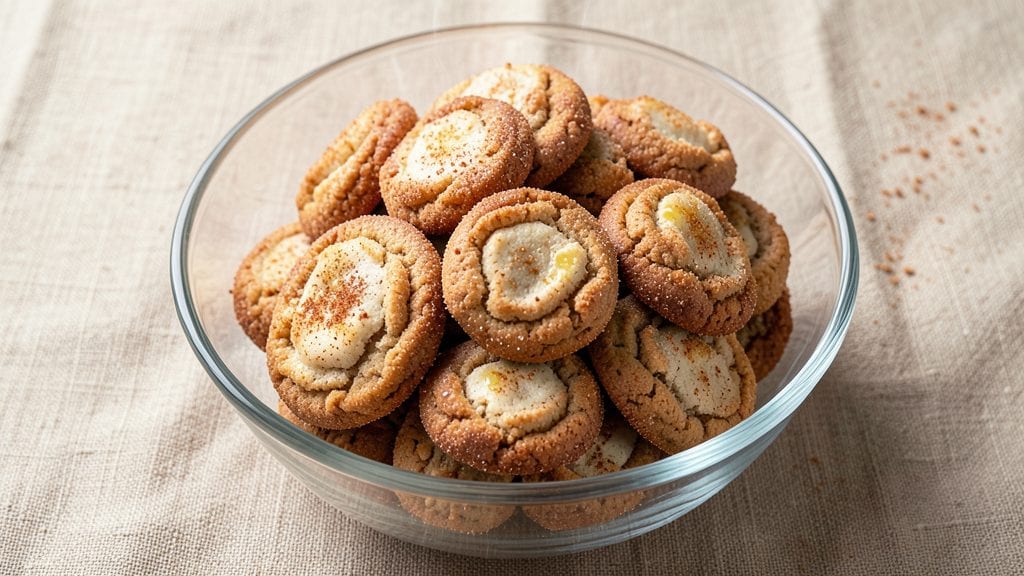
Making snickerdoodles without cream of tartar just got easier—these warm, cinnamon-sugar swirls deliver all the classic flavor with a simple lemon juice swap. Standing on a step stool in my grandmother’s kitchen in Sicily, I learned how citrus brightens dough, and that trick works wonders here too.
The dough stays soft, the edges get perfectly crisp, and every bite tastes like a cozy hug from the bakery.
Here’s the game-changer: lemon juice replaces cream of tartar, keeping the dough tender while adding that signature tang. You’ll need just five simple ingredients—flour, butter, sugar, eggs, and that lemon juice—and the whole process takes less than 30 minutes.
No fancy equipment, no stress, just warm, gooey snickerdoodles that disappear faster than you can say "second batch."
The magic happens when you roll each dough ball in cinnamon-sugar until it’s coated like a little cloud. Bake until the edges are golden and the centers still look slightly underdone—this is key for that melt-in-your-mouth texture.
The aroma alone will have everyone heading to the kitchen, and the first bite? Pure comfort in every chewy, cinnamon-kissed bite.
These are perfect for holiday gatherings, potlucks, or just because—no one will guess they’re made without cream of tartar. Serve warm with vanilla ice cream or coffee for the full experience. Let’s get baking!
Ingredients for snickerdoodles without cream of tartar
Five simple ingredients plus two for the magic cinnamon-sugar coating.
| Ingredient | Amount | Notes |
|---|---|---|
| All-Purpose Flour 🌾 | 3 cups | Sifted for light texture |
| Unsalted Butter 🧈 | ½ cup | Cold, cubed for dough |
| Granulated Sugar 🍚 | ½ cup | White or light brown |
| Large Eggs 🥚 | 1 whole | Room temperature preferred |
| Fresh Lemon Juice 🍋 | 1 tbsp | Brightens dough like tartar |
| Ground Cinnamon 🌿 | 1 tbsp | Warm and aromatic |
| Granulated Sugar 🍚 | ¼ cup | For cinnamon-sugar coating |
| Salt 🧂 | ½ tsp | Fine sea salt preferred |
| Baking Soda 🍞 | ½ tsp | For lift and tang |
The flour is your foundation—King Arthur or Gold Medal work perfectly, but any all-purpose will do. Butter matters here: cold cubes create flaky layers, but don't overwork the dough. I grab Land O'Lakes unsalted butter from the store, but any brand works if it's cold. The lemon juice? Fresh is key—bottled won't cut it. If you're using a lemon, roll it on the counter first to soften it up. And that baking soda? It's the secret to the tender crumb without cream of tartar.
No fresh lemon juice? White vinegar at half the amount works in a pinch, but you'll lose that citrus brightness. Short on cinnamon? Cinnamon extract at 1/4 tsp gets you close, but the texture won't be the same. For the coating, brown sugar instead of white adds moisture. The dough can be chilled for up to 24 hours if you're prepping ahead—just let it sit at room temp before rolling. And if you're baking for a crowd, double the batch—these disappear fast.
Dough keeps for 3 days in the fridge, wrapped tight. For longer storage, freeze portions on a tray, then transfer to a bag for up to 3 months. The coating stays crisp if you bake them straight from the fridge—they'll just need an extra minute. Warm them in a 200°F oven for 5 minutes to revive that bakery-fresh aroma. I always make a second batch—trust me, you will.
Why You'll Love This Recipe
- Pantry-Proof Magic: I swear by this version—no extra ingredients, no last-minute store runs. Just flour, butter, sugar, eggs, and a splash of lemon juice (which, honestly, makes the whole dough smell like a bakery exploded in the best way).
- Cinnamon-Sugar Bliss: That caramelized sugar crust? Chef’s kiss. The lemon juice keeps the dough tender while the cinnamon-sugar topping turns every bite into a warm, spiced hug—no weird tang, no bitterness, just pure comfort.
- Morning to Midnight: Breakfast pastries? Check. Coffee cake for a lazy Sunday? Done. Even my picky teen grabs these straight from the oven (yes, even on a Tuesday night). The dough’s forgiving, so I double it and freeze half—no stress, just flavor.
- Zero-Waste Wins: Leftover dough? Roll it, slice it, bake it again. Over-baked? Toss them in a jar for crunchy cookies later. And since it’s just basics, I’m not scrambling for obscure ingredients—I’m making magic with what I already have.
Step-by-step instructions for snickerdoodles without cream of tartar
Here's how to make perfectly soft, cinnamon-sugar snickerdoodles using just one bowl and no cream of tartar.
Mix Dry Ingredients in One Bowl
In a large mixing bowl, combine the 3 cups all-purpose flour, 0.5 teaspoon salt, and 0.5 teaspoon baking soda. Whisk these together until evenly distributed—you should see no flour streaks remaining. This step ensures your dough gets the right lift and texture without needing cream of tartar.
I like to use a whisk for this part because it aerates the flour slightly, which helps create a lighter cookie. If you're using a stand mixer, just use the paddle attachment on low speed for about 15 seconds. The goal is to blend everything thoroughly but not develop any gluten, which would make the cookies tough.
Cut in Cold Butter and Add Wet Ingredients
Add the 0.5 cup unsalted butter, cut into small cubes, to the dry ingredients. Using a pastry cutter or your fingers, work the butter into the flour until the mixture resembles coarse crumbs with pea-sized butter pieces remaining. This cold butter creates flaky layers in the final cookie.
Next, make a well in the center and add the 0.5 cup granulated sugar, 1 whole large egg, and 1 tablespoon fresh lemon juice. The lemon juice acts like a natural acidifier, replacing the cream of tartar by adding a subtle tang that balances the sweetness. Mix with a wooden spoon until just combined—don't overmix or your cookies will be dense.
Form and Chill the Dough
Turn the dough out onto a lightly floured surface and gently shape it into a disk about 1-inch thick. Wrap the dough in plastic wrap and refrigerate for at least 1 hour or up to 24 hours. This chilling step is crucial—it firms up the butter so the cookies hold their shape when baking and prevents excessive spreading.
While the dough chills, make your cinnamon-sugar coating by mixing 0.25 cup granulated sugar and 1 tablespoon ground cinnamon in a small bowl. The aroma of fresh cinnamon will fill your kitchen, and you'll know it's ready when the mixture smells warm and inviting.
Roll and Cut Dough for Perfect Cookies
Preheat your oven to 375°F and line two baking sheets with parchment paper. On a lightly floured surface, roll out the chilled dough to about ¼-inch thickness. Use a 2.5-inch round cookie cutter to cut out circles—this size gives you a nice, bite-sized cookie that's neither too small nor too large.
Place each cut-out on the prepared baking sheets, spacing them about 2 inches apart for even baking. Roll each cookie in the cinnamon-sugar mixture until fully coated. You'll want to work quickly here—these cookies bake fast and the cinnamon-sugar sticks best when fresh.
Bake to Golden Perfection
Bake the snickerdoodles for 9-11 minutes until the edges are golden brown and the centers look just slightly underdone. They'll continue cooking on the hot baking sheet after you remove them from the oven. The key is to pull them out when the edges are set but the tops still have a soft, pillowy look.
Let the cookies cool on the baking sheets for 5 minutes before transferring to a wire rack. This brief resting period helps them set properly so they don't fall apart when you move them. Serve warm with a glass of milk or coffee—you'll love how the cinnamon-sugar coating gives way to a perfectly soft, tender cookie with just the right amount of chew.
Pro Tips For Making Snickerdoodles Without Cream Of Tartar
- Whisk Eggs Cold: Pull that egg bowl out of the fridge right before cracking—cold eggs mix smoother and cut less butter. I used to use room-temp eggs, and the dough always fought me. Cold eggs behave better in this dough, especially when you’re replacing cream of tartar’s tenderizing magic.
- Measure Lemon Juice Precisely: Use a squeeze bottle or teaspoon to hit exactly 1 tablespoon of fresh lemon juice—no eyeballing. Too little and your snickerdoodles lack tang; too much and they’ll taste like a science experiment. My first batch with "just a splash" tasted flat, and I kicked myself.
- Chill Dough 30 Minutes: Skip the rush and let the dough rest in the fridge—no exceptions. The lemon juice needs time to mellow, and the butter won’t melt into a greasy mess when you roll. I learned this after my first batch turned out sticky and sad, even after baking.
- Roll Balls Lightly: Gently shape the dough into balls with your hands—no pressing or flattening. Overworking them makes the cookies spread too much. My grandmother’s trick: roll them just until smooth, then let them sit for 10 minutes before baking. They hold their shape like they’re supposed to.
Flavor customization for these flavors
Citrus Brightness Boost
Swap the lemon juice for orange juice (same amount) to add a subtle berry-like depth that pairs beautifully with cinnamon. I’ve tested this with fresh-squeezed Valencia oranges—it adds a lovely warmth that complements the spice.
For a tropical twist, mix ½ tbsp lemon juice with ½ tbsp lime juice—the tanginess becomes more complex, almost like a spiced shortbread with a zesty kick. 🍊
Spice Variations
For a Mexican-inspired twist, replace half the cinnamon with ½ tsp ground cumin and ¼ tsp cayenne pepper. The earthy cumin and gentle heat create a completely different flavor profile that still works with the cinnamon-sugar coating.
I’ve also tried adding ½ tsp cardamom to the coating—it’s floral and aromatic, like a Scandinavian-inspired snickerdoodle. Store-bought cinnamon too bland? Try Ceylon cinnamon for a sweeter, more delicate flavor.
Sweetness Adjustments
Reduce the granulated sugar in the dough by 2 tablespoons if you prefer a less sweet cookie, but keep the cinnamon-sugar coating the same. The contrast between the mild dough and the bold coating will still shine.
For a caramelized edge, sprinkle each cookie with a pinch of brown sugar before baking—it’ll melt into a glossy glaze. If you love crunch, press a few extra cinnamon sticks into the dough before rolling it out.
The sticks will stay partially intact, adding texture and aroma as they bake. 🌟
Flavor Layering
Add 1 tsp vanilla extract to the dough for a deeper, more complex flavor that pairs perfectly with the citrus. I also like to fold in ¼ cup chopped crystallized ginger or dried cherries into the dough before chilling—these little bursts of flavor surprise with every bite.
For a grown-up version, add 1 oz chopped dark chocolate (70% cocoa) to the cinnamon-sugar coating. The bitterness cuts through the sweetness beautifully, making these cookies feel like a dessert you’d serve at a dinner party. 🍫
Gluten-Free Adaptation
Replace the all-purpose flour with a 1:1 gluten-free baking flour blend (like Bob’s Red Mill or King Arthur) and add ½ tsp xanthan gum to the dry ingredients. The texture will be slightly denser, but the lemon juice still works as the acidifier.
For extra tenderness, reduce the butter by 1 tablespoon and replace it with 1 tablespoon applesauce. The cookies will hold their shape better and still deliver that melt-in-your-mouth quality. 🥄
Nutrition facts
Frequently asked questions
Why does lemon juice work instead of cream of tartar?
Lemon juice contains natural acids that mimic cream of tartar's role in tenderizing the dough and adding a subtle tang. The acid helps activate the baking soda, creating lift while keeping the cookies soft. My grandmother used to say citrus brightens everything—it works magic here too!
Can I make these cookies without a cookie cutter?
Roll the dough to ¼-inch thickness and use a glass or round bowl to cut circles. For irregular shapes, gently tear pieces and reshape them—just keep them uniform for even baking. The key is consistent thickness for perfect results every time.
What if my dough is too sticky?
Chill the dough longer—up to 2 hours if needed. If it's still sticky, sprinkle a little more flour (just 1 tablespoon) while rolling. Overworking the dough makes it tough, so handle gently. The lemon juice helps, but cold butter is your best friend here.
How do I store these cookies for freshness?
Keep them in an airtight container at room temperature for 3 days or freeze for 3 months. For extra crisp edges, store them on a wire rack in the freezer. Reheat at 300°F for 2-3 minutes to revive that bakery-fresh aroma.
Can I use bottled lemon juice instead of fresh?
Bottled juice works, but fresh is best for that bright, authentic flavor. If using bottled, look for 100% lemon juice with no added water or preservatives. The acidity matters more than freshness for this substitution.