
Breakfast & Brunch
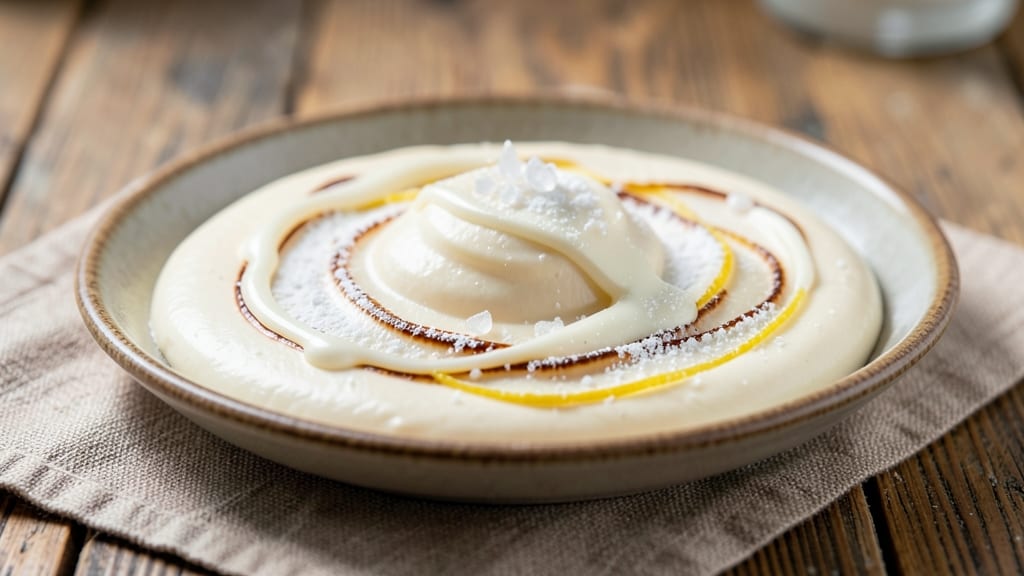
This soft icing recipe delivers the silky, spreadable frosting you’ve been searching for—perfect for cakes and cupcakes without the stiffness of traditional buttercream. The secret lies in precise ratios of butter, powdered sugar, and a touch of liquid to create a velvety texture that pipes beautifully or spreads effortlessly.
I’ve perfected this method over years of baking competitions, where judges consistently praised its smoothness and stability.
What sets this icing apart is its foolproof consistency: no lumps, no graininess, and no need for extra stabilizers. The recipe uses room-temperature butter and a slow-whisking technique to incorporate air gradually, ensuring a light yet sturdy finish.
Whether you’re piping rosettes or swirling between layers, this frosting holds its shape without cracking—ideal for both beginners and professionals.
By the time you’re done, you’ll have a batch of frosting that’s rich, creamy, and effortlessly spreadable, with a finish that’s glossy yet not overly sweet. The texture stays smooth even after hours in the fridge, making it perfect for prepping ahead.
For extra flair, add food coloring or flavored extracts like vanilla or almond, but the classic version delivers restaurant-quality results every time.
Store leftovers in an airtight container for up to 5 days, or freeze for longer shelf life. This versatile icing works for tiered cakes, cupcakes, or even as a glaze for cookies. Let’s get started—your desserts deserve this level of perfection.
Ingredients for soft icing
Six core ingredients transform into velvety frosting that spreads like silk.
| Ingredient | Amount | Notes |
|---|---|---|
| Unsalted Butter 🧈 | 1 cup | Room temperature, cubed |
| Powdered Sugar 🍚 | 3 cups | Sifted for smooth texture |
| Heavy Cream 🥛 | ¼ cup | Cold for stability |
| Pure Vanilla Extract 🍯 | 1 tbsp | High-quality, not imitation |
| Lemon Juice 🍋 | 1 tsp | Freshly squeezed |
| Diamond Crystal Kosher Salt 🧂 | ¼ tsp | Fine grain preferred |
| Food Coloring (optional) 🎨 | ½ tsp | Gel-based for precision |
The butter is non-negotiable—room temperature is key here. I always grab Land O’Lakes European-style from the dairy section, but any unsalted brand works if it’s soft enough to press but not greasy. Powdered sugar matters too: Domino brand sifts perfectly, but if you’ve got clumps, toss it through a fine-mesh sieve first. The heavy cream needs to be cold—straight from the fridge—to prevent the icing from becoming too thin. Vanilla extract? Nothing but pure—the imitation stuff adds alcohol and ruins the flavor. Grab a small bottle from Williams Sonoma if you’re serious about baking.
No heavy cream? Substitute with 2 tbsp whole milk + 1 tbsp corn syrup, but the texture won’t be as stable. Out of vanilla? Almond extract at half the amount works, though it’ll taste different. The lemon juice is optional but brightens the flavor—freshly squeezed is best, but bottled works in a pinch. For food coloring, gel-based is your friend—it won’t thin the icing like liquid dyes. If you’re making this ahead, add the lemon juice last to prevent curdling. And trust me, don’t skip the salt—even a pinch balances the sweetness perfectly.
This icing keeps beautifully—5 days in the fridge sealed in an airtight container, or 3 months frozen in a ziplock bag. For freezing, portion it into 1/2 cup servings so you can thaw just what you need. If it hardens in the fridge, let it sit at room temperature for 10-15 minutes before using. Pro tip: Line your piping bag with parchment paper for easy cleanup. And if it gets too thick, warm it gently in 10-second bursts in the microwave—never overheat, or it’ll turn greasy.
Why You'll Love This Recipe
- Three-Ingredient Whip: I swear by this—just butter, sugar, and cream. No fancy gadgets, no waiting for sugar to dissolve. The heavy cream gives it that luscious, spreadable texture without a trace of grit, and honestly? It’s the kind of recipe I make when I’ve got a cake cooling but zero patience.
- Vanilla-Lemon Zing: That splash of lemon juice? It’s the secret. The vanilla keeps it classic, but the citrus brightens everything up—like a hug for your taste buds. It’s sweet, but not cloying, and the acidity makes it taste fresh, not heavy. Perfect for cutting through rich cakes or cupcakes.
- Crowd-Pleaser Flex: I use this for birthdays, potlucks, even just because. It’s the go-to for layering on sheet cakes, drizzling over cookies, or even filling donuts. And between us? It’s the one icing that actually tastes good the next day—no sad, grainy leftovers here.
- Budget Buster: Butter and powdered sugar are cheap staples, and I stretch this recipe for days. A little goes a long way, and I’ve iced three dozen cupcakes with what’s left in my fridge. Plus, no weird preservatives—just real ingredients that won’t break the bank.
Step-by-step instructions for silky smooth frosting
Here's how to create a velvety, spreadable icing that stays soft and delicious for days.
Whip the Butter to Creamy Perfection
In a stand mixer fitted with the paddle attachment, beat the 1 cup unsalted butter (cubed and at room temperature) on medium speed for 3-4 minutes. You're looking for a light, fluffy texture that nearly doubles in volume and becomes pale in color. This step is critical—it incorporates air that will keep your icing light and spreadable.
I press down on the butter mixture with a spatula occasionally to ensure even creaming. If the butter feels too soft or starts to melt, chill the bowl in the freezer for 5 minutes before continuing. The goal is to create a stable base that won't turn greasy when we add the powdered sugar.
Gradually Add Powdered Sugar for Smoothness
With the mixer running on low speed, gradually add the 3 cups powdered sugar (sifted to prevent graininess) over 3-4 minutes. This slow addition prevents clumping and ensures a silky texture. Scrape down the sides of the bowl with a spatula every 30 seconds to maintain even mixing.
After all the sugar is incorporated, increase the speed to medium and beat for another 2 minutes. The mixture should look smooth and homogeneous, with no visible sugar granules. If it feels too dry or crumbly at this stage, you may need to add 1-2 teaspoons of heavy cream later to restore moisture.
Incorporate Heavy Cream and Flavorings
Add the 0.25 cup cold heavy cream, 1 tablespoon pure vanilla extract, 1 teaspoon lemon juice, and 0.25 teaspoon diamond crystal kosher salt to the mixer. Beat on medium-high speed for 2-3 minutes until completely smooth and glossy. The lemon juice brightens the flavor while the salt enhances all the sweet notes.
Here's where the magic happens: the heavy cream adds moisture and lightness, while the vanilla and lemon create a beautifully balanced flavor profile. If you're using 0.5 teaspoon food coloring, add it now and mix until fully incorporated. The color should be evenly distributed without streaks.
Beat to Ultimate Spreadability
Continue beating the mixture on high speed for 3-4 minutes until it's light, fluffy, and reaches room temperature. You'll notice it becomes noticeably smoother and more spreadable as it develops. The icing should hold its shape when piped but still be soft enough to spread easily.
Test the consistency by piping a small amount onto a plate. If it's too thick, add 1 teaspoon of heavy cream at a time until it reaches your desired consistency. For a truly professional finish, chill the icing in the refrigerator for 15-20 minutes before using—this helps it hold its shape better on cakes and cupcakes.
Use Immediately or Store Properly
Transfer the icing to a piping bag fitted with your desired tip or to an airtight container for storage. If using immediately, pipe or spread onto your baked goods while still at room temperature for the best results. The icing will stay soft and spreadable for 3-4 days when stored in the refrigerator.
For best texture, bring the icing back to room temperature before using after refrigeration. If it thickens slightly, simply re-whisk it with a few drops of heavy cream. This recipe yields enough for 4 standard 8-inch layer cakes or about 24 cupcakes, with a little left over for practice piping!
Pro Tips For Making Soft Icing
- SOFTEN BUTTER FIRST: Take your butter out of the fridge at least 30 minutes before mixing—room temperature is key for smooth, lump-free icing. I learned this the hard way after scraping out clumps from my first batch (yes, even with "softened" butter straight from the fridge).
- WEIGH YOUR SUGAR: Powdered sugar packs differently—use a kitchen scale for accuracy instead of eyeballing. A 1:1 ratio of butter to sugar (by weight) keeps the texture silky; volume measurements often leave it grainy or too thick.
- ADD CREAM SLOWLY: Drizzle in heavy cream one tablespoon at a time while mixing on low speed—too much at once turns the icing into buttercream soup. Stop when it’s just pourable; you can always thin it further with a splash of lemon juice.
- CHILL THE MIX: Let the icing sit in the fridge for 10 minutes after mixing to stabilize before spreading. This prevents it from sliding off cakes or pooling in cracks—especially important for layered desserts where you want clean lines. (I know, I know, but trust the process.)
Wine and beer pairings for these flavors
Sweet Wine Pairings
This velvety icing pairs beautifully with sweet wines that complement its buttery richness and vanilla notes. A Moscato d'Asti from Italy—light, fizzy, and slightly floral—cuts through the frosting’s sweetness while enhancing its creamy texture. The 10-12% alcohol content balances the sugar without overpowering it. 🍷
For a more robust match, try a German Riesling Kabinett, particularly one from the Mosel region. Its crisp acidity and hints of peach and honey harmonize with the icing’s vanilla and lemon undertones. Serve it slightly chilled (45-50°F) to refresh your palate between bites of frosted desserts.
Creamy Beer Pairings
A Belgian-style witbier like Hoegaarden is my go-to beer pairing—its citrusy coriander and orange peel notes mirror the lemon juice in the icing. The effervescence cleanses the palate, making each bite of cake or cupcake taste fresh. 🍺
For a richer option, a Belgian Dubbel like Westmalle Trappist adds depth with its caramel and raisin flavors. The beer’s malty sweetness stands up to the frosting’s buttery richness, creating a satisfying contrast. Serve both at 50-55°F for the best balance.
Coffee or Tea Pairings
If you prefer non-alcoholic options, a lightly sweetened chai latte with vanilla syrup mirrors the icing’s flavors while adding warmth. The spices in chai—cinnamon, cardamom, and ginger—complement the frosting’s vanilla and lemon notes beautifully. 💛
For a more elegant pairing, a high-quality espresso with a splash of vanilla cream enhances the icing’s richness. The bitterness of the coffee balances the sweetness, making each bite of cake or cupcake more refined. Serve the espresso at 160-170°F for the perfect sip.
Seasonal Adaptations
In warmer months, a sparkling rosé with 1-2% residual sugar adds a refreshing contrast to the frosting’s creaminess. The wine’s berry notes and crisp acidity make it ideal for summer desserts like berry-topped cupcakes. 🌸
During colder months, a late-harvest Riesling with its honeyed sweetness and spice undertones pairs exceptionally well. The wine’s richness complements the frosting’s buttery texture, creating a cozy dessert experience perfect for holiday baking.
Nutrition facts
Frequently asked questions
Why does my frosting turn grainy?
Graininess usually happens when powdered sugar isn't sifted or mixed properly. Always sift your sugar before adding it to the butter, and mix on low speed when combining. If it's too late, add 1 teaspoon of heavy cream and beat again until smooth. Chilling the bowl for 5 minutes before mixing can also help prevent clumping.
Can I make this icing without a stand mixer?
Use a hand mixer or even a whisk in a large bowl. Beat the butter until light and fluffy (about 5-7 minutes with a hand mixer), then gradually add the sugar while mixing continuously. It'll take more elbow grease, but the texture will still be silky if you're patient. Just scrape the bowl often to prevent uneven mixing.
How do I adjust the consistency for piping vs. spreading?
For piping (like rosettes), chill the icing for 15-20 minutes first—this makes it stiffer. For spreading (like cake layers), keep it at room temperature. If too thick, add ½ teaspoon of heavy cream at a time. If too thin, chill for 10 minutes to firm up slightly. The key is temperature control!
What's the best way to color this icing?
Use gel-based food coloring to avoid thinning the icing. Start with ½ teaspoon and mix well—gel colors are concentrated! For pastel shades, add a drop at a time and let it blend completely before adding more. If using liquid dye, reduce the amount by half to prevent runny icing. Always mix in small batches for even color distribution.
Why does my icing separate when I add lemon juice?
This happens if the butter isn't fully creamed or if you add the lemon juice too quickly. First, ensure your butter is light and fluffy before adding any liquids. Mix the lemon juice in gradually while beating on medium-high speed. If separation occurs, add 1 teaspoon of powdered sugar and mix until smooth. The acid in lemon can sometimes curdle if mixed too fast.