
Snacks
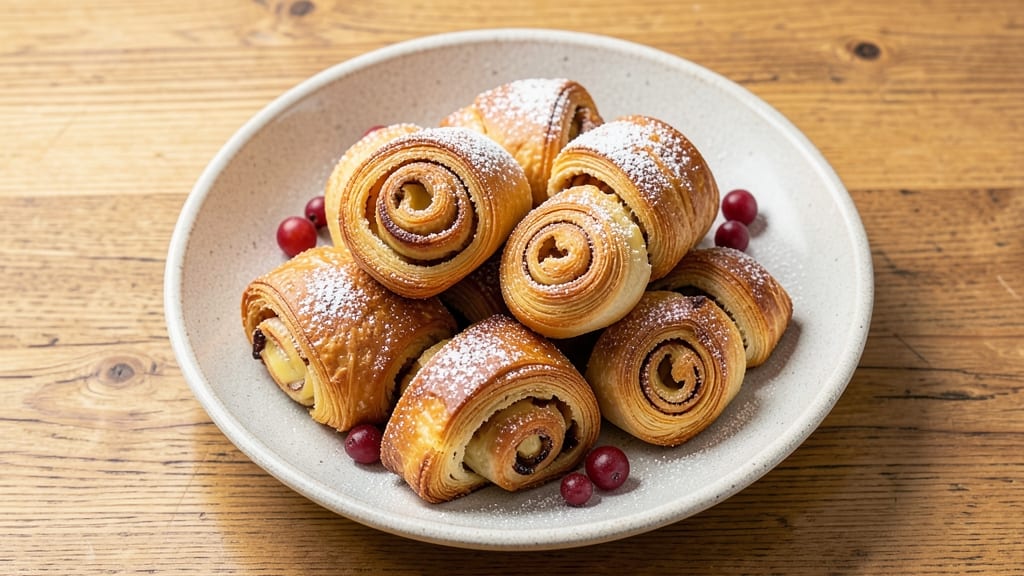
This sourdough crescent roll recipe promises to turn your mornings into something extraordinary with buttery layers and tangy fermented flavor. The key lies in balancing the natural sourness of sourdough with rich, flaky dough that separates into delicate sheets—each bite revealing crisp golden edges and a tender, airy center.
I perfected this recipe after years of experimenting with sourdough pastries, ensuring every roll delivers that restaurant-quality texture without requiring advanced baking skills.
This recipe begins with an active sourdough starter, which adds depth and complexity while keeping the process straightforward. The dough incorporates cold butter in thin layers, a technique that creates those signature flaky pockets when baked.
With just 45 minutes of active prep time (plus proofing), you'll have warm, golden rolls ready to serve—ideal for breakfast, sandwiches, or even as a side for holiday meals.
The result is a batch of flaky, golden-brown crescent rolls with a crisp exterior and a soft, pillowy interior. The sourdough starter contributes a subtle tang that pairs beautifully with sweet or savory fillings, while the buttery layers ensure each bite is rich and satisfying.
These rolls stay fresh for 2-3 days when stored properly, making them perfect for meal prep or sharing with guests.
Whether you're a seasoned baker or new to sourdough, this recipe delivers professional results with simple steps. The secret to success lies in proper proofing and gentle handling—no rolling pins or fancy tools required. Let’s get started on creating these irresistible rolls that will become a staple in your kitchen.
Ingredients for sourdough crescent roll
Twelve ingredients transform into restaurant-quality sourdough crescent rolls with signature flaky layers and tangy fermented flavor.
| Ingredient | Amount | Notes |
|---|---|---|
| Active Sourdough Starter 🍞 | ½ cup | 100% hydration, fed and bubbly |
| All-Purpose Flour 🌾 | 4 cups | Bread flour preferred for structure |
| Unsalted Butter 🧈 | 1 cup | Cold, cubed, European-style preferred |
| Granulated Sugar 🍚 | ¼ cup | Light brown sugar for deeper flavor |
| Large Eggs 🥚 | 1 whole | Room temperature for even mixing |
| Diamond Crystal Kosher Salt 🧂 | ¾ tsp | Fine grain for even distribution |
| Whole Milk 🥛 | ¼ cup | Warmed for better dough hydration |
| Cornmeal 🌽 | ¼ cup | For dusting work surface |
| Honey 🍯 | 1 tbsp | For final brushing |
| Garlic Powder 🧄 | ½ tsp | Enhances sourdough depth |
| Dried Yeast 🍞 | ¼ tsp | Optional for extra rise |
The sourdough starter is non-negotiable for authentic flavor. King Arthur or Bobs Red Mill organic flour yields the best texture, while Plugrá European-style butter delivers superior layering. For the starter, maintain a 1:1:1 ratio of flour, water, and starter—feed it 12 hours before use. If your starter isn't active enough, add an extra 0.25 tsp of dried yeast to jumpstart fermentation. The butter must remain cold throughout the process; Plugrá or Trader Joe's brands stay firm longer than generic options.
Substitutions require strategic adjustments. Bread flour can replace all-purpose for a slightly chewier texture, but reduce water by 1 tbsp. No European butter? Land O'Lakes or Kerrygold work well, though they may yield slightly less flaky layers. For a sweeter roll, replace half the sugar with maple syrup. The honey brushing can be skipped if preferred, but it adds that signature caramelized finish. If your kitchen is humid, reduce milk by 1 tbsp to prevent over-hydration of the dough.
Freshly shaped rolls keep 2-3 days at room temperature wrapped in a clean kitchen towel, or 5 days refrigerated in an airtight container. For longer storage, freeze unbaked rolls on a parchment-lined tray before transferring to a bag—3 months of optimal freshness. Reheat frozen rolls directly from the freezer at 350°F (175°C) for 12-15 minutes. The garlic powder can be omitted entirely if you prefer a milder flavor, but it complements the sourdough beautifully.
Why You'll Love This Recipe
- No-Knead Magic: The dough comes together in five minutes—just fold in your starter, shape, and let the butter do the work. I swear, I’ve made these while scrolling through my phone. The sourdough tang cuts through the sweetness like a perfect balance, and that buttery crescent swirl? Zero effort, all flavor.
- Tangy Sweet Crunch: The sugar caramelizes into a crispy shell while the inside stays pillowy—like a brioche-meets-sourdough hug. Honestly, the first time I bit into one still warm, I nearly dropped the whole batch. That’s how good it is.
- Weeknight Hero: Freeze half the batch and pull them out for breakfast or dinner—no thawing needed. Toss them in a skillet with jam for a lazy Sunday morning or serve alongside roasted chicken for a hands-off holiday side. They’re my go-to when I don’t want to think.
- Budget Stretch: Uses pantry staples (flour, butter, sugar) and turns a small starter into a crowd-pleaser. I’ve fed six people for under $5 with these—plus, the leftovers disappear faster than I can say “second helping.” Not the prettiest, but the taste makes up for it every time.
Step-by-step instructions for sourdough crescent rolls
Mastering these layered rolls combines fermented tang with buttery richness—follow this precise method.
Prepare the Sourdough Dough Foundation
In a large mixing bowl, combine the 0.5 cup active sourdough starter, 4 cups all-purpose flour, 0.25 cup granulated sugar, 0.75 tsp diamond crystal kosher salt, and 0.25 tsp dried yeast. The starter should be at its peak activity—bubbly and domed above the bowl's surface. Mix these dry ingredients with a wooden spoon until no dry spots remain, creating a shaggy dough.
Gradually add the 0.25 cup whole milk while stirring continuously. The dough will begin to pull away from the sides of the bowl as gluten develops. Once incorporated, turn the dough onto a lightly cornmeal-dusted surface and knead gently for 5-7 minutes until smooth and elastic. You're aiming for a windowpane-like texture when stretched thin—this ensures proper layering later. If the dough feels too sticky, add 1 tablespoon cornmeal at a time until it releases cleanly from your hands.
Incorporate the Butter Layers
Divide the dough into three equal portions and roll each into a 10-inch circle on a cornmeal-dusted surface. Place the 1 cup cold unsalted butter between the circles, creating a butter "sandwich". The butter should be firm enough to hold its shape but pliable enough to spread thinly—if it's too soft, chill the dough for 15 minutes before proceeding.
Using a rolling pin, gently roll each butter-dough layer into a 12x8-inch rectangle, keeping the butter centered. Fold the dough into thirds like a business letter, then rotate 90 degrees and repeat. This creates three layers of dough with butter between each. Wrap tightly in plastic wrap and refrigerate for 1 hour to firm up the butter and relax the gluten structure. This chilling step is critical—it prevents the butter from melting prematurely during baking and ensures those signature flaky layers.
Shape and Proof the Crescent Rolls
Remove the dough from the refrigerator and let it sit at room temperature for 10 minutes to soften slightly. On a cornmeal-dusted surface, roll the dough into a 14x10-inch rectangle. Using a sharp knife or pizza cutter, divide the dough into 12 equal rectangles (about 2x4 inches each). Cut each rectangle diagonally from one corner to the opposite corner, then roll each triangle tightly from the wide end toward the point, creating crescent shapes.
Place the crescent rolls on a parchment-lined baking sheet, seam-side down, with 1 inch between each roll. Cover loosely with a clean kitchen towel and let proof at room temperature for 1-1.5 hours until the rolls have nearly doubled in size and the seams have separated slightly. The edges should look slightly puffy but still maintain their shape—overproofing will cause them to collapse during baking. For enhanced flavor, brush the tops with a mixture of 1 tablespoon honey and 0.5 teaspoon garlic powder dissolved in 1 teaspoon warm water just before baking.
Bake to Golden Perfection
Preheat your oven to 375°F with a baking sheet on the middle rack. Bake the crescent rolls for 18-22 minutes until they are deep golden brown and the internal temperature reaches 190°F. The rolls should sound hollow when tapped on the bottom, indicating proper doneness. Rotate the baking sheet halfway through for even browning.
For maximum flakiness, I recommend brushing the warm rolls with melted unsalted butter immediately after removing them from the oven. The residual heat will create a glossy finish while enhancing the buttery flavor. Let the rolls cool on a wire rack for 5 minutes before serving—this prevents them from becoming soggy. The combination of the sourdough's tangy depth and the butter's richness creates a texture that's both crisp and tender, with layers that practically melt in your mouth.
Pro Tips For Making Sourdough Crescent Roll
- Chill the Dough Twice: I learned this the hard way—skipping the second overnight cold rest in the fridge makes the butter too soft when shaping, and those crescents won’t hold their shape. After mixing, divide the dough, flatten it into a rectangle, wrap tightly, and refrigerate for at least 12 hours before rolling. The butter stays firm, the layers stay crisp, and your rolls won’t collapse into sad blobs when you slice them.
- Use Cold Butter—Seriously: I was skeptical until I tried it: pull that unsalted butter straight from the fridge and cut it into small cubes before mixing. Cold butter creates cleaner, more defined layers when you roll it in later—no greasy mess, no spreading dough. If it’s too hard to handle, let it sit at room temp for just 10 minutes, but no longer, or you’ll regret it.
- Don’t Overwork the Dough: The second you see the dough start to pull away from the sides of the bowl and look smooth, stop kneading. Sourdough dough is delicate, and overmixing develops too much gluten, which turns your crescents into tough, chewy bricks. Two minutes past that point is two minutes too many—feel the texture, not the time.
- Roll the Butter Thin: This isn’t the prettiest method, but it’s the tastiest: after chilling, roll out the dough into a 12x18-inch rectangle, then layer the cold butter cubes evenly across the center third. Fold the dough over the butter like a letter, then roll it out again—thin. Aim for about ¼-inch thickness. Thicker butter layers mean soggy rolls; thin layers mean flaky, melt-in-your-mouth perfection. (Yes, even if you’re impatient like me.)
Perfect pairings for sourdough crescent roll
Sweet Fillings
These tangy rolls shine with sweet fillings like cinnamon cream cheese or berry compote. Spread 4 oz softened cream cheese mixed with 1 tbsp honey and ½ tsp cinnamon between layers before rolling.
For a fruity twist, use ½ cup warmed apricot jam or raspberry compote—simmer 1 cup frozen berries with 2 tbsp sugar and 1 tsp lemon juice until thickened. 🍯
Savory Options
For a breakfast sandwich, stuff with shredded cheddar and crispy bacon bits. I like to layer 2 tbsp sharp cheddar and 1 tbsp cooked bacon crumbles—preheat the filling for 5 minutes at 350°F to melt the cheese perfectly.
A garlic-herb cream cheese—mix 4 oz cream cheese with 1 tsp garlic powder and 1 tbsp chopped chives—adds herby depth to savory rolls.
Breakfast Pairings
Serve warm rolls with scrambled eggs—the tangy sourdough cuts through the richness beautifully. I like to cook 3 eggs with 1 tbsp butter and a pinch of salt, then fold in ¼ cup crumbled feta for extra flavor.
For a brunch spread, arrange rolls alongside maple-glazed bacon and fresh berries—the contrast of sweet, salty, and tangy makes every bite exciting. ☕
Holiday Adaptations
Transform these into festive cranberry-orange rolls by mixing ½ cup dried cranberries and 1 tbsp orange zest into the dough. For a holiday centerpiece, bake in a 9-inch cast-iron skillet to create a rustic, free-form loaf.
Stuff with spiced apple butter—simmer 1 cup applesauce with 1 tsp cinnamon and ½ tsp nutmeg—for a cozy Thanksgiving touch.
Drink Pairings
A spiced chai latte complements the rolls' buttery layers perfectly. Brew 1 chai tea bag in 1 cup hot milk, then add 1 tsp honey and a dash of cinnamon. For a non-coffee option, try sparkling apple cider—its effervescence cleanses the palate between bites.
A dark roast coffee with 1 shot espresso balances the sourdough's tang, making it ideal for breakfast or dessert.
Nutrition facts
Frequently asked questions
Why does my sourdough crescent roll dough turn out dense instead of flaky?
The most common cause is butter that's too warm during the lamination process. Keep your butter cold throughout the folding steps, and refrigerate the dough for 1 hour between folds to maintain structure. Overworking the dough or skipping the chilling step also prevents proper layer formation.
Can I make these rolls without a sourdough starter?
Yes! Replace the 0.5 cup sourdough starter with 0.25 cup warm milk and 0.25 tsp dried yeast for a standard crescent roll version. The flavor will be milder, but the flaky texture remains. For extra depth, add 1 tbsp apple cider vinegar to the dough to mimic some of the tang.
How do I know when my crescent rolls are fully proofed?
Look for rolls that have nearly doubled in size and show slight separation at the seams. Gently press one roll—if it springs back slowly (not immediately), it's ready. Overproofed rolls will collapse when baked. In cold kitchens, proofing may take 1.5-2 hours, while warm environments may require only 45-60 minutes.
What's the best way to reheat leftover sourdough crescent rolls?
For maximum flakiness, reheat at 350°F (175°C) for 8-10 minutes wrapped in foil. For a crispy exterior, try the broiler for 1-2 minutes on high. Avoid microwaving—they'll become gummy. Store rolls in an airtight container for up to 3 days or freeze unbaked rolls for 3 months.
Can I add fillings to these rolls?
For sweet options, try cinnamon cream cheese or berry compote between layers. For savory, stuff with shredded cheddar and bacon. Spread fillings on the 2x4-inch rectangles before rolling, then seal the edges tightly. Bake as directed—the filling will melt beautifully during baking.