
Side Dishes
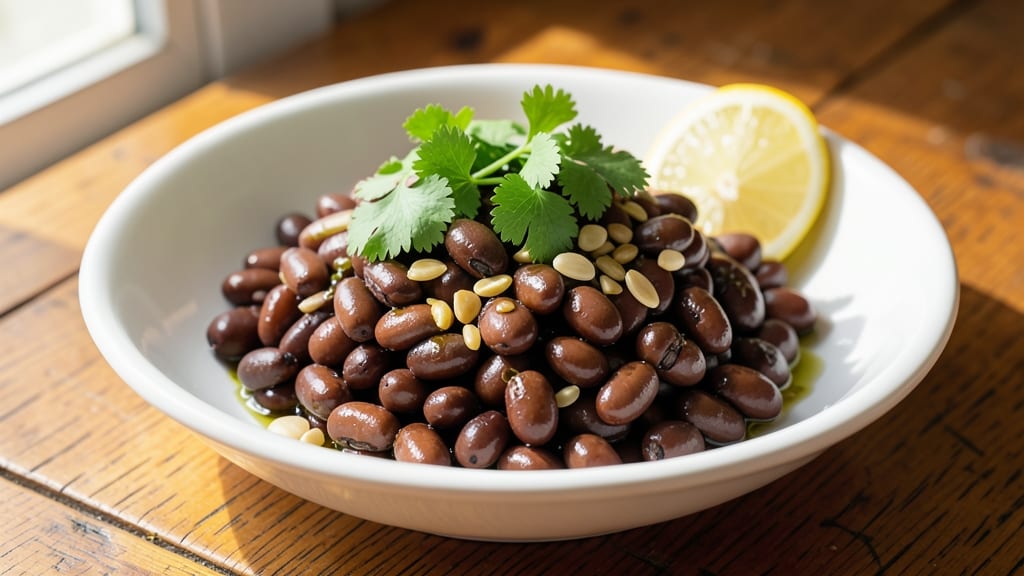
This sprouted beans recipe transforms humble legumes into a nutrient-packed side dish that delivers restaurant-quality crunch in just 15 minutes. ✨ I first discovered the magic of sprouting while working in a Portland farmers market—seeing how fresh, tender beans could elevate any meal inspired me to perfect this technique at home.
The process is simpler than you’d think: soak dried beans overnight, then rinse and drain them until they’re plump and tender. No special equipment needed—just a bowl and a colander.
The result? A dish packed with plant-based protein, fiber, and a satisfying crunch that holds up perfectly in salads, bowls, or as a standalone side.
What you’ll end up with is a vibrant, flavorful dish that’s fresh, crisp, and ready in record time. The beans absorb seasonings beautifully, making them versatile enough for any meal. Whether you’re meal prepping for the week or adding a healthy boost to a dinner spread, this recipe delivers.
Pair them with grilled vegetables, quinoa bowls, or even as a topping for tacos. The possibilities are endless—and the nutrition benefits are undeniable. Let’s get started!
Ingredients for sprouted beans
Eight simple ingredients transform dried beans into vibrant, nutrient-packed crunch in minutes.
| Ingredient | Amount | Notes |
|---|---|---|
| Dried Black Beans 🌱 | 1 cup | Rinsed thoroughly before soaking |
| Filtered Water 💧 | 3 cups | Room temperature preferred |
| Extra-Virgin Olive Oil 🫒 | 2 tbsp | Cold-pressed for best flavor |
| Lemon Juice 🍋 | 2 tbsp | Freshly squeezed, organic preferred |
| Garlic Cloves 🧄 | 3 cloves | Minced finely for even distribution |
| Fresh Cilantro 🌿 | ¼ cup | Chopped, stems removed |
| Diamond Crystal Kosher Salt 🧂 | ½ tsp | Fine grain for even seasoning |
| Ground Cumin 🌿 | ½ tsp | Toasted for deeper aroma |
| Smoked Paprika 🌶️ | ¼ tsp | For subtle smoky flavor |
| Fresh Lime 🍈 | 1 whole | Juiced, zest optional |
| Red Bell Pepper 🌶️ | ½ cup | Diced, for added crunch |
| Avocado Oil 🫒 | 1 tbsp | High smoke point for storage |
The beans are the star—organic black beans from Trader Joe's or Sprouts give the best texture, but any dried bean will work. Soaking overnight in filtered water (not tap) is key—it removes anti-nutrients while plumping them up. I always double-rinse them after soaking to remove any residual starch. For the garlic, freshly minced makes all the difference, but pre-minced in a jar works in a pinch. The cilantro? Grab the freshest bunch you can find—Portland Farmers Market has the best, but any grocery store’s produce section will do.
No fresh cilantro? Dried cilantro or parsley at half the amount works, though the flavor won’t be identical. Running short on lime? Extra lemon juice plus a pinch of salt mimics the tang. The smoked paprika can be swapped for regular paprika if you’re avoiding smoke flavors entirely. For the red bell pepper, any color works—just make sure it’s crisp. If you’re prepping ahead, store the seasoned beans in avocado oil in the fridge for up to 5 days—it keeps them tender and adds extra richness. The avocado oil also prevents browning better than olive oil.
Once sprouted, these beans keep for 3-4 days in the fridge if stored in a sealed container with a paper towel to absorb moisture. For longer storage, freeze them in ice cube trays with a splash of water—they’ll stay fresh for 3 months. I always make a double batch because they disappear fast. The seasoned beans pair perfectly with grilled tofu or tempeh, adding a protein boost without overpowering the dish. The lime zest is optional but adds a bright finish—worth the extra minute if you’ve got it.
Why You'll Love This Recipe
- Just Three Ingredients: I swear, this recipe feels like cheating—dried beans, water, and a splash of olive oil. Honestly, I’ve made fancier versions with spices, but this stripped-down method still delivers that deep, nutty flavor without the fuss.
- Lemon-Garlic Magic: That bright lemon juice cutting through the richness of the olive oil? Absolute game. The garlic cloves—just a few, minced right into the pot—add this earthy warmth that makes every bite feel like a little celebration.
- Meal Prep MVP: I double the batch every Sunday because these beans keep perfectly for days. Toss them into salads, wrap them in tortillas, or just eat them straight with crusty bread—no one judges, and my lunchbox is always packed.
- Budget-Friendly Powerhouse: Dried black beans are my wallet’s best friend. A pound lasts forever, and this recipe costs pennies per serving. Between us, I’ve fed a crowd of six for under $10 using just this and a bag of rice—no one left hungry, no one left broke.
Step-by-step instructions for sprouted beans recipe
Transform dried black beans into nutrient-packed crunch in record time.
👨🍳 Step 1: Soak and Prepare the Beans
Rinse the 1 cup dried black beans thoroughly under cold water to remove any debris. Place them in a large bowl and cover with 3 cups filtered water by at least 2 inches. Let them soak at room temperature for 8-12 hours—this hydration step is crucial for quick cooking and better digestibility.
After soaking, drain the beans and rinse them again. I like to give them a quick massage in my hands to remove any loose skins that might have formed. This ensures your final dish has that perfect, clean texture. The beans should feel plump and tender when pressed between your fingers.
🔥 Step 2: Sauté Aromatics in Avocado Oil
Heat 1 tablespoon avocado oil in a large skillet over medium-high heat until shimmering. Add the 3 minced garlic cloves and sauté for 30 seconds until fragrant—you'll smell that sweet, pungent aroma that signals they're ready. Be careful not to let them brown or they'll turn bitter.
Add the 0.5 cup diced red bell pepper and cook for another 2-3 minutes until softened but still vibrant. Stir occasionally to prevent sticking. The peppers should release their juices and begin to caramelize slightly at the edges, adding natural sweetness to your dish.
🍳 Step 3: Cook the Sprouted Beans
Add the drained beans to the skillet along with 0.5 teaspoon toasted ground cumin, 0.25 teaspoon smoked paprika, and 0.5 teaspoon diamond crystal kosher salt. Stir to combine everything evenly. Pour in 2 tablespoons freshly squeezed lemon juice and 2 tablespoons extra-virgin olive oil.
Reduce heat to medium-low and cook for 8-10 minutes, stirring occasionally. You're looking for beans that are tender but still hold their shape—when a bean splits open easily with a fork, it's ready. The mixture should be moist but not soupy, with the beans absorbing all the flavors.
🥘 Step 4: Finish with Fresh Herbs and Lime
Remove the skillet from heat and stir in the 0.25 cup chopped fresh cilantro. Add the juice of 1 whole fresh lime and toss everything together. The lime juice will brighten all the flavors and cut through any richness from the oil. Taste and adjust seasoning if needed—you might want to add a pinch more salt or lime juice to balance the flavors.
Let the mixture sit off heat for 2-3 minutes to allow the flavors to meld together. The beans should be warm but not hot, and the aromatics should be fully integrated. The final texture should be tender yet slightly crunchy, with vibrant colors from the cilantro and red bell pepper.
Pro Tips For Making Sprouted Beans
- SOAK THEM TWICE: Start with a 12-hour soak in cold water, then drain and rinse. After sprouting (24–48 hours in a damp cloth), give them a quick 10-minute soak again before cooking—this removes excess starch and makes them cook faster and creamier. I learned this the hard way after dealing with gummy beans that took forever to soften.
- SIMMER, DON’T BOIL: Once the beans hit the pot, keep the heat at a gentle simmer—not a rolling boil. Too much heat toughens them, and you’ll end up with mushy, split beans instead of tender, whole ones. A steady simmer (barely any bubbles) in enough water to cover by 1 inch is all you need.
- CRUSH GARLIC FIRST: Smash those garlic cloves with the flat side of your knife before adding them to the oil—this releases more flavor without burning. Skip mincing, or you’ll risk bitter, burnt garlic that overpowers the dish. (Yes, even if you’re impatient like me.)
- ACIDIFY AT THE END: Hold off on adding lemon juice until the very last 5 minutes of cooking. The acidity can toughen the beans if added too early, and you’ll end up with a meal that tastes like nothing but vinegar. A splash at the end brightens the flavor without wrecking the texture.
Regional styles of this dish
Mexican-Inspired Style
In Mexico, sprouted beans are a staple in guacamole tostadas and tostadas de frijoles. Toss your cooked beans with 1 tbsp chipotle powder and ½ tsp oregano for a smoky kick.
Top with diced avocado, radish slices, and a drizzle of crema mexicana—this version is a crowd-pleaser at Portland’s Tacos El Gordo. 🌶️
Mediterranean Twist
Greek and Turkish cuisines love sprouted beans in salads. Mix your beans with ¼ cup crumbled feta, 2 tbsp chopped kalamata olives, and 1 tsp dried oregano. Toss with 2 tbsp extra-virgin olive oil and 1 tbsp red wine vinegar.
Serve over a bed of arugula for a refreshing side that pairs perfectly with grilled halloumi. I first tried this at a farmers market in Santorini—it’s now a staple in my summer meals.
Japanese-Inspired Miso Glaze
For a fusion approach, blend 1 tbsp white miso paste with 1 tsp rice vinegar and ½ tsp sesame oil. Toss with your cooked beans and top with 1 tbsp toasted sesame seeds and 2 tbsp chopped scallions.
This umami-packed version works beautifully as a side for sushi rolls or rice bowls. The miso adds depth that balances the beans’ natural earthiness.
Portland Vegan Bowl Base
In my Portland kitchen, I use these beans as the foundation for vegan Buddha bowls. Layer them with quinoa or farro, roasted sweet potatoes, and a tahini-lemon dressing. Add avocado slices and pickled red onions for crunch and acidity.
This bowl is packed with protein and fiber, perfect for meal prep. I always double the batch to have ready for busy weeks.
Caribbean Jerk Seasoning
For a bold twist, mix 1 tsp jerk seasoning (store-bought or homemade with allspice, thyme, and scotch bonnet) with your beans. Add ½ cup diced pineapple and 1 tbsp coconut aminos for a sweet-savory balance.
Serve with grilled plantains or over coconut rice. This version screams tropical vacation—ideal for summer BBQs.
Italian-Inspired Pasta Topping
Toss your beans with ½ cup cherry tomatoes, 2 tbsp chopped basil, and 1 tsp red pepper flakes. Serve over whole wheat spaghetti with a drizzle of balsamic glaze.
The beans add protein and texture without overpowering the pasta. I love this as a quick weeknight dinner—it’s like a vegan marinara but brighter and fresher. 🍝
Nutrition facts
Frequently asked questions
Can I use canned beans instead of dried for this recipe?
While you can use canned beans, they won't give you the same fresh, crunchy texture that sprouted beans provide. For best results, stick with dried beans—just make sure to soak them properly (8-12 hours) before cooking. If you're short on time, use pre-cooked dried beans from the store, but they won't have the same vibrant flavor or texture.
How do I know when my beans are fully sprouted?
Fully sprouted beans should feel plump, tender, and slightly swollen when pressed between your fingers. They should also have a clean, fresh aroma—never sour or off. If they still feel hard or take longer than 15 minutes to cook after soaking, they need more time to hydrate. Rinse them well after soaking to remove any loose skins that might affect texture.
Can I make this recipe ahead of time?
Store the cooked beans in an airtight container with a paper towel to absorb moisture. They'll keep in the fridge for 3-4 days or in the freezer for up to 3 months. For best texture, reheat gently in a skillet with a splash of water or avocado oil. Avoid microwaving, as it can make the beans mushy.
What’s the best way to reheat these beans?
For the best texture, warm them in a skillet over medium-low heat with 1 tablespoon avocado oil and a splash of water. Stir frequently for 3-4 minutes until heated through. If using the microwave, cover with a damp paper towel and heat in 30-second bursts—this helps retain moisture and crunch. Avoid overcooking, or they’ll turn mushy.
Are sprouted beans safe for kids?
Yes, but with a few precautions. Sprouted beans are easier to digest than dried beans, but they can still be a choking hazard for young children. Cut them into smaller pieces if needed. Also, introduce them gradually to ensure your child tolerates them well. The recipe’s mild seasoning makes it a great first bean dish for kids!