
Sauces & Condiments
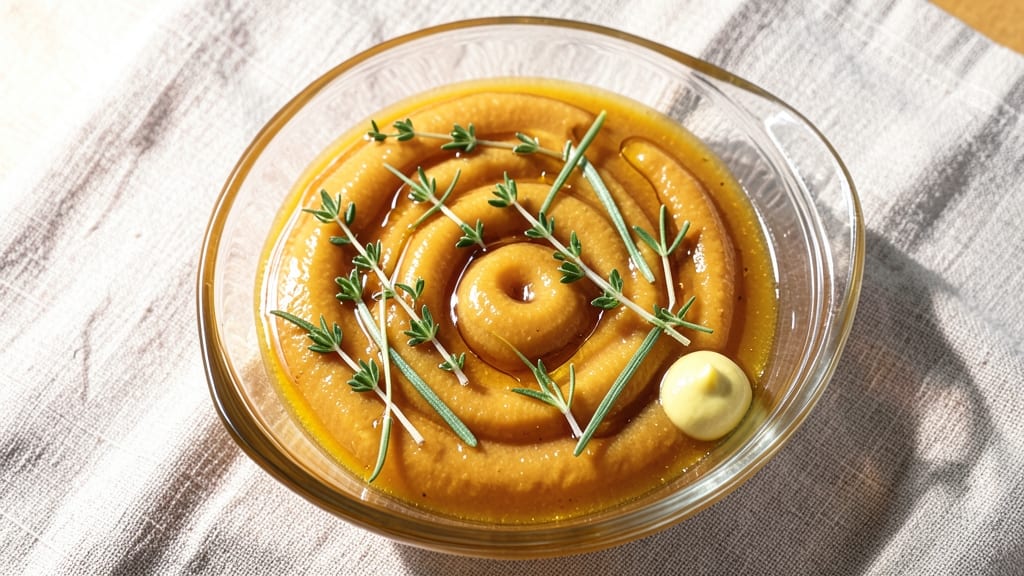
This sweet dressing recipe transforms ordinary salads into vibrant, flavor-packed meals with just five ingredients and five minutes of work.
The balance of honey and lemon creates a bright, naturally sweet vinaigrette that enhances greens, proteins, and even desserts—something I developed after years of searching for a dressing that could do it all. The secret lies in the emulsification technique, which ensures the dressing stays silky rather than separating.
The magic happens when you whisk together high-quality olive oil, honey, lemon juice, and fresh herbs like thyme or tarragon until perfectly combined. This dressing works equally well on summer salads, grilled chicken, or even drizzled over fresh fruit for dessert.
The honey adds a subtle sweetness that complements both savory and sweet applications, while the lemon keeps it fresh and tangy.
What you’ll end up with is a dressing that’s rich yet light, sweet yet balanced, and versatile enough to elevate any dish. It keeps well in the fridge for up to a week, making it perfect for meal prep.
Whether you’re dressing a hearty salad or adding a touch of sweetness to roasted vegetables, this recipe delivers professional results with minimal effort.
Pair it with grilled meats, fresh berries, or even as a glaze for roasted carrots—this dressing proves that sweet and savory can coexist beautifully. Let’s get started on creating something that will become your go-to pantry staple.
Ingredients for sweet dressing
Five ingredients, one perfect dressing that works on salads, meats, and even fruit.
| Ingredient | Amount | Notes |
|---|---|---|
| Extra-Virgin Olive Oil 🫒 | ¾ cup | High quality, fruity flavor preferred |
| Raw Honey 🍯 | ½ cup | Local or wildflower variety works best |
| Fresh Lemon Juice 🍋 | ¼ cup | From 1-2 large lemons, freshly squeezed |
| Fresh Thyme Leaves 🌿 | 2 tbsp | Stems removed, finely chopped |
| Fresh Tarragon Leaves 🌿 | 1 tbsp | Stems removed, finely chopped |
| Dijon Mustard 🍯 | 1 tsp | For emulsification and tang |
| Sea Salt 🧂 | ½ tsp | Fine grain preferred |
| Black Pepper 🌶️ | ¼ tsp | Freshly ground for best flavor |
The olive oil is where you won't want to cut corners. Trader Joe's or Whole Foods carry great options, but anything labeled 'extra-virgin' with a fruity aroma works. Honey? Local or wildflower adds depth—avoid the ultra-processed kind from the middle aisle. Fresh herbs are key here: thyme and tarragon give it that herbal brightness, but parsley or basil work in a pinch. The mustard is non-negotiable—it's what makes the dressing emulsify properly. I grab Maille when I'm feeling fancy, but the basic grocery store stuff is fine too.
No fresh herbs? Dried thyme at one-third the amount gets you close, but the flavor won't be as bright. Ran out of tarragon? Fresh basil or chives work surprisingly well. The honey can be swapped for maple syrup if you're avoiding it, though it'll be slightly heavier. For a tangier dressing, add an extra splash of lemon juice—up to 1 tbsp more. The mustard can be omitted if you dislike it, but the dressing might separate slightly. If that happens, just whisk it again before using. This dressing is so versatile you can adjust it to your taste—sweet, tangy, or somewhere in between.
This keeps beautifully in the fridge for up to 1 week, though I usually make a fresh batch every few days. Store it in a clean glass jar with a tight lid. If it separates, just give it a good shake before using—it'll come back together. For meal prep, I make double batches and portion into small containers. It's perfect for drizzling over grilled chicken, fresh berries, or even as a glaze for roasted vegetables. The dressing actually tastes better the next day as the flavors meld together.
Why You'll Love This Recipe
- Five-Ingredient Magic: I swear by this combo—just oil, honey, lemon, and two herbs. No measuring cups, no stress, just a quick whisk while you wait for the pasta to boil.
- Bright & Balanced: That honey cuts through the sharpness of lemon like a dream, while tarragon and thyme add a herbal lift. It’s sweet but never cloying—honestly, it’s the kind of dressing that makes you reach for seconds.
- Dresses Everything: Slather it on grilled chicken, drizzle it over roasted veggies, or toss it with greens. I’ve even used it as a marinade for shrimp—works every time, no matter the occasion.
- Lasts All Week: Make a big batch and store it in the fridge. The flavors actually deepens over time, so you’re left with a jar of golden goodness for salads, dipping, or finishing dishes. (Yes, even on a Tuesday night.)
Step-by-step instructions for honey-lemon vinaigrette with herbal freshness
This dressing comes together in minutes with just a whisk and a few simple ingredients.
Whisk Together the Base Ingredients
In a medium bowl, combine the 0.5 cup raw honey and 0.25 cup fresh lemon juice. Stir until the honey is fully incorporated and the mixture is smooth. This step is crucial because the honey needs to dissolve completely into the lemon juice to create a balanced foundation for your dressing.
Next, add the 1 teaspoon Dijon mustard and whisk vigorously for about 30 seconds. The mustard acts as an emulsifier, helping to bind the oil and liquid components later. You'll notice the mixture thicken slightly as you whisk—this is exactly what you want. If you're using a whisk with a handle, hold it firmly and use steady, circular motions to create a smooth emulsion.
Add the Herbs and Seasonings
To the honey-lemon-mustard mixture, add the 2 tablespoons finely chopped fresh thyme leaves and 1 tablespoon finely chopped fresh tarragon leaves. Stir gently with a spoon to distribute the herbs evenly. The tarragon and thyme bring a bright, aromatic freshness that pairs perfectly with the sweet and tangy base.
Now sprinkle in the 0.5 teaspoon sea salt and 0.25 teaspoon black pepper. Taste the mixture at this point—it should be noticeably sweet, tangy, and herby, with a hint of saltiness. If you want to adjust the flavor balance, add a pinch more salt or a splash of lemon juice, but keep in mind the dressing will mellow slightly once the oil is added.
Slowly Incorporate the Olive Oil
With the bowl resting on a stable surface, slowly drizzle in the 0.75 cup extra-virgin olive oil while whisking continuously. Start with a thin stream and gradually increase the flow as the mixture begins to emulsify. The key here is patience—adding the oil too quickly can cause the dressing to break and separate.
Whisk vigorously for about 1-2 minutes until the dressing becomes thick and creamy. You'll know it's properly emulsified when it coats the back of a spoon smoothly without separating. If you notice any oil pooling on top, whisk a bit more to fully incorporate it. The dressing should have a glossy, velvety appearance with a balanced sweet, tangy, and herby flavor profile.
Taste and Adjust the Flavor
Give the dressing a final taste and adjust the seasoning if needed. If it's too sweet, add a little more lemon juice or a pinch of salt. If it's too tangy, add a touch more honey. The goal is to achieve a harmonious balance where the sweetness of the honey, the acidity of the lemon, and the herbal notes all come together beautifully.
Once you're satisfied with the flavor, transfer the dressing to a clean, airtight jar or container. Store it in the refrigerator for up to 1 week. Before using, give it a good shake to re-emulsify if necessary. This dressing is perfect for drizzling over salads, roasted vegetables, grilled meats, or even as a glaze for seafood.
Pro Tips For Making Sweet Dressing
- Whisk in Stages: Start by emulsifying the olive oil and honey with a quick pulse of the whisk—this prevents the honey from clumping like it did the first time I dumped everything in at once. Then slowly drizzle in the lemon juice while whisking vigorously; if the dressing breaks, add a splash of warm water to coax it back together.
- Bruise the Herbs: Lightly crush the thyme and tarragon leaves between your palms before adding them to the dressing—this releases their oils and aroma without turning the mixture bitter. I used to just drop them in whole, and the flavor was half as strong.
- Warm the Honey: If your honey is thick and sluggish (like mine is in winter), gently warm it in a small bowl over barely simmering water for 10 seconds—just enough to loosen it. Cold honey mixes unevenly and leaves streaks in the dressing, no matter how much you whisk.
- Strain for Smoothness: Pour the finished dressing through a fine-mesh sieve lined with cheesecloth to catch any herb bits or stray lemon pulp. Skipping this step means you’ll get a mouthful of texture instead of a silky finish—worth the 30-second effort.
Pro cooking tips for great sweet dressing
Emulsification Secrets
The key to a silky dressing lies in proper emulsification. Start by whisking the honey and lemon juice until completely dissolved—this creates a stable base. The Dijon mustard is non-negotiable; its proteins act as natural emulsifiers that bind the oil.
I recommend using a whisk with a handle for better control, adding oil in a slow, steady stream while whisking continuously. If the dressing separates, simply whisk again—it’ll come back together. 💫
Oil Quality Matters
Never cut corners on olive oil—extra-virgin with a fruity aroma makes all the difference. I prefer Trader Joe’s or Whole Foods brands for their consistent quality. Cold-pressed oils work best as heat can degrade flavor.
When measuring, use a liquid measuring cup for accuracy—oil should be room temperature for proper emulsification. A splash of warm water can help if the oil feels too thick.
Herb Freshness Tips
Fresh herbs elevate this dressing, but proper prep is crucial. Remove stems completely and chop leaves finely with a sharp chef’s knife. For thyme, I strip leaves from stems with my fingers—it releases more flavor.
If using dried herbs, reduce to ⅓ the amount (e.g., ⅔ tbsp dried thyme instead of 2 tbsp fresh). Store fresh herbs in the fridge wrapped in a damp paper towel to maintain freshness for up to 5 days.
Flavor Balancing
Taste as you go! After adding herbs and salt, the dressing should be noticeably sweet, tangy, and herby. Adjust with extra lemon juice (up to 1 tbsp) if too sweet, or more honey (in ½ tbsp increments) if too tart.
The mustard adds depth—skip it only if you dislike its tang. For a smoky twist, add ½ tsp smoked paprika at the end. Always taste before emulsifying the oil to avoid overcorrecting.
Storage Hacks
This dressing keeps beautifully in the fridge for up to 1 week in an airtight glass jar. If it separates, shake vigorously before using—the emulsion will reform. For meal prep, divide into small containers (like 4-oz mason jars) to use as needed.
Freeze for up to 3 months—thaw in the fridge overnight, then whisk to re-emulsify. The flavor actually improves over time as ingredients meld together. 🧊
Equipment Upgrades
While a whisk works fine, a hand mixer or immersion blender speeds up emulsification. For large batches, I use a food processor—pulse the base ingredients first, then slowly drizzle oil while processing.
A fine-mesh sieve helps strain out herb stems for a smoother texture. Invest in a glass measuring cup for precise oil measurements—plastic can absorb flavors over time.
Nutrition facts
Frequently asked questions
Can I use maple syrup instead of honey in this sweet dressing?
Yes, you can substitute maple syrup for honey in a 1:1 ratio. The dressing will have a slightly heavier texture and richer flavor, but it works beautifully. For a lighter version, reduce the maple syrup to ⅓ cup and add 2 tablespoons of water to maintain the consistency.
Why did my dressing separate after making it?
Separation usually happens when oil is added too quickly or the mixture isn't whisked enough. The Dijon mustard is key—it acts as an emulsifier. To fix it, whisk vigorously for 1-2 minutes or use a hand mixer. For future batches, add oil in a slow, steady stream while whisking continuously.
What are the best ways to use this sweet dressing beyond salads?
This versatile dressing shines on grilled chicken, roasted vegetables, or even as a glaze for seafood. Try drizzling it over fresh berries for dessert, or use it as a marinade for pork tenderloin. It also pairs wonderfully with goat cheese, adding a sweet-tangy contrast to creamy dishes.
How do I make this dressing thicker or thinner?
For a thicker dressing, reduce the olive oil by 1-2 tablespoons or add ½ teaspoon of cornstarch mixed with water. To thin it out, add 1-2 tablespoons of water or extra lemon juice. Always adjust gradually to avoid altering the flavor balance.
Can I make this dressing without Dijon mustard?
Technically yes, but the dressing may separate more easily. If you omit it, whisk the oil in very slowly or use 1 teaspoon of ground flaxseed mixed with 3 tablespoons of water as a natural emulsifier. The texture won't be as silky, but it'll still taste delicious.