
Main Courses
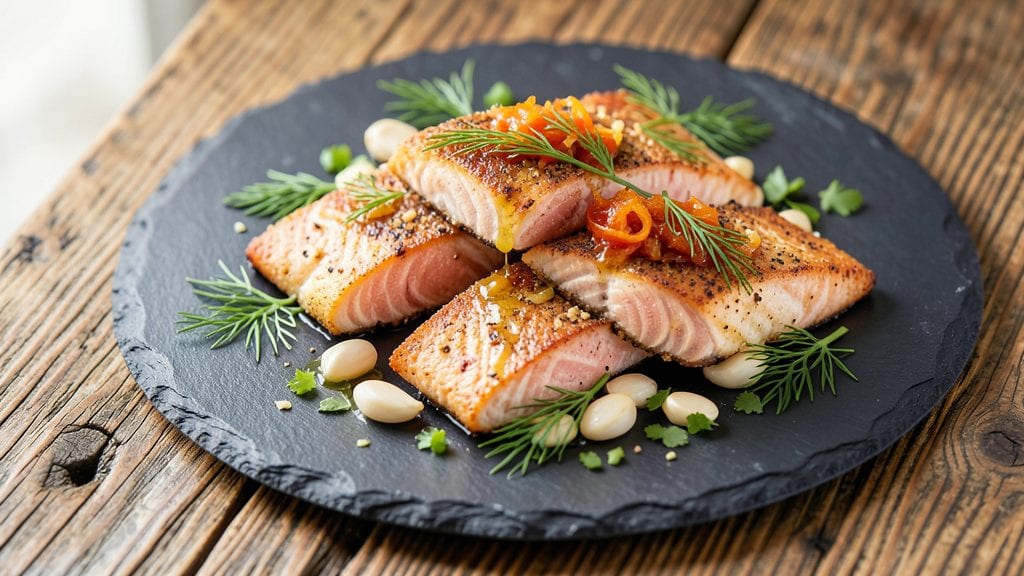
This tasty baked salmon recipe delivers restaurant-quality results with a crispy exterior and melt-in-your-mouth flakiness—no fancy techniques required. The secret lies in a bright lemon-garlic marinade that infuses the fish while keeping it tender, paired with a high-heat bake that creates that coveted crisp.
After years of perfecting this method, I can confidently say this is the easiest way to achieve salmon that impresses every time.
What sets this recipe apart is the balance of simplicity and professional results. You’ll need just five key ingredients—salmon fillets, olive oil, lemon, garlic, and fresh herbs—to create a dish that’s elegant enough for dinner parties but quick enough for weeknights.
The marinade works its magic in 15 minutes, while the actual baking takes only 12-15 minutes at 400°F, ensuring the salmon stays moist and flavorful without overcooking.
By the time you pull this dish from the oven, you’ll have perfectly crisp edges and a center that flakes apart with the slightest touch. The aroma of lemon and garlic will fill your kitchen, and the golden-brown skin will make it look as good as it tastes.
This recipe isn’t just about flavor—it’s about transforming a simple piece of fish into a showstopper that pairs beautifully with roasted asparagus, quinoa, or a fresh arugula salad.
Whether you’re feeding a family or treating yourself to a special meal, this baked salmon delivers consistent, foolproof results. The method scales effortlessly, and leftovers reheat beautifully—just a quick warm in the oven to restore that crispy texture.
Let’s get started on a dish that’s as satisfying to make as it is to eat.
Ingredients for tasty baked salmon
Five bright ingredients transform simple salmon into restaurant-worthy perfection.
| Ingredient | Amount | Notes |
|---|---|---|
| Salmon Fillets 🐟 | 4 whole | Skin-on, center-cut preferred |
| Extra-Virgin Olive Oil 🫒 | 2 tbsp | High-quality, fruity variety |
| Fresh Lemon Juice 🍋 | ¼ cup | From 2 medium lemons |
| Garlic Cloves 🧄 | 4 cloves | Minced, fresh preferred |
| Fresh Dill 🌿 | ¼ cup | Chopped, stems removed |
| Fresh Parsley 🌿 | ⅛ cup | Chopped, for garnish |
| Salt 🧂 | 1 tsp | Kosher or sea salt |
| Black Pepper 🌶️ | ½ tsp | Freshly ground preferred |
| Almond Flour 🥜 | 2 tbsp | For crispy coating |
| Lemon Zest 🍋 | 1 tbsp | From 1 lemon, for brightness |
The salmon makes all the difference here. Center-cut fillets with skin stay together better during baking, and the skin crisps up beautifully. Trader Joe's or Whole Foods usually carry the best quality—look for fillets with vibrant pink color and minimal bruising. If you can't find skin-on, just pat the fillets dry with paper towels before seasoning. The lemon juice needs to be fresh—bottled stuff lacks the same zing. I always grab a few extra lemons just in case. For the herbs, farmers markets have the freshest dill and parsley, but grocery store bunches work too if they're not wilted.
No almond flour? Crushed cornflakes or panko work in a pinch for that crispy texture. Short on dill? Fresh thyme or basil at half the amount keeps things bright. The olive oil matters—cheap oil tastes like soap. If you've got avocado oilGarlic powder at half the amount gets you close, but fresh is always better. And if you're feeling fancy, add a pinch of smoked paprika to the marinade for extra depth.
Salmon stays fresh for 2 days in the fridge if you're not using it right away. Wrap the fillets tightly in plastic wrap and store them on the bottom shelf. The marinade ingredients keep well too—lemon juice lasts 3 days in the fridge, and herbs stay fresh for 5 days if you wrap them in damp paper towels. The almond flour? Store it in an airtight container and it'll last 6 months. This recipe reheats beautifully—just warm it in the oven for 3-4 minutes at 350°F to restore that crispy texture.
Why You'll Love This Recipe
- Five-Ingredient Magic: I swear by this combo—just salmon, olive oil, lemon, garlic, and dill. That’s it. No fancy marinades or last-minute grocery runs. The bright acidity of the lemon and the earthy garlic cut through the richness of the salmon, while the dill adds a freshness that makes it taste like a restaurant dish.
- Crispy-Edge Perfection: Between us, this isn’t your soggy baked salmon. The olive oil and lemon juice create that golden, slightly crispy skin while keeping the inside tender. Honestly, it’s the kind of texture that makes you pause mid-bite—worth the 10 extra minutes in the oven.
- Weeknight to Weekend: I make this for Tuesday dinners and Sunday brunches. Same recipe, different vibes. Serve it with roasted potatoes for a hearty meal, or toss it in a salad for a light lunch. Even my picky husband doesn’t complain—(yes, even on a Tuesday night).
- Leftovers That Don’t Suck: Most baked salmon recipes leave you with dry, sad fish the next day. Not this one. The lemon and olive oil keep it moist, so I often bake extra for lunches. Pro tip: Reheat gently with a splash of water in the pan—it tastes like it just came out of the oven.
Step-by-step instructions for lemon-garlic crisp with flaky perfection
Here's how to bake salmon that stays perfectly flaky inside while getting that irresistible crispy coating.
Prep the Salmon for Maximum Flakiness
Pat each of the 4 whole salmon fillets completely dry with paper towels—this is crucial for that crispy coating. I like to press firmly all over, even under the skin, to remove any moisture that would prevent the almond flour from sticking. Place them skin-side down on a clean work surface.
Using a sharp knife, make shallow cuts about ½-inch apart across the top of each fillet. Don't cut all the way through—just score the surface. This creates little pockets where the lemon-garlic mixture can nestle, infusing every bite with flavor while helping the salmon stay moist during baking. Keep the fillets uncovered while you prep the other ingredients.
Create the Flavorful Coating
In a small bowl, combine the 2 tablespoons extra-virgin olive oil, 0.25 cup fresh lemon juice, 4 minced garlic cloves, 1 tablespoon lemon zest, 1 teaspoon salt, and 0.5 teaspoon black pepper. Mix well until everything is fully incorporated. The lemon zest should be finely grated—you want tiny, almost invisible pieces that won't overpower the dish.
In another small bowl, mix the 2 tablespoons almond flour with the 0.25 cup chopped fresh dill. The almond flour will give you that perfect crispy texture while the dill adds bright, herby flavor. Sprinkle the parsley over the top—we'll use this mainly for garnish at the end, but it adds a nice visual pop when we're done.
Coat and Rest the Salmon
Place each salmon fillet skin-side down on a parchment-lined baking sheet. Using your fingers, gently press the lemon-garlic mixture all over the top of each fillet, making sure to get it into those shallow cuts you made earlier. Then sprinkle the almond flour-dill mixture evenly over the top, pressing it lightly so it sticks.
Let the salmon rest for 10 minutes at room temperature while you preheat your oven to 400°F. This resting time allows the flavors to penetrate slightly and ensures even cooking. While waiting, I like to give the salmon another light sprinkle of black pepper—it really makes the flavor pop when it's done.
Bake to Perfect Doneness
Place the baking sheet in the preheated oven and bake for 12-15 minutes, depending on the thickness of your fillets. You'll know they're done when the almond flour coating turns golden brown and the internal temperature reaches 145°F in the thickest part of the fish. The skin should be crispy and the flesh should flake easily with a fork.
Here's the thing—don't overbake. Salmon continues cooking even after you remove it from the oven, so it's better to pull it out when it's just slightly underdone than to let it dry out. If you're unsure, check after 12 minutes. The almond flour will keep it moist while giving that perfect crunch.
Garnish and Serve Immediately
Remove the salmon from the oven and let it rest for 2-3 minutes on the baking sheet. This short rest helps the juices redistribute, keeping every bite moist. While it rests, sprinkle the chopped fresh parsley over the top and give it a gentle toss to distribute it evenly.
Serve immediately with lemon wedges on the side—this lets everyone add more brightness if they like. The salmon should be golden brown on top with that crispy almond flour crust, flaky inside, and bursting with lemon-garlic flavor in every bite. Pair it with some steamed vegetables or a fresh salad to round out the meal.
Pro Tips For Making Tasty Baked Salmon
- Pat the Salmon Dry: Wet skin sticks to pans and steams instead of browning. Grab a clean kitchen towel and press firmly—really press—over each fillet before oiling. I used to skip this, and my salmon would come out sad and pale instead of golden and crisp.
- Use Room-Temp Garlic: Cold garlic cloves in olive oil release less flavor and can make your dish taste dull. Mince or crush them 10 minutes before baking so they soften and bloom properly. Yes, even if you’re impatient like me—this makes a real difference.
- Don’t Overcrowd the Pan: Salmon needs space to breathe and cook evenly. If your pan is crowded, the fillets will steam instead of develop that perfect crust. Cook in batches if needed—your future self will thank you for the even doneness.
- Finish with Lemon Zest: Squeezing lemon juice is great, but the zest adds bright, aromatic depth. Sprinkle it over the salmon in the last 2 minutes of baking—it won’t burn and will give that restaurant-quality finish. I was skeptical until I tried it.
Serving suggestions for tasty baked salmon
Lemon Brightness
Serve your baked salmon with zesty lemon wedges on the side—this lets guests squeeze fresh juice over their portions for that extra pop of brightness. I always include a small bowl of wedges on the table because the acidity cuts through the richness of the salmon beautifully.
For presentation, arrange the wedges in a small ceramic dish or on a wooden cutting board to complement the dish's natural tones. 🍋
Herb Garnish
Before serving, sprinkle the salmon with chopped fresh parsley or dill for a vibrant finish. The herbs add a fresh, green contrast to the golden-brown crust, making the dish visually appealing. I like to use a microplane to finely chop the herbs and distribute them evenly with a small spoon.
For an extra touch, add a few lemon zest strips along the side of the plate.
Classic Side Pairings
Steamed asparagus with a drizzle of balsamic glaze is my go-to side—it balances the richness of the salmon while adding a touch of elegance. Alternatively, roasted Brussels sprouts with crispy pancetta bring a smoky, savory contrast. For a lighter option, a mixed greens salad with avocado slices and toasted almonds keeps the meal fresh and refreshing.
Warm Bread Options
Serve with crusty sourdough bread or garlic focaccia to soak up any extra lemon-garlic sauce. I love toasting a few slices and rubbing them with garlic butter before serving. For a gluten-free option, rosemary-infused flatbread works beautifully and pairs perfectly with the salmon’s crispy texture. 🥖
Wine and Beverage Pairings
A crisp Sauvignon Blanc from New Zealand or a Pinot Grigio from Italy complements the lemon and garlic flavors beautifully. For beer lovers, a Belgian witbier or a light lager like Peroni cleanses the palate without overpowering the dish.
If you prefer non-alcoholic options, sparkling water with lemon or iced hibiscus tea adds a refreshing contrast.
Presentation Tips
Plate the salmon on a white or neutral ceramic plate to highlight its golden crust. Use a small offset spatula to carefully transfer the fillets to avoid breaking them. Arrange lemon slices in a fan shape around the plate, and scatter chopped herbs artfully for a restaurant-worthy finish.
A drizzle of olive oil along the edge of the plate adds a final touch of sophistication.
Nutrition facts
Frequently asked questions
Can I use frozen salmon for this recipe?
Yes, but thaw it properly first! Place frozen salmon in the fridge for 24 hours or use the quick thaw method in cold water (keep it sealed in its packaging). Never microwave-thaw—it creates uneven cooking. Pat completely dry before seasoning to ensure that crispy almond flour crust.
What's the best way to check if salmon is fully cooked?
Use a meat thermometer to check the thickest part—it should read 145°F. If you don't have one, look for opaque flesh that flakes easily with a fork and crispy golden edges. The almond flour coating will turn golden brown when done. Never rely on color alone—some salmon stays pink even when fully cooked.
Can I make this recipe without almond flour?
Swap it for crushed cornflakes or panko breadcrumbs for a similar crispy texture. For extra flavor, add a pinch of smoked paprika or garlic powder to the breadcrumbs. Just be sure to press it lightly onto the salmon so it sticks during baking.
How do I prevent the salmon from drying out?
Keep baking time precise (12-15 minutes max) and avoid overcrowding the pan. The almond flour helps retain moisture while creating crispiness. For thicker fillets, reduce oven temp to 375°F and bake for 18-20 minutes. Always let the salmon rest 2-3 minutes after baking to redistribute juices.
What are the best sides to serve with this baked salmon?
Pair it with bright, fresh sides like lemon-roasted asparagus, quinoa pilaf, or a mixed greens salad with citrus vinaigrette. For heartier meals, try garlic mashed potatoes or roasted Brussels sprouts. The acidity in these sides complements the salmon's richness perfectly.