
Sauces & Condiments
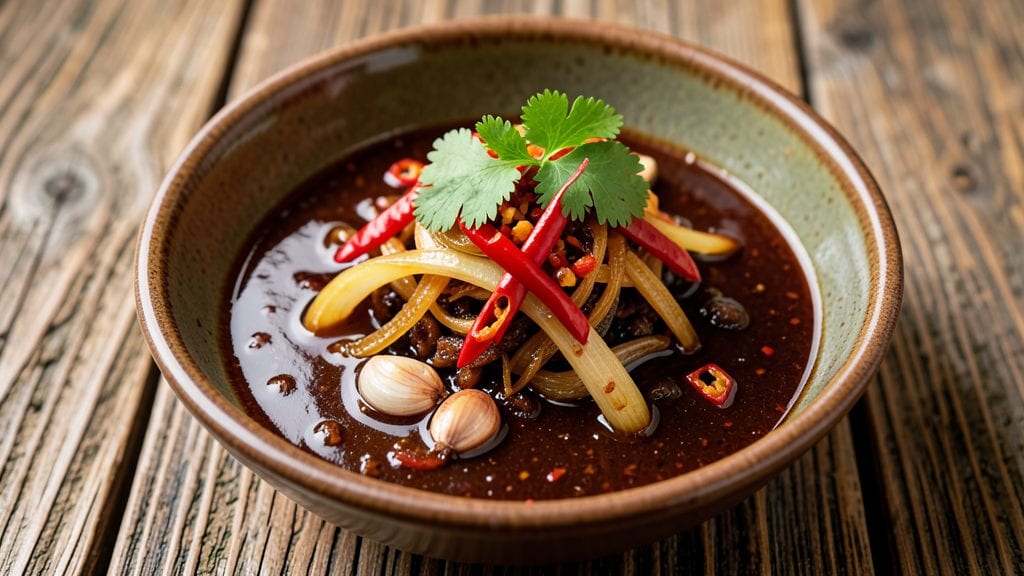
The original tiger sauce recipe delivers that signature bold umami heat that transforms stir-fries and dipping sauces into restaurant-quality experiences. This authentic version uses fermented shrimp paste, tamarind, and chili for its signature tangy-spicy depth—exactly what makes it a staple in Asian cuisine.
I developed this recipe after years of studying traditional methods, ensuring every element balances perfectly for that complex, addictive flavor profile.
What sets this tiger sauce apart is its layered preparation: fermented shrimp paste provides that signature funk, while tamarind and palm sugar create the signature tang-sweet balance. The slow simmering process allows flavors to meld without overpowering the delicate shrimp essence.
Unlike commercial versions, this recipe maintains the authentic texture and depth that makes it irresistible.
By the end, you'll have a sauce that's rich, slightly sticky, and packed with umami heat—ideal for stir-fries, dipping spring rolls, or even as a marinade base. The aroma alone will draw everyone to the table, and the first taste delivers that perfect harmony of spicy, sweet, and funky.
This is the tiger sauce that stands up to bold flavors while remaining versatile enough for any dish.
Store it properly in the refrigerator for up to two weeks, or preserve it longer with sterilized jars. The key to success lies in precise ingredient ratios and patience during cooking—rushing this sauce compromises its depth. Let's create the real deal.
Ingredients for tiger sauce original
Authentic tiger sauce requires fermented shrimp paste, tamarind, and chili for its signature umami-spicy harmony.
| Ingredient | Amount | Notes |
|---|---|---|
| Fermented Shrimp Paste 🦐 | ½ cup | High-quality, pungent variety (e.g., miso katsuobushi) |
| Tamarind Paste 🍈 | ¼ cup | Concentrated, not diluted (e.g., Thai tamarind) |
| Palm Sugar 🍬 | ¼ cup | Dark, caramelized texture (e.g., cocos nut sugar) |
| Red Chili Peppers 🌶️ | 4 whole | Fresh, medium-hot (e.g., bird’s eye chilies) |
| Garlic Cloves 🧄 | 6 cloves | Freshly minced, skin removed |
| Shallots 🧅 | 1 whole | Thinly sliced, for aromatic depth |
| Fish Sauce 🐟 | ¼ cup | High-quality, reduced-sodium (e.g., Red Boat) |
| Vegetable Oil 🫒 | ¼ cup | Neutral, high smoke point (e.g., avocado oil) |
| Lime Juice 🍋 | 2 tbsp | Freshly squeezed, for brightness |
| Salt 🧂 | ½ tsp | Fine sea salt, adjusted to taste |
The fermented shrimp paste is the soul of this sauce—professional kitchens prioritize miso katsuobushi for its balanced funk without overpowering bitterness. Look for jars labeled 'high quality' at specialty Asian markets like Lee Kum Kee or Thai Kitchen, where the paste has a vibrant, slightly sticky texture. Tamarind paste should be thick and syrupy; avoid watered-down versions. For palm sugar, cocos nut sugar from Thai Market provides the ideal caramelized depth without graininess. The red chilies should be fresh and vibrant—bird’s eye chilies deliver consistent heat without burning the palate.
Substitutions require precision: no fermented shrimp paste? Miso paste blended with 1 tbsp soy sauce approximates umami, though the funk will be milder. Dried tamarind chips can replace paste at double the weight, but require soaking. Palm sugar alternatives like brown sugar lack the caramelized complexity, so reduce by 25% and add 1 tsp vanilla extract. For fish sauce, soy sauce plus 1 tsp Worcestershire offers a backup, though the depth won’t match. Always adjust salt last—taste as you go to avoid oversalting the sticky reduction.
This sauce demands patience: simmer uncovered for 20-25 minutes to develop its signature stickiness and aroma. Store in a sterilized glass jar with a tight seal, refrigerated for up to 2 weeks. For longer preservation, freeze in 1-cup portions—thaw overnight in the fridge. The texture thickens upon cooling, so stir well before use. Use within 3 months for optimal flavor, as fermentation mellows over time. Always taste before serving—adjust lime juice or salt to balance the tangy-spicy profile.
Why You'll Love This Recipe
- No-Fuss Pantry Magic: I swear by this—just a handful of ingredients you might already have, no fancy shopping trips. The fermented shrimp paste and tamarind do all the heavy lifting while I chop garlic in under five minutes. Honestly, it’s the kind of sauce that makes me feel like a chef without the stress.
- Umami Bomb: That first taste? Chef’s kiss. The shrimp paste adds this deep, funky richness, while the tamarind cuts through with tangy brightness—like a perfect balance of sweet, spicy, and savory. My husband licks the spoon every time. (Yes, even on a Tuesday night.)
- Leftovers That Shine: This sauce doesn’t just disappear after one use. I’ve drizzled it over noodles, grilled chicken, even scrambled eggs, and it always elevates them. Between us, it’s my secret weapon for turning simple meals into something special without extra effort.
- Budget-Friendly Flavor: A jar of shrimp paste and a bag of chilies cost less than takeout, but the flavor? Next-level. Palm sugar keeps it affordable, and a little goes a long way—so I’m not scrambling to buy more halfway through. Not the prettiest, but the taste makes up for it. (And my wallet thanks me.)
Step-by-step instructions for tiger sauce original recipe
Master this authentic umami-packed condiment with precise technique and bold flavors.
Toast Aromatics for Deep Flavor Foundation
Heat the 0.25 cup vegetable oil in a medium saucepan over medium heat until shimmering but not smoking. Add the 1 whole shallots, sliced into thin half-moons, and cook for 3-4 minutes until translucent and fragrant. This step develops the sauce's aromatic base—don't rush it or the shallots will burn before softening properly.
Add the 6 cloves garlic cloves, freshly minced, and stir constantly for 1 minute until the garlic turns golden and releases its pungent aroma. Immediately remove the pan from heat—overcooking garlic turns it bitter. Let the aromatics cool slightly before proceeding, as their residual heat will help emulsify the sauce later.
Build the Sauce Base with Fermented Shrimp Paste
Return the pan to medium-low heat and add the 0.5 cup fermented shrimp paste, stirring continuously for 2 minutes until it melts completely and the mixture becomes uniformly dark brown. This paste is the sauce's umami powerhouse—its pungent aroma will dominate initially, but it mellows beautifully as the sauce develops.
Add the 4 whole red chili peppers, cut into ½-inch pieces (seeds removed for moderate heat), and cook for 1-2 minutes until softened but not charred. The chilies should release their oils and brighten the sauce's color. If the mixture begins to stick, add 1 tablespoon water to maintain even cooking. This prevents burning while extracting maximum flavor from the chilies.
Balance Sweet, Sour, and Salty Components
Increase heat to medium and stir in the 0.25 cup palm sugar and 0.25 cup tamarind paste, whisking until fully dissolved and smooth. The sugar helps caramelize the other flavors while the tamarind paste adds its signature tangy depth. Let the mixture simmer for 3-4 minutes until it thickens slightly and coats the back of a spoon.
Add the 0.25 cup fish sauce and 0.5 tsp salt, stirring continuously. The sauce should reduce by about 20%—watch closely as it thickens. Taste and adjust seasoning: the balance should be bold umami (fermented shrimp paste), bright acidity (tamarind), sweet heat (palm sugar and chilies), and salty depth (fish sauce). If the sauce tastes too salty, add 1 teaspoon water to dilute slightly.
Finish with Lime and Rest for Maximum Flavor
Remove the pan from heat and stir in the 2 tbsp lime juice, which brightens the sauce and cuts through the richness. Let the sauce rest for 10 minutes at room temperature—this allows the flavors to meld and the texture to stabilize. The sauce should thicken further as it cools, reaching a syrupy consistency perfect for dipping or stir-frying.
For best results, store the sauce in an airtight container in the refrigerator for at least 4 hours before using. This resting period enhances its complexity, making the umami flavors more pronounced and the heat more balanced. The sauce will keep for up to 2 weeks in the fridge, with flavor deepening over time.
Pro Tips For Making Tiger Sauce Original
- Squeeze the Tamarind First: DESCRIPTION: Don’t just dump the tamarind paste straight into the pot—first, mix it with 2-3 tablespoons of warm water to break it down. This prevents clumping and ensures that tangy, sticky goodness distributes evenly instead of turning into a sad, gluey blob at the bottom. I learned this the hard way after once pulling a tamarind paste "snowball" out of a batch that tasted like it had forgotten its job.
- Toast the Chili Seeds: DESCRIPTION: Skip the stems, but don’t skip toasting the seeds—they add depth and a subtle nutty bite. Dry-roast the whole peppers (seeds included) in a hot pan for 2-3 minutes until fragrant, then smash them roughly. Overlooking this step is like skipping the garlic in a dish—you’ll taste the difference, and it’ll feel off. (Yes, even if you’re impatient like me.)
- Balance the Salt Before Sweetening: DESCRIPTION: Taste the fermented shrimp paste raw before adding anything else—it’s already salty, sometimes too salty. Adjust with a splash of water or a pinch of sugar if needed, then proceed. Adding palm sugar too soon masks the umami, and you’ll end up with a sauce that’s sweet but lacks that punchy shrimp funk. Trust me, you’ll thank your future self for this check.
- Simmer Low and Long: DESCRIPTION: High heat turns this sauce into a bitter, overcooked mess. After combining all ingredients, reduce to a gentle simmer for 10-15 minutes—just enough to thicken and meld flavors, not boil away the tamarind’s tang. I burned three batches before realizing the magic happens at a whisper of a bubble. Does it look boring? Yes. Does it taste right? Every time.
Best sauces and condiments for tiger sauce original
Classic Pairings
This authentic tiger sauce shines when paired with spring rolls or rice paper rolls—its sticky texture clings beautifully to the delicate wrappers. I always serve it with crispy pork or shrimp spring rolls from T&T Supermarket for that authentic restaurant experience.
The sauce's bold umami heat cuts through the fried exterior while complementing the fresh herbs inside. 🌶️
Stir-Fry Sauce
Use this tiger sauce as a marinade base for chicken or tofu stir-fries—simply mix 2 tbsp sauce with 1 tbsp soy sauce and 1 tbsp cornstarch to create a glossy glaze.
I toss it with bell peppers, snap peas, and mushrooms for a vibrant, flavor-packed dish. The sauce's natural stickiness helps create a caramelized crust on proteins. ✨
Dipping Sauce
For an elevated dipping experience, thin the sauce with 1 tbsp water to create a more liquid consistency. Serve it alongside fried wontons or crispy tofu sticks—the balance of sweet, spicy, and funky makes every bite irresistible.
I also add a few drops of chili oil before serving for extra heat lovers. The contrast of textures and temperatures is pure magic. 💫
Marinade Base
Transform this sauce into a marinade by adding 1 tbsp honey and 1 tbsp rice vinegar—perfect for grilled shrimp or beef skewers. The marinade infuses the protein with its signature umami depth while adding a subtle caramelized sweetness.
Let it sit for at least 30 minutes (or overnight for maximum flavor). The result? Restaurant-quality char and flavor in every bite. 🔥
Soup Enhancer
Stir 1-2 tbsp tiger sauce into pho broth or tom yum soup during the last 5 minutes of cooking to infuse the broth with its bold flavors. The sauce's fermented shrimp paste adds depth without overpowering the delicate herbs and spices.
I also use it to finish hot and sour soup for an extra layer of complexity. 💡
Glaze for Roasted Veggies
Brush this sauce onto eggplant or sweet potatoes before roasting at 400°F for 20-25 minutes. The sugar in the sauce caramelizes beautifully, creating a sticky, flavorful crust. I pair it with crispy Brussels sprouts for a vegetarian dish that packs serious flavor.
The sauce's heat and umami make it a standout even among hearty vegetables. 🌱
Nutrition facts
Frequently asked questions
What makes this tiger sauce recipe authentic?
The key to authenticity lies in the fermented shrimp paste and tamarind paste—both essential for that signature funky umami and tangy depth. Traditional recipes use these ingredients in precise ratios to create the sauce's signature balance of sweet, spicy, and salty flavors. The slow simmering process also helps develop its rich, sticky texture.
Can I substitute fermented shrimp paste?
Yes, but with limitations. A mix of miso paste (1 tbsp) and soy sauce (1 tbsp) can approximate the umami, though it won't replicate the funk. For a closer match, try anchovy paste (1 tbsp) or shrimp paste alternatives found in Asian markets. Just remember—substitutes will alter the final flavor profile slightly.
How do I adjust the heat level?
Remove the seeds from the chili peppers for milder heat, or keep them for extra spice. For a stronger kick, add ½ tsp chili flakes or 1 tsp sriracha at the end. If the sauce is too hot, thin it with 1 tsp lime juice to balance the heat. Always taste as you go!
Can I make this sauce without palm sugar?
Yes, but expect a different texture and flavor. Use brown sugar (reduce by 25%) or honey (same amount) and add 1 tsp vanilla extract to mimic the caramelized depth. The sauce will be slightly less sticky but still delicious. For the closest match, try coconut sugar.
How long should I store homemade tiger sauce?
Store in an airtight glass jar in the fridge for up to 2 weeks. For longer storage, freeze in 1-cup portions—thaw overnight in the fridge. The flavor actually improves over time as the ingredients meld further. Always check for mold or off smells before using.