
Soups & Stews
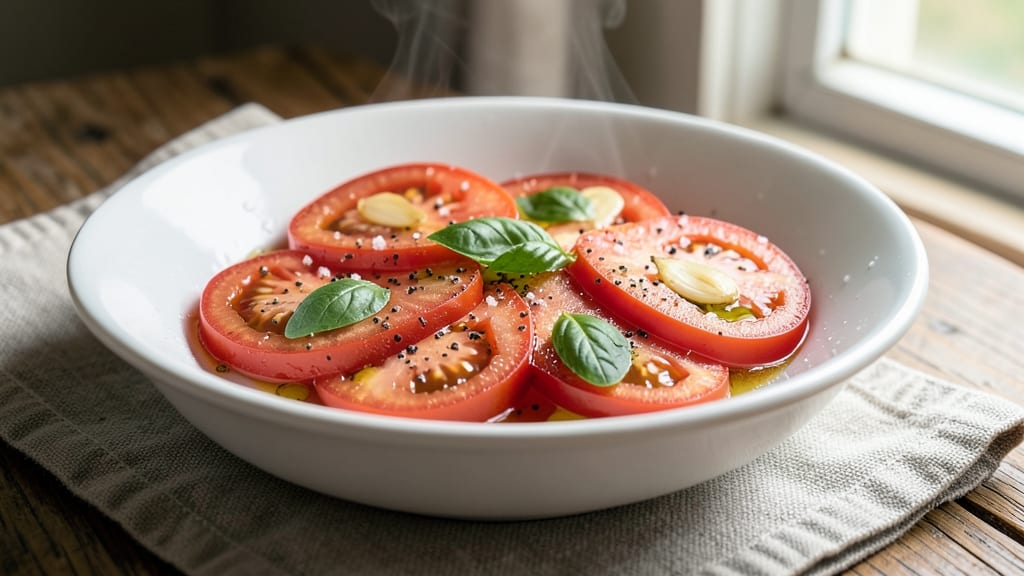
Mastering tomato concasse recipe transforms ordinary dishes into restaurant-quality creations with its velvety texture and concentrated tomato flavor. This hand-chopped technique removes skins and seeds, leaving finely diced tomatoes that blend seamlessly into sauces, soups, or garnishes.
I developed this method after struggling with watery tomato bases—this approach guarantees a rich, uniform texture every time.
The core process involves blanching tomatoes to loosen skins, then carefully peeling, seeding, and dicing them into uniform pieces. A food processor speeds up the work, but hand-chopping delivers the most precise control over texture.
For extra depth, I recommend finishing with fresh basil, garlic, and a drizzle of high-quality olive oil—simple additions that elevate the flavor profile dramatically.
What sets this tomato concasse apart is its versatility—it works as a base for marinara, a garnish for bruschetta, or even a bright topping for salads. The key lies in the preparation: properly blanched tomatoes yield tender, flavorful pieces that won’t turn mushy in cooking.
This technique is the secret weapon behind many professional kitchens, and now it’s yours to master.
Ready in just 15 minutes, this method requires minimal ingredients but delivers maximum impact. Whether you’re prepping for a weeknight dinner or a special occasion, tomato concasse adds a touch of refined freshness that store-bought alternatives simply can’t match. Let’s get started on perfecting your sauce foundation.
Ingredients for tomato concasse
Eight essential ingredients transform simple tomatoes into restaurant-quality concasse for sauces and soups.
| Ingredient | Amount | Notes |
|---|---|---|
| Ripe Roma Tomatoes 🍅 | 2 lb | Medium-firm, not overripe |
| Extra-Virgin Olive Oil 🫒 | ¼ cup | High-quality, fruity variety |
| Fresh Basil Leaves 🌿 | ¼ cup | Packed, stems removed |
| Garlic Cloves 🧄 | 4 cloves | Peeled, finely minced |
| Diamond Crystal Kosher Salt 🧂 | ½ tsp | Fine grain preferred |
| Freshly Ground Black Pepper 🌶️ | ¼ tsp | Coarsely cracked |
| Red Wine Vinegar 🍷 | 1 tbsp | Dry, aged variety |
| Granulated Sugar 🍬 | ½ tsp | For balancing acidity |
The tomatoes are the foundation—Roma tomatoes are ideal for their meaty texture and low water content, but any firm variety works. Heirloom or vine-ripened from local markets deliver superior flavor, though grocery store Roma tomatoes are perfectly adequate. For blanching, a large pot and ice bath are essential; I prefer a deep pot to accommodate the tomatoes without crowding. The blanching water should be boiling vigorously to ensure even skin loosening. If using organic tomatoes, no need to peel beforehand—the skins are edible and add subtle earthiness.
Substitutions should maintain texture and acidity balance. San Marzano canned tomatoes can replace fresh at half the quantity, though they lack the hand-chopped freshness. For the olive oil, aromatic varieties like Kalamata add complexity, while mild oils work for neutral applications. Fresh basil is non-negotiable for authentic flavor, but dried basil at one-quarter the amount suffices in a pinch. The vinegar can be swapped for lemon juice at equal measure, though red wine vinegar's depth is preferred. When dicing, aim for 1/4-inch pieces—this size ensures proper texture without turning to mush during cooking.
Concasse keeps best when stored in an airtight container with a thin layer of olive oil on top, preventing browning and preserving freshness for 5-7 days in the refrigerator. For longer storage, portion into ice cube trays, freeze, then transfer to a bag—perfect for 3 months of flavor retention. When reheating, do so gently on low heat to maintain texture. This preparation method transforms ordinary tomatoes into a versatile sauce component that elevates everything from pasta to bruschetta.
Why You'll Love This Recipe
- No-Chop Nightmare: I swear, the only knife work is slicing garlic—no dicing, no peeling, no fuss. Just halve those Roma tomatoes, toss them in a hot pan, and let the olive oil work its magic while you sip your wine.
- Garlic-Basil Magic: That first bite of sun-ripened tomato with the garlic sizzling and fresh basil melting into the oil? It’s like summer in a skillet—bright, herby, and impossible to resist.
- Pantry-to-Table Hero: Use it as a quick pasta sauce, dollop it on grilled cheese, or pile it high on crusty bread. It’s my lazy Sunday brunch staple, but honestly? I keep it in the fridge for any day.
- Budget-Friendly Luxury: Roma tomatoes are cheap, olive oil lasts forever, and a handful of basil stretches across multiple meals. It’s the kind of dish that feels fancy without breaking the bank—or your weekly grocery run.
Step-by-step instructions for tomato concasse
This method transforms simple ingredients into a vibrant, hand-chopped tomato base perfect for elevating any dish.
Blanch and Peel the Tomatoes
Cut the 2 lb ripe Roma tomatoes in half crosswise, leaving the stems intact. Place them cut-side down in a large pot of boiling water for exactly 30 seconds. This brief immersion softens the skins enough to slip off effortlessly while preserving the tomatoes' natural sweetness.
Immediately transfer the tomatoes to an ice bath to halt cooking. The temperature shock prevents overcooking and makes the skins contract further. After 1 minute, use a paring knife to gently slip off the skins, starting at the stem end where the skin naturally separates. Discard the skins and pat the tomatoes dry with paper towels to remove excess moisture.
Hand-Chop the Tomatoes
Working over a large bowl, hold each tomato half by the stem end and use a sharp chef's knife to chop the flesh into ¼-inch dice. The key here is consistency—aim for uniform pieces that will cook evenly in your final application. I find it easiest to hold the tomato steady with one hand while making vertical cuts first, then horizontal cuts to achieve the desired dice size.
As you work, you'll notice the tomatoes release their juices. This is normal—don't drain them. The liquid contains valuable flavor and will be incorporated back into the concasse. Once all tomatoes are chopped, transfer them to a clean bowl, reserving any accumulated juices.
Cook the Tomato Base
Heat the 0.25 cup extra-virgin olive oil in a heavy-bottomed saucepan over medium-low heat. Add the 4 cloves minced garlic and sauté for 30 seconds until fragrant but not browned—this prevents bitterness. Add the chopped tomatoes along with their juices, then sprinkle with 0.5 tsp diamond crystal kosher salt and 0.25 tsp freshly ground black pepper.
Simmer the mixture uncovered for 15-20 minutes, stirring occasionally, until the tomatoes break down and the mixture reduces by about one-third. You'll know it's ready when the texture becomes thick and jammy, with the tomatoes losing their distinct shape. This concentrated flavor forms the foundation of your concasse.
Finish with Aromatics and Balance
Remove the pan from heat and stir in the 0.25 cup packed fresh basil leaves, 1 tbsp red wine vinegar, and 0.5 tsp granulated sugar. The vinegar brightens the tomatoes while the sugar tempers any remaining acidity. Let the mixture steep off heat for 5 minutes, allowing the basil to infuse its aromatic qualities.
Taste and adjust seasoning if needed—this is your opportunity to perfect the balance. The finished concasse should have a vibrant tomato flavor with bright acidity, subtle sweetness, and herbal notes. For best results, use immediately in sauces or soups, or store in an airtight container in the refrigerator for up to 5 days.
Pro Tips For Making Tomato Concasse
- Boil, Not Simmer: DESCRIPTION: Roma tomatoes need a rolling boil for 3-4 minutes to peel clean—simmering means tough, mealy skins. I learned this the hard way after peeling 10 stubborn tomatoes by hand. Use a pot just big enough to fit them snugly; crowding steams instead of boils.
- Score, Don’t Slice: DESCRIPTION: Cut an "X" on the bottom of each tomato before boiling—it guarantees peeling without slicing. I used to slice them like apples, which turned my concasse into a mushy mess. The "X" lets steam escape, so skins slip off effortlessly.
- Salt the Water Hard: DESCRIPTION: Add 2 tablespoons of kosher salt to the boiling water—it firms up the tomato flesh and keeps it from collapsing. Unsalted water makes them turn to pulp, and no one wants that in a delicate concasse. (Yes, even if you’re impatient like me.)
- Pulse, Don’t Purée: DESCRIPTION: Use the pulse function on your blender, not continuous blending, to keep texture intact. I skipped this once and ended up with a smooth sauce instead of the rustic, chunky concasse I wanted. Stop when it’s mostly smooth with a few visible flecks—perfection is in the imperfection.
Regional styles of this recipe
Italian Classic
In Italy, tomato concasse is the backbone of many traditional sauces, particularly in Roman cuisine. The technique originated as a way to preserve summer tomatoes for winter dishes. I've seen it used in amatriciana and pasta al pomodoro, where the hand-chopped texture creates a luxurious mouthfeel.
The Italians focus on San Marzano tomatoes for their natural sweetness and low acidity, which makes them ideal for this preparation.
For an authentic touch, add 1 tsp dried oregano and ½ tsp red pepper flakes during the final simmer. The oregano enhances the tomato's natural flavors while the chili adds subtle heat.
This version works perfectly as a base for spaghetti alla carbonara or as a topping for grilled artichokes. 🌿
Southern U.S. Twist
Down South, tomato concasse takes on a smoky, spicy character influenced by Creole and Cajun traditions. I like to add 1 tbsp smoked paprika and 1 diced jalapeño (seeds removed) during the cooking process.
This variation shines in shrimp and grits or as a topping for blackened catfish. The smokiness pairs beautifully with the natural sweetness of the tomatoes.
For extra depth, finish with 1 tbsp hot sauce (like Crystal or Tabasco) and a sprinkle of crumbled feta cheese. This Southern-style concasse has a bold, complex flavor that's perfect for hearty dishes like fried chicken or cornbread. The heat and creaminess balance the acidity beautifully. 🌶️
Spanish Adaptation
In Spain, tomato concasse often incorporates sofrito, a base of sautéed onions, garlic, and bell peppers. I start by cooking 1 diced onion and 1 red bell pepper in olive oil until soft before adding the chopped tomatoes.
This technique is common in paella and tortilla española, where the sofrito adds layers of flavor.
For a Spanish-inspired concasse, finish with 1 tsp smoked Spanish paprika (pimentón de la Vera) and a pinch of saffron threads steeped in 2 tbsp warm water. The saffron adds a delicate floral note that elevates the dish.
This version works wonderfully as a topping for grilled seafood or as a sauce for garlic shrimp. ✨
French Provencal Style
The French take tomato concasse to new heights with their Provençal herbs. I recommend adding 1 sprig fresh thyme, 1 sprig rosemary, and 2 bay leaves during the simmering process. These herbs infuse the tomatoes with a fragrant, earthy aroma that's perfect for ratatouille or bouillabaisse.
Finish with 1 tbsp herbes de Provence and a drizzle of extra-virgin olive oil. The French often use this concasse as a topping for grilled lamb chops or as a filling for tarte flambée.
The herby, aromatic profile makes it a versatile addition to many classic French dishes. 💫
Nutrition facts
Frequently asked questions
Why do we peel and seed tomatoes for concasse?
Peeling and seeding creates a smoother, more refined texture perfect for sauces and soups. The skins can be tough and bitter, while seeds add a slimy texture. This technique concentrates the tomato's natural sweetness and flavor without unwanted textures.
Can I use canned tomatoes instead of fresh?
Fresh tomatoes are ideal for authentic texture, but you can substitute with San Marzano canned tomatoes for a similar result. Drain them well, chop finely, and simmer for 10-15 minutes longer to achieve the same concentrated flavor. The key is reducing the liquid for that jammy consistency.
How do I prevent my tomato concasse from turning watery?
Simmer the mixture uncovered for 15-20 minutes to reduce excess liquid. Stir occasionally and avoid adding extra water. For extra insurance, finish with 1 tsp cornstarch slurry if needed. The goal is a thick, jammy texture that coats the back of a spoon.
What's the best way to store leftover concasse?
Store in an airtight container with a thin layer of olive oil on top to preserve freshness. It keeps for 5-7 days in the fridge or 3 months in the freezer. For freezing, portion into ice cube trays for easy use in future recipes. Always thaw in the refrigerator before reheating.
Can I make tomato concasse ahead for meal prep?
It actually tastes better after resting as flavors meld. Prepare it up to 3 days ahead and store in the fridge. For longer prep, freeze portions in airtight containers. Reheat gently on low heat, adding a splash of water if needed to loosen the texture.