
Side Dishes
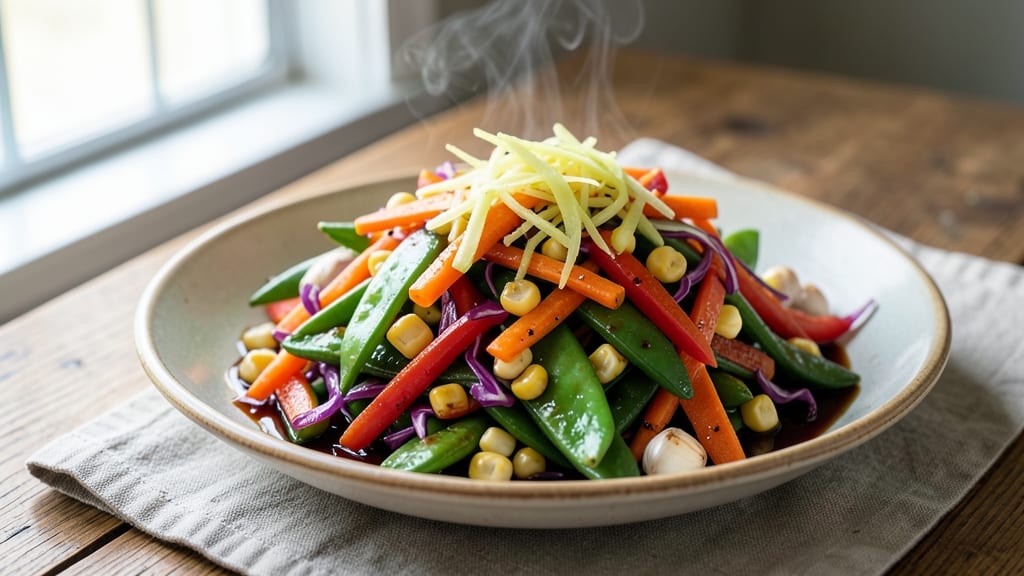
Transforming Trader Joe's stir-fry vegetables into a quick, umami-packed dish is simpler than you think—this recipe delivers restaurant-quality crunch and flavor in under 15 minutes.
The secret lies in balancing the natural sweetness of the vegetables with a tangy, savory sauce and high-heat technique that keeps everything vibrant and crisp. I developed this method after years of experimenting with quick weeknight meals, and it never fails to impress.
What sets this dish apart is the quick-pickled crunch—a technique that enhances the natural sweetness of the vegetables while adding a bright, tangy contrast.
You'll start with a simple stir-fry base of garlic, ginger, and soy sauce, then finish with a splash of rice vinegar and a pinch of sugar for that signature umami zing. The high-heat sauté ensures the vegetables stay crisp-tender, not soggy, while the sauce clings perfectly to each piece.
By the time you serve this dish, you'll have a vibrant, flavorful side that pairs beautifully with rice, noodles, or even grilled proteins. The aroma alone will have everyone at the table asking for seconds—crisp, tangy, and packed with umami in every bite.
This is the kind of meal that proves quick cooking can still be impressive.
Whether you're prepping for a weeknight dinner or a weekend gathering, this recipe scales effortlessly. Garnish with sesame seeds or sliced green onions for extra texture, and serve immediately while the vegetables are still crisp. Let's get cooking!
Ingredients for trader joe's stir fry vegetables
Trader Joe's stir-fry mix plus pantry basics—this is your 15-minute umami powerhouse.
| Ingredient | Amount | Notes |
|---|---|---|
| Trader Joe's Stir-Fry Vegetable Mix 🥦 | 12 oz | Pre-washed, ready-to-use |
| Extra-Firgin Olive Oil 🫒 | 2 tbsp | High smoke point preferred |
| Sesame Oil 🫒 | 1 tbsp | Toasted flavor, not flavored |
| Fresh Garlic Cloves 🧄 | 3 cloves | Minced, for aromatic base |
| Fresh Ginger 🌿 | 1 tbsp | Finely grated, zesty kick |
| Low-Sodium Soy Sauce 🥢 | 3 tbsp | Kikkoman or Trader Joe's |
| Rice Vinegar 🍶 | 2 tbsp | Seasoned preferred for depth |
| Granulated Sugar 🍚 | 1 tsp | Balances acidity perfectly |
| Toasted Sesame Seeds 🥜 | 1 tbsp | For garnish, store-bought fine |
| Green Onions 🧅 | 2 whole | Sliced thin for garnish |
| Red Bell Pepper 🌶️ | 1 whole | Sliced thin, for extra crunch |
| Diamond Crystal Kosher Salt 🧂 | ½ tsp | For seasoning, not pickling |
| Black Pepper 🌶️ | ¼ tsp | Freshly cracked for heat |
The Trader Joe's stir-fry vegetable mix is your shortcut to restaurant-quality veggies—just check for bright, crisp pieces (none of that wilted stuff). I always grab the 12-ounce bag because it's perfect for 4 servings with leftovers. The red bell pepper adds that extra crunch, so don't skip it. For the garlic and ginger, Trader Joe's pre-minced jars work in a pinch, but fresh is always better. Toast your sesame seeds in a dry pan for 30 seconds—that nutty aroma makes all the difference. And if you're feeling fancy, grab the toasted sesame oil from their refrigerated section for that authentic wok-house flavor.
No sesame oil? Avocado oil at half the amount works, but you'll miss the toasty depth. Running low on rice vinegar? Apple cider vinegar with a pinch of sugar mimics the tang. The soy sauce can be swapped for coconut aminos, but you'll lose some umami punch. If your stir-fry mix is missing bell peppers, toss in extra snap peas or shredded carrots for crunch. Pro tip: Prep the pickling sauce first—mix vinegar, sugar, and salt in a small bowl while you're cooking. That way, you can toss the veggies in the sauce right at the end for maximum crispness. And if you're using frozen veggies, pat them bone-dry before cooking to avoid sogginess.
This dish is all about timing—serve it immediately while the veggies are still crisp. The pickled sauce keeps for 1 week in the fridge, so make extra if you're planning to use it again. Store the cooked veggies in an airtight container with a paper towel to absorb moisture—keeps them crisp for 2 days. Garnish with sesame seeds and green onions right before serving, or they'll get soggy. Leftovers reheat beautifully in a steam basket or microwave with a splash of water—just don't overdo it, or they'll turn mushy. Perfect for meal prep lunches, but honestly, it's best fresh.
Why You'll Love This Recipe
- No-Chop Nightmare: I swear, the Trader Joe’s stir-fry mix is already prepped for you—just toss that bag into the pan. No knife skills required, no sad carrot scraps left on the cutting board. Honestly, I’ve made this on nights when I forgot to grocery shop and still ended up with something that felt like a restaurant dish.
- Umami Bomb: That sesame oil hitting the pan? Instant flavor explosion. The garlic and ginger caramelize in seconds, and the mix of bell peppers, snap peas, and carrots soaks up every drop like a sponge. Between us, the first bite always makes me pause—it’s that good.
- Lunchbox Superstar: Double the batch, halve the effort. This keeps perfectly for days in the fridge, so I pack it cold for work or reheat it for a lazy Sunday. My kid even sneaks it into her lunchbox—no one suspects how easy it was to make.
- Pantry Hero: You’ve got olive oil, garlic, and ginger? You’ve got a meal. No fancy ingredients, no last-minute store runs. I’ve made this with whatever was in my fridge—rice, noodles, even scrambled eggs—and it never let me down. Budget-friendly? Absolutely. Reliable? Even more.
Step-by-step instructions for quick-pickled stir-fry vegetables
This method delivers restaurant-quality crunch and umami in under 15 minutes—no fancy equipment needed.
Prep the Vegetables for Maximum Crunch
Start by slicing the whole red bell pepper into thin strips—about ⅛-inch thick—and separating the green onions into 1-inch sections. Set them aside. The Trader Joe's stir-fry vegetable mix is pre-washed and ready, so you can skip any rinsing. This prep takes about 3 minutes and ensures even cooking.
While you work, keep the vegetables in a single layer on a cutting board. Overcrowding releases moisture, which can make them soggy when stir-fried. I like to use a sharp chef's knife for clean cuts—this prevents crushing delicate vegetables like the snap peas or carrots in the mix.
Build the Quick-Pickle Marinade
In a small bowl, whisk together the 2 tablespoons rice vinegar, 1 teaspoon granulated sugar, 3 tablespoons low-sodium soy sauce, 0.5 teaspoon diamond crystal kosher salt, and 0.25 teaspoon black pepper. The sugar will dissolve completely, creating a syrupy base that coats the vegetables perfectly. Let this sit for 2 minutes while you finish prepping.
This marinade does double duty—it tenderizes the vegetables slightly while adding that signature tangy-umami balance. The rice vinegar's acidity brightens the flavors, while the soy sauce adds depth. Don't skip the black pepper; it brings a subtle heat that rounds out the dish beautifully.
Stir-Fry the Vegetables to Perfect Crisp-Tender
Heat a large skillet or wok over medium-high heat until it's hot. Add the 2 tablespoons extra-virgin olive oil and 1 tablespoon sesame oil, swirling to coat the pan evenly. When the oil shimmers but doesn't smoke, add the minced garlic and grated ginger. Cook for 30 seconds until fragrant—this releases their aromatic oils.
Toss in the Trader Joe's stir-fry vegetable mix and stir-fry for 3-4 minutes until the vegetables are bright green and just beginning to soften. Add the sliced red bell pepper and green onions, cooking for another 1-2 minutes until everything is heated through but still maintains a satisfying crunch. Overcooking turns them mushy, so watch closely.
Finish with the Quick-Pickle Sauce
Pour the marinade over the vegetables and toss everything together. Let it cook for 1-2 minutes until the liquid reduces slightly and clings to the vegetables. The vegetables should be coated in a glossy, tangy glaze—this is your visual cue that the flavors have melded perfectly.
Remove from heat and sprinkle with the 1 tablespoon toasted sesame seeds. The seeds add a nutty crunch that contrasts beautifully with the tender vegetables. Serve immediately while everything is still vibrant and crisp. This dish holds up for about 30 minutes at room temperature, but it's best enjoyed fresh.
Pro Tips For Making Trader Joe'S Stir Fry Vegetables
- Prep the ginger right: That Trader Joe’s mix has ginger in it, but fresh ginger in the sauce is non-negotiable for depth. Use a microplane or the side of your knife to make it into a paste—no need to peel it first, just scrape off the skin while it’s whole. I learned this the hard way: grating it like an apple makes it bitter and watery.
- Start with a dry wok: Heat your pan until it’s smoking—yes, even if you’re using olive oil. A dry sear on high for 30 seconds first burns off any moisture and gets the oil hotter faster. The carrots and snap peas in that TJ’s mix will crisp up properly, and the garlic won’t turn to paste. (I know, I know—you’re impatient, but trust the process.)
- Split the garlic cloves: Don’t mince the garlic, just smash each clove with the flat side of your knife. This keeps the flavor bold without turning the stir-fry into a garlic soup. Toss the whole smashed cloves in with the oil—they’ll release flavor as they cook, and you won’t end up with a pile of mush at the bottom.
- Add veggies in order: Dump the TJ’s mix in all at once? Bad idea. Start with the harder veggies (carrots, broccoli) first, then add the softer ones (bell peppers, snap peas) 2 minutes later. The mix has a few stubborn pieces that need time to soften—crowding the pan too soon just steams them instead of searing.
Regional styles of these flavors
Asian-Inspired Wok Style
The classic approach to stir-frying these vegetables mirrors traditional Chinese wok technique, where high heat and constant tossing create that signature crisp-tender texture. I use a carbon steel wok (like Mauviel M'Cook) heated until it's nearly smoking before adding oil—this ensures the vegetables develop that perfect caramelized edge.
The key is working in small batches to avoid overcrowding, which steams instead of sears the veggies. For extra authenticity, add 1 tsp Shaoxing wine to the marinade and deglaze the pan with it after removing the vegetables. 🔥
California Fusion Twist
This West Coast variation swaps soy sauce for tamari and adds 1 tbsp lime juice to the quick-pickle marinade, giving it a brighter, citrus-forward profile. I like to finish with avocado slices and cilantro for a fresh, vibrant touch that screams Los Angeles.
The California approach also incorporates roasted red peppers from a jar (drained) into the stir-fry for a smoky depth. Serve over jasmine rice with a drizzle of chili crisp for heat. 🌶️
Japanese Teriyaki Glaze
For a Japanese-inspired take, replace the quick-pickle marinade with a homemade teriyaki sauce—simmer 3 tbsp soy sauce, 1 tbsp mirin, 1 tbsp honey, and 1 tsp grated ginger until slightly thickened. Toss the stir-fried vegetables in this glaze during the final 2 minutes of cooking.
Garnish with pickled ginger and toasted nori strips for that authentic izakaya vibe. Pair with steamed udon noodles for a hearty meal. 🍶
Thai Basil Kick
Transform this dish into a Thai-inspired stir-fry by adding 2 tbsp fish sauce and 1 tbsp palm sugar to the marinade, along with 1 tsp lime zest. After stir-frying, fold in ½ cup fresh Thai basil and top with crushed peanuts and Thai chili slices.
The aromatic basil and nutty peanuts add a completely different flavor profile that still keeps the vegetables crisp. Serve with jasmine rice and a side of sweet chili sauce for dipping. 🌿
Korean Gochujang Heat
For a Korean-inspired version, mix 1 tbsp gochujang (Korean chili paste) into the quick-pickle marinade along with 1 tsp toasted sesame oil. After stir-frying, toss the vegetables in the marinade and finish with sesame seeds and thinly sliced scallions.
The gochujang adds a deep, fermented heat that pairs perfectly with the crunchy vegetables. Serve with steamed rice and a side of kimchi for a full Korean meal experience. 🌶️
Mediterranean Herb Infusion
This unexpected twist replaces soy sauce with 1 tbsp lemon juice and 1 tsp dried oregano, while adding 1 minced garlic clove and ½ tsp red pepper flakes to the marinade. After stir-frying, finish with feta cheese crumbles and kalamata olives for a Mediterranean-inspired dish.
The bright herbs and tangy feta elevate the natural sweetness of the vegetables. Serve with warm pita bread or over couscous for a fresh, unexpected meal. 🌿
Nutrition facts
Frequently asked questions
Can I use frozen Trader Joe's stir-fry vegetables instead of fresh?
Frozen stir-fry mixes work perfectly—just make sure to pat them completely dry with paper towels before cooking to prevent sogginess. The texture will be slightly different but still delicious. Thaw them in the fridge overnight for best results, or cook from frozen on medium heat until thawed before increasing to high heat.
What's the best way to store leftovers?
Store cooked vegetables in an airtight container with a paper towel on top to absorb moisture. They'll stay crisp for 2 days in the fridge. For longer storage, freeze for up to 3 months—just reheat gently in a steamer basket or microwave with a splash of water to maintain texture.
How can I make this dish spicier?
Add ½ teaspoon red pepper flakes to the marinade or toss in 1 tablespoon sriracha with the quick-pickle sauce. For extra heat, finish with chopped Thai chilies or a dash of gochujang (Korean chili paste). Start with small amounts—you can always add more!
What proteins pair well with this stir-fry?
Grilled shrimp, sliced chicken breast, or Trader Joe's tofu work beautifully. Cook proteins separately until done, then toss them with the vegetables at the very end to keep them warm. For extra flavor, marinate proteins in 1 tablespoon soy sauce + 1 teaspoon cornstarch before cooking.
Why did my vegetables turn mushy?
Overcrowding the pan or cooking on low heat causes steaming instead of searing. Use medium-high heat and cook in batches if needed. Also, avoid adding too much sauce until the very end—excess moisture makes veggies soggy.