
Main Courses
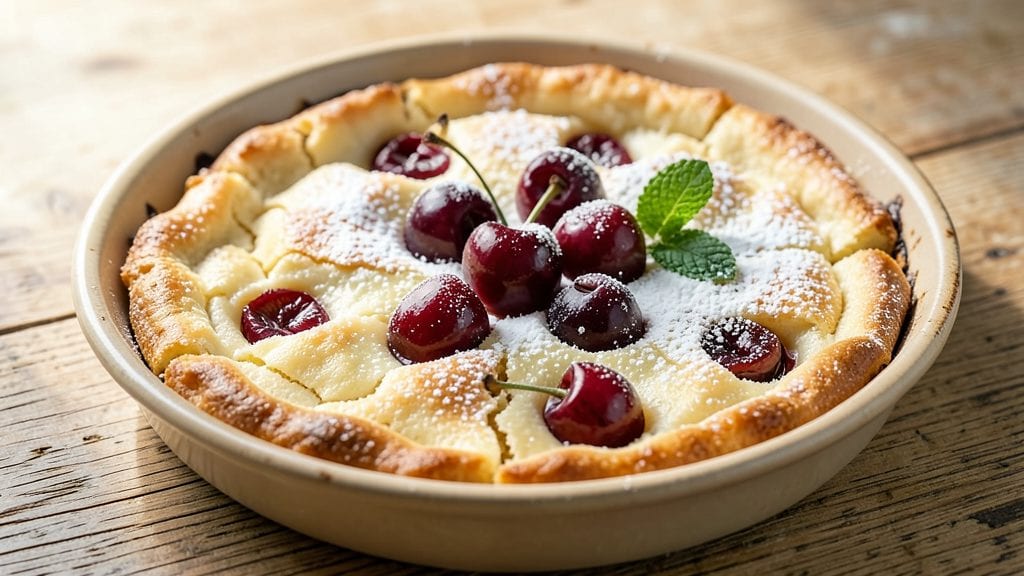
Ina Garten's traditional clafoutis recipe brings the rustic charm of French countryside baking to your kitchen table. 🌟 This cherries-and-batter masterpiece delivers a golden, custard-like texture that's perfectly balanced between tender and slightly crisp at the edges—a signature of classic French patisserie.
What makes this version special is how it captures the essence of Ina's approach: simple ingredients elevated through precise technique.
The beauty of clafoutis lies in its simplicity—just eggs, milk, flour, sugar, and cherries baked together until set. Unlike dense cakes, this recipe creates an airy, almost mousse-like center with a delicate crust on top, making it feel light yet substantial.
The cherries bake into the batter, releasing their juices and creating pockets of sweet-tart flavor that make every bite irresistible.
By the time it emerges from the oven, you'll have a dish that's elegant enough for brunch but rustic enough for a casual weekend gathering. The texture is what truly sets clafoutis apart—creamy yet firm, with just enough structure to hold its shape when sliced.
Serve it warm with a dusting of powdered sugar and a cup of coffee for the full French bistro experience.
While this recipe excels with cherries, the technique works beautifully with other fruits like plums, apples, or even almonds for a nutty variation. The key is patience—letting the batter rest and baking at the right temperature ensures that signature texture every time. Let's get baking!
Ingredients for traditional clafoutis recipe ina garten
Six simple ingredients transform into Ina Garten's signature golden French clafoutis.
| Ingredient | Amount | Notes |
|---|---|---|
| Large Eggs 🥚 | 4 whole | Room temperature for even baking |
| Whole Milk 🥛 | 1 ½ cups | Full-fat for creamy texture |
| All-Purpose Flour 🌾 | 1 cup | Sifted for light batter |
| Granulated Sugar 🍚 | ¾ cup | Superfine preferred for smoothness |
| Vanilla Extract 🌸 | 1 tbsp | Pure Madagascar preferred |
| Salt 🧂 | ¼ tsp | Fine sea salt preferred |
| Fresh Cherries 🍒 | 2 cups | Pitted, halved, stems removed |
| Unsalted Butter 🧈 | ½ cup | Melted, for greasing pan |
| Powdered Sugar 🍚 | ¼ cup | For dusting finished clafoutis |
| Vanilla Bean Seeds 🌸 | 1 tsp | Scraped from 1 pod (optional) |
The cherries are non-negotiable for authentic flavor—fresh, ripe, and slightly underripe hold their shape best. Local farmers markets often have the best selection, but grocery store cherries work too if they're firm and vibrant. Pitting them is a must; frozen cherries without pits are a great shortcut. For that signature Ina touch, vanilla bean seeds add depth, but pure extract works in a pinch. The milk should be full-fat for the classic creamy texture—none of that skim nonsense here. Eggs at room temperature ensure even baking, so take them out of the fridge 30 minutes before you start.
No vanilla bean? Double the extract or swap in almond extract at half the amount. Cherries too tart? Toss them with 1 tbsp sugar before baking. Substituting fruit? Plums or peaches work beautifully—just adjust sugar to taste. The flour must be sifted to avoid lumps; King Arthur or Gold Medal brands are reliable. For a nutty twist, fold in 1/4 cup toasted almonds with the cherries. The powdered sugar is purely decorative but adds that final French bistro touch—don't skip it if you want authenticity.
This batter needs 30 minutes of rest before baking—trust the process. Leftover clafoutis keeps 3 days in an airtight container, though it's best eaten fresh. Reheat gently in the oven at 300°F for 10 minutes to restore that custard-like texture. For make-ahead baking, prepare the batter the night before and refrigerate—it'll be even more flavorful. The golden crust is delicate, so always let it cool 5 minutes before slicing to prevent crumbling.
Why You'll Love This Recipe
- Five-Ingredient Magic: I swear by this recipe—just eggs, milk, flour, sugar, and vanilla. That’s it. No clutter, no fuss, and no last-minute grocery runs for obscure spices.
- Creamy Vanilla Bliss: The vanilla extract isn’t just an afterthought—it’s the star. That warm, custardy center? It’s like dessert hugging you in the best way, especially when the edges get just slightly golden.
- Breakfast or Dessert: Honestly, I make this for both. Serve it warm with fruit in the morning or dusted with powdered sugar at night. My kids don’t care what I call it—they just want seconds.
- Leftovers? Better Than New: Between us, the second day is often my favorite. The texture softens into pure comfort, and it reheats in minutes. Perfect for lazy mornings or when you forgot to plan ahead.
Step-by-step instructions for Ina Garten's traditional clafoutis recipe
This classic French dessert delivers a delicate balance of sweetness and texture—simple steps for perfect results.
👨🍳 Step 1: Prepare the Cherries and Preheat the Oven
Pit the 2 cups fresh cherries and halve them, removing stems as you go. Arrange them evenly in a 9-inch round baking dish, cut-side up. This creates a beautiful presentation and ensures even baking. Preheat your oven to 350°F while you prepare the batter—this ensures the dish goes in when fully preheated and bakes evenly.
I like to leave about ½ inch between each cherry so they don't overcrowd. If using frozen cherries, thaw them first and pat dry with a paper towel to prevent excess moisture in the batter. The cherries should be at room temperature when you bake them for the best texture.
🍳 Step 2: Whisk the Batter to Perfect Consistency
In a large mixing bowl, whisk together the 4 whole large eggs and 0.75 cup granulated sugar until combined but still slightly thick. Add the 1.5 cups whole milk, 1 tbsp vanilla extract, and 1 tsp vanilla bean seeds (if using), whisking until fully incorporated. The batter should be smooth with no lumps—this creates a tender, custard-like texture.
In a separate bowl, sift together the 1 cup all-purpose flour and 0.25 tsp salt. Gradually whisk the dry ingredients into the wet mixture until just combined. Be careful not to overmix—you want a few small lumps to remain, which helps create the signature rustic texture. The batter should be thin but pourable, similar to heavy cream.
🥘 Step 3: Assemble and Bake to Golden Perfection
Pour the batter gently over the arranged cherries in the baking dish, using a spatula to spread it evenly. Tap the dish lightly on the counter to release any air bubbles. Bake in the preheated 350°F oven for 45-50 minutes until the top is golden brown and the edges are set, but the center still jiggles slightly when shaken.
Here's the thing—don't overbake. Clafoutis should be custardy in the center, not firm like a cake. You'll know it's done when the top is golden and the edges pull away from the pan slightly. If it browns too quickly, tent loosely with aluminum foil to prevent over-browning while it continues baking.
⏰ Step 4: Cool and Dust with Powdered Sugar
Remove the clafoutis from the oven and let it cool in the pan for 10 minutes before transferring to a wire rack. This resting period allows it to set slightly and makes it easier to slice. While it cools, prepare the 0.25 cup powdered sugar in a fine-mesh sieve for dusting.
Once cooled, dust the top generously with the powdered sugar. I like to do this just before serving—it adds a delicate sweetness and beautiful presentation. The clafoutis should be warm but not hot when you serve it. Cut into wedges and serve immediately with a dollop of whipped cream or a scoop of vanilla ice cream for the ultimate experience.
🍽️ Step 5: Serve Warm with Classic Pairings
Slice the clafoutis into 6 equal wedges using a sharp knife. The texture should be soft and custardy in the center with a slightly firm top. Serve warm with a dusting of additional powdered sugar if desired. I always pair it with a scoop of vanilla bean ice cream or a dollop of lightly sweetened whipped cream.
This dessert is best enjoyed the day it's made—it holds its texture well for 24 hours at room temperature, but the custard becomes slightly firmer as it cools. If you have leftovers, store them covered at room temperature and reheat briefly in the oven to restore the custardy texture.
Pro Tips For Making Traditional Clafoutis Recipe Ina Garten
- STOP OVERMIXING THE BATTER: Whisk just until the flour disappears—about 10 strokes max. I learned this the hard way when my clafoutis turned dense and heavy. Overworking it develops gluten, and this isn’t a brioche. A quick, light fold is all you need for that signature tender crumb.
- USE COLD MILK AND EGGS: Pull them straight from the fridge—no need to warm anything. Cold dairy and eggs temper the batter’s heat, preventing premature curdling in the oven. Trust me, your clafoutis will rise smoother and set more evenly than if you use room-temp ingredients.
- DON’T SKIP THE WATER BATH: Even if the recipe doesn’t mention it, bake this in a deep pan with hot water halfway up the sides. The steam keeps the top from drying out while the bottom sets properly. I skipped it once—my clafoutis was cakey on top and gummy underneath. Not ideal.
- WEIGH YOUR FLOUR: Scoop and level spoons lie. Use a kitchen scale for the flour—1 cup packed vs. spooned can throw off the texture. A gram difference here means the batter won’t set right. (Yes, even if you’re impatient like me.)
Common mistakes when making great traditional clafoutis recipe ina garten
Overmixing the Batter
Clafoutis relies on a delicate balance between smoothness and slight lumps in the batter for that signature rustic texture.
When I first made this, I overmixed like I would pancake batter, and ended up with a dense, cake-like result instead of the airy custard we want. Mix just until combined—stop when you see a few small lumps remain.
The batter should be thin enough to pour but not completely smooth. I now use a spatula instead of a whisk for the final dry ingredient incorporation to minimize overmixing. 🥄
Skipping the Rest Time
The recipe calls for letting the batter rest for 30 minutes before baking, and this isn't optional. I learned this the hard way when my first attempt came out with a cracked top and uneven texture.
The rest time allows the flour to hydrate properly and the batter to relax, which prevents those unsightly cracks. If you're short on time, at least let it sit for 15 minutes—it'll still be better than no rest at all.
I now set a timer and make myself a cup of tea while waiting. ⏰
Using Cold Eggs or Milk
Cold ingredients can cause your clafoutis to develop a thick, rubbery texture instead of the creamy custard we're after. I once used eggs straight from the fridge and ended up with a dense, unappetizing result. Always use room-temperature eggs and milk—this ensures even baking and that perfect custard-like texture.
Take your eggs out of the fridge 30 minutes before starting, and let the milk sit out for at least 15 minutes. This small step makes a huge difference. 🥚
Overcrowding the Cherries
When I first arranged the cherries, I packed them too closely together, thinking more would make it look prettier. The result? A clafoutis with soggy bottoms and uneven baking. Leave about ½ inch between each cherry so they don't overcrowd.
This allows the batter to flow evenly and ensures the cherries bake properly without releasing too much juice at once. I now arrange them in a single layer with space between, almost like a mosaic. 🍒
Overbaking the Clafoutis
The biggest mistake I see people make is baking clafoutis until it's completely set like a cake. Clafoutis should have a custardy center—it should jiggle slightly when shaken. I've ruined more than one by baking it until the edges pull away from the pan completely.
Remove it from the oven when the top is golden and the edges are just set, then let it cool slightly. If you're unsure, err on the side of underbaking—it'll continue cooking as it cools. 🌡️
Not Preheating the Oven Properly
This might seem obvious, but I've seen people skip this step or only preheat for a few minutes. Clafoutis needs a fully preheated oven to bake evenly.
If your oven isn't hot enough when you put the dish in, the batter will cook unevenly, leading to a dense bottom and a raw center. Always preheat for at least 15 minutes before baking.
I place my oven thermometer inside to double-check the temperature—it's worth the extra step for perfect results. 🔥
Nutrition facts
Frequently asked questions
Can I use frozen cherries instead of fresh for this clafoutis?
Yes, but with one key adjustment: thaw and pat the frozen cherries completely dry first to prevent excess moisture in the batter. This keeps the texture light and custardy rather than soggy. For best results, use high-quality frozen cherries without added sugar or syrup.
What makes this clafoutis different from a cherry pie?
Unlike pie, clafoutis has no crust—just a delicate golden top from the baked batter. The texture is custard-like and airy, not dense. It's more like a cross between a cake and a pudding, with fruit baked directly into the batter rather than layered underneath.
How do I know when it's fully baked?
The clafoutis is done when the top is golden brown and the edges pull away slightly from the pan, but the center should still jiggle gently like gelatin. Overbaking turns it dense—remove it when the top looks set but the center remains soft.
Can I make this ahead of time?
Yes! Prepare the batter the night before and refrigerate. Bake it fresh when ready—it reheats beautifully in a 300°F oven for 10 minutes to restore that custardy texture. The flavor actually improves after resting overnight.
What's the best way to serve leftover clafoutis?
Slice and reheat briefly in the oven to restore creaminess, then serve warm with vanilla ice cream or whipped cream. For a French bistro touch, dust with extra powdered sugar. Cold slices work too, but the texture becomes slightly firmer.