
Desserts
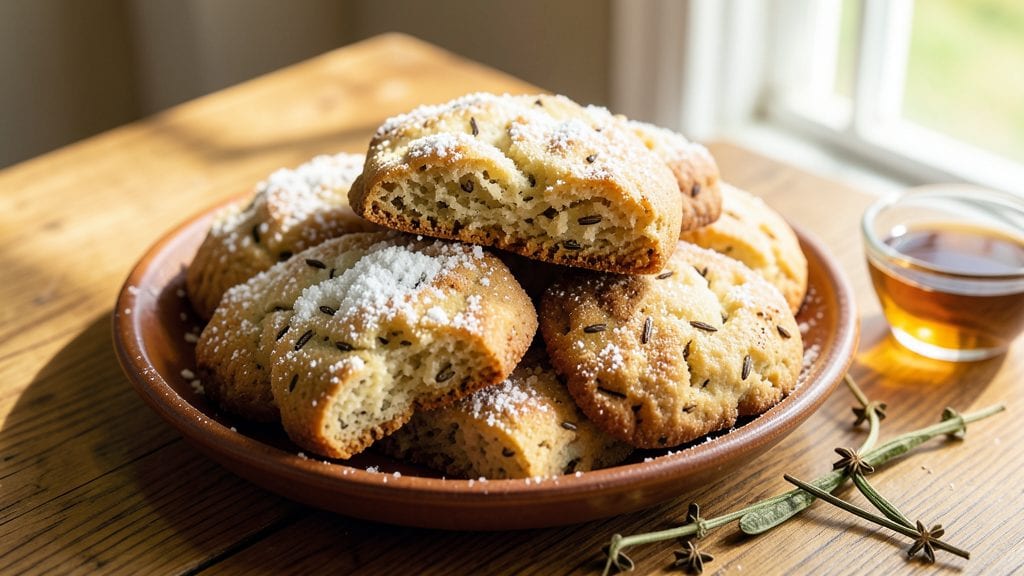
This traditional Mexican cookies recipe brings the warm, spiced flavors of anise and orange to your kitchen, just like my abuela used to make. The subtle sweetness and aromatic spices create a cookie that's delicate yet satisfying, with a tender crumb and just the right amount of chew.
These aren't your typical cookies—they're a taste of Mexican heritage that pairs perfectly with coffee or tea.
The secret to authentic flavor lies in the spice blend: anise seeds, cinnamon, and a touch of orange zest create that signature Mexican warmth. Unlike many cookie recipes, these don't require special equipment—just a mixing bowl and oven.
The dough comes together in minutes, and the cookies bake up with a soft center and lightly crisp edges, never too sweet or too dry.
What makes these cookies truly special is their balance of textures and flavors—tender yet sturdy, sweet with just enough spice to linger. The aroma alone will transport you to a Mexican kitchen, where these cookies are often served during celebrations or as a simple treat with afternoon beverages.
Each bite delivers that perfect combination of citrus brightness and warm spices.
These traditional Mexican cookies are perfect for special occasions or everyday indulgence. They keep well in an airtight container for up to a week, making them ideal for gifting or meal prep. Let's bring a taste of Mexico to your kitchen with this authentic recipe that's been cherished for generations.
Ingredients for traditional mexican cookies
Twelve simple ingredients bring abuela's kitchen to your counter—warm spices and citrus brightness in every bite.
| Ingredient | Amount | Notes |
|---|---|---|
| All-Purpose Flour 🌾 | 4 cups | Sifted for light texture |
| Unsalted Butter 🧈 | 1 cup | Cold, cubed for dough |
| Granulated Sugar 🍚 | 1 ½ cups | Superfine preferred for smoothness |
| Light Brown Sugar 🍚 | ½ cup | Packed, for moisture |
| Large Eggs 🥚 | 2 whole | Room temperature |
| Vanilla Extract 🍯 | 1 tbsp | Pure, not imitation |
| Anise Seeds 🌿 | 2 tbsp | Whole, lightly toasted |
| Ground Cinnamon 🌶️ | 1 ½ tsp | Freshly ground preferred |
| Orange Zest 🍊 | 1 tbsp | From organic orange |
| Fine Sea Salt 🧂 | ½ tsp | Diamond Crystal preferred |
| Baking Powder 🍞 | 1 tsp | Aluminum-free |
| Orange Juice 🍊 | ¼ cup | Freshly squeezed |
| Almond Extract 🌰 | ½ tsp | Optional for depth |
Anise seeds are the heart of these cookies—buy them whole at Latin markets or bulk bins for the best flavor. Penzeys carries them if you're near a specialty store, but the tiny bags at Trader Joe's work too. Toast them lightly in a dry pan for 30 seconds to wake up their aroma. The orange zest should be vibrant—organic oranges from the produce section have the brightest flavor. Skip the pre-grated zest; it's dull and often contains wax. For the butter, Land O'Lakes unsalted is my go-to—it's consistently reliable, and the cold cubes create perfect pockets in the dough.
No anise seeds? 1 teaspoon fennel seeds works in a pinch, but the flavor won't be identical. Short on orange zest? Double the orange juice and add a pinch of citric acid for brightness. The almond extract is optional but adds that classic Mexican cookie depth—McCormick makes a good pure version. For the sugars, superfine is ideal, but pulse regular sugar in a food processor if needed. The baking powder must be fresh; if your container is older than six months, test it with vinegar first. And trust me on the vanilla—imitation smells like chemicals.
These cookies keep for 5-7 days in an airtight container at room temperature, but they're best enjoyed fresh. Wrap them in parchment paper between layers to prevent drying. The dough can be chilled for up to 48 hours for easier rolling—it actually improves the texture. Freeze shaped dough balls on a tray, then transfer to a bag for 3 months. Bake straight from frozen, adding 2-3 minutes to the time. Perfect for gifting—just tie with a ribbon and add a sprig of orange.
Why You'll Love This Recipe
- No-Fuss Mixing: I swear by this dough—just cream butter and sugars until light, then fold in flour and eggs. No food processor, no fuss, and zero stress if the texture isn’t perfect. The cookies still turn out tender and golden.
- Caramelized Butter Magic: That brown sugar and butter combo? It’s what makes these cookies irresistibly chewy with a crisp edge. I’ll be real: once you taste the warm, buttery aroma filling your kitchen, you’ll want to double the batch.
- Party in a Jar: These cookies freeze like champs, so I bake a full tray on Sundays and pull them out for holidays, potlucks, or even as a last-minute gift. Wrap them in parchment, tie with twine—suddenly, you’re the hero of every gathering.
- Pantry Staple Power: Flour, butter, sugar, eggs—these are ingredients I always have on hand. No specialty items, no last-minute grocery runs. And because they keep for weeks in an airtight container, I’m never scrambling for a treat when cravings hit.
Step-by-step instructions for traditional Mexican cookies
Here's the method that delivers authentic, spiced anise cookies with perfect texture every time.
Toast the Anise Seeds for Maximum Flavor
In a dry skillet over medium heat, toast the 2 tablespoons of anise seeds for 2-3 minutes until they release their fragrant aroma and turn a deeper golden color. You'll know they're ready when the aroma fills your kitchen—this is the moment that matters for that authentic Mexican spice profile.
Transfer the toasted seeds to a small bowl and let them cool completely before grinding them into a fine powder using a spice grinder or mortar and pestle. The cooling step prevents steam from forming when you add them to the dough. Set aside the ground anise seeds—they'll add that distinctive licorice-like warmth that makes these cookies special.
Cream the Butter and Sugars Together
In a large mixing bowl, combine the 1 cup of cold, cubed unsalted butter with the 1.5 cups of granulated sugar and 0.5 cup of packed light brown sugar. Using a hand mixer on medium speed, beat the mixture for 3-4 minutes until it becomes light and fluffy, nearly doubling in volume.
This creaming process incorporates air into the butter, which creates that signature tender crumb in the finished cookies. You'll see the mixture change from grainy to smooth and pale—this is your signal that the butter is properly emulsified. Scrape down the sides of the bowl occasionally to ensure even mixing.
Mix in Wet Ingredients for Perfect Texture
Add the 2 room-temperature large eggs one at a time, mixing well after each addition until fully incorporated. Then stir in the 1 tablespoon of vanilla extract, 0.25 cup of freshly squeezed orange juice, and 0.5 teaspoon of almond extract (if using). The orange juice adds moisture while the almond extract deepens the citrus notes.
In a separate bowl, whisk together the 4 cups of sifted all-purpose flour, 1.5 teaspoons of ground cinnamon, 0.5 teaspoon of fine sea salt, 1 teaspoon of baking powder, and the ground anise seeds. Gradually add the dry ingredients to the wet mixture, mixing just until combined. Avoid overmixing—you should still see small flour streaks when you lift the dough.
Incorporate the Orange Zest and Chill
Using a wooden spoon or silicone spatula, gently fold in the 1 tablespoon of orange zest. The zest contains the essential oils that will give your cookies that bright, citrusy aroma. The dough will be slightly sticky but should come together when pressed.
Divide the dough into two equal portions, flatten each into a disk about 1-inch thick, and wrap tightly in plastic wrap. Refrigerate for at least 1 hour or up to 24 hours. Chilling allows the flour to fully hydrate and the flavors to meld together, resulting in cookies with better texture and more pronounced spice notes.
Bake to Golden Perfection
Preheat your oven to 350°F. Line two baking sheets with parchment paper. Using a cookie scoop or tablespoon, portion the chilled dough into 1-inch balls and place them 2 inches apart on the prepared baking sheets.
Bake for 12-14 minutes until the edges are golden brown and the centers look just set. The cookies will continue to firm up as they cool, so they should be slightly underdone when you remove them from the oven. Let them cool on the baking sheets for 5 minutes before transferring to a wire rack to cool completely.
Pro Tips For Making Traditional Mexican Cookies
- CREAM THE BUTTER SLOWLY: I learned this the hard way—dumping cold butter into sugar and eggs at once just makes a greasy mess. Instead, beat the butter first until it’s soft and pale yellow (about 2-3 minutes), then add sugars gradually while mixing. This ensures the dough emulsifies properly and won’t turn out dense or oily.
- WEIGH THE FLOUR (NOT SCOOP): That "lightly spooned" flour measurement in recipes is a joke if you’re not using a scale. Packed flour = dry cookies. Scooping straight from the bag adds air, which makes them spread too much. Use a kitchen scale for 220g (or ~1¾ cups) and level it off with a knife—your cookies will hold their shape better.
- LET EGGS COME TO ROOM TEMP: Cold eggs in warm dough = lumpy, uneven cookies. Take them out of the fridge 30 minutes before mixing, or worse, you’ll end up with streaks of unincorporated yolk. Trust me, the extra wait makes the texture buttery and consistent every time.
- BAKE IN MIDDLE RACK: The top rack makes them burn before they set; the bottom rack leaves them doughy in the center. Middle rack (about 5 inches from heat) gives even browning and a crisp edge without overcooking. Rotate the tray halfway if your oven runs hot—this isn’t optional, especially if you’re using brown sugar.
Regional styles of this traditional mexican cookies
Oaxacan Conchas
In Oaxaca, these cookies are often shaped into conchas (shells) and topped with a crunchy sugar coating. After baking the dough balls, press a 1-inch circle of dough into a shell shape on a baking sheet.
Bake as directed, then brush the warm cookies with a simple glaze made from 1 cup powdered sugar and 1 tbsp orange juice. Sprinkle with colored sugar (I love Sugarfina's vibrant hues) for that iconic Mexican look. The sugar coating adds texture contrast—crunchy outside, tender inside.
Northern Mexico's Polvorones
Up north, these cookies often include crushed pecans or walnuts for extra crunch. Fold ½ cup chopped nuts into the dough after mixing the dry ingredients. For a true Northern touch, add ½ tsp ground cumin—it pairs beautifully with the anise and cinnamon.
These polvorones are perfect with Mexican hot chocolate or café de olla. I like to roll them in powdered sugar after baking for a snowy finish.
Yucatán's Sweet Orange Twist
The Yucatán version amplifies the citrus with dried orange peel (called "cascara" in Mexico). Finely chop 2 tbsp dried orange peel and add it to the dough along with the fresh zest.
For extra moisture, replace 2 tbsp of the orange juice with 2 tbsp Mexican piloncillo syrup—it adds deep caramel notes. These cookies have a slightly chewier texture and pair wonderfully with Yucatán-style coffee served with pan dulce.
Chihuahua's Spiced Variation
In Chihuahua, these cookies often include ground cloves for warmth. Add ¼ tsp ground cloves to the spice mix along with the cinnamon and anise. The cloves deepen the spice profile without overpowering.
For a festive touch, roll the baked cookies in crushed peppermint candy (like Altoids)—it creates a mint-chocolate contrast that's popular during Christmas. These cookies keep well for 10 days in an airtight container.
Puebla's Anise-Infused Version
Puebla takes the anise to another level by using anise-flavored liqueur instead of extract. Replace the vanilla and almond extracts with 1 tbsp anise liqueur (like Anís del Mono). The liqueur adds a subtle boozy depth that balances the sweetness.
For presentation, dust the baked cookies with ground cinnamon before serving. These are often served at Día de los Muertos celebrations with atole or horchata.
Baja California's Citrus Glaze
In Baja, the focus is on bright citrus flavors. After baking, brush the cookies with a glaze made from ½ cup powdered sugar, 1 tbsp lime juice, and 1 tsp lime zest. The lime adds a tangy contrast to the orange notes.
For extra flair, sprinkle with crushed tamarind candy before the glaze sets. These cookies are lighter and crispier, perfect for pairing with Baja-style margaritas or Mexican iced tea.
Nutrition facts
Frequently asked questions
What makes these Mexican cookies different from regular cookies?
These traditional Mexican cookies stand out with their signature anise and orange flavor profile. The warm spices like cinnamon and toasted anise seeds create a unique Mexican warmth, while the fresh orange zest and juice add bright citrus notes that balance the sweetness. Unlike buttery American cookies, these have a tender yet sturdy texture with subtle spice undertones that make them truly special.
Can I make these cookies without anise seeds?
Yes! If you can't find anise seeds, substitute with 1 teaspoon fennel seeds or ½ teaspoon anise extract. While not identical, these alternatives will still give you that warm licorice-like flavor these cookies are known for. For best results, lightly toast the substitute seeds just like the anise seeds in the recipe.
How do I store these cookies to keep them fresh?
Store cookies in an airtight container at room temperature for up to 5-7 days. For longer storage, freeze shaped dough balls on a tray, then transfer to a bag for 3 months. Bake straight from frozen, adding 2-3 extra minutes. Wrap baked cookies in parchment paper between layers to prevent drying. The dough itself keeps well in the fridge for 48 hours for easier rolling.
What's the best way to serve these cookies?
These cookies pair perfectly with hot Mexican coffee or café de olla, or serve them with horchata for a traditional Mexican beverage pairing. They're also wonderful with spiced Mexican hot chocolate. For a festive touch, dust with powdered sugar or roll in crushed peppermint candy like Altoids. The warm spices make them especially cozy during cooler months.
Why did my cookies spread too much during baking?
Over-spreading usually happens when the butter is too soft or the dough isn't chilled enough. Always use cold butter and refrigerate the dough for at least 1 hour before baking. Also ensure your oven is properly preheated to 350°F—a cooler oven causes slower baking and more spreading. For thicker cookies, portion the dough into slightly smaller balls (¾-inch instead of 1-inch).