
Main Courses
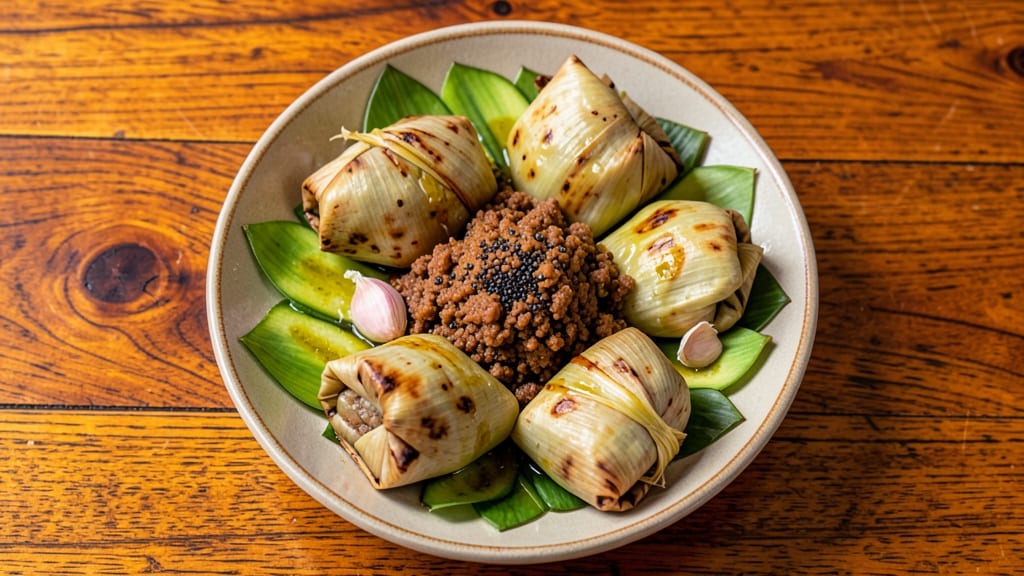
This traditional Puerto Rican pasteles recipe brings the heart of island cuisine to your kitchen with its crispy plantain-wrapped texture and rich, spiced filling. The dish carries deep cultural roots, often served at celebrations and family gatherings, where every bite tells a story of heritage and warmth.
What sets these apart is the delicate balance of mashed green plantains and pork, wrapped in banana leaves for that signature aroma.
The process begins with carefully mashing the plantains and mixing them with spices, oil, and sometimes a touch of coconut milk, creating a dough that’s both sturdy and tender. The filling—typically seasoned ground pork or beef—adds a savory depth that pairs perfectly with the plantain’s natural sweetness.
Wrapping them in banana leaves isn’t just tradition; it’s what gives pasteles their distinctive, fragrant crust when steamed or boiled.
What makes this recipe special is how it delivers authentic flavor without shortcuts—no store-bought wrappers or pre-mixed spices. The result is a dish that’s crispy on the outside, moist inside, and infused with the earthy aroma of banana leaves.
Serve with garlic mojo or ají dulce for the full Puerto Rican experience, and watch as it becomes a centerpiece for any meal.
Whether you’re making pasteles for a family gathering or simply craving a taste of home, this recipe stays true to tradition while offering flexibility—vegetarian versions work just as well. The key is patience; the steaming process ensures every bite is perfectly tender. Let’s bring this classic to life.
Ingredients for traditional puerto rican pasteles
Sixteen ingredients blend tradition with crispy plantain perfection for authentic pasteles.
| Ingredient | Amount | Notes |
|---|---|---|
| Green Plantains 🍌 | 4 whole | Ripe but firm, peeled and boiled |
| Ground Pork 🐖 | 1 ½ lb | Freshly ground, lean preferred |
| Banana Leaves 🌿 | 6 whole | Fresh or frozen, thawed |
| Olive Oil 🫒 | ¼ cup | Extra-virgin for authentic flavor |
| Garlic Cloves 🧄 | 4 cloves | Freshly minced for aroma |
| Cumin Seeds 🌿 | 1 tsp | Toasted lightly for depth |
| Ground Cumin 🌿 | 1 tsp | For extra earthiness |
| Adobo Seasoning 🌶️ | 1 tbsp | Traditional Puerto Rican blend |
| Salt 🧂 | 1 tsp | Kosher or sea salt |
| Black Pepper 🌶️ | ½ tsp | Freshly ground for heat |
| Ground Achiote 🌶️ | ½ tsp | For vibrant color and flavor |
| Coconut Milk 🥥 | ½ cup | Full-fat for creaminess |
| Fresh Cilantro 🌿 | ¼ cup | Chopped, for garnish |
| Lime Juice 🍋 | 2 tbsp | Freshly squeezed for brightness |
The green plantains are non-negotiable—they need to be firm but ripe enough to mash smoothly. Look for ones with vibrant yellow-green skin and no black spots at Latin markets or well-stocked grocery stores like Whole Foods. If using frozen banana leaves, thaw them in warm water to make them pliable. The ground pork should be freshly ground—substituting pre-seasoned sausage changes the texture and flavor. For a vegetarian version, swap in lentils or mushrooms (sautéed with the same spices). The achiote gives pasteles their signature color and earthy depth—if unavailable, a pinch of turmeric works in a pinch, though it lacks the authentic taste.
No adobo seasoning? Mix 1 tsp each of garlic powder, onion powder, and dried oregano with a pinch of cinnamon for a close substitute. The cumin seeds should be toasted in a dry pan for 30 seconds before grinding—this releases their aroma. For the banana leaves, if you can't find them fresh, frozen leaves work just as well when properly thawed. The coconut milk adds richness, but heavy cream can replace it if you're avoiding dairy. Fresh cilantro brightens the dish, but parsley works too if that's what you have on hand. The lime juice should be freshly squeezed—bottled lime juice lacks the same zesty punch.
Store uncooked pasteles in an airtight container in the fridge for up to 3 days before cooking. Once steamed, they keep for 4-5 days in the fridge or can be frozen for up to 3 months. For freezing, wrap each pastel individually in plastic wrap and place in a freezer bag. When reheating, steam from frozen for 10-15 minutes longer than fresh. The banana leaves can be reused once for cooking if they remain pliable—just rinse and dry them between uses. Leftovers reheat beautifully in a steamer or microwave with a damp paper towel for 2-3 minutes.
Why You'll Love This Recipe
- No-Fuss Assembly: I swear by this recipe because it’s the kind of dish where you can prep everything in one bowl while watching a movie. The plantains just need boiling and mashing—no fancy peeling or dicing—then mix in the seasoned pork, and you’re ready to roll.
- That Crispy-Meets-Creamy Magic: Between us, the banana leaf wrapping is chef’s kiss—it gives these pasteles that smoky aroma while keeping the inside tender and juicy. The garlic and olive oil in the pork? Pure flavor payoff with every bite.
- Party in a Box: Honestly, these are my go-to for gatherings because they reheat like a dream and feed a crowd without the fuss. Wrap them ahead, freeze them, or serve them fresh—no one will guess how little effort went into making them look impressive.
- Budget-Friendly Staple: I make these at least twice a month because they’re a steal—plantains and pork stretch far, and the banana leaves add zero cost if you use dried ones. Plus, leftovers? They’re even better the next day, wrapped tight in the fridge.
Step-by-step instructions for traditional Puerto Rican pasteles
Here's the authentic method for creating these beloved Puerto Rican plantain-wrapped pastries.
Prepare the Banana Leaf Wraps
Fill a large bowl with hot water and add the 6 whole banana leaves. Let them soak for 10-15 minutes until completely pliable. This softening process is crucial—the leaves should bend easily without cracking when folded. Drain and pat dry with paper towels.
Lay each leaf flat on your work surface and cut off any thick stems or damaged edges with kitchen shears. The leaves will be your traditional cooking vessels, so handle them carefully to prevent tearing. I like to work with two leaves at a time to maintain efficiency while keeping the others covered with a damp towel to prevent drying.
Cook the Green Plantain Filling
In a medium saucepan, add the 4 whole green plantains (peeled) and cover with fresh water by about 2 inches. Bring to a boil over medium-high heat, then reduce to medium-low and simmer for 15-20 minutes until the plantains are fork-tender. Drain well and let cool slightly before mashing.
While the plantains cook, heat the 0.25 cup olive oil in a large skillet over medium heat. Add the 1.5 lb ground pork and cook, breaking it apart with a wooden spoon, until no longer pink (8-10 minutes). Drain excess fat, leaving about 1 tablespoon in the pan for flavor.
Add the 4 minced garlic cloves, 1 tsp toasted cumin seeds, 1 tsp ground cumin, 1 tbsp adobo seasoning, 1 tsp salt, 0.5 tsp black pepper, and 0.5 tsp ground achiote to the pork mixture. Cook for 2-3 minutes until fragrant. Remove from heat and stir in the 0.5 cup coconut milk and 2 tbsp lime juice. Let cool completely.
Assemble the Pasteles
Transfer the mashed plantains to a mixing bowl and combine with the cooled pork mixture. Mash thoroughly until you have a smooth, spreadable paste. The texture should be thick but workable—like a firm dough. If too dry, add 1-2 teaspoons of water; if too wet, add 1 tablespoon of ground cumin to absorb moisture.
Lay out one banana leaf and place 2 tablespoons of filling in the center. Fold the sides inward, then roll tightly from the bottom up, tucking in the ends as you would a burrito. Repeat with remaining filling and leaves. The tight wrapping ensures even cooking and that signature crispy exterior.
Steam to Perfection
Line a large steamer basket with a damp kitchen towel to prevent sticking. Arrange the pasteles upright in the steamer, leaving 1 inch between each. Bring 2 inches of water to a boil in the pot below, then reduce to medium-low heat and cover tightly. Steam for 45-50 minutes until the plantain wrappers are deep golden brown and crispy.
Here's the thing—don't peek during steaming. Every time you lift the lid, you release steam and extend cooking time. The pasteles are done when they hold their shape when gently shaken in the steamer. Let them rest for 10 minutes before serving to allow the filling to set slightly.
Serve Traditionally
Garnish each pastel with 1 tablespoon chopped fresh cilantro just before serving. The traditional way to enjoy these is to cut them diagonally into ½-inch slices, revealing the crispy plantain exterior and tender pork filling inside.
Serve immediately with a side of mojo sauce or avocado slices for the full Puerto Rican experience. The contrast between the crispy plantain wrap and the savory, spiced pork filling makes each bite unforgettable. Store leftovers in the refrigerator for up to 3 days—they reheat beautifully in a steamer or microwave.
Pro Tips For Making Traditional Puerto Rican Pasteles
- Boil Plantains First: I learned this the hard way—skipping the boil makes the mash dry and gritty. Drop peeled plantains into salted boiling water for 10 minutes until fork-tender, then drain and mash while still hot. The steam breaks down the starch better than any food processor ever will.
- Brown the Pork: That raw pork smell? It doesn’t belong in pasteles. Cook the ground pork in olive oil over medium-high heat until it’s deeply browned—no rushing—then add garlic and spices. The Maillard reaction here makes a real difference in flavor.
- Overlap Banana Leaves: Sounds weird, but it works: fold the banana leaves so they overlap by at least 1 inch along the edges. This seals the steam better than a tight fit ever could, keeping your pasteles moist instead of dry or cracked.
- Press the Dough Hard: Don’t be gentle—pack that plantain-pork mix into the leaves with firm, even pressure. I used to tap lightly, and my pasteles always turned out dense in spots. A rolling pin or your palms work; just make sure every inch is compressed.
Troubleshooting your traditional puerto rican pasteles
Dough Too Dry?
If your plantain dough feels too dry and crumbly, don’t panic—this happens when the plantains aren’t cooked long enough or the moisture balance is off. I’ve found that adding 1-2 teaspoons of warm water or 1 tablespoon of coconut milk while mashing helps restore the right consistency.
For extra insurance, let the mashed plantains cool slightly before mixing with the pork filling, as warm plantains release more moisture. 💧
Filling Too Wet?
A soggy filling usually means the pork mixture absorbed too much liquid from the plantains or the coconut milk wasn’t fully incorporated. To fix this, spread the filling mixture thinly on parchment paper and let it sit uncovered in the fridge for 30 minutes to evaporate excess moisture.
If the issue persists, reduce the coconut milk to ¼ cup next time or add 1 tablespoon of ground cumin to absorb extra liquid. 🌶️
Banana Leaves Tearing
Banana leaves crack when they’re not properly softened before wrapping. To prevent this, soak them in hot water for 15 minutes and handle them gently—never force them into shape.
If a leaf tears during assembly, cover the filling with a second leaf or use a small piece of plastic wrap as a temporary fix (though fresh leaves are ideal). Keep extra leaves covered with a damp towel while working to maintain pliability. 🌿
Pasteles Not Crispy
The crispy exterior comes from proper steaming technique. Ensure your steamer has 2 inches of water boiling steadily at medium-low heat—too much heat can steam too quickly, making the plantains mushy. Also, don’t overcrowd the steamer; leave 1 inch between pasteles for even air circulation.
If they’re still soft, steam 5-10 minutes longer and check for doneness by tapping—crispy pasteles will sound hollow. ✨
Filling Leaking
Leaky filling is usually a sign of poor wrapping or overfilling. When assembling, use 2 tablespoons of filling per pastel and fold the banana leaf tightly, tucking in the ends like a burrito.
If the filling still leaks during steaming, wrap the pasteles in a second layer of banana leaf or use plastic wrap as a backup (though it won’t taste as authentic). Chill the assembled pasteles for 10 minutes before steaming to help the filling firm up slightly. 🍽️
Uneven Cooking
Pasteles cook unevenly when the steamer isn’t level or the water evaporates too quickly. Place your steamer on a heat diffuser or use a trivet to distribute heat evenly. Keep the water at a gentle simmer—not a rolling boil—and add more hot water if it reduces too much.
For extra insurance, rotate the pasteles halfway through steaming to ensure even browning. 🔥
Nutrition facts
Frequently asked questions
Can I use yellow plantains instead of green ones?
Green plantains are traditional for their starchy texture, but you can use yellow plantains if that's all you have. They'll be slightly sweeter, so reduce the coconut milk to ¼ cup to balance the flavor. For the best results, choose firm yellow plantains that are just turning yellow—avoid those with black spots.
What if I can't find fresh banana leaves?
Frozen banana leaves work perfectly—just thaw them in warm water for 10-15 minutes until pliable. If you absolutely can't find them, use large lettuce leaves as a substitute (they won't taste the same but work in a pinch). For the authentic flavor, look for banana leaves in the international section of grocery stores or online.
How do I make vegetarian pasteles?
Replace the pork with 1.5 lbs of cooked lentils or mushrooms sautéed with the same spices (adobo, cumin, garlic). For extra heartiness, add ½ cup of cooked quinoa or black beans. The texture will be different but still delicious. The key is keeping the moisture balance right—vegetarian fillings tend to be wetter, so adjust by adding 1 tbsp extra ground cumin to absorb excess liquid.
Can I prepare pasteles ahead of time?
Assemble the pasteles and refrigerate them for up to 3 days before cooking. For longer storage, wrap them tightly in plastic and freeze for up to 3 months. To cook from frozen, steam for 5-10 minutes longer than fresh. The filling stays moist, and the plantain wrapper crisps beautifully when reheated.
Why do my pasteles taste bland?
Bland flavor usually comes from skipping the achiote (for color/depth) or not toasting the cumin seeds. Always toast spices lightly in a dry pan before using. Also, fresh herbs like cilantro and lime juice add brightness—don't skip them! For extra punch, add ½ tsp of annatto seeds (soaked in warm oil) to the pork mixture.